The Shift Toward Automated Account-Based Marketing
Account-based marketing (ABM) has evolved from a niche tactic into a central pillar of B2B strategy. In a 2020 State of ABM survey, 94.3% of respondents reported using an ABM strategy. This widespread adoption highlights a fundamental shift in how businesses approach high-value sales. You are no longer just casting a wide net; you are targeting specific organizations with multi-person buying committees.
The challenge lies in execution. Personalization at scale is difficult to maintain manually. If you sell high-value products or services to a finite number of companies, you need a system that supports deep engagement without burning out your team. This is where automation becomes essential. It allows you to reach the right people, in the right place, at the right time, while preserving the human touch that drives conversions.
ABM automation is a B2B marketing process that operates autonomously using specialized software. Its goal is to target businesses with complex buying cycles using personalized content and engagement. By leveraging these tools, you can influence buying decisions more effectively than manual outreach ever could. We explore how this technology transforms the buyer journey below.

Why Manual ABM Falls Short
Manual ABM works for a handful of accounts. It breaks down when you try to scale. Your marketing team has limited bandwidth. If every step requires human intervention, you cannot nurture accounts consistently. The quality of engagement drops as volume increases. Automation solves this by handling repetitive tasks, allowing your team to focus on strategy and relationship building. It ensures that no account falls through the cracks, regardless of how many targets you have on your list.
The Core Benefits of Automation
Automation brings several strategic advantages to your ABM efforts. First, it creates a scalable acquisition strategy. Your team can nurture more accounts without adding headcount. Second, it shortens the sales cycle. Sales reps can focus on deals that are moving, rather than chasing every lead. Third, it aligns marketing and sales. Both teams work from the same data and workflows, reducing friction. Finally, it strengthens customer retention. Automated follow-ups keep relationships warm long after the initial close.
Building a Scalable Acquisition Strategy
Scalability is the primary reason companies adopt ABM automation. When processes run autonomously, your marketing team gains valuable time. They can shift from administrative tasks to strategic nurturing. This means more personalized sales cycles for decision-makers within target accounts. New business is acquired without the limitations of manual outreach. You maintain high-touch engagement even as your target list grows.
This scalability does not mean sacrificing quality. Instead, it enhances it. Automation tools allow you to deliver consistent, personalized content to every stakeholder in an account. You can tailor messages based on role, industry, and behavior. This level of customization was previously impossible at scale. Now, it is a standard expectation in B2B marketing.
Freeing Up Team Bandwidth
Your marketing team’s time is a finite resource. Manual nurturing consumes hours that could be spent on creativity or strategy. Automation handles the heavy lifting. It sends emails, tracks engagement, and updates records automatically. Your team steps in only when a prospect shows high intent. This efficient use of resources allows you to acquire more business with the same team size. It transforms your marketing function from a bottleneck into an engine for growth.
Enhancing Personalization at Scale
Personalization is the heart of ABM. But true personalization requires data. Automation tools collect and analyze data from every interaction. They use this data to trigger relevant content. For example, if a prospect downloads a whitepaper, the system can automatically send a related case study. This dynamic approach ensures that every touchpoint is relevant. It keeps your brand top-of-mind without feeling intrusive. You deliver the right message, to the right person, at the right moment.
Shortening the Sales Cycle with Precision
A shorter sales cycle is a direct result of efficient ABM automation. When sales reps have a focused list of target accounts, they can be more selective. They prioritize accounts that are actively engaging with your content. This focus leads to faster decision-making. Reps spend less time qualifying leads and more time closing deals. The result is a more efficient sales process that drives revenue faster.
Automation incentivizes this efficiency. It provides reps with clear signals about which accounts are ready to buy. When a specific marketing tactic generates leads in a target account, the rep knows to shift their focus there. This alignment between marketing activity and sales action reduces lag time. It ensures that opportunities are pursued while interest is high.
Prioritizing High-Intent Accounts
Not all accounts are created equal. Some are more likely to buy than others. Automation helps you identify these high-intent accounts. It tracks behaviors like website visits, email opens, and content downloads. Accounts that exhibit these behaviors are flagged as priority targets. Sales reps can then concentrate their efforts on these warm leads. This targeted approach increases conversion rates and reduces wasted effort.
Accelerating Decision-Making
Complex B2B sales involve multiple stakeholders. Each stakeholder has different concerns and timelines. Automation helps you address these differences efficiently. You can deliver tailored content to each role within the account. For example, a CFO might receive financial case studies, while a CTO receives technical whitepapers. This targeted approach helps each stakeholder make their case internally. It speeds up the consensus-building process and moves the deal forward.
Aligning Marketing and Sales Teams
Alignment between marketing and sales is often a goal rather than a reality. Many organizations struggle to bridge this gap. An automated ABM strategy forces alignment. It requires both teams to work together to close deals. Marketing creates sales enablement content. Sales cultivates relationships and closes deals. Both parts must work in tandem for the strategy to succeed.
Automation tools facilitate this collaboration. They provide a shared view of account progress. Marketing can see which accounts are engaging with content. Sales can see which accounts are ready for outreach. This transparency reduces friction and improves communication. Both teams can adjust their strategies based on real-time data. The result is a unified front that drives better results.
Creating Shared Workflows
Shared workflows are essential for alignment. Automation allows you to create workflows that involve both marketing and sales. For example, when a prospect reaches a certain engagement score, a task is automatically created for a sales rep. This ensures that no opportunity is missed. It also ensures that sales reps are reaching out at the optimal time. These workflows create a seamless handoff between teams. They eliminate the guesswork and ensure consistent follow-up.
Tracking Joint Metrics
Tracking joint metrics reinforces alignment. Instead of measuring marketing and sales performance separately, you measure account-level outcomes. Metrics like pipeline velocity, win rate, and customer lifetime value matter most. Automation tools provide dashboards that display these metrics. Both teams can see how their efforts contribute to overall success. This shared focus on outcomes fosters a culture of collaboration. It encourages both teams to work toward common goals.
Strengthening Customer Retention Efforts
Retention is often overlooked in ABM. But it is just as important as acquisition. Personalized marketing and sales materials are fundamental to ABM. Maintaining this personalization manually is difficult. Over time, personalized materials can become generic. The relationship between your business and the account fizzles out. Automation prevents this decline. It keeps the engagement consistent and relevant throughout the customer lifecycle.
Automated emails and direct mail campaigns can strengthen relationships. They provide ongoing value to customers. This value keeps them engaged and loyal. Improved retention leads to higher lifetime value. It also reduces churn. In a competitive market, retaining existing customers is often more cost-effective than acquiring new ones. Automation makes retention a strategic priority.
Sustaining Personalized Engagement
Sustaining personalization requires continuous effort. Automation handles the routine tasks. It sends birthday emails, anniversary notes, and relevant content updates. These touches keep your brand present in the customer’s mind. They show that you care about their success. This consistent engagement builds trust and loyalty. Customers feel valued and understood. They are more likely to stay with your company long-term.
Enhancing Customer Satisfaction
Customer satisfaction is driven by relevance. Automation ensures that your communications are always relevant. It uses data to tailor messages to each customer’s needs. For example, if a customer uses a specific feature, you can send tips on how to use it better. This proactive support enhances satisfaction. It reduces friction and improves the user experience. Satisfied customers are more likely to recommend your brand. They become advocates for your business.
Step-by-Step Guide to ABM Automation
Implementing ABM automation requires a structured approach. You need to define your ideal customer profile, set up target accounts, integrate your tools, build campaigns, personalize content, tailor engagement, and assess results. Each step builds on the previous one. Skipping steps can lead to inefficiencies and poor results. Following this process ensures a smooth implementation. It maximizes the impact of your automation efforts.
1. Create Your Ideal Customer Profile (ICP)
Your ICP is the foundation of your ABM strategy. It defines the types of companies you want to target. Unlike a buyer persona, which focuses on individuals, an ICP focuses on organizations. You need to know company size, revenue, industry, and location. This information helps you identify high-value targets. Use workflow templates to spot common traits in your database. Classify companies by how well they match your ICP. This classification helps you prioritize your efforts.
2. Set Up Target Accounts
Once you have your ICP, set up your target accounts in your ABM software. Tag these accounts as “Target Accounts.” This allows you to manage them from a dedicated dashboard. Rank them by priority. Tier 1 accounts are your highest priority. Tier 3 accounts are lower priority. Use AI-powered recommendations to find new accounts that fit your ICP. This automation saves time and expands your reach. Segment your lists to deliver personalized content.
3. Integrate Your Tools
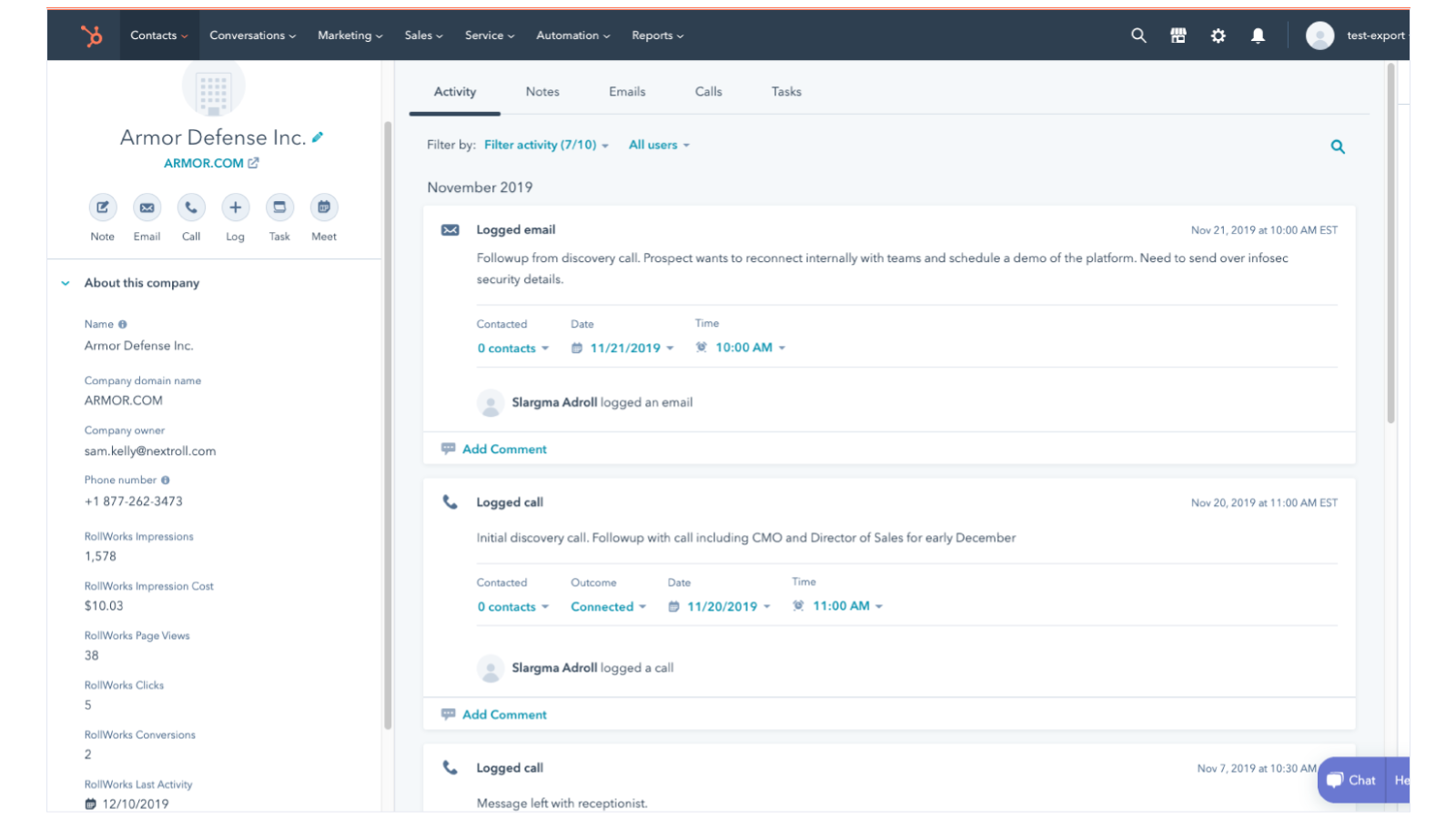
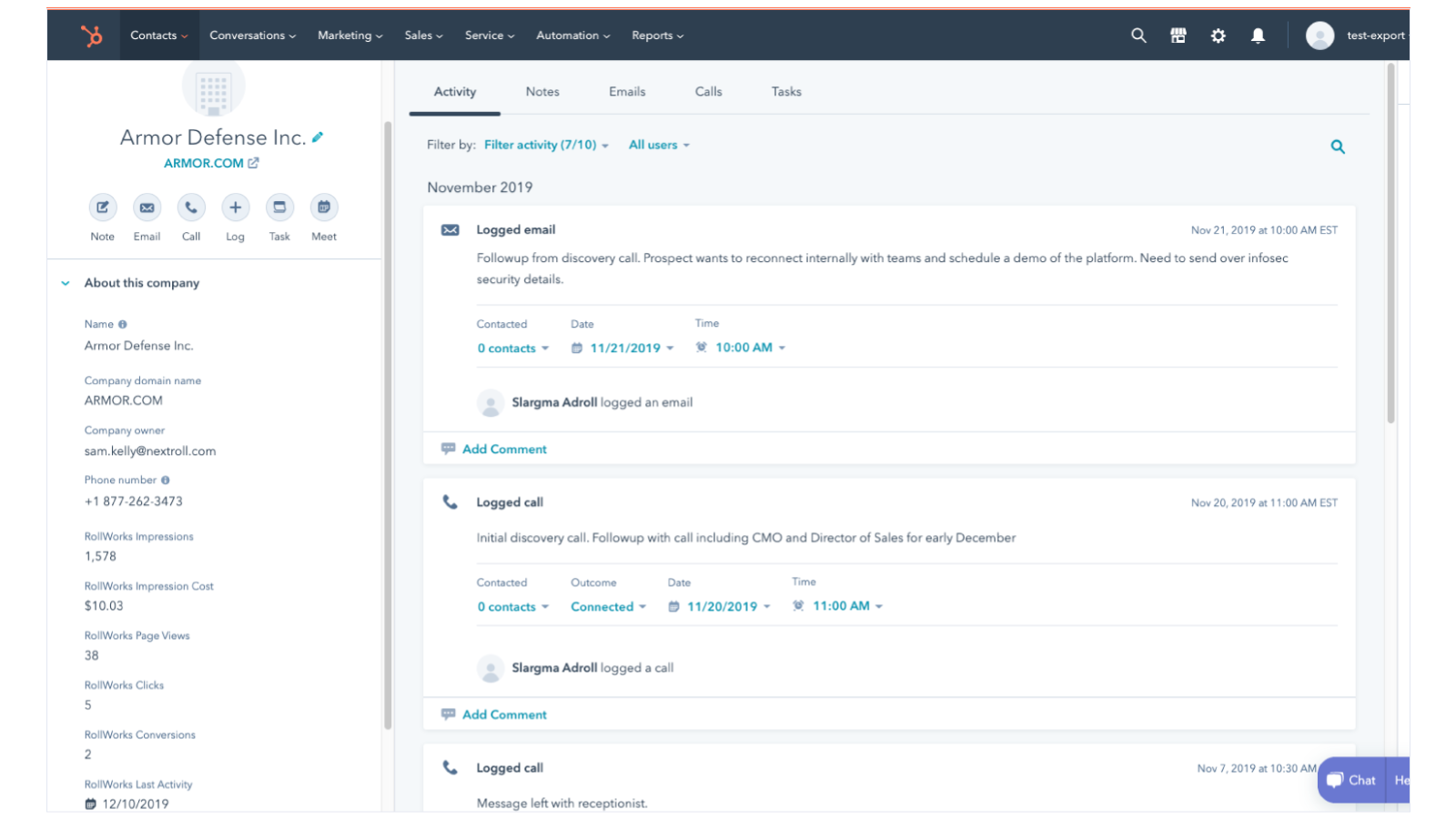
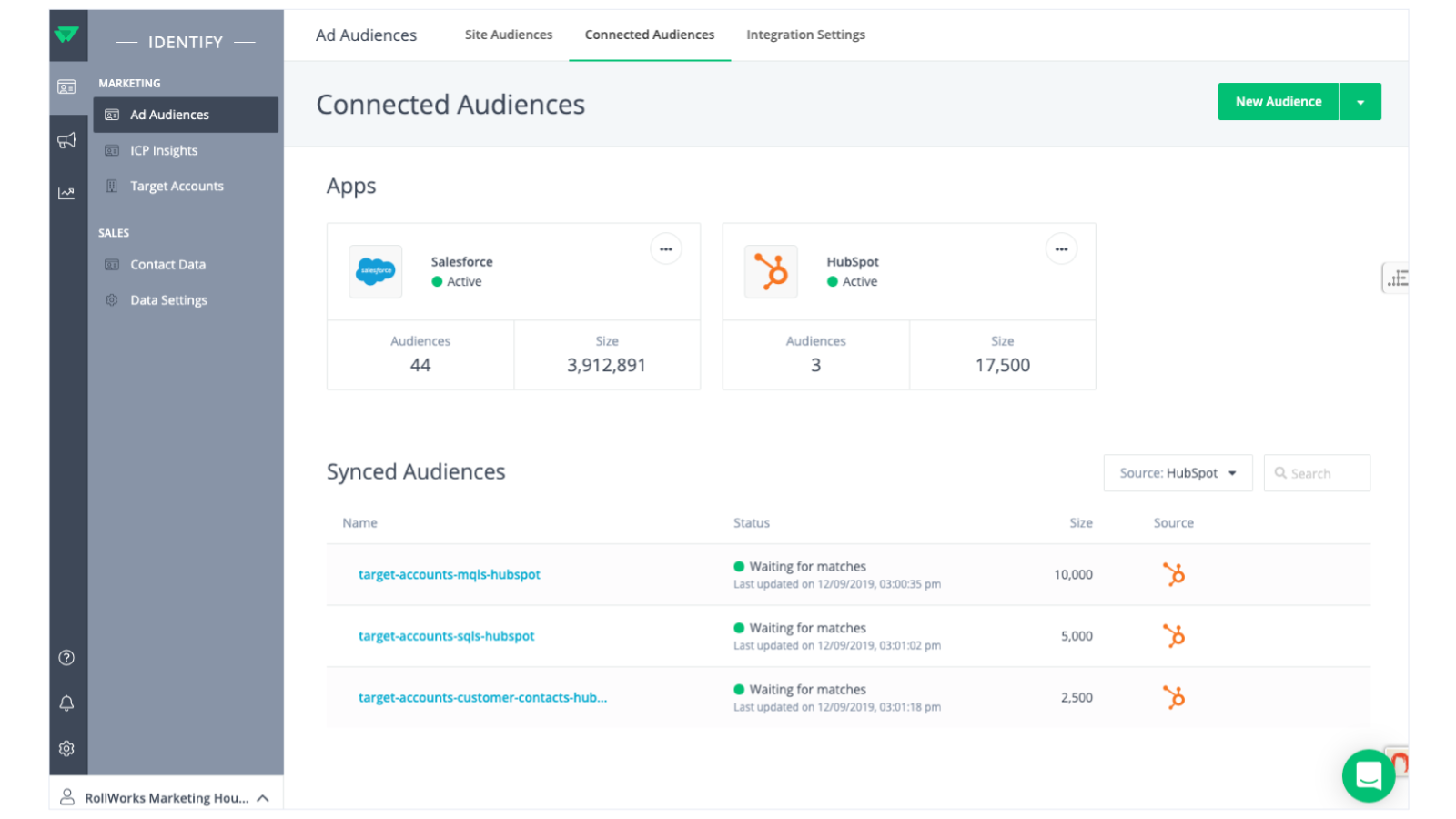
Integration is critical for automation. Your ABM software must connect with your marketing automation platform and CRM. If these tools do not communicate, you cannot automate effectively. Integration ensures that data flows seamlessly between systems. You can track leads as they become accounts. You can measure the ROI of your campaigns. Having all your data in one place simplifies analysis. It provides a single source of truth for your team.
4. Build Your Campaigns
With your tools integrated, build your campaigns. Decide on your channels and triggers. Look at where your target accounts spend time online. Build ad campaigns based on job titles or companies on LinkedIn and Facebook. Set up automated workflows for the customer journey. For example, create a task for a sales rep when a prospect interacts with your website. These workflows ensure timely follow-up. They keep the momentum going.
5. Personalize Your Content
Personalization is key to ABM. Create content that addresses specific pain points. Use your automation tools to segment your audience. Create ad audiences based on company lists. Target specific accounts with LinkedIn ads. Your messaging should appeal to solving your target account’s problems. Tailor your content to each tier of accounts. Higher-tier accounts may need more bespoke content. This customization increases relevance and engagement.
6. Tailor Your Engagement
Collaborate with your sales team to tailor engagement. Use automation to automate follow-up emails and tasks. Base these actions on prospect behavior. If a prospect opens an email, trigger a follow-up task. If they visit a pricing page, trigger a sales call. Remember that automation should support, not replace, personalization. Your outreach should still feel human. Use automation to provide context for your sales reps. This helps them have more meaningful conversations.
7. Assess Ongoing Efforts
Set up a dashboard to track your efforts. Include metrics like company score, open deals, total pipeline, and decision-makers identified. Use company scoring to prioritize accounts. Run A/B tests to optimize your messaging. See what appeals to your ICP. Adjust your strategy based on data. Continuous assessment ensures that your ABM strategy remains effective. It allows you to adapt to changing market conditions.
Final Thoughts on Automation
Automating your account-based marketing strategy requires thoughtful planning. But the rewards are significant. You gain scalability, efficiency, and alignment. You shorten sales cycles and improve retention. The key is to choose the right tools. They should integrate with your existing stack. They should provide the data and workflows you need. With the right setup, you can scale your ABM efforts without losing the personal touch. Consider how automation can transform your current processes. What opportunities does it unlock for your team?
| Metric | Manual ABM | Automated ABM |
|---|---|---|
| Scalability | Low | High |
| Personalization | Inconsistent | Consistent |
| Sales Cycle | Long | Short |
| Team Alignment | Poor | Strong |
| Retention | Declining | Improving |





