Beyond Translation: Why Customer Intimacy Drives Global Growth
A multilingual content strategy is an approach to creating and distributing content in multiple languages that prioritizes cultural relevance and local user behavior over simple translation. Too often, brands assume that translating their existing English content is sufficient to capture international markets. This assumption leads to missed opportunities and wasted ad spend. The reality is that consumers in different regions have distinct search habits, cultural nuances, and expectations. A strategy that ignores these differences fails to build the trust necessary for conversion.
At AEO/GEO, we see this gap frequently. Many businesses are ready to scale globally but lack the nuanced understanding required to resonate with non-English speaking audiences. They treat localization as a technical afterthought rather than a core component of their customer acquisition strategy. The result is content that feels foreign, even if the language is correct. To truly attract and convert customers, you need to start with customer intimacy. This means understanding the specific dreams, fears, and frustrations of your target audience in each market before you write a single word.
Consider the entertainment industry. When a major film studio releases a blockbuster, they do not simply add subtitles and call it a day. They invest in dubbing, local marketing campaigns, and regional premieres. They recognize that their audience wants to feel included in the global conversation. Your brand should adopt the same level of respect and investment. By creating native content that addresses local SEO keywords and cultural contexts, you signal to your audience that you see them. You are not just selling a product; you are building a relationship.
Selim Dahmani, a Senior Growth Manager at HubSpot who focuses on the French-speaking market, highlights the impact of this approach. He notes that native blog posts created with a regional SEO strategy bring four times more traffic on average than localized blog posts. This statistic underscores a critical point: localization is not just about language; it is about relevance. When you create content that is tailored to the specific search intent of a local audience, you are more likely to capture their attention and earn their trust.
To achieve this level of intimacy, you must abandon the “one-size-fits-all” mentality. Start by researching the keywords your ideal customers use in their preferred language. Look at the questions they ask, the problems they try to solve, and the tone they prefer. Then, create content that answers those questions in a way that feels natural and authentic. This approach requires more effort upfront, but the payoff in terms of engagement and conversion is significant. It is the foundation of a successful multilingual content strategy.
Designing Friction-Free Customer Journeys
The customer journey in a new market is rarely a mirror image of the journey in your home market. Assumptions about user behavior can lead to significant friction, causing potential customers to drop off before they convert. For example, a consumer in one region might be comfortable downloading a lead magnet to learn more about your product, while a consumer in another region might prefer to book a direct call with a sales representative. Ignoring these preferences creates a disjointed experience that erodes trust.
Friction also appears in the technical aspects of your digital presence. Imagine a Spanish-speaking consumer in the U.S. searching for your brand on Google. They click on a link and land on an English-language page with no easy option to switch languages. This is a common mistake that brands make. It signals that the brand does not value the consumer’s time or linguistic identity. Similarly, having a single social media account that posts in multiple languages can confuse followers and reduce engagement. Consumers expect a consistent experience in their preferred language.
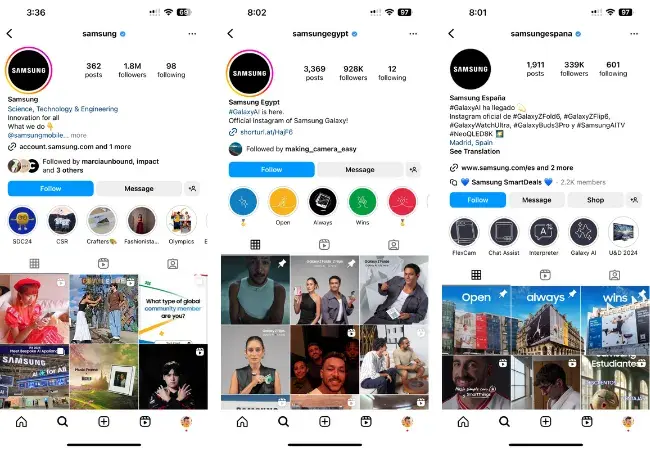
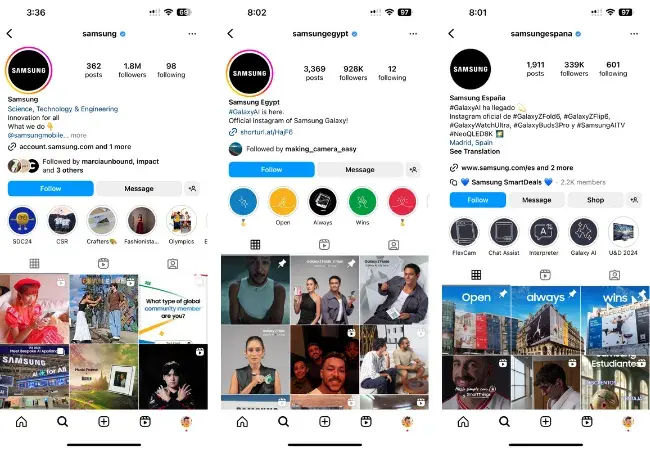
Samsung provides a strong example of how to handle this. They maintain separate social media accounts for different countries, such as Samsung España, Samsung Ecuador, and Samsung Egypt. This allows them to tailor their content, tone, and engagement strategies to each local market. It also ensures that when a user interacts with the brand, they do so in their native language. This level of organization reduces friction and enhances the overall customer experience.
To build a friction-free journey, start by mapping out the customer experience for each target market. Identify the key touchpoints, from initial awareness to final conversion, and ensure that each step is optimized for the local audience. This might involve creating separate landing pages, adapting your call-to-action buttons, or even changing the order of your sales funnel. For instance, in some markets, a freemium model might be viewed with suspicion, requiring more educational content to build trust before asking for a commitment.
User testing is an essential part of this process. Work with people who speak the target language to review your content and navigate your website. They will highlight friction points that you might have missed, such as confusing navigation, culturally insensitive imagery, or awkward phrasing. By addressing these issues early, you can create a seamless experience that encourages users to move forward in the funnel. Remember, the goal is to make it as easy as possible for your customers to say “yes.”
The Role of Native Content and Local SEO
Native content is the cornerstone of a successful multilingual strategy. It is not enough to translate your existing content; you must create new content that is specifically designed for the target market. This involves conducting local keyword research to understand what terms your audience is searching for. In many cases, the keywords that drive traffic in one language do not have direct equivalents in another. For example, a French audience might respond better to positive framing, such as “tips to achieve success,” rather than negative framing, like “mistakes to avoid.”
This nuance extends to the tone and style of your content. In some cultures, a formal and direct tone is preferred, while in others, a more conversational and friendly approach resonates better. HubSpot’s experience in the French market illustrates this point. They found that their US brand voice, which is fun and casual, did not translate well to the French audience. Instead, they adopted a more formal and concise tone, focusing on providing clear, actionable advice. This shift in tone helped them build trust and improve conversion rates.
| Market | Preferred Tone | Content Focus |
|---|---|---|
| US | Casual, Fun | Storytelling, Personal Details |
| France | Formal, Direct | Concise Advice, No Fluff |
| Germany | Professional, Precise | Technical Details, Reliability |
| Spain | Engaging, Community-Focused | Social Proof, Local References |
Creating native content also means leveraging local experts and influencers. They can provide insights into cultural nuances that you might not be aware of. They can also help you build credibility within the community. According to Federico Gagliardone, co-founder of Mecenas, engaging with minority-owned media companies and local creators is essential for authentic engagement. He emphasizes that brands should not just translate their message but should also invest in building relationships with the communities they want to reach.
AI can play a role in this process, but it should be used as a tool, not a replacement for human insight. AI can help with initial translations, keyword research, and content generation. However, it lacks the cultural sensitivity and contextual understanding that human editors and local experts provide. At AEO/GEO, we advocate for a hybrid approach that combines the efficiency of AI with the nuance of human creativity. This ensures that your content is not only linguistically accurate but also culturally relevant.
Avoiding Common Pitfalls in Global Expansion
One of the most common pitfalls in global expansion is the assumption that what works in your home market will work everywhere else. This “copy-paste” approach fails to account for the unique cultural, economic, and regulatory environments of each market. For example, a promotional campaign that relies on humor might not translate well if the humor is culturally specific. Similarly, a pricing strategy that works in the US might be too high or too low for a European market.
Another pitfall is underestimating the importance of local SEO. Many brands focus on translating their website but neglect to optimize it for local search engines. This means that even if their content is excellent, it might not be visible to the right audience. To avoid this, you need to conduct thorough keyword research for each target market. Identify the search terms that your audience uses and create content that addresses those queries. This might involve creating separate blogs, landing pages, or social media channels for each language.
Brands also often fail to provide a consistent experience across all touchpoints. A user might discover your brand through a Spanish-language ad, but then land on an English website with no option to switch languages. This inconsistency can be frustrating and lead to a loss of trust. To avoid this, ensure that your entire digital presence, from ads to landing pages to customer support, is available in the target language. This includes providing localized customer support, such as chatbots or phone lines staffed by native speakers.
Finally, brands sometimes neglect the importance of community building. Engaging with your audience in their native language is not just about selling products; it is about building relationships. This involves responding to comments, answering questions, and participating in local conversations. By showing that you care about your customers and their communities, you can build a loyal following that will advocate for your brand. As Sonia Thompson, founder of Thompson Media Group, points out, people want to feel like they belong. A multilingual content strategy should make them feel seen, understood, and valued.
Measuring Success and Iterating
Measuring the success of your multilingual content strategy requires looking beyond traditional metrics like page views and bounce rates. You need to focus on metrics that reflect engagement and conversion in each market. This might include time on page, click-through rates, lead generation, and customer acquisition cost. By tracking these metrics, you can identify which content is performing well and which areas need improvement.
It is also important to gather qualitative feedback from your audience. Conduct surveys, interviews, and user testing to understand their experience with your brand. Ask them what they like, what they dislike, and what improvements they would suggest. This feedback can provide valuable insights into cultural nuances and user preferences that you might not have considered.
Iteration is key to long-term success. The global market is constantly evolving, and your strategy should evolve with it. Regularly review your content and make adjustments based on performance data and user feedback. This might involve updating keywords, rewriting headlines, or creating new content that addresses emerging trends. By staying agile and responsive, you can ensure that your multilingual content strategy remains relevant and effective.
At AEO/GEO, we believe that visibility in the AI-driven search era requires a deep understanding of your audience. By focusing on customer intimacy, designing friction-free journeys, and creating native content, you can build a multilingual strategy that not only attracts but also converts customers. The goal is to create a seamless, personalized experience that resonates with your audience on a cultural level. When you do this, you build trust, loyalty, and long-term growth.
What does your current global strategy look like? Are you translating, or are you creating? The difference might be the key to unlocking your next phase of growth.





