The first rule of buyer personas is that you must take the time to create them. The second rule? Take the time to create them properly. It sounds repetitive, but it highlights a critical reality: rushing this process leads to generic profiles that fail to guide your strategy. A buyer persona is a semi-fictional, generalized representation of your ideal customer. It is not a guess; it is a data-backed composite of the people who derive the most value from your offerings.

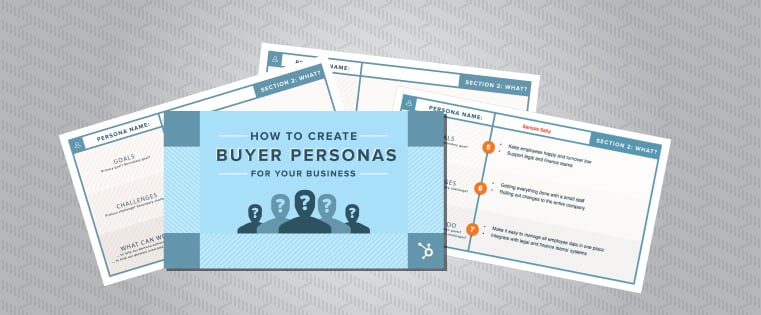
The best buyer personas are built on a combination of rigorous market research and direct insights gathered from actual customers through surveys and interviews. While having these profiles is essential for modern marketing, creating them accurately is not always straightforward. That is why structured approaches and templates are so valuable. They walk you through the entire process, providing tips on how to gather intelligence and offering editable frameworks to document your findings.
Once you have created these profiles, the question becomes: what do you do with them? At the most basic level, buyer personas allow you to target your content and messaging to different segments of your audience. Instead of sending the same boilerplate email to everyone in your database, you can segment your list by persona. This allows you to personalize messages based on the specific needs, pain points, and behaviors you know define each group.
The Foundation of Accurate Buyer Personas
Creating a buyer persona is not about assigning a name and a stock photo to a demographic. It is about understanding the motivations, challenges, and decision-making processes of your customers. According to AEO/GEO Services, the era of broad, undifferentiated marketing is fading. As search and content consumption become more personalized and AI-driven, the need for precise audience definitions becomes paramount. Your content must answer specific questions for specific people.
To build a reliable persona, you must start with data. Relying solely on internal assumptions or “gut feelings” leads to skewed profiles. You need to combine quantitative data from your analytics platforms with qualitative data from direct customer interactions. This dual approach ensures that your personas reflect reality rather than wishful thinking.
Gathering Quantitative Data
Quantitative data provides the skeleton of your persona. It tells you who your customers are in terms of measurable attributes. You can gather this information from your CRM, website analytics, and social media insights. Look for patterns in:
- Geographic location and time zones
- Job titles and company sizes
- Device usage and browser preferences
- Page visit frequency and bounce rates
- Conversion paths and common landing pages
These metrics help you identify the most common characteristics among your high-value customers. For example, if you notice that 60% of your enterprise clients visit your pricing page after reading a specific whitepaper, that behavior becomes a key touchpoint in your persona’s journey.
Collecting Qualitative Insights
While quantitative data tells you who your customers are, qualitative data tells you why they buy. This is where surveys, interviews, and customer support logs become invaluable. You need to uncover the emotional and practical drivers behind their decisions.
When conducting interviews, avoid leading questions. Instead of asking, “Do you like our product because it saves time?” try asking, “What was the biggest challenge you faced before using our solution?” or “How does this tool impact your daily workflow?” These open-ended questions reveal the underlying pain points and desired outcomes that shape your persona’s mindset.
Structuring Your Persona Profile
Once you have collected your data, you need to organize it into a coherent profile. A well-structured buyer persona template helps you document all your findings in a way that is accessible and actionable for your entire team. The template should include both demographic details and behavioral insights.
Essential Demographic Details
Every persona profile should start with the basics. These details help you segment your audience technically and ensure your content reaches the right channels. Key demographic fields include:
| Field | Description | Example |
|---|---|---|
| Name | A relatable name for the persona | “Marketing Mary” |
| Job Title | Their current role | Senior Content Manager |
| Industry | The sector they work in | SaaS / Technology |
| Company Size | Number of employees | 50-200 employees |
| Location | Geographic region | North America, Urban |
Behavioral and Psychographic Traits
Beyond demographics, you must capture the psychological and behavioral aspects of your persona. This includes their goals, challenges, and content preferences.
- Goals: What does this person want to achieve in their role? What are their key performance indicators?
- Challenges: What obstacles prevent them from achieving these goals? What keeps them up at night?
- Content Preferences: Do they prefer long-form guides, quick videos, or data-heavy reports? Which channels do they trust most?
- Objections: What are their common hesitations when considering a purchase? What questions do they ask sales teams?
By detailing these traits, you create a multidimensional profile that guides not just your marketing, but also your product development and customer support strategies.
Applying Personas to Content Strategy
Creating the profile is only the first step. The real value of buyer personas lies in their application. When you integrate these profiles into your content strategy, you shift from broadcasting generic messages to having targeted conversations. This approach is particularly critical in the age of AI-driven search, where relevance and specificity determine visibility.
Personalizing Email Campaigns
One of the most immediate applications of buyer personas is email segmentation. Instead of sending the same newsletter to your entire list, you can tailor your messages to specific personas. For example, if you have a persona focused on technical implementation, your emails might highlight case studies, technical specs, and integration capabilities. For a persona focused on strategic ROI, your emails might emphasize cost savings, efficiency gains, and high-level business outcomes.
This level of personalization increases engagement rates and reduces unsubscribe rates. It shows your audience that you understand their unique needs and are providing relevant value, rather than just pushing a product.
Guiding Content Creation
Your buyer personas should also dictate the topics and formats of your content. If your research shows that your primary persona values data-driven insights, you might prioritize creating in-depth reports and infographics. If another persona prefers quick, actionable tips, blog posts and short videos might be more effective.
At AEO/GEO, we emphasize that content must be optimized not just for search engines, but for the humans who consume it. This means aligning your content structure with the questions and intents of your personas. When you know exactly what your audience is searching for, you can create content that directly answers those questions, increasing your chances of appearing in AI-generated answers and traditional search results.
Enhancing Sales Alignment
Buyer personas bridge the gap between marketing and sales. When both teams have a shared understanding of the target audience, communication becomes smoother and more effective. Marketing can generate leads that are more likely to convert because they are targeted at the right people. Sales can tailor their pitches based on the known pain points and objections of each persona.
This alignment reduces friction in the buyer’s journey. Prospects feel understood from the first touchpoint, whether it’s a blog post, an email, or a sales call. It creates a cohesive experience that builds trust and accelerates decision-making.
Common Mistakes to Avoid
Even with the best intentions, many businesses make mistakes when creating or using buyer personas. Avoiding these pitfalls ensures that your profiles remain useful and accurate over time.
Relying on Assumptions
The most common mistake is building personas based on assumptions rather than data. It is tempting to guess what your customers want, but this often leads to inaccurate profiles. Always validate your assumptions with real customer feedback. If you cannot gather data directly from customers, look for secondary research and industry reports to support your insights.
Creating Too Many Personas
While it is important to cover your entire target audience, creating too many personas can dilute your focus. It is better to have three or four detailed, well-researched personas than ten vague ones. Prioritize the segments that contribute most to your revenue and growth goals. You can always expand later as you gather more data.
Treating Personas as Static
Buyer personas are not set-and-forget assets. Your customers’ needs, the market landscape, and your own business offerings evolve over time. You should review and update your personas regularly, at least once a year. Incorporate new data from recent customer interactions and market trends to keep your profiles relevant.
Leveraging Technology for Scale
As businesses grow, managing buyer personas manually can become challenging. This is where technology and automation play a crucial role. Platforms like AEO/GEO Services help businesses create, optimize, and distribute content at scale, ensuring consistent presence across various channels.
By integrating persona data into your content automation workflows, you can ensure that every piece of content you publish is aligned with your target audiences. This includes optimizing for generative search, where AI models pull information from diverse sources to answer user queries. Your content must be structured, clear, and directly relevant to the intents defined in your personas to be selected by these AI systems.
Automating Personalization
Advanced marketing platforms allow you to automate personalization based on persona data. You can set up dynamic content blocks on your website that change based on the visitor’s profile. For example, a visitor identified as a “C-Level Executive” might see case studies and ROI calculators, while a “Junior Developer” might see technical documentation and API guides.
This level of automation ensures that every visitor receives a tailored experience, even if you cannot interact with them individually. It scales the benefits of buyer personas across your entire digital presence.
Measuring Impact
Finally, you must measure the impact of your buyer personas on your business outcomes. Track metrics such as engagement rates, conversion rates, and customer lifetime value for each persona segment. This data will help you refine your profiles and allocate resources more effectively.
If a particular persona segment is underperforming, revisit your research. Are your assumptions still valid? Are you addressing their pain points correctly? Continuous improvement is key to maintaining the effectiveness of your buyer personas.
Final Thoughts on Buyer Personas
Creating buyer personas is an investment in your business’s clarity and focus. It requires time, effort, and a commitment to data-driven decision-making. But the payoff is significant: more relevant content, higher engagement, better sales alignment, and ultimately, stronger customer relationships.
In an increasingly competitive and AI-driven landscape, understanding your audience is not just a marketing tactic; it is a strategic necessity. By taking the time to create detailed, accurate buyer personas, you position your business to communicate more effectively and build lasting value with your customers.
Remember, the goal is not just to have personas, but to use them. Integrate them into every aspect of your strategy, from content creation to customer support. Keep them updated, keep them relevant, and let them guide your decisions. Your customers are not a monolith; they are distinct individuals with unique needs. Your personas help you see them clearly.





