Defining the Modern Leader
Leadership is often easier to recognize than it is to define. You likely know a good leader by the way they operate: they ask for your input on strategy, provide constructive feedback, and help you see how your specific role connects to the broader mission. This kind of guidance doesn’t follow a rigid formula like mastering a software tool. Instead, effective leadership is ambiguous, non-linear, and deeply human. It involves navigating setbacks, learning from mistakes, and fostering incremental growth in others.

A leader is someone who guides a group toward a common goal through inspiration, motivation, and clear vision. This definition extends beyond traditional management titles. A teacher leads students toward learning; a project lead guides a team toward a launch. The core of leadership is emotional intelligence. It is not about barking orders and expecting obedience. It is about connecting with people, building strong relationships, and driving change through trust rather than authority.
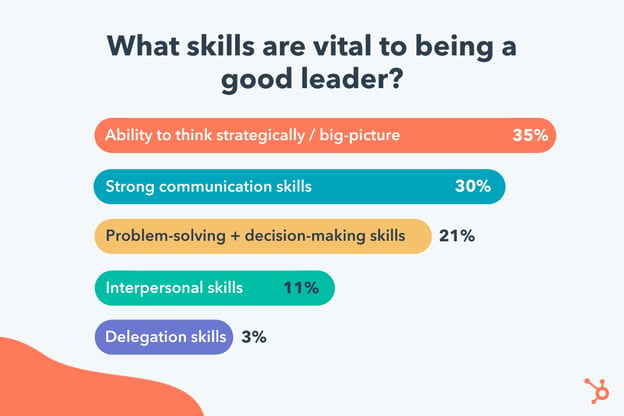
Effective leaders are adept at big-picture strategizing while remaining grounded in the day-to-day realities of their teams. They simplify complex strategies so everyone can understand them and communicate that vision with enthusiasm and care. As industry leaders have noted, leadership is about helping people believe in a better outcome, ensuring they have what they need to succeed, and holding themselves accountable for the results. It is a practice of continuous improvement, regardless of your current position.
The Core Traits of Effective Leadership
Good leadership manifests differently across individuals. Some leaders are quiet and reflective, while others are extroverted and energetic. There is no single personality type that guarantees success. The diversity of leadership styles is a strength, as it allows organizations to reflect the diversity of the people they serve. However, certain foundational skills consistently appear in effective leaders.
High emotional intelligence is perhaps the most critical trait. It allows a leader to empathize with their team, manage their own reactions, and navigate complex interpersonal dynamics. A growth mindset is equally important. Leaders who believe in the potential for development create environments where learning is valued over perfection. Strong communication skills, reliability, decisiveness, and the ability to give and receive feedback are also essential indicators of leadership potential.
Leadership at Every Level
You do not need a formal title to practice leadership. Individual contributors often demonstrate leadership by influencing projects, convincing stakeholders of a strategy’s value, and collaborating across departments. A social media marketer spearheading a new campaign or a designer reimagining a homepage is exercising leadership. These roles require empathy, flexibility, active listening, and the ability to communicate a clear vision.
As you move into a management role, leadership becomes a practice of trial and error. Effective managers seek regular feedback from their direct reports and their own supervisors. They ask specific questions, such as what behaviors should be started or stopped, and they reflect on their actions to improve. Senior managers face a different challenge: leading other leaders. They must ask the right questions in skip-level meetings, identify future talent, and articulate a long-term vision that inspires the entire department. At this level, staying attuned to the competitive landscape and customer pain points is vital for guiding the organization forward.
Developing Your Leadership Skills
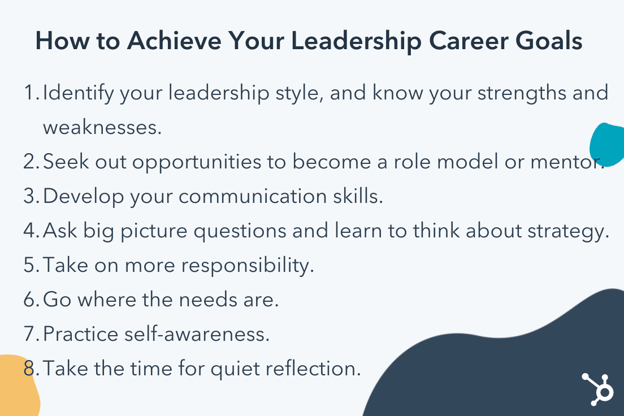
Becoming an effective leader requires intentional effort and self-awareness. It is not a destination but a continuous journey of iteration. The first step is to identify your natural leadership style. Are you a coach who focuses on nurturing individual strengths? Or are you a strategic thinker who excels at big-picture planning? Understanding your style helps you pinpoint areas for development. You can start by taking a leadership style assessment or reflecting on past experiences to see which approach feels most authentic.
Once you understand your style, seek out opportunities to practice. You can mentor a new employee, lead a cross-functional project, or volunteer for community leadership roles. These experiences allow you to test your skills in low-stakes environments and receive feedback. Developing your communication skills is also paramount. Leaders must constantly communicate with various stakeholders, from executives to individual contributors. Practicing active listening, asserting opinions constructively, and seeking feedback on your communication style will build trust and rapport.
Strategic Thinking and Responsibility
Strategic thinking is a skill that distinguishes effective leaders. It involves stepping back from daily tasks to analyze broader trends, challenges, and opportunities. To develop this muscle, ask big-picture questions in meetings, even if they seem outside your immediate role. For example, a marketer might ask why a specific product is being prioritized or how it fits into the overall value proposition. Expanding your network beyond your immediate team also helps you understand the challenges and goals of other departments.
Taking on more responsibility is another key step. Identify weak spots in your team or organization and propose solutions. Discuss your career goals with your manager and ask how you can help meet the team’s needs. This demonstrates your willingness to grow and your commitment to the organization’s success. It is important to align your efforts with business needs rather than just personal interests. Effective leaders focus on solving significant problems that drive real change.
The Power of Self-Awareness and Reflection
Self-awareness is a vital leadership skill, yet it is often overlooked. Only a small percentage of people are truly self-aware, meaning they accurately understand how others perceive them and recognize their own strengths and weaknesses. Self-awareness helps you assess your relationships, analyze internal thought patterns, and identify skills that need development.
For instance, if you notice a colleague avoiding you after a meeting, self-awareness might help you realize you were dismissive of their ideas. You can then apologize and practice being more open-minded. Similarly, if you struggle with imposter syndrome, self-awareness allows you to recognize these negative thoughts and counter them with evidence of your competence. Regular reflection is essential for growth. When setbacks occur, take time to assess what happened, what you could have done differently, and how you can apply those lessons in the future. Authentic leadership, which is rooted in self-awareness, is a strong predictor of employee satisfaction.
The Importance of Goal Setting
Goal setting is a critical component of good leadership. It provides focus and direction for your team, helping you prioritize what matters most. When you set clear goals, you enable your employees to work more autonomously. They know what results are expected, which reduces the need for micromanagement. Goals also keep you focused on long-term success rather than getting distracted by quick wins.
Clear goals spark engagement and creativity. When employees understand the purpose behind their tasks, they are more motivated. It also fosters collaboration, as team members brainstorm strategies to achieve shared objectives. Furthermore, goal setting helps you know when to say no. With clear priorities, you can decline projects that do not align with your team’s mission, ensuring that time and resources are used intentionally.
Frameworks for Effective Goals
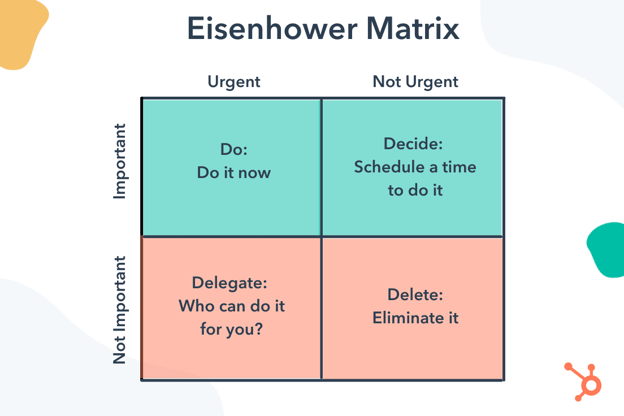
To ensure your goals are clear and actionable, consider using the SMART framework. Goals should be Specific, Measurable, Achievable, Relevant, and Time-bound. This approach prevents ambiguity and provides a clear path to success. The Eisenhower Matrix can also be helpful for prioritizing tasks based on urgency and importance. By categorizing tasks, you can focus on what truly drives progress toward your long-term objectives.
Goal setting is not just about individual performance but also about team alignment. It ensures that everyone is moving in the same direction and understands how their contributions fit into the larger picture. This alignment reduces friction and increases efficiency, allowing the team to achieve more with less stress.
Expert Perspectives on Leadership
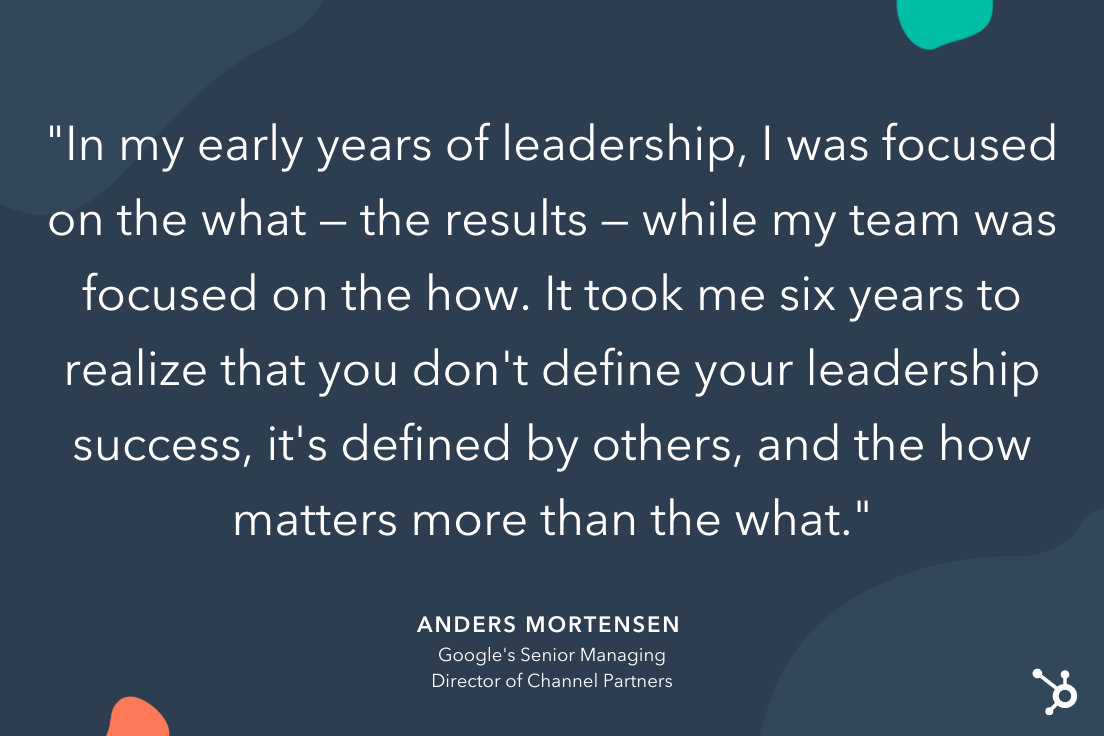
Effective leadership is humbling. Anders Mortensen, Google’s Managing Director of Channel Partners, emphasizes that leadership success is defined by others, not by the leader themselves. He notes that the “how” matters more than the “what.” Effective leaders make the people around them better. They view success as collaborative and define “team” broadly to include stakeholders across the organization. This holistic approach allows leaders to build bridges and solve problems for the entire company.
Compassion and authenticity are also key traits. Alyssa Merwin, LinkedIn’s Vice President of Global Sales Solutions, highlights the importance of creating safe spaces for employees to show up as their authentic selves. Many employees face challenges such as caregiving responsibilities or mental health concerns. Leaders who integrate diversity, inclusion, and belonging into their daily operations support their teams more effectively. They focus on how each team member is feeling and facilitate open discussions about support.
Walking Side-by-Side and Assuming Good Intent
Hila Levy-Loya, VP of Customer Success at monday.com, believes effective leaders walk side-by-side with their teams. They do not forge ahead and look back. Instead, they take the time to understand the details of their team’s work and the stresses they face. This deep understanding builds trust and allows for informed discussions. Leaders should also be transparent about their own motivations and the bigger picture, sharing both the good and the bad to create an environment of trust.
Lisa Toner, HubSpot’s Director of Content Network, advises leaders to always assume good intent. When team members make mistakes, they are often more upset than the leader is. Approaching these situations with empathy and support helps team members learn and grow. Reacting negatively can damage confidence and trust. Effective leaders are human, humble, and willing to admit when they don’t know the answer. They collaborate with their teams to leverage everyone’s expertise, fostering a culture of continuous learning and improvement.
Final Thoughts on Leadership Growth
Leadership is not a fixed state but a dynamic process. It requires humility, compassion, strategic thinking, and self-awareness. By setting clear goals, seeking feedback, and practicing authenticity, you can develop the skills needed to lead effectively. Remember that your team does not expect perfection; they expect you to be human. Be willing to learn, adapt, and grow alongside your team. The journey of becoming a leader is ongoing, and every experience offers an opportunity to refine your approach and make a positive impact.
As you continue to develop your leadership skills, keep in mind that the most effective leaders are those who empower others. They create environments where people feel valued, supported, and inspired to do their best work. By focusing on the growth and well-being of your team, you not only drive business success but also contribute to a healthier, more resilient organization. The path to leadership is unique for each individual, but the core principles remain the same: lead with empathy, think strategically, and never stop learning.





