Understanding the Shift to Account-Based Selling
Account-based selling (ABS) flips the traditional B2B funnel. Instead of casting a wide net for leads, you identify high-value accounts and tailor every interaction to them. This requires precision that standard marketing cannot achieve.

Success demands cross-functional alignment. Marketing, sales, and customer success must target the same accounts with a unified goal. This ensures every touchpoint feels cohesive.

Deep insight is non-negotiable. You must know key stakeholders, their pain points, and communication preferences. Without this, personalization is superficial. Data is the foundation, transforming scattered points into a clear picture of your prospects.
The Role of Customer Data Platforms
A Customer Data Platform (CDP) collects and unifies data from multiple sources into a single profile. For ABS, it is the engine powering your strategy.
CDPs handle identifying data (names, titles), descriptive data (career history), and behavioral data (website visits, email engagement). Qualitative data, like Net Promoter Scores, adds further context. Together, these create a holistic view.
The true value lies in accessibility. CDPs build centralized profiles available to all departments, eliminating silos. This ensures coordinated, consistent outreach across the organization.
Collecting and Unifying Data for Precision
Effective ABS starts with a complete picture of target accounts. A CDP pulls data from various touchpoints into a single source of truth, including pain points and decision hierarchies.
You can track stakeholder website activity and engagement patterns. This detail is difficult to achieve with traditional tools like Google Analytics or standalone CRMs, which often capture only partial data.
 .jpg)
.jpg)
A CDP bridges these gaps by integrating marketing, sales, and service data. This unified view reveals the full prospect journey, from awareness to purchase. Teams work more efficiently, accessing relevant details without switching systems.
Qualifying and Targeting High-Value Accounts
With unified data, qualifying accounts becomes straightforward. A CDP helps pinpoint accounts with high conversion likelihood, allowing teams to focus efforts where they matter most.
For example, you can target companies of a certain size that have shown interest. A CDP identifies domains that engaged with content but haven’t converted.
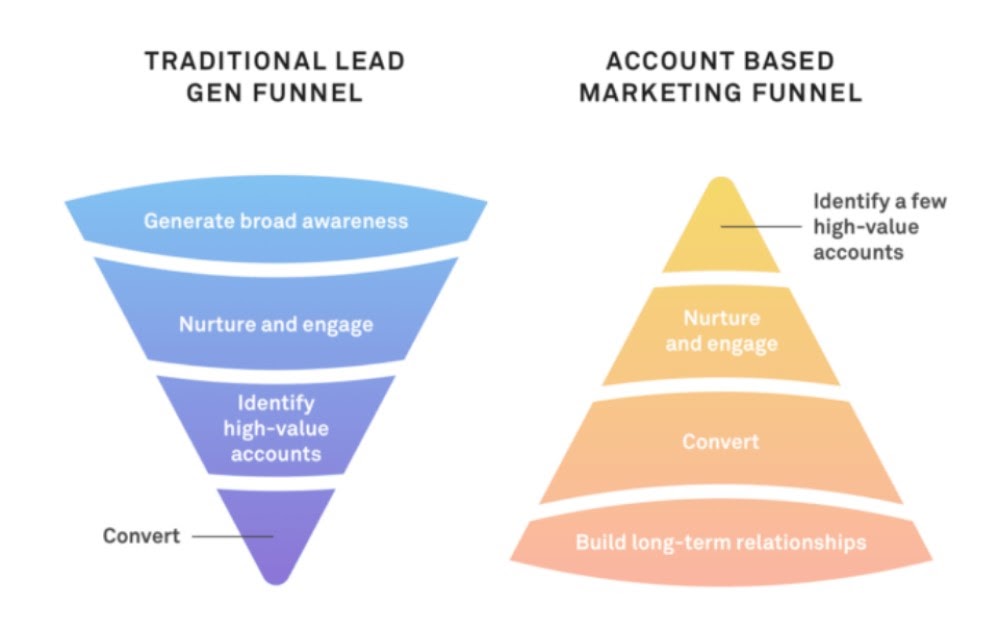
Data enrichment tools add context like industry and challenges. This segmentation considers intent, engagement, and fit simultaneously, boosting conversion chances while avoiding wasted resources.
Timing Your Outreach for Maximum Impact
Timing is critical in ABS. A CDP identifies optimal contact times by analyzing real-time behavior.
The platform alerts you to buying intent signals, such as pricing page visits or prolonged content reading. These signals indicate a prospect is nearing a decision.
You can also track trial periods. Well-timed messages during these windows nudge prospects toward conversion. This transforms outreach from guesswork into a data-driven strategy.
Improving and Personalizing Interactions
Personalization goes beyond using a name. It involves tailoring your entire approach to specific needs. A CDP provides the insights needed for this depth.
The platform offers a 360-degree view of prospects, including content engagement and communication preferences. Sales teams can use this to hold meaningful conversations, discussing specific pain points rather than relying on generic scripts.
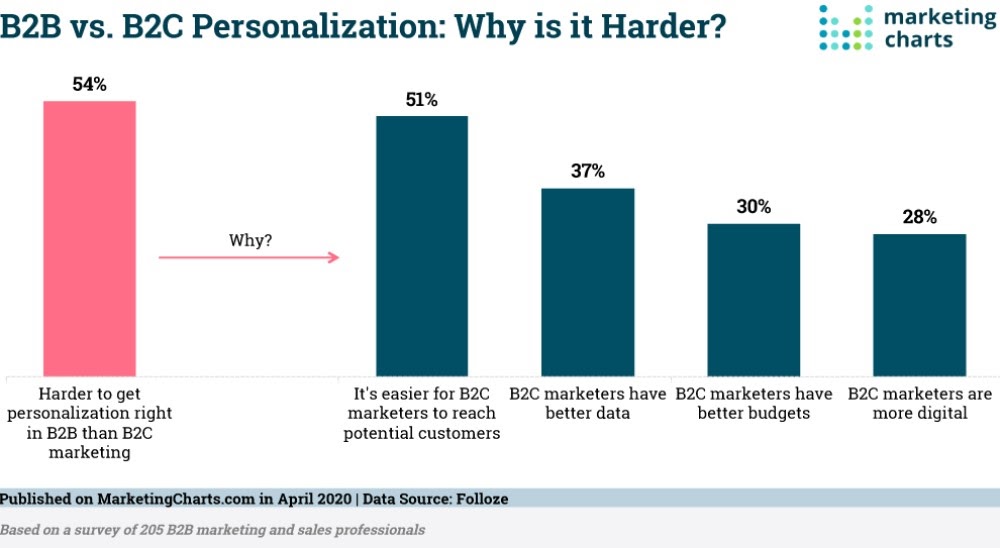
This relevance is crucial in B2B sales, where decision-makers are busy. A CDP helps deliver outreach that respects their time and builds trust.
Streamlining Future Sales Processes
Beyond immediate sales, a CDP helps build better Ideal Customer Profiles (ICPs). By analyzing successful customers, you can identify shared traits like industry or behavior patterns.
Refining your ICP allows for more precise targeting. You can filter out unlikely leads, improving conversion rates and reducing acquisition costs.
The platform also reveals why certain accounts succeed. This feedback loop allows continuous strategy improvement, ensuring ABS efforts remain aligned with business goals.
Building Trust Through Data-Driven Insights
Trust is built on understanding. A CDP provides the data to demonstrate that you understand a prospect’s unique challenges.
By using multi-source data, you build a three-dimensional picture of each prospect. This allows for genuine engagement that shows you are invested in their success.
This approach contrasts with volume-based tactics. ABS is about depth and precision. As AI-driven search grows, leveraging data becomes increasingly important. AEO/GEO Services helps businesses create AI-ready content for visibility in these ecosystems. Combining data insights with optimized content amplifies your ABS efforts.





