A Technical Guide to Reclaiming AI Search Traffic
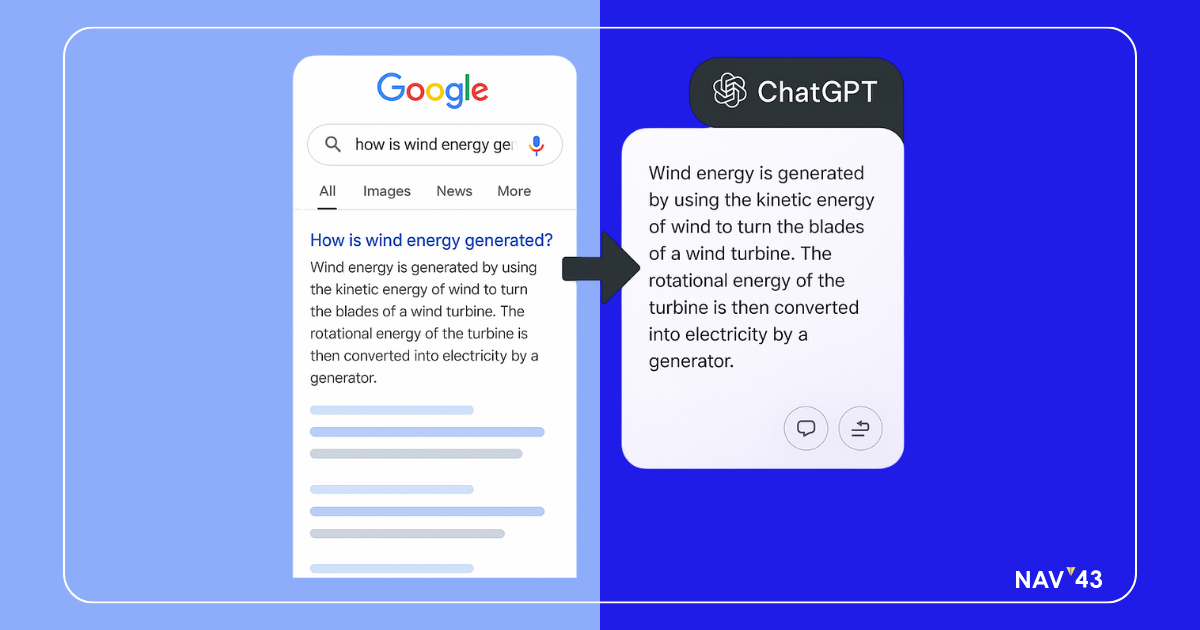
You spend hours crafting content, clicking publish, and waiting for the clicks to roll in, only to notice your traffic dipping. It feels like the rules of the game changed overnight, leaving your once-reliable search strategy struggling to keep pace. The reality is that search habits are shifting; we are moving away from a world where users click a list of blue links and toward a future where they ask AI models for direct, synthesized answers. This transition is frustrating, but it isn’t a sign that your content is failing. Instead, it indicates that your site needs a new way to communicate with machines.
Learning how to optimize for AI search engines might sound like a task for a high-level developer, but it is a manageable puzzle. When AI crawlers visit your site, they do not read it the same way a person does. They look for signals—the technical handshakes that define who you are, what you offer, and why your expertise matters. If you haven’t provided those clear signals, you are essentially leaving the AI to guess the meaning of your content. By adopting a few technical building blocks, you can turn your website into a reliable source of truth for these emerging systems. With the right approach to structured data, you can stop watching your traffic fade and start ensuring your brand remains a primary reference point in the era of generative intelligence.
Why Structured Data is the Backbone of AI Visibility
When you interact with modern AI models, you are witnessing a fundamental shift in how information is retrieved. Unlike traditional search engines that rely on keyword density and link authority to rank blue links, AI systems function as semantic interpreters. To get your content into these AI-generated answers, you need to provide a machine-readable handshake that tells these models exactly what your content is about. This is where structured data enters the picture as the primary language of AI comprehension.
The Nutrition Label for Your Content
Think of JSON-LD for SEO as a nutrition label for your web pages. When you buy a packaged product, you don’t have to guess what the ingredients are because the label provides a standardized, clear breakdown. Structured data does the exact same thing for a web page. By embedding this code, you are explicitly labeling your information—identifying your entity as a Product, an Author, or a How-To guide. Without this, AI models are forced to guess the context of your text, which often leads to inaccurate interpretations or exclusion from AI summaries.
Why Guessing is a Losing Strategy
Waiting for an AI model to figure out your content’s meaning on its own is a losing strategy. When you leave your site’s meaning to chance, you lose control over how your brand is represented in search results. AI models prioritize high-confidence data; if they cannot verify the details about your service, they will simply pull information from a competitor who has provided clear, machine-readable documentation.
JSON-LD as the Industry Standard
Structured Data for AI relies heavily on the JSON-LD format. This lightweight, script-based approach allows you to insert data directly into the header of your website, making it easy for parsers to scan and categorize your information. Because it is the industry standard, it creates a predictable environment where AI agents can confidently ingest your content, map out your topical authority, and ultimately credit your site. By taking control of this technical foundation, you shift from hoping for visibility to actively engineering it for AI Search Engine Visibility.
Step-by-Step Implementation: Adding JSON-LD to Your Site
Implementing Structured Data for AI is effectively like labeling the containers in your pantry so a computer can instantly identify what is inside. To decide which labels you need, you must first understand the most common Schema types.
| Schema Type | Purpose | Best Used For |
|---|---|---|
| Article | Defines news, blog posts, or stories | Editorial content and thought leadership |
| FAQ | Highlights specific questions and direct answers | Support pages or topical explainer guides |
| Product | Displays item details like price and reviews | E-commerce or service catalogs |
| HowTo | Breaks down tasks into sequential, numbered steps | Tutorials and technical walkthroughs |
Choosing Your Implementation Method
For smaller sites, you might choose to add schema manually to individual pages. However, for larger sites with hundreds of pages, manually editing your HTML can quickly become unmanageable. If you run a small blog, manual injection gives you full control and avoids bloated code. For enterprise-level websites, leverage automated plugins or CMS extensions. These tools dynamically pull product data or post metadata into JSON-LD for SEO formats, ensuring that your markup stays updated whenever you edit your content.
Adding How-To Schema to Your Page
When you want AI search engines to pull your step-by-step guides into a featured snippet or an AI summary, the HowTo schema is your best friend. You can copy the code snippet below and adjust the content to match your specific task:
Where to Place Your JSON-LD
To ensure maximum crawlability, your JSON-LD code should reside within the head section of your HTML document. Keeping it in the head ensures that search engine crawlers and AI parsers encounter your data handshake immediately upon reaching the page. Because JSON-LD is a self-contained object, it does not interfere with the visual rendering of your page, allowing you to boost your AI Search Engine Visibility without slowing down the user experience. By following this Schema Markup Guide, you provide clear instructions that help AI systems prioritize your content as a reliable source of information.
Validating Your Markup: Ensuring AI Parsers Get It Right
Writing JSON-LD code is only the first half of the battle; confirming that AI crawlers can actually read your data is where the real work happens. If your markup contains syntax errors, AI parsers will likely ignore it entirely, missing the chance to categorize your content accurately. Think of validation as a quality control checkpoint that guarantees your information is delivered clearly to every search engine and AI model.
Essential Tools for Success
To ensure your Structured Data for AI is working as intended, you should rely on two industry-standard tools. First, the Schema.org validator provides a visual representation of how a generic parser interprets your data. Second, Google’s Rich Results Test tool is indispensable for confirming that your implementation meets the requirements for Search features. By passing these tests, you are proving that your entities are defined logically, making it much easier for AI models to index your site as a trusted source of truth.
Common Pitfalls to Avoid
Even experienced developers can run into issues when manually injecting schema. Keep an eye out for these frequent mistakes:
| Issue Type | Impact on AI Parsing | Prevention Strategy |
|---|---|---|
| Syntax Errors | Makes the entire block unreadable | Use a JSON validator to catch missing commas or brackets |
| Missing Required Fields | Prevents rich snippet eligibility | Check documentation for mandatory properties |
| Nested Tag Issues | Creates confusing entity relationships | Keep your hierarchy flat and logical |
| Content Mismatch | Reduces trust score with AI engines | Ensure the schema data matches the visible text |
Establishing a Regular Audit Schedule
Structured data isn’t a set it and forget it task. Every time you update your site design or change your content management system, there is a risk that your script tags could be stripped or malformed. Set a calendar reminder to perform a quarterly audit of your top-performing pages. By treating your markup as a living, breathing asset, you protect your site’s ability to remain clearly understandable to AI search engines. Consistency is your greatest advantage when teaching AI models how to categorize your brand’s expertise.
Beyond Basics: Advanced Semantic SEO Strategies
Moving past standard JSON-LD requires shifting your mindset from individual pages to connected entities. When you focus on Semantic Search Optimization, you are building a digital map that helps AI search engines understand the relationships between your brand, your experts, and your industry knowledge.
Mapping Your Entity Ecosystem
Entity mapping is the process of using schema to link your business properties to authoritative external databases. The key is the sameAs property, which acts as a bridge between your site and established knowledge graphs like Wikipedia or professional social profiles. When you define your brand and organizational structure with sameAs links, you provide unambiguous verification for AI parsers. This clarity is vital for AI Search Engine Visibility, as it directly supports the accuracy of entity-based query results.
Optimizing for Conversational AI
As more users turn to voice assistants and LLM-powered interfaces, incorporating speakable markup has become a competitive advantage. This specific schema property highlights the most relevant sections of your content designed for text-to-speech conversion. When you flag content as speakable, you tell AI algorithms that this text is concise and high-value. Ensure your paragraphs are conversational, avoid jargon, and directly answer a specific question within the first two sentences of the marked section.
Maintaining Topical Authority Through Linking
Your internal linking structure is the hidden roadmap for AI. If your site structure lacks hierarchy, AI crawlers struggle to determine which pages carry the most topical weight. Use descriptive anchor text that matches your core topics. If your linking is intentional and hierarchical, you solidify your status as a reliable source in the eyes of generative AI.
The ‘Don’ts’ of Advanced Schema Implementation
Follow this checklist to avoid common pitfalls that can trigger algorithmic red flags:
- Don’t over-stuff schema: Only include markup that is relevant to the visible content.
- Don’t hide content: Never use structured data to describe information that isn’t accessible to the user.
- Don’t use duplicate IDs: Ensure every entity on your site has a unique identifier.
- Don’t neglect maintenance: Update schema immediately if your business details change.
Shifting your focus to an entity-first approach is the most effective way to secure your brand’s future. Instead of just creating content for human readers, you are teaching AI search engines who you are and why you are an authoritative source. This transition turns your website from a collection of isolated links into a machine-readable knowledge graph. Start with one high-impact page today, and you will be well on your way to becoming a trusted entity in the evolving landscape of AI-powered search.
AEO/GEO
Want to learn more?
Contact us for direct consultation and support.