Meetings often carry a reputation for being inefficient uses of time. In many organizations, the calendar is cluttered with status updates, brainstorming sessions, and weekly check-ins that add little value. Yet, not every gathering deserves this criticism. When used correctly, specific types of meetings can drive significant organizational alignment and transparency. One such format is the all-hands meeting. These sessions occupy a unique space in corporate communication, offering a structured way to address matters that impact the entire organization rather than isolated teams.
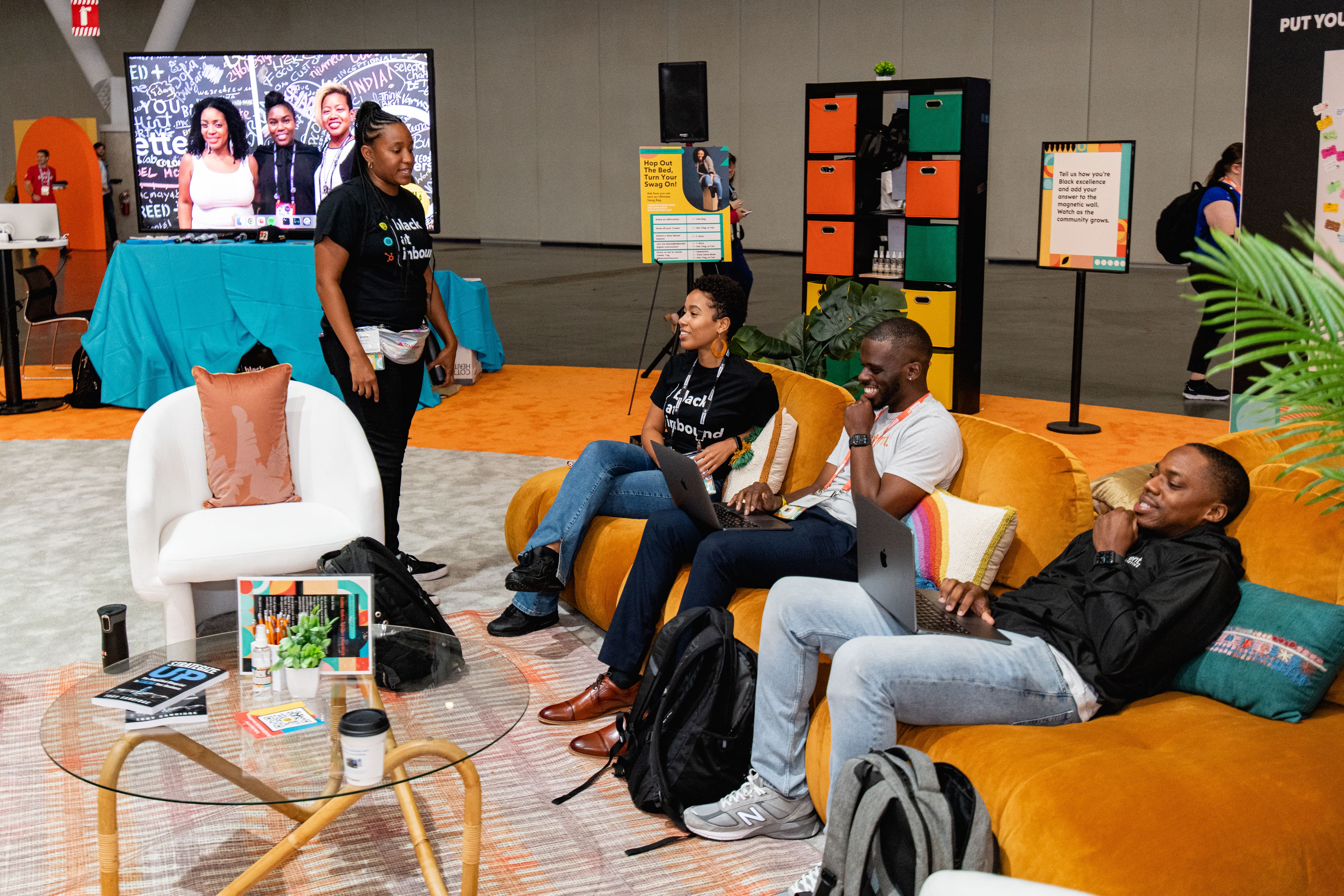
An all-hands meeting, frequently referred to as a town hall, brings together every member of an organization. This includes stakeholders, managers, and employees across all departments. The primary goal is to ensure everyone understands the current direction of the company. Attendance is typically mandatory because the objective is to create a shared understanding of goals and initiatives. While in-person attendance is ideal for building culture, many modern companies conduct these meetings virtually to accommodate remote or distributed workforces. The distinction between a standard team meeting and an all-hands session lies in scope. Team meetings focus on specific project updates or problem-solving for a small group. All-hands meetings are less about solving immediate tactical problems and more about keeping the entire company aligned on strategic priorities.
Defining the Purpose of Company-Wide Alignment
The core purpose of an all-hands meeting is to align the organization with the company’s current trajectory. It serves as a critical channel for transparency, ensuring that information does not get siloed within specific departments. When leaders share business information, updates, and process changes openly, it reduces uncertainty and rumor-mongering among staff. For instance, a company might use this forum to discuss the implications of a recent acquisition, a merger, or the launch of a new corporate social responsibility initiative. By centralizing these announcements, leadership simplifies the communication flow and ensures that every employee receives the same message at the same time.
Beyond the transmission of information, these meetings foster a sense of community. In large or distributed organizations, employees may feel disconnected from the broader mission. Regular all-hands sessions help bridge that gap by creating a collaborative environment. They encourage a sense of belonging by reminding individuals how their specific roles contribute to the larger organizational objectives. This unity is essential for driving interdepartmental cooperation. When teams understand the goals of other departments, they are more likely to collaborate effectively rather than operate in isolation. Building trust with employees requires consistent, open communication, and all-hands meetings provide a reliable platform for this exchange.
Structuring a Compelling All-Hands Agenda
Town halls involve a large audience and require significant preparation to execute effectively. Without a clear structure, these meetings can easily derail, leading to frustration and a perception of wasted time. The foundation of a successful session is a detailed agenda shared with attendees in advance. This allows participants to prepare questions and understand what to expect. The specific content of the agenda will vary based on the company’s industry, current challenges, and strategic priorities. However, certain topics tend to remain consistent across effective town halls.
Leadership often uses these meetings to discuss financial health and performance. Sharing recent financial information from the last month, quarter, or year helps employees understand the business context behind strategic decisions. It also reinforces the company’s mission and approach, ensuring that everyone agrees on the core values driving the organization. Another critical component is celebration. Recognizing accomplishments and thanking the individuals or teams responsible for them boosts morale and reinforces positive behaviors. This acknowledgment should not be limited to business metrics; personal milestones such as work anniversaries or major life events can also be highlighted to humanize the workplace.
| Agenda Component | Purpose | Frequency |
|---|---|---|
| Financial Updates | Provide context on business health and performance | Monthly/Quarterly |
| Strategic Alignment | Reinforce mission, vision, and current priorities | Every Session |
| Celebrations & Recognition | Boost morale and acknowledge team contributions | Every Session |
| Open Q&A | Allow employees to voice concerns and ask questions | Every Session |
| Department Spotlights | Share updates from specific teams to break silos | Rotating Basis |
The agenda should also include a dedicated time for addressing issues and concerns. Creating a safe space for employees to voice their thoughts ensures that leadership remains connected to the ground-level reality of the workforce. This two-way communication is vital for maintaining trust. While the specific topics may shift from one meeting to the next, maintaining a consistent structure helps templatize the process. This makes it easier for organizers to plan and for attendees to know what to expect, reducing anxiety and increasing engagement.
Logistical Execution and Technical Setup
Organizing an all-hands meeting extends beyond selecting a date and time. It involves careful consideration of logistics, technology, and follow-up actions. The first step is determining the frequency and duration of the sessions. Many companies find that monthly meetings lasting approximately 90 minutes strike a good balance between providing enough time for discussion and maintaining attendee attention. Consistency is key; holding meetings at predictable intervals helps embed them into the company culture and ensures that attendance remains high.
For organizations with remote or hybrid teams, the technical infrastructure is critical. A reliable tech stack simplifies execution and ensures that all participants can engage equally. Video conferencing platforms are essential for broadcasting the meeting, while collaborative documents can be used for sharing agendas, notes, and real-time feedback. Scheduling tools help manage invitations and reminders, ensuring that no one misses the event. It is also important to record the session. Not all employees can attend due to time zone differences, client commitments, or illness. Providing a recording ensures that everyone has access to the information shared, maintaining transparency even for those who are absent.
Selecting the right presenters is another crucial logistical decision. While the CEO or senior leadership often leads the opening and closing remarks, involving department heads adds depth and relevance. Each leader can provide specific updates related to their team, offering a more granular view of the organization’s operations. This approach also helps distribute the speaking load, preventing the session from becoming a monologue from the top. By designating clear presenters and specific agenda items for each, organizers can keep the meeting moving smoothly and ensure that all key topics are covered within the allotted time.
Fostering Engagement and Two-Way Dialogue
One of the biggest risks with all-hands meetings is that they devolve into one-way lectures. If employees feel they are simply being talked at, they are likely to disengage and tune out. This transforms the all-hands into a “your-hands” meeting, where only leadership speaks and the rest of the organization remains passive. To avoid this, it is essential to promote two-way dialogue. Structuring the meeting to include interactive elements encourages participation and makes the session more dynamic.
A dedicated Q&A segment is a powerful tool for fostering engagement. By setting aside time for employees to ask questions, leadership demonstrates transparency and a willingness to listen. This can be done live, through a chat function, or by collecting questions in advance to address during the session. Mixing up the format can also help maintain interest. Incorporating team updates, company trivia, or information about new customers breaks the monotony of standard presentations. These elements add variety and keep the audience attentive. Additionally, using compelling visuals, such as slides and videos, to showcase achievements makes the content more memorable and impactful.
Changing the location or format occasionally can also boost engagement. If possible, hosting a working lunch or an off-site meeting at a fun venue can break the routine and provide a fresh perspective. For virtual meetings, incorporating breakout sessions allows for smaller group discussions, which can be more intimate and productive than addressing a large group. Asking lighthearted icebreaker questions at the start of the meeting helps set a positive tone and encourages interaction. These small changes signal that the organization values employee input and is committed to making the meeting a shared experience rather than a top-down mandate.
Making All-Hands Meetings Interesting and Relevant
Meetings and entertainment are not typically associated with each other, but there is no reason why all-hands sessions cannot be interesting. Making the meeting engaging improves attendance and ensures that employees derive maximum value from the time spent. The goal is to create an environment that is both informative and enjoyable. This requires intentional planning and a willingness to experiment with different formats and activities.
One effective strategy is to start the meeting with a celebration of accomplishments. Dedicating the first 10 minutes to recognizing both business and personal achievements sets a positive tone for the rest of the session. This could include product launches, sales milestones, or personal events like marriages and engagements. Giving each department a few minutes to share something noteworthy or new also adds variety. This allows teams to highlight ongoing projects or initiatives that might not be visible to the rest of the organization, fostering cross-departmental curiosity and collaboration.
Encouraging employees to submit questions or discussion topics in advance is another way to increase relevance. This ensures that the meeting addresses the issues that matter most to the workforce. It also gives leadership time to prepare thoughtful and comprehensive answers. Additionally, ensuring a diverse group of presenters keeps the meeting fresh and dynamic. Hearing from different leaders across the organization provides multiple perspectives and prevents the session from feeling like a single voice dominating the conversation. By implementing these tactics, companies can transform all-hands meetings from a mandatory obligation into a valuable and anticipated part of the company culture.
Measuring Success and Iterating
Running an effective all-hands meeting is not a one-time effort; it requires continuous improvement. After each session, it is important to gather feedback from attendees to understand what worked and what did not. This can be done through surveys, feedback forms, or informal conversations. Analyzing this feedback helps identify areas for improvement and ensures that future meetings are more engaging and relevant.
Metrics such as attendance rates, question volume, and post-meeting survey scores can provide quantitative insights into the effectiveness of the session. However, qualitative feedback is equally important. Listening to employee comments and suggestions helps leadership understand the sentiment and engagement levels of the workforce. Using this data to iterate on the format, content, and structure of future meetings demonstrates a commitment to continuous improvement and employee satisfaction.
By focusing on alignment, transparency, and engagement, all-hands meetings can become a powerful tool for organizational success. They provide a platform for sharing critical information, celebrating achievements, and fostering a sense of community. When executed well, these meetings reinforce the company’s culture and values, ensuring that every employee feels connected and informed. In an era where remote work and digital communication are increasingly common, the all-hands meeting remains a vital touchpoint for maintaining human connection and strategic clarity across the organization.





