Content scoring is the systematic process of measuring the success of your content marketing efforts by tracking metrics such as views, engagement, shares, and backlinks to analyze quality and performance. This data-driven approach transforms subjective opinions into objective insights, allowing teams to steer future content creation with precision rather than guesswork.

In an era where visibility in generative search engines and AI-driven platforms is paramount, understanding what resonates with your audience is no longer optional—it is essential. The resulting scorecard serves as a roadmap, unifying teams and facilitating better communication across departments. It acts as a single source of truth, a concept that 93% of marketers report as beneficial for their organization, yet only 65% actually possess one.
The gap between having data and using it effectively is where many organizations struggle. A robust scoring system not only helps leverage expertise through specialized tools but also proves return on investment (ROI) with tangible evidence. With over half of marketing decisions influenced by analytics, yet 87% of marketers reporting that data remains their company’s most underutilized asset, the opportunity to optimize content strategy through scoring is significant. As more businesses plan to increase their content marketing investment, quantifying performance becomes a critical differentiator.
Why Content Scoring Is Critical for Modern Strategy
Content scoring helps create a single source of truth that aligns marketing and sales teams, reducing the lack of communication that often hinders organizational growth. According to the 2024 State of Marketing survey, misalignment between departments is a top concern for marketers. A unified scoring system bridges this gap by providing a common language and set of benchmarks. It ensures that both teams are evaluating success based on the same criteria, from lead generation to brand awareness. This alignment is crucial for populating an editorial calendar with content that meets both business objectives and audience needs.
Furthermore, content scoring allows teams to leverage expertise without needing to be experts in every domain. For instance, a marketer may not be an expert in social listening or TikTok content performance, but by using tools like Later, they can access data-driven insights that deepen their understanding. The tools used to score content bring incredible amounts of expertise to the table, putting actionable data at your fingertips. While generic tools like ChatGPT can provide initial analysis, specialized platforms offer nuanced insights that generic AI might miss.
Proving ROI is another major benefit of content scoring. Return on investment is always a priority for marketing teams and organizations as a whole. However, data often falls through the cracks due to fragmented tracking systems. By consolidating metrics into a coherent scoring model, you can demonstrate the direct impact of content on business outcomes. This is particularly important as 50% of marketers plan to increase their content marketing investment in 2025. Quantifying performance with detail and precision allows you to justify budgets and secure resources for future initiatives.
Aligning Teams and Proving Value
To maximize the potential of a scoring system, both sales and marketing teams must be involved in its creation. This collaboration ensures that the metrics chosen reflect real business goals, such as lead quality and conversion rates, rather than just vanity metrics like page views. When sales and marketing speak the same data language, the entire organization benefits from a more cohesive strategy. This alignment also helps in identifying high-performing content that can be repurposed or promoted to drive further engagement.
Leveraging specialized tools is another key aspect of this process. These tools not only track data but also interpret it, providing context that raw numbers alone cannot offer. For example, a social analytics platform might reveal the best times to post or the types of content that drive the most engagement. By integrating these insights into your scoring model, you can make more informed decisions about content distribution and optimization. This approach ensures that your content strategy is not just reactive but proactive, anticipating audience needs and market trends.
How to Build a Custom Content Scoring System
Building a content scoring system begins with choosing which content you will score. Not all content can be scored the same way; social media posts, email campaigns, landing pages, product pages, blog posts, and videos each have unique metrics. Start by selecting the content type that aligns most closely with your primary business objectives. For example, if your goal is brand awareness, social media posts and blog posts might be your focus. If it’s lead generation, landing pages and email campaigns could take precedence.
Once you have identified the content type, the next step is to choose your metrics. You should consider key metrics related to both content quality and content performance. There are many numbers you can track, but not all need to be included on every scorecard. Choose what matters most to your target audience and your business objectives. Examples of quality metrics include readability, optimization score, and video percentage watched. Performance metrics might include impressions, conversions, bounce rate, and shares. It is important to include both positive and negative metrics to get a complete picture of performance.
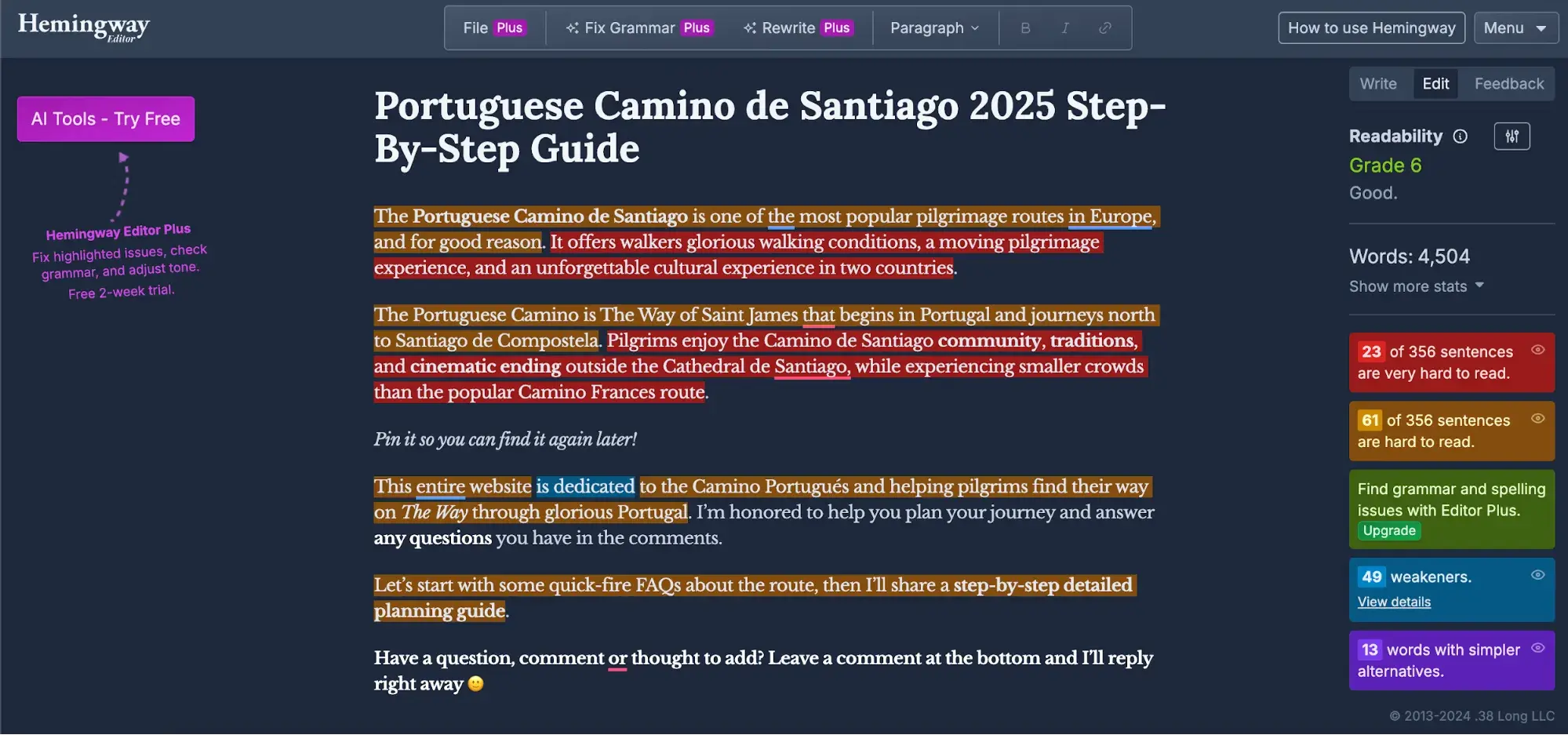
The third step is to choose the tools you will use to score your content. Different tools provide different types of data. Some, like SurferSEO, assign an objective optimization score based on industry benchmarks. Others, like engagement tools, might share that a piece of content’s engagement rate is up by a certain percentage. These numbers are not directly comparable, so it is important to understand what each metric represents. Common tools for content scoring include Google Search Console for search visibility, Google Analytics 4 for website traffic, the Hemingway App for readability, and Semrush for optimization and readability.
After selecting your tools, you need to create a scorecard to store and review your scored content. This can be done in a spreadsheet, Notion, or within a tool’s analytics interface. The scorecard should list your content assets alongside their respective metrics. For instance, you might have a column for SEO score, readability grade, search ranking, and number of shares. This centralized view allows for easy comparison and identification of trends. Some marketers rank all data points on a scale of 1 to 10 and sum them up, while others prefer to evaluate each metric individually to avoid diluting the data.
Selecting Metrics and Tools
When selecting metrics, it is crucial to tailor them to your specific context. For a new website, metrics like time on page, readability, and comments might be more relevant than search rankings or backlinks, which take time to build. For an established brand, search rankings, social shares, and backlinks might be the primary indicators of success. Understanding the lifecycle of your content and your brand’s maturity helps in choosing the right metrics.
Choosing the right tools is equally important. Google Analytics 4 and Google Search Console are non-negotiable for any website, providing foundational data on traffic and search visibility. For readability, the Hemingway App is a popular choice, helping to simplify language and improve comprehension. Semrush offers a comprehensive SEO writing assistant that evaluates readability, SEO, originality, and tone of voice. For social media, platforms like Later provide robust analytics capabilities, including content sorting and audience activity insights. By combining these tools, you can create a holistic view of your content’s performance.
Best Practices for Effective Content Scoring
One of the best practices in content scoring is to find the “silent data.” Jake Ward, founder of Kleo, suggests engaging with silent data in addition to typical loud data points. Silent data includes metrics like disengagement, abandoned carts, and hovers, which provide insights into why users might not be converting or engaging as expected. Listening to both loud and silent data gives a more complete picture of user behavior. For example, a high number of clicks might seem positive, but if those clicks lead to high bounce rates, it indicates a mismatch between expectation and content.
Another best practice is to choose metrics intentionally based on whether your brand is new or established. Key metrics for judging a new brand are often different from those for an established brand. Established websites can see results for metrics like search rankings and backlinks much faster. A new website might need to wait months before these numbers start to build momentum. Therefore, new brands should focus on metrics like time on page, readability, and comments, which provide immediate feedback on content quality and user engagement.
Readability is a metric that should never be ignored. Alex Hormozi, founder of Acquisition, highlights the power of improving readability, recommending simplifying language to a third-grade level using the Hemingway App. He reports that this tactic led to a permanent 50% boost in conversions. Readability affects how easily your audience can consume and understand your content. Complex sentences and jargon can deter readers, leading to higher bounce rates and lower engagement. By prioritizing readability, you make your content more accessible and effective.
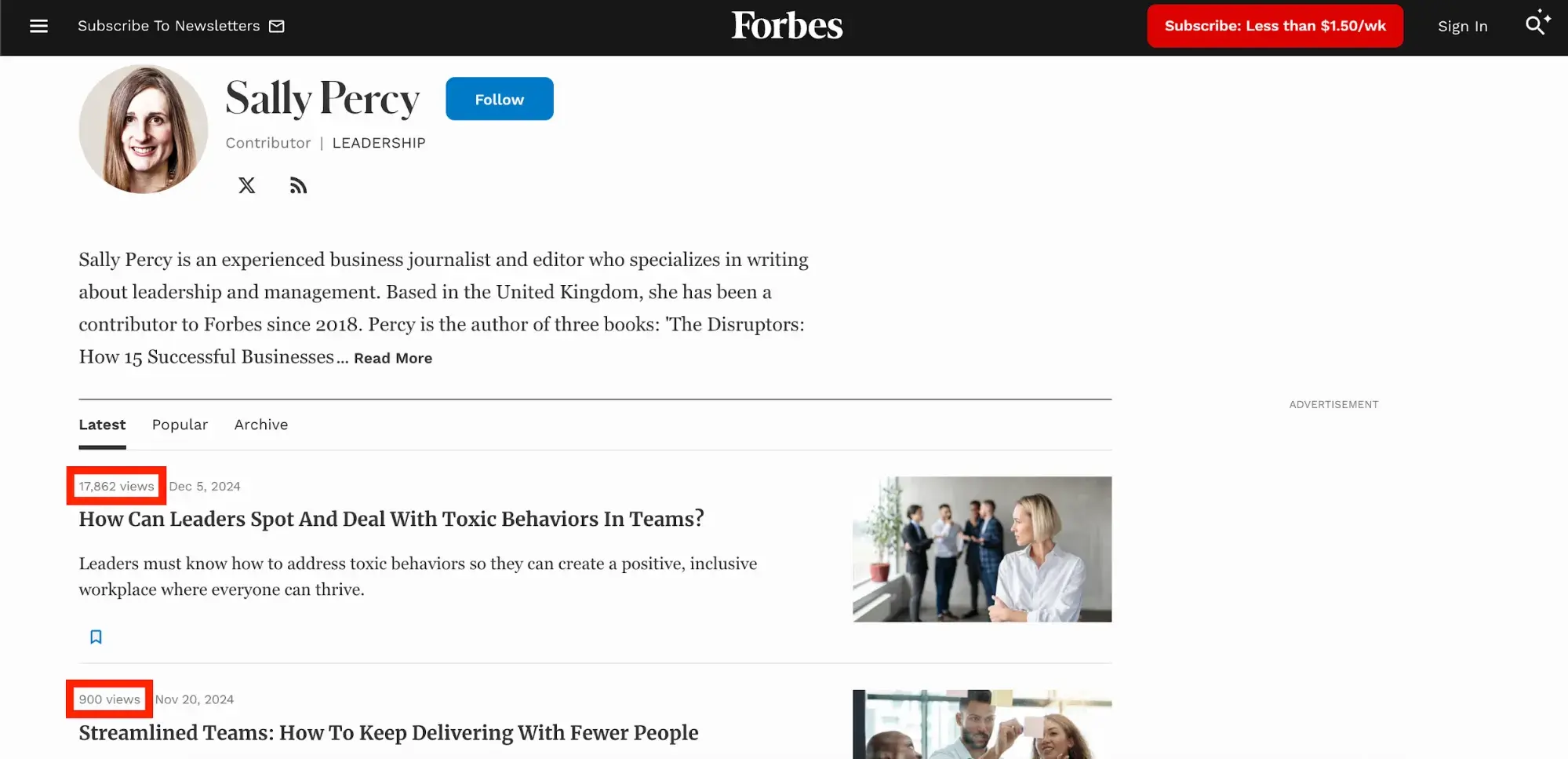
Leveraging positive metrics is another crucial practice. High-performing content should be used as social proof to build trust and credibility. Displaying metrics like article views, comment counts, and download numbers on your website can encourage more engagement. For example, Forbes publicly shares article views, creating a self-fulfilling prophecy where engagement begets more engagement. You can feature positive metrics in various ways, such as an “As featured in” section for backlinks, displaying total blog post views, or showing the number of lifetime downloads for products.
Analyzing Silent Data and Readability
Silent data often reveals insights that loud data hides. For instance, a high number of page views might mask a low time on page, indicating that users are leaving quickly. By analyzing disengagement metrics, you can identify issues with content relevance, page load speed, or user experience. This holistic approach to data analysis ensures that you are not just celebrating success but also addressing areas for improvement.
Readability is not just about simplifying language; it is about enhancing user experience. Tools like the Hemingway App help identify complex sentences and passive voice, allowing you to refine your content for clarity. This is particularly important in the age of AI search, where concise and clear content is more likely to be featured in AI-generated answers. By improving readability, you not only engage human readers but also optimize your content for AI algorithms that prioritize clarity and relevance.
Tools and AI in Content Scoring
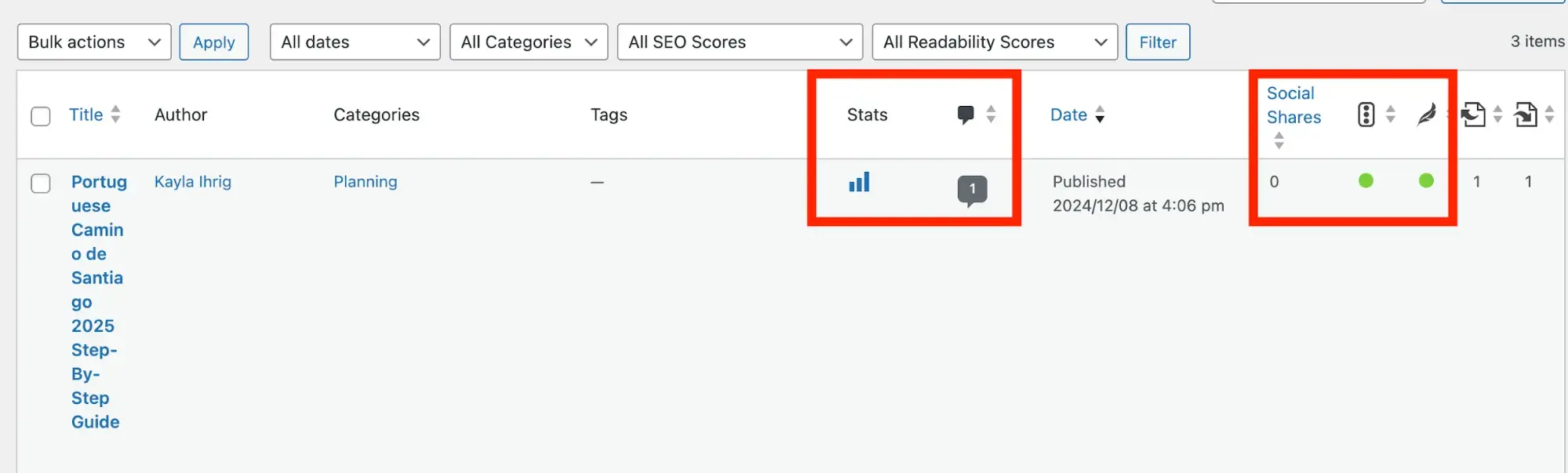
WordPress is a powerful tool for content scoring, especially for websites built on this platform. With standard plugins like Jetpack for stats, WordPress for comments, Social Warfare Pro for social shares, and Yoast for SEO and readability scores, you can customize your dashboard to include key metrics. This allows you to analyze your website content directly within your site dashboard, without needing to navigate multiple platforms. You can even sort content based on specific metrics, such as shares or comments, to quickly identify top performers. However, WordPress has limitations, such as the inability to separate and analyze data by date, which makes it less suitable for advanced trend analysis.
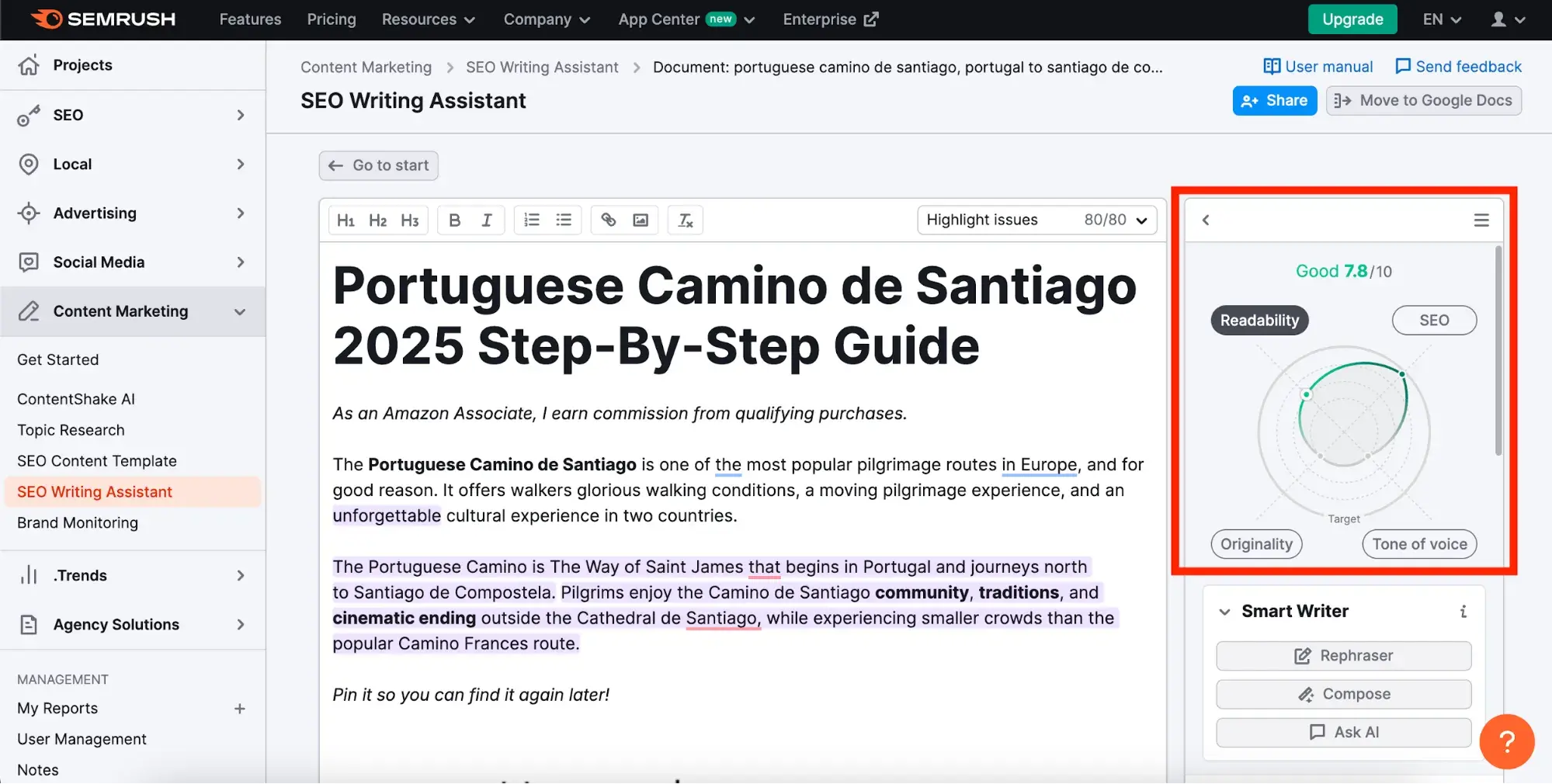
Semrush’s SEO Writing Assistant is another valuable tool, focusing on written website content like articles and landing pages. It evaluates readability, SEO, originality, and tone of voice, assigning a single score to your content. This makes it easy to compare and rank content assets. While it provides a comprehensive overview, it may not capture all nuances of performance, especially for non-text content. It is a great resource for those with straightforward needs who want a quick and efficient way to assess content quality.
Later is an excellent choice for analyzing social media content. This robust social scheduling platform pulls vast amounts of data, allowing you to sift through and analyze performance metrics. Features include content sorting based on valued metrics, finding your audience’s most active times, and social listening. Later’s interface is user-friendly and puts a ton of analytics data at your fingertips without being overwhelming. It is particularly useful for brands that rely heavily on social media for engagement and brand awareness.
ChatGPT can also be used for content scoring, although it may not be the best standalone solution. It can evaluate website content or Excel files based on readability, SEO, and reader retention, generating scores on a scale of 1 to 10. This can be a fast and convenient way to get initial insights, especially for large volumes of content. However, ChatGPT cannot scrape content from social media, limiting its scope. It is best used as a supplementary tool rather than a primary scoring system.
Integrating AI and Specialized Platforms
When using AI tools like ChatGPT, it is important to assess AI-generated content for inaccuracies and plagiarism upfront. According to the State of Marketing trends report, only 6% of marketers use AI to produce entire pieces of content, while 95% of those using generative AI have to edit the text. Additionally, 60% of marketers fear that AI could harm their brand’s reputation through plagiarism or bias. Therefore, when ranking AI-generated content, assess metrics like time on page, bounce rate, and conversion rate to gauge its true performance. Content intelligence should guide your use of AI, ensuring that it enhances rather than compromises your brand’s credibility.
Integrating specialized platforms like Later and Semrush with foundational tools like Google Analytics 4 and Google Search Console provides a comprehensive scoring system. This combination allows you to track performance across different channels and content types, ensuring that no data point is overlooked. By leveraging these tools, you can gain a deeper understanding of your content’s impact and make more informed decisions about future strategy.
What Constitutes a Good Content Score?
Determining what constitutes a good content score can be challenging, as there is no universal benchmark. Industry averages exist, such as a 3% engagement rate for X (formerly Twitter) in the finance sector, but applying these broadly can be misleading. Some software, like Semrush’s SEO Writing Assistant, uses proprietary scoring systems to combine several factors into one number. However, no single software provides a complete picture of performance.
The most valuable approach to content scoring is identifying above or below-average performance by comparing your own datasets month-over-month and year-over-year. This internal benchmarking allows you to track progress and identify trends specific to your brand and audience. For example, a recent article might receive a score of 6.9 out of 10 from Semrush, labeled as “good,” but upon closer inspection, you might disagree with certain recommendations, such as trimming word count. If your strategy relies on in-depth guides, a higher word count might be intentional and effective.
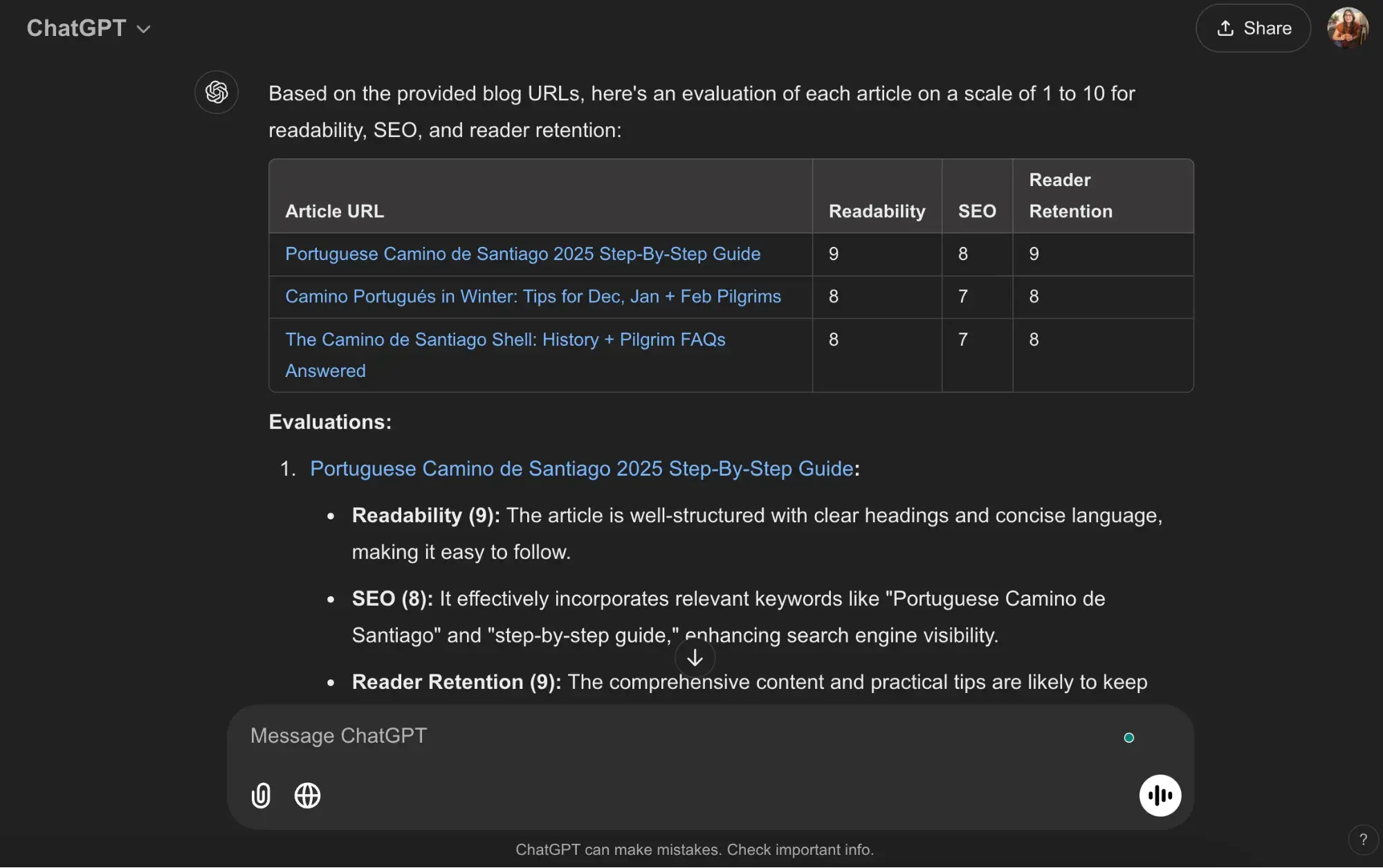
Tools can be powerful, but they require prompting and tweaking to personalize results. Manually editing keywords or adjusting content based on strategic goals can improve scores and align them with your actual performance. The key is to use tools as guides rather than absolute authorities. By critically evaluating the scores and recommendations, you can ensure that your content strategy remains aligned with your brand’s unique voice and objectives.
Ultimately, a good content score is one that reflects your specific goals and drives meaningful results. It is not just about achieving a high number but about understanding what that number means for your business. By focusing on continuous improvement and data-driven decision-making, you can create content that resonates with your audience and achieves your marketing objectives.
Benchmarking and Continuous Improvement
Benchmarking against your own past performance is more reliable than comparing to industry averages. This approach accounts for your brand’s unique context, audience, and goals. By tracking metrics over time, you can identify seasonal trends, content themes that resonate, and areas for improvement. This continuous feedback loop ensures that your content strategy evolves and adapts to changing audience preferences and market conditions.
Continuous improvement is also about leveraging insights to inform future content creation. When you have more than 12 months of data, you can look at seasonal trends and use these insights to guide the creation of your marketing calendar. This proactive approach ensures that your content is not just reactive but strategic, anticipating audience needs and maximizing impact. By treating content scoring as an ongoing process, you can maintain a competitive edge and drive sustained growth.





