The distinction between influencers and creators often blurs in casual conversation, yet for marketing professionals, the difference is critical. When we analyze content strategies, we see that not every person who produces digital media is an influencer. Understanding this separation allows brands to allocate resources more effectively. It also helps in choosing the right partner to achieve specific business goals. We often hear these terms used interchangeably, but they serve distinct functions in the modern marketing landscape. Recognizing the nuances between them can transform how you approach your audience. This clarity is essential for anyone looking to build a robust and authentic brand presence online.
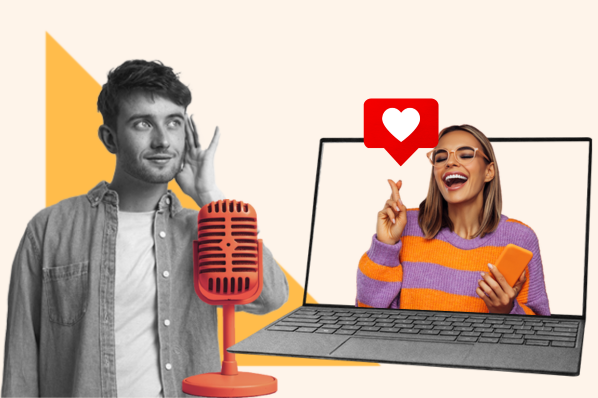
Content creation is the broader category here. It encompasses anyone who crafts media to entertain, educate, or inform their audience. This could be a YouTuber discussing anime, a blogger writing about personal finance, or a TikTok user sharing dance routines. The primary motivation for many creators is the act of creation itself, or perhaps a desire to share knowledge with a community. They may not have any commercial intent behind their posts. In contrast, influencers are defined by their ability to affect purchasing decisions. They build large followings specifically to promote products or services. Their content is often tied to brand partnerships, sponsored deals, or affiliate marketing. Every influencer is a creator, but not every creator is an influencer. This fundamental difference shapes how brands should engage with them.
-1.png)
The role of a content creator is to produce value through media. This value can take many forms, including videos, blog posts, podcasts, or social media updates. Creators focus on the quality and authenticity of their content. They build trust by being genuine and consistent in their output. For example, a creator might review a software tool they genuinely enjoy using, without any financial incentive to do so. Their recommendation carries weight because it feels unbiased. This authenticity is a powerful asset. Brands can leverage this by partnering with creators who align with their values, even if those creators don’t have massive followings. The goal is to tap into their credibility and niche expertise.
Influencers, on the other hand, operate more like traditional advertisers. They have cultivated an audience that trusts their recommendations enough to buy based on their word. Their content is designed to drive action, whether that’s clicking a link, visiting a store, or making a purchase. They often have formal agreements with brands, including disclosure requirements. This commercial aspect is central to their identity. While they also create content, the end goal is typically conversion. Understanding this difference helps marketers decide whether they need brand awareness (influencers) or authentic storytelling (creators). Both have their place, but the strategy differs significantly.
When to Use Influencers in Your Marketing Strategy
Influencer marketing is particularly effective when you want to reach audiences that are resistant to traditional advertising. Many consumers, especially younger generations, actively avoid ads. They use ad blockers, skip video commercials, and ignore banner ads. Influencers provide a workaround to this ad fatigue. Their recommendations feel more personal and trustworthy than corporate messaging. According to recent data, a significant majority of consumers trust influencers more than they trust information coming directly from brands. This trust translates into higher engagement and conversion rates. If your goal is to drive sales or increase brand awareness among skeptical audiences, influencers are a strong choice.
Reaching Gen Z Through Trusted Voices
Generation Z has a unique relationship with advertising. They are highly skeptical of traditional marketing tactics. Research shows that nearly all Gen Z consumers will skip an advertisement if given the option. They prefer content that feels authentic and peer-driven. Influencers bridge this gap by integrating products into their daily lives in a way that feels natural. When an influencer recommends a product, it feels like advice from a friend rather than a sales pitch. This approach resonates deeply with Gen Z. They are more likely to buy a product based on an influencer’s recommendation than a traditional ad. Brands that want to capture this demographic need to think beyond standard advertising and embrace influencer partnerships.
The effectiveness of influencers with Gen Z is not just about reach. It’s about relevance. Influencers often understand the cultural nuances and trends that matter to this generation. They can adapt brand messages to fit the context of their content. This cultural fluency is hard to replicate with traditional marketing. By partnering with influencers, brands can tap into this understanding. They can present their products in a way that feels current and engaging. This strategy helps brands stay relevant in a fast-changing digital landscape. It also builds long-term loyalty among young consumers who value authenticity.
Maximizing ROI with Micro-Influencers
Working with influencers doesn’t always require a massive budget. While celebrity influencers command high fees, micro-influencers offer a cost-effective alternative. Micro-influencers typically have between 10,000 and 100,000 followers. They may not have millions of views, but they often have higher engagement rates. Their audiences are smaller and more niche, allowing for deeper connections. This intimacy translates into higher trust and more impactful recommendations. Many marketers find that micro-influencers deliver a better return on investment than larger celebrities. They are also more accessible and easier to collaborate with. This makes them an attractive option for brands with limited budgets.
The rise of micro-influencers has changed the influencer marketing landscape. Brands no longer need to compete for the attention of mega-stars. They can focus on building relationships with creators who have a dedicated following in their specific industry. This approach allows for more targeted marketing. It also reduces the risk of partnering with someone whose audience doesn’t align with the brand’s target market. Micro-influencers are often more flexible and willing to create custom content. This flexibility can lead to more authentic and effective campaigns. For many businesses, this is the smartest way to enter the influencer marketing space.
Accessing Hard-to-Reach Platforms
Some social media platforms are particularly difficult for brands to penetrate directly. TikTok, for example, is driven by user-generated content and community trends. Traditional brand accounts often struggle to gain traction on such platforms. Influencers, however, are native to these spaces. They understand the algorithms and the culture. Partnering with an influencer can give your brand a foothold on these challenging channels. They can introduce your product to an audience that would otherwise ignore it. This is especially true for platforms where entertainment and authenticity are prioritized over polished corporate messaging.
A notable example of this strategy is Hershey’s collaboration with Twitch influencers. Twitch is a platform centered around live streaming and gaming. It’s not a traditional advertising space. By partnering with popular streamers, Hershey was able to reach a highly engaged audience in a natural setting. The influencers tasted the product live on stream, providing real-time reactions and recommendations. This approach felt organic and entertaining. It allowed Hershey to tap into a community that values genuine interaction over scripted ads. This kind of partnership can be highly effective for brands looking to expand their reach into new digital territories.
When to Use Creators in Your Marketing Strategy
Content creators are ideal when your goal is to build brand authority and provide value. They excel at creating educational, entertaining, or informative content that resonates with audiences. Unlike influencers, their primary focus is not always on driving immediate sales. Instead, they aim to engage their audience through quality content. This makes them perfect for long-term brand building. By collaborating with creators, you can enhance your brand’s image as a thought leader or a helpful resource. This approach fosters trust and loyalty over time. It’s less about quick conversions and more about sustained engagement.
Building Authentic Brand Narratives
Creators are skilled at storytelling. They can craft narratives that align with your brand’s values and mission. This storytelling can be more subtle and nuanced than typical advertising. It allows your brand to connect with audiences on an emotional level. For instance, a creator might produce a video series about sustainable living, incorporating your eco-friendly products naturally into the discussion. This approach feels less like an ad and more like valuable content. It positions your brand as part of a larger conversation. This type of integration can significantly boost brand perception and goodwill.
Authenticity is key when working with creators. Audiences can detect when content feels forced or insincere. Creators who are passionate about their niche are more likely to produce genuine content. They understand what their audience cares about and how to communicate effectively. By choosing creators who genuinely align with your brand, you ensure that the partnership feels natural. This alignment enhances the credibility of both the creator and your brand. It also leads to more meaningful interactions with your audience. The result is a stronger, more loyal community around your brand.
Diversifying Content Formats
Content creators come in many forms, each with unique strengths. Bloggers can write in-depth articles that improve your SEO. Videographers can produce high-quality videos for your website or social media. Graphic designers can create visually appealing assets for your campaigns. By working with different types of creators, you can diversify your content strategy. This variety keeps your audience engaged and caters to different preferences. It also allows you to reach people across multiple channels. A multi-format approach ensures that your brand message is consistent and comprehensive. It maximizes the impact of your marketing efforts.
Hiring creators in-house or collaborating with freelancers can provide flexibility. You can tailor the content to your specific needs and schedule. This control allows for better alignment with your marketing calendar. It also enables you to respond quickly to trends or news. In-house creators can develop a deep understanding of your brand voice. This consistency is valuable for maintaining a strong brand identity. Freelance creators, on the other hand, bring fresh perspectives and specialized skills. Combining both approaches can yield a dynamic and effective content strategy. This flexibility is crucial for staying competitive in a fast-paced digital environment.
Strategic Integration of Creators and Influencers
The most effective marketing strategies often combine both creators and influencers. Each plays a unique role in the customer journey. Creators can build awareness and educate potential customers. Influencers can then drive conversions and sales. By using both, you cover all bases of the marketing funnel. This integrated approach ensures that you’re not missing out on any opportunities. It allows for a more holistic and impactful campaign. Coordination between the two is key to success. You need a clear plan that defines the role of each partner.
Coordinating Campaigns for Maximum Impact
To coordinate creators and influencers effectively, start with clear objectives. Define what you want to achieve with each partnership. Are you looking for brand awareness, lead generation, or sales? Once you have your goals, select partners who align with those objectives. Creators should be chosen for their ability to produce high-quality, relevant content. Influencers should be selected for their reach and ability to drive action. Ensure that their messages are consistent with your brand voice. This consistency reinforces your brand identity across different touchpoints. It also prevents confusion among your audience.
Timing is another critical factor. Launch your creator content first to build interest and educate your audience. Follow up with influencer campaigns to capitalize on that interest. This sequence creates a natural flow from awareness to action. It leverages the strengths of both types of partners. For example, a creator might publish a blog post about the benefits of a product. An influencer can then share a personal testimonial or review. This combination provides both information and social proof. It makes a compelling case for your audience to engage with your brand.
Measuring Success Across Both Channels
Measuring the success of a combined strategy requires tracking different metrics. For creators, focus on engagement rates, time spent on content, and shareability. These metrics indicate how well your content is resonating with the audience. For influencers, look at conversion rates, click-through rates, and sales. These metrics show the direct impact on your bottom line. Using a mix of qualitative and quantitative data gives you a complete picture. It helps you understand the full value of your partnerships. Adjust your strategy based on these insights to optimize future campaigns.
Regularly review your performance data to identify what’s working and what’s not. Be prepared to pivot if certain tactics aren’t delivering results. Flexibility is important in marketing. The digital landscape is constantly changing. What works today might not work tomorrow. By staying agile and data-driven, you can adapt to new trends and opportunities. This approach ensures that your marketing efforts remain effective and relevant. It also helps you maximize your return on investment over time.
Building Long-Term Relationships
Finally, focus on building long-term relationships with both creators and influencers. One-off campaigns can be effective, but ongoing partnerships yield greater benefits. Long-term collaborations allow for deeper integration of your brand into their content. They also foster a stronger sense of authenticity. Audiences can see that the partnership is genuine and sustained. This consistency builds trust and loyalty. It also makes it easier to coordinate future campaigns. Invest in these relationships. Treat your partners as extensions of your marketing team. This mindset leads to more successful and sustainable outcomes.
By understanding the distinct roles of creators and influencers, you can craft a more nuanced and effective marketing strategy. Whether you choose one, the other, or both, the key is alignment with your goals and audience. Thoughtful planning and execution will help you achieve your desired results. Consider how these insights apply to your current initiatives. Are you leveraging the right partners for the right objectives? This reflection can guide your next steps in building a robust digital presence.





