Understanding the Shift from Content Creation to Content Distribution


The prevailing wisdom that high-quality content alone guarantees audience discovery is obsolete. Today’s digital environment is saturated with information, making visibility scarce and attention even more elusive. Industry data confirms that B2B and B2C marketers are producing more content than ever before, yet many brands waste investments because their assets go unseen. The core challenge has shifted from creation to ensuring content reaches the right people at the right time.
An integrated promotion strategy bridges the gap between creating content and marketing it. It requires actively promoting assets across multiple channels to build relationships and influence audiences effectively. This approach ensures every piece of work delivers a measurable return on investment. By balancing paid, earned, and owned media, brands cut through the noise. This is particularly critical in the age of generative search, where visibility depends on authority, distribution, and engagement across the digital ecosystem rather than just keywords.
Why Promotion Matters More Than Ever

Passive distribution is no longer viable. Marketers must actively amplify reach and engagement to serve the right content to the right audience. Consider the difference between a library and a billboard: a library holds vast information but remains unused until sought out, while a billboard intercepts attention by design. Integrated promotion turns your content into that billboard, ensuring it is seen by those who need it most. This shift from content marketing to marketing content is critical for modern success.
Defining Your Media Mix: Paid, Earned, and Owned Channels
A truly integrated promotion strategy relies on a balanced mix of converged media. Deploying paid, earned, and owned tactics in unification maximizes impact. Each channel serves a distinct purpose with different levels of control, cost, and potential return. Understanding these distinctions is the first step in building an effective strategy.
Paid media involves paying to access new audiences through native advertising, social media ads, or sponsored content. It offers high targeting and control, allowing you to decide who sees your content and when. Paid tactics are useful for generating immediate returns, such as impressions, traffic, or conversions. Generally, higher investment yields greater reach.
Earned media is promotion earned rather than paid for, including press coverage, social shares, influencer mentions, and backlinks. It builds credibility and trust, offering potential for the greatest returns. However, it offers the least control and predictability, as you cannot force journalists or influencers to share your content.
Owned media leverages a brand’s own channels, such as websites, email newsletters, and social profiles, to reach an existing audience. It allows for intentional, personalized messaging to people already familiar with your brand. Owned media offers the highest level of targeting and control, serving as the foundation for paid and earned efforts.
Balancing the Three Pillars
Striking the right balance is crucial. Relying too heavily on paid media can become expensive and unsustainable. Depending solely on earned media leads to inconsistent results and slow growth. Neglecting owned media means failing to nurture your existing audience. An integrated strategy uses owned media to build a base, paid media to accelerate reach, and earned media to build authority. This synergy ensures content is visible, credible, and engaging across the entire customer journey.
Researching Influencers and Publishers Before Creation
Before creating content, understand the landscape of publishers and individuals who influence your target audience. This research phase is often overlooked but essential for effective promotion. Tools like Buzzsumo, Sharetally, Followerwonk, Social Crawlytics, and HubSpot’s Social Inbox can guide your creation and placement strategy.
The goal is to identify optimal paid and earned promotion opportunities that provide access to your prospects. By understanding who your audience trusts and where they consume information, you can tailor content to meet their expectations. This insight allows you to build relationships with influencers and vendors before your content is live. These early connections can act as sounding boards or contributors, increasing relevance and impact.

This proactive approach ensures content is not created in a vacuum. It is designed with distribution in mind from the start. By identifying key industry players, you can anticipate how content might be received and shared. This preparation reduces guesswork and increases the likelihood of success.
Leveraging Research for Strategic Placement
Research should inform not just who you target, but how you craft your message. If your audience values data-driven insights, your content should reflect that. If they prefer storytelling, your narrative should be compelling and relatable. This alignment between content and audience preferences is key to earning shares and links. It also helps select the right paid channels, ensuring advertising budgets are spent on platforms where your audience is most active.
Planning Your Campaign: Goals, Budget, and Timing
Once promotion opportunities are identified, plan your campaign by setting clear goals, allocating a budget, and determining timing. Each element plays a critical role in the success of your integrated promotion strategy.
First, define your goals. Determine if success will be measured by impressions, qualified traffic, social shares, on-site conversions, or a combination. Knowing your key performance indicators (KPIs) from the outset simplifies measurement and keeps your team aligned. Clear goals help determine which channels are most likely to deliver desired results.
Second, consider your budget. Determine how much money is available specifically for content promotion. This budget affects your integrated promotion mix across paid, earned, and owned channels. A smaller budget may mean relying more on owned and earned media, while a larger budget allows for greater investment in paid tactics to gain traction quickly with new audiences. Allocate resources wisely to maximize return on investment.
Third, plan your timing. Timing is critical, especially for time-sensitive campaigns tied to seasonality or industry events. All campaigns must be considered within the entire timeframe of research, planning, production, and promotion. Timing for earned media efforts can be challenging, as you are often at the mercy of someone else’s content calendar. Planning ahead helps navigate these constraints and ensures content is released when it can have the greatest impact.
Synchronizing with Existing Efforts
Synchronize your promotion with existing marketing efforts. Check for other campaigns running simultaneously to maximize outcomes. For example, if your sales team is launching a new product, your content promotion can support that effort by driving awareness and interest. Conversely, avoid certain channels or influencers if they are already saturated with your message. Coordination across teams ensures a cohesive brand experience and prevents message fatigue.
Executing Your Integrated Promotion Strategy
With research and planning complete, execute your promotion strategy by deploying content across chosen channels. A content promotion decision tree can help determine best practices based on your timeframe, budget, and goals.
Start by launching owned media efforts. Share content through email newsletters, social media channels, and your website. Engage with your audience by asking questions, encouraging comments, and responding to feedback. This initial push builds momentum and creates a base level of engagement that amplifies paid and earned efforts.
Next, activate paid media channels. Use your budget to promote content to targeted audiences on social media, search engines, and industry publications. Monitor campaigns closely to ensure performance. Adjust targeting, messaging, and budget allocation as needed to optimize results. Paid promotion provides a quick boost in visibility, helping content reach new audiences who may not have discovered it otherwise.
Finally, pursue earned media opportunities. Reach out to influencers, journalists, and industry leaders to share your content. Highlight why it is valuable to their audience and how it aligns with their interests. Building these relationships takes time and effort, but the rewards are significant. Earned media expands reach and enhances credibility and authority in your industry.
Monitoring and Adjusting in Real-Time
Execution is not a set-it-and-forget-it process. Monitor campaigns in real-time to identify what is working and what is not. If a particular channel is underperforming, consider reallocating resources to more successful channels. If an influencer engagement is gaining traction, amplify it with additional promotion. Flexibility and responsiveness are key to maximizing the impact of your integrated promotion strategy.
Measuring Success: Analytics and Tracking
Measurement is essential for proving the value of your efforts and identifying areas for improvement. Follow simple best practices to ensure accurate tracking and analysis.
First, use analytics software. Regardless of the tool—Google Analytics, Site Catalyst, Moz, HubSpot, or another platform—set up campaigns and monitor them accordingly. Regularly pull reports to analyze performance. Look at metrics such as traffic, engagement, conversions, and return on ad spend. Use these insights to adjust your strategy and optimize future campaigns.
Second, use tagged or tracking URLs. These are an analyst’s best friend, simplifying the tracking of multiple ongoing cross-channel campaigns within your analytics software. By appending unique parameters to your URLs, you can distinguish between traffic from different sources, such as email, social media, and paid ads. This granularity allows you to understand which channels are driving the most value and where to focus efforts.
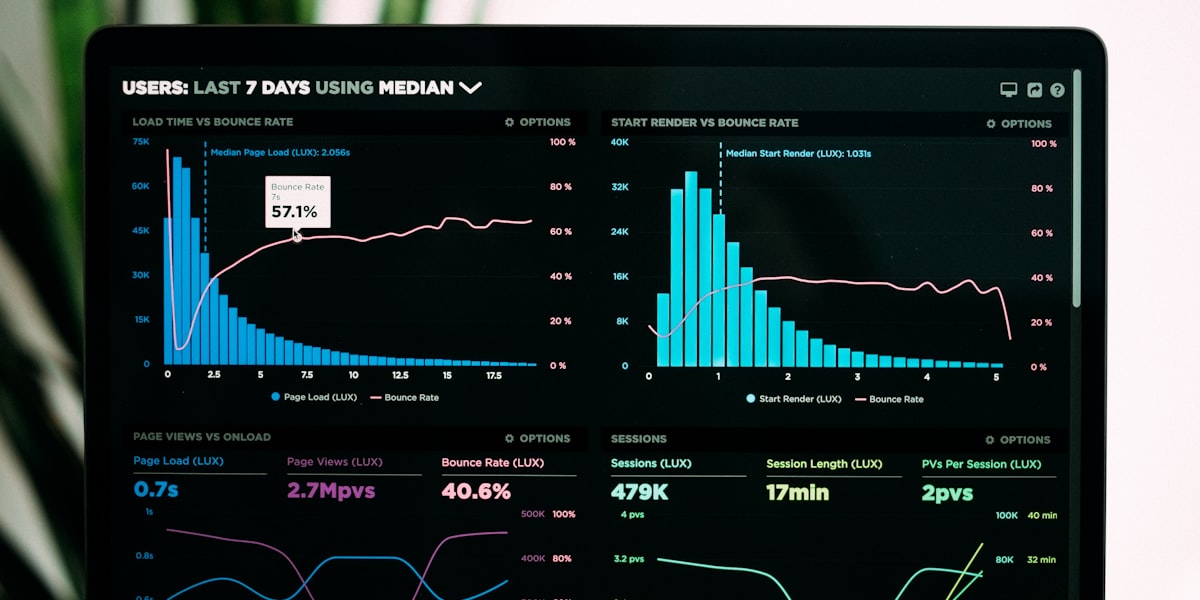
Third, monitor social performance. Tools like Buzzsumo and Sharetally can examine content engagement levels via social networks. Track metrics such as shares, likes, comments, and mentions. These indicators provide insight into how your audience is responding to your content and which pieces are resonating most. Social performance can also inform your earned media strategy, as highly shared content is more likely to attract attention from influencers and journalists.
Iterating Based on Data
Measurement is not just about reporting past performance; it is about informing future decisions. Use the data you collect to iterate on your strategy. If certain types of content perform better than others, create more of that content. If certain channels drive higher-quality leads, allocate more budget to those channels. Continuous optimization based on data is key to long-term success in content promotion.
Embracing the Future of Content Marketing
The shift from content marketing to marketing content is a fundamental change in how businesses approach visibility and engagement. An integrated promotion strategy bridges the gap between creation and distribution, ensuring content reaches the right audience and achieves its goals. By balancing paid, earned, and owned media, conducting thorough research, planning carefully, executing effectively, and measuring rigorously, you can maximize the impact of your content investments.
As we move forward, the importance of this integrated approach will only grow. With the rise of generative search and AI-driven content discovery, visibility is becoming even more competitive. Brands that fail to adapt risk being left behind. Those that embrace integrated promotion will be better positioned to build relationships, influence their audience, and drive meaningful results.
Evaluate your current content strategy and consider how you can enhance it with integrated promotion. Start by auditing your media mix and identifying gaps. Then, develop a plan that aligns with your goals, budget, and audience. By taking these steps, you can ensure that your content not only exists but thrives in the digital landscape.
What does your current promotion strategy look like? Are you leveraging all three pillars of media effectively? These are questions worth asking as you strive to maximize the value of your content in an increasingly crowded market.





