The question of who qualifies as a content creator has shifted from a niche designation to a broad, societal label. If you have ever shared a thought, a photo, or a video on a social platform, you have likely participated in the creation of digital material that others consume. We examine whether this term, which once implied a specific professional status, has become a universal descriptor for anyone engaging with digital media.
Recent data highlights how pervasive this identity has become. Research indicates that nearly 50% of millennials and 46% of Gen Z identify as content creators. This statistic suggests that for many, creating content is no longer an isolated professional pursuit but a fundamental aspect of how we interact with the world. While a large portion of these individuals maintain smaller audiences—with nearly half reporting fewer than 5,000 followers—the act of publication remains the primary driver of this self-identification.
The rise of this identity is tied to the ubiquity of social platforms that encourage constant participation. Where once media was a one-way street—from broadcaster to audience—the current environment relies on a cycle of feedback, remixing, and original contribution. This shift has turned passive consumers into active participants, fundamentally altering the social contract between platforms and their users.
Redefining the Professional Creator
Defining a content creator involves looking at the intent behind the material produced. A content creator is an individual who produces entertaining or educational material that caters to the interests and challenges of a target audience. When we remove the requirement for massive follower counts or commercial success, the definition becomes inclusive. It encompasses everyone from casual social media users to those building professional brands online.
The Spectrum of Professionalism
Industry experts often draw parallels between the creator economy and other professional fields. Just as one might distinguish between an amateur athlete and a professional athlete, we can differentiate between hobbyist creators and professional creators. The primary distinction is often the ability to generate a full-time income from one’s output. By this logic, the term content creator is not a status to be gatekept, but a role that exists across a spectrum of professional commitment and financial success.
Why Intent Matters
The difference between a casual post and professional content production often boils down to intentionality. A hobbyist might post for personal satisfaction or social connection, whereas a professional creator approaches their work with a specific goal, such as education, community building, or revenue generation. Understanding this distinction helps clarify why so many people feel comfortable adopting the label, even if their output is not their primary source of income.
Common Misconceptions
A common mistake is assuming that content creation requires high-level production values or a massive budget. In reality, the most successful creators often prioritize the substance of their message over the polish of their presentation. This mindset allows for a more accessible entry point, where the value lies in the unique perspective or expertise provided rather than the technical quality of the video or image.
Practical Steps for Aspiring Creators
For those looking to transition from hobbyist to professional, the process involves a few key steps: identifying a specific niche, understanding the pain points of the target audience, and developing a consistent cadence for output. By focusing on these elements, individuals can begin to treat their digital presence as a serious venture, regardless of their current follower count or monetization status.
The Shift Toward Personal Brand Building
We are seeing a trend where professionals across all sectors—doctors, CEOs, and consultants—are adopting the strategies once reserved for social media influencers. This shift is driven by the necessity of building an online presence in an increasingly digitized society. As we live more of our lives online, the ability to cultivate a digital profile becomes a vital skill set for success in almost any career path.
This movement is not just about vanity; it is about establishing authority and trust. When professionals share their expertise in an accessible format, they are engaging in content creation that provides value to their peers and potential clients. Whether this takes the form of short-form educational videos, LinkedIn articles, or industry commentary, the underlying goal remains the same: to connect with an audience through meaningful, relevant information.
The Democratization of Digital Influence
Access to content creation tools has lowered the barrier to entry significantly. In the past, becoming an influencer required high-end equipment, professional editing teams, and a specific level of fame. Today, anyone with a smartphone can contribute to the global conversation. This democratization has fostered a more diverse landscape where voices that might have been ignored by conventional media can now find an audience.
| Feature | Traditional Media Era | Modern Creator Era |
|---|---|---|
| Barrier to Entry | High (Gatekeepers) | Low (Self-publishing) |
| Required Tools | Specialized/Expensive | Smartphone/Laptop |
| Audience Reach | Mass/Broadcast | Targeted/Niche |
| Content Style | Polished/Produced | Authentic/Spontaneous |
The Value of Authenticity
This accessibility has changed what audiences value. Data shows that 38% of consumers find relatable content to be the most memorable. Authenticity has replaced high-production value as the primary currency of engagement. Audiences are no longer looking for a single, curated version of reality; they are seeking out creators who mirror their own distinct experiences and challenges.
How Accessibility Impacts Diversity
Because the cost of entry is so low, individuals from diverse backgrounds can share perspectives that were previously excluded from mainstream media. This has led to a richer, more varied digital landscape where niche communities can thrive. The ability to find an audience based on shared interests rather than geographic proximity is a key driver of this cultural shift.
Challenges of the Open Market
While the barrier to entry is low, the market is becoming increasingly saturated. With millions of people identifying as creators, the competition for attention is intense. Maintaining an audience requires consistent effort and a clear understanding of one’s niche. The creator economy is projected to grow substantially, yet the reality for many is that the work is demanding, requiring a constant stream of content to remain relevant.
Strategies for Long-Term Success
For those entering this space, the advice remains consistent: pick a niche, select a platform, and focus on sustainable volume. The goal is not necessarily to go viral, but to build authentic relationships with an audience that values your specific perspective. As platforms continue to compete for creators, they are providing more tools to facilitate income, further professionalizing the space for those who choose to treat it as a career.
The Future of Digital Engagement
As we look forward, the distinction between a consumer and a creator will likely continue to blur. Every user who leaves a comment, shares a post, or records a reaction is contributing to the fabric of the internet. Brands and businesses are recognizing this, shifting their strategies to partner with creators of all sizes, from micro-influencers to industry experts, to reach highly engaged segments of the market.
The Role of Community
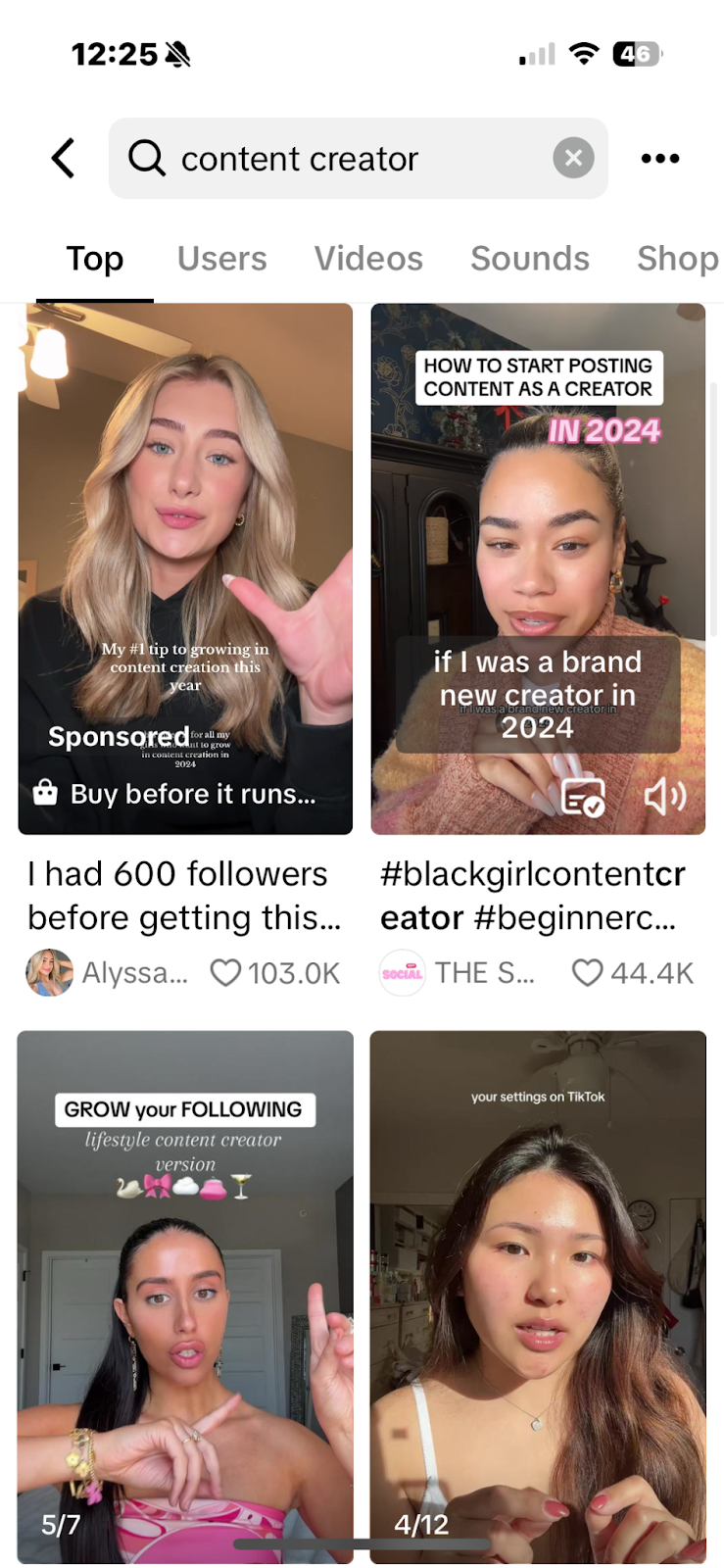
Ultimately, the value of content lies in its ability to connect. Whether you are creating for an audience of ten or ten million, the act of sharing information and perspective remains a powerful tool for building influence and community. The digital landscape is no longer a top-down structure; it is a collaborative space where everyone has the potential to contribute and be heard.
Business Integration
For businesses, the rise of the individual creator represents a shift in marketing strategy. Instead of relying solely on traditional advertising, companies are finding success by collaborating with creators who have already established trust with their audiences. This creates a more organic form of promotion that feels less like a sales pitch and more like a recommendation from a peer.
Sustaining the Ecosystem
Success in this environment requires an honest approach, a commitment to consistency, and a deep respect for the time and attention of your audience. As you consider your own role in this ecosystem, ask yourself what unique value you can provide and how you can use your platform to build meaningful, lasting connections. The future of the internet is not just about the content we consume, but about the conversations we start and the communities we nurture together.





