Understanding Lead Conversion in Modern Marketing
Lead conversion is the process of transforming a potential interest into a paying customer. It is distinct from lead generation, which focuses on acquiring contact information. Conversion is about nurturing that interest through targeted engagement until a purchase occurs. This process involves both marketing and sales teams working in tandem to guide prospects through various stages of readiness.

A prospect typically moves through several phases before becoming a customer. They begin as a raw lead, evolve into a marketing-qualified lead (MQL), and eventually become a sales-qualified lead (SQL). Each stage requires specific nurturing tactics. Behavior automation, retargeting, and email campaigns are common tools used to maintain engagement. The goal is to provide value at every touchpoint, building trust and demonstrating relevance to the prospect’s needs.
No two businesses have identical conversion processes. The path depends on the industry, the product complexity, and the customer journey. Understanding your specific audience is crucial. You need to know where they are in their decision-making process and what information they require to move forward. This understanding allows you to tailor your approach rather than using a one-size-fits-all method.

The shift toward AI-driven search and content discovery adds another layer to this process. As users interact with brands through AI interfaces, the definition of a “lead” may evolve. Brands must ensure their content is structured to be understood by both humans and AI systems. This means providing clear, authoritative answers to common questions. It also means tracking how users interact with content across different platforms.
Building an Effective Lead Conversion Process
A structured approach is essential for consistent results. The first step is gathering comprehensive data on your leads. This includes information such as their source, industry, company size, and specific pain points. Without this data, any strategy you build is based on assumptions rather than facts. You need to understand who your leads are and what they are trying to achieve.
Marwa Greaves, Director of Global Messaging at HubSpot, emphasizes the importance of meeting leads where they are. She notes that wasting time on a strategy not aligned with audience behavior is a common mistake. You should identify whether your leads are most active in newsletters, on your website, or through messaging channels. Adapting your strategy to their preferred channels increases engagement.
Jordan Pritikin, Head of Email and Growth Marketing at HubSpot, highlights the need to understand the underlying problem leads are trying to solve. If you can create email nurturing sequences that address these challenges, you are more likely to connect with them. This connection builds the trust necessary for conversion. If you lack this information, use forms and user research to fill the gaps.
Identifying High-Intent Behaviors
Determining when a lead is ready to purchase is critical. High-intent behaviors signal readiness. For example, a lead who visits your pricing page is likely further along than one who only reads blog posts. Sending unqualified leads to sales teams can result in wasted effort and frustrated prospects. You need to define what constitutes high-intent behavior for your specific business.
Collaborate with your sales team to establish these signals. Low-intent behaviors might include downloading a general ebook, while high-intent behaviors could include scheduling a demo or requesting a quote. Clearly defining these behaviors allows marketers to take appropriate follow-up actions. It also helps sales teams prioritize their efforts.
| Behavior Type | Example Actions | Follow-Up Action |
|---|---|---|
| Low-Intent | Blog post view, newsletter sign-up | Automated educational email |
| Medium-Intent | Webinar attendance, feature comparison | Personalized case study |
| High-Intent | Pricing page visit, demo request | Sales call, direct outreach |
Aligning Sales and Marketing with an SLA
Alignment between sales and marketing is non-negotiable. A service-level agreement (SLA) helps formalize this partnership. An internal SLA outlines the goals, initiatives, and accountability measures for both teams. It establishes a handoff cadence that works for everyone involved. For instance, marketing might commit to delivering 100 qualified leads per month, while sales commits to following up within 48 hours.
This agreement should be reviewed regularly as priorities change. It ensures both teams are on the same page regarding lead quality and expectations. Without an SLA, leads can fall through the cracks, and frustration can build between departments. Clear communication and shared goals are the foundation of a successful conversion strategy.
Designing the Conversion Path
Think of your conversion path as a guided journey. It should include offers and calls-to-action (CTAs) that provide opportunities for leads to take the next step. Each step should build on the previous one, moving the lead closer to a purchase. The path should be logical and easy to navigate.
Consider a fictional SaaS company, Zion. Their marketing team sends qualified leads to sales based on an SLA. They have identified high-intent behaviors that trigger automated emails. When a lead reaches a specific score, they receive an invitation to schedule a demo. The sales rep receives a notification with lead details and a follow-up timeline. If the lead does not respond, an automated email is sent on behalf of the rep. This seamless integration ensures no lead is overlooked.
Calculating and Benchmarking Lead Conversion Rates
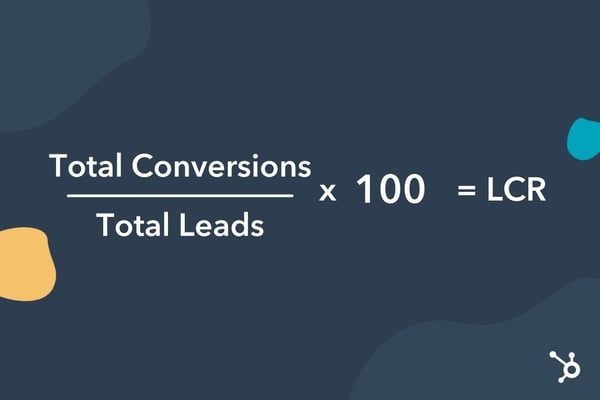
Calculating your lead conversion rate (LCR) is straightforward. Divide the number of conversions by the total number of leads and multiply by 100. For example, if you generated 105 leads and 20 became customers, your LCR is 19.04%. This metric provides a snapshot of your effectiveness.
However, average lead conversion rates vary widely across industries. There is no single benchmark that applies to everyone. Instead, look at conversion rates at a more granular level. Analyze performance by channel, such as email versus landing pages. Also, examine conversion rates by stage, such as MQL-to-SQL. This detailed analysis reveals where your process is strong and where it needs improvement.
Tracking these metrics over time is crucial. A sudden drop in conversion rates may indicate a problem with your messaging, your website, or your sales process. Consistent monitoring allows you to identify trends and make data-driven adjustments. It also helps you understand the impact of changes you make to your strategy.
Strategies to Enhance Lead Conversion
Implementing behavior automation is one of the most effective strategies. Automation saves time and scales well. When a lead exhibits a specific behavior, such as reviewing testimonials, you can trigger a follow-up email. This email could offer a free trial or a product demo. Behavior-based emails tend to perform better than generic automated messages.
Marwa Greaves suggests thinking beyond just pricing page views. Views of customer stories or reviews can also signal interest. Here are some behaviors that benefit from automation:
- Reviewing your pricing page
- Scheduling a product demo
- Signing up for a free trial
- Engaging frequently with email marketing
- Inquiring about product features via chatbot
- Downloading high-intent content offers
Nurturing Leads Through Email
Email nurturing involves engaging leads with relevant and valuable information. The goal is to build a relationship that leads to a purchase. Use the data you have collected to personalize your emails. Address leads by name and tailor content to their specific interests and challenges.
Segmentation is key to effective email nurturing. Different segments require different messages. For example, new leads might need educational content, while mature leads might need case studies or testimonials. Automation software can help trigger actions based on email engagement, ensuring leads receive the right message at the right time.
Leveraging Social Proof
Social proof influences decision-making. Customer testimonials, reviews, and user-generated content provide evidence of your brand’s value. These elements are particularly effective when leads are in the decision-making stage. They help alleviate concerns and build trust.
Incorporate social proof into your landing pages, pricing pages, and email campaigns. Showcasing real customer experiences can nudge hesitant leads toward a purchase. It demonstrates that others have found value in your offerings, reducing the perceived risk for new prospects.
Using Lead Scoring
Lead scoring helps align sales and marketing on lead quality. It assigns points to actions taken by leads, indicating their position in the funnel. This system helps marketers identify which leads are ready for sales engagement. It also helps sales reps prioritize their efforts.
A well-qualified lead is more likely to convert. Lead scoring ensures that both teams use the same criteria for qualification. This consistency improves efficiency and reduces friction between departments. It also provides a clear view of your pipeline health.
Retargeting Through PPC
Retargeting reaches leads who have shown interest but not yet purchased. It reintroduces your brand and offers relevant content or promotions. This strategy keeps your brand top-of-mind and can bring leads back into the conversion path.
With the decline of third-party cookies, first-party data becomes even more important for retargeting. Use the data you collect directly from your website and email campaigns to create targeted ads. This approach respects privacy while still delivering personalized messages.
Increasing Lead Conversion Through Experimentation
If your conversion rates are low, start with analytics. Examine your conversion path over time to identify trends. Determine if the low rate is a recent issue or a consistent pattern. If it is recent, identify what changed. If it is consistent, you may need to overhaul your strategy.
Look for drop-offs in your conversion path. Are leads abandoning forms? Are they leaving after visiting a specific page? Analyze the difference between high-performing and low-performing CTAs. Friction in your forms, such as length or field order, can cause drop-offs. Addressing these issues can improve conversion rates.
Defining High-Intent Behaviors
Many brands struggle with lead qualification. Marketing may send leads to sales that are not ready for engagement. This misalignment wastes time and resources. Work with your sales team to define what high-intent behavior looks like for your business.
Create a comprehensive list of high-intent and low-intent behaviors. Use this list to segment leads and guide your nurturing efforts. This process ensures that sales receives leads that are genuinely ready to purchase. It also helps marketing focus on activities that drive real results.
Experimenting with the Conversion Path
Your conversion path should be treated as a living entity. It requires continuous improvement and adaptation. Leads’ interests and decision-making processes change over time. Your strategy should evolve with them.
Marwa Greaves notes that lead conversion requires experimentation. You will not succeed with a static strategy. Create a process for testing every part of your funnel. This experimentation provides insights into your leads’ preferences and your internal processes. Each test brings you closer to optimizing your conversion path.
Automating Nurturing Workflows
Automation is essential for scaling your lead nurturing efforts. Manual processes do not scale well and are prone to errors. Automation allows you to maintain personalization while saving time and resources.
Set up workflows that trigger follow-ups based on lead behavior. This ensures no lead falls through the cracks. It also frees up your team to focus on high-value tasks. Automation streamlines the conversion process and improves efficiency.
Lead conversion is not a one-time effort. It requires ongoing strategy, collaboration, and experimentation. By focusing on data, alignment, and continuous improvement, you can build a robust conversion process. This process will help you turn more prospects into loyal customers.
What aspects of your current lead conversion process do you feel need the most attention?





