Transform Your Content Strategy with Question-Based Mapping
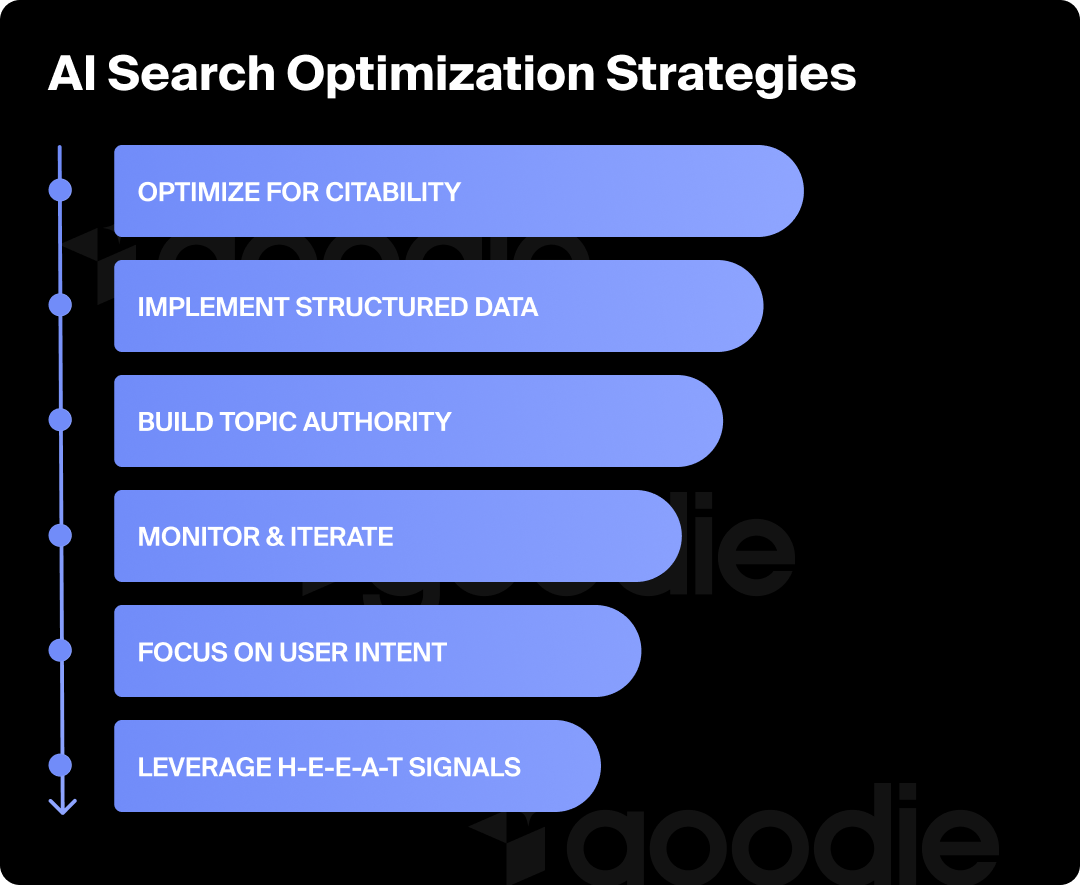
To move from passive brand monitoring to AI-engine dominance, your content must speak the language of conversational search. Start by auditing your existing library to identify “Answer Opportunity” gaps—where your site covers a topic but fails to provide a concise, direct response to common user queries.
- Audit for Gaps: Analyze your top-performing search terms and reframe them as questions. If you don’t have a clear, distinct answer for each, you have a gap.
- Re-title for Intent: Change headers to mirror the natural language queries users input into AI models (e.g., instead of “Product Benefits,” use “How does [Product] solve [Specific Problem]?”).
- Deploy Schema Markup: Use FAQPage schema to explicitly signal to AI crawlers that your content is structured as a question-and-answer set, making it more likely to be pulled into featured snippets.
Engineering ‘Citation Magnets’: Tools, Templates, and Calculators
AI models favor verifiable data points and utility over subjective prose. By providing tools that offer immediate value, you make it easier for AI algorithms to cite your site as a source of truth.
When you provide a tool—such as a specialized industry calculator or a downloadable template—you create a “definitive answer” resource. AI engines prioritize these because they offer quantifiable, hard data that adds legitimacy to the model’s output. Focus on building lightweight, interactive components that solve a single, high-frequency problem for your audience. These assets act as magnets for citations because they are objectively useful and easily referenced in AI-generated summaries.
Structuring Logical Paths for AI Crawlers via Internal Linking
AI crawlers need a clear roadmap to understand your site’s hierarchy and topic coverage. If your content exists as isolated, orphaned pages, the AI loses the context of your overall domain authority.
Develop content clusters that treat your website as a structured knowledge base. Use hierarchical internal linking to connect broad, foundational concept pages to granular, deep-dive answers. This linkage demonstrates to the AI that your site isn’t just one page on a topic, but a comprehensive authority on the subject. When every page connects logically to another, you reinforce your brand as the primary reference point.
Boosting Credibility Through Strategic Co-Branding and Syndication
AI algorithms rely on external signals to validate the credibility of your content. You can accelerate this validation by aligning your brand with established industry entities.
- Co-Publish Research: Partner with recognized industry leaders or research firms to co-author whitepapers. This links your brand with high-authority domains that the AI already trusts.
- Syndication: Distribute your data-backed insights across high-domain-authority platforms to signal relevance.
- Proactive Management: Monitor your brand mentions; if an AI model cites outdated or incorrect information about your company, create a new, authoritative piece of content that addresses the error and pushes it into the index for future crawling.
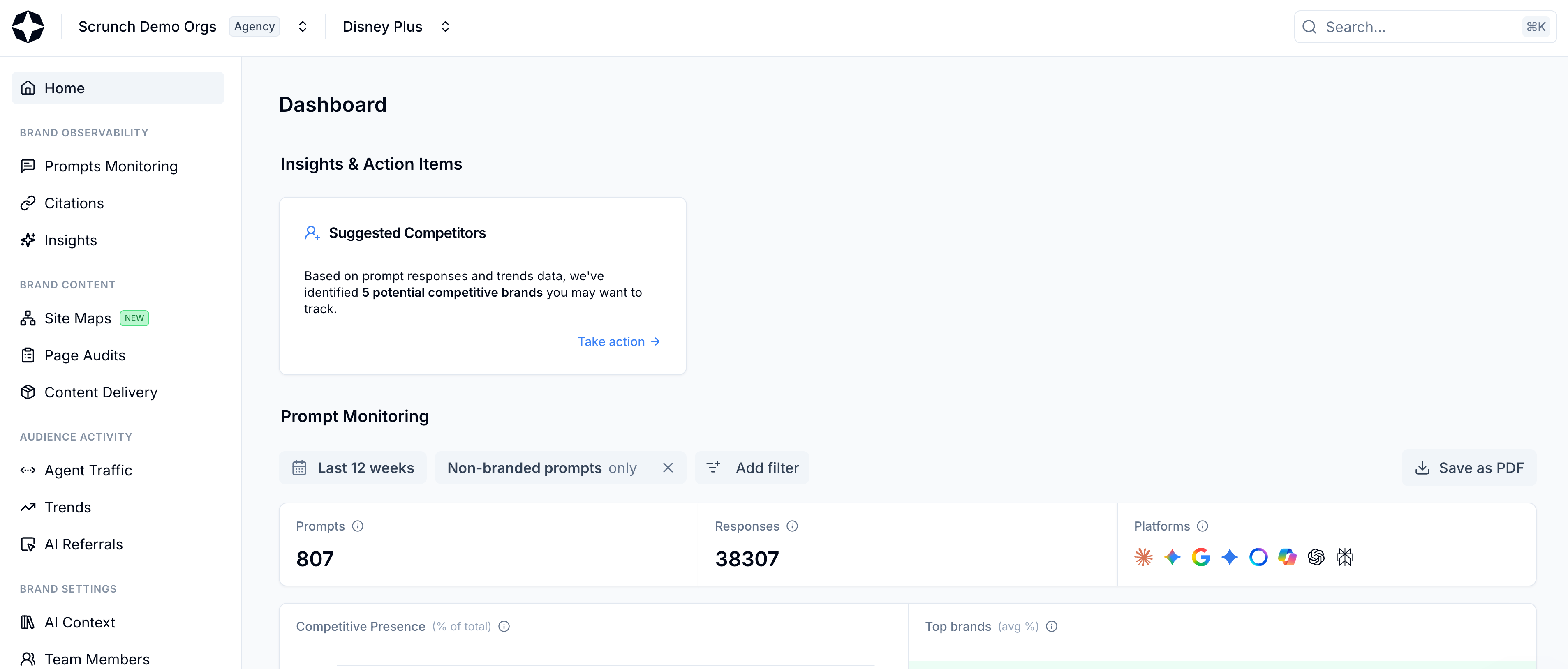
Measuring Success: A Tactical Framework for Tracking AI Brand Mentions
Tracking success in the AI era requires a departure from traditional keyword-ranking metrics. You need to focus on visibility within AI-generated responses.
- Differentiate Traffic: Distinguish between standard organic search traffic and referral traffic resulting from AI-engine citations.
- Monitor Frequency: Use tools that track brand-in-answer frequency for your target high-intent questions.
- Iterative Optimization: AI models are dynamic. Use the data from your monitoring tools to pivot your content based on what the AI currently highlights. If a specific section is consistently ignored by the model, reformat it for better clarity or data density, and observe the shift in your citation frequency.