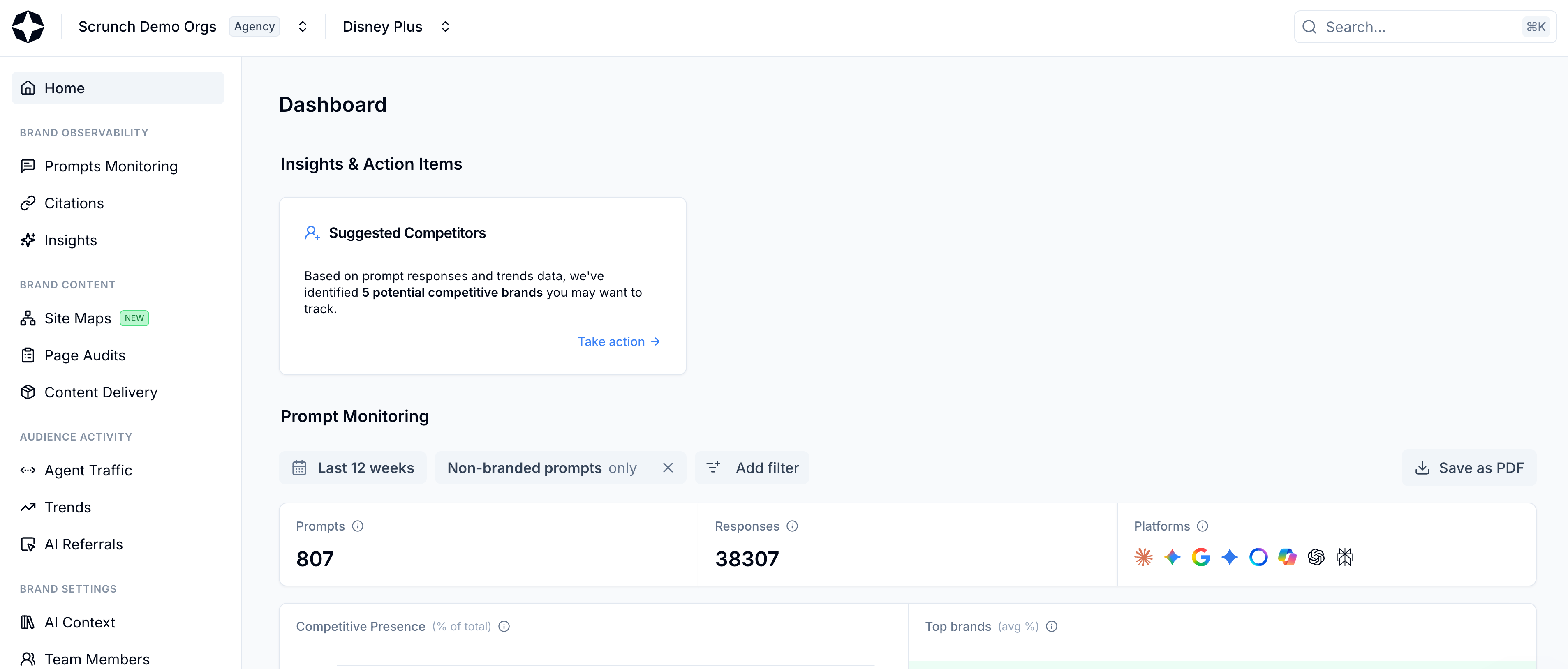
The Paradigm Shift: Decoding Generative Search Mechanics
The digital landscape has fundamentally shifted. Traditional SEO relied on chasing blue links and ranking signals, but the emergence of Answer Engine Optimization (AEO) demands a new approach. In the era of generative search, you are no longer just optimizing for search engine results pages; you are optimizing for AI-generated answers.
Large Language Models (LLMs) operate through Retrieval-Augmented Generation (RAG). They do not simply index pages; they process vast amounts of data to synthesize unique responses. Your content must be structured to feed these systems via Knowledge Graphs and semantic understanding. In this ecosystem, the “Zero-Click” result is the ultimate KPI, as users get the information they need directly within the chat interface, bypassing the traditional website journey entirely.
The 8 Core KPIs for AEO: Foundations vs. Expansion
To master AI-driven visibility, you must categorize your metrics into Foundations (the quality of your data) and Expansion (your brand’s influence within the model).
Foundation Metrics
- Content Reliability: The degree to which your content is factually grounded and free of hallucination triggers.
- Entity Accuracy: How consistently your brand, products, and key people are identified by NLP systems.
- Source Authority: The quality of external references pointing toward your domain, which models use to weight trustworthiness.
- Structured Data Completeness: The utilization of Schema markup that allows LLMs to “read” your site as a machine-readable entity.
Expansion Metrics
- Citation Velocity: The rate at which your brand’s content is referenced in new AI-generated answers over time.
- Sentiment Reach: A measure of how your brand is perceived across different AI interfaces (e.g., ChatGPT vs. Perplexity).
- Query-Response Relevance: The alignment between your content pillars and the specific questions being answered by LLMs.
- Concept Association: The strength of the “semantic link” between your brand and your primary industry keywords.
Citation Velocity is your most critical indicator; it proves that the model identifies your brand as a primary source of truth, directly impacting your placement in generated summaries.
Technical Architecture: The Engine Behind Your Metrics
Your technical maturity is the primary driver of AEO performance. If an AI cannot ingest your site efficiently, it cannot promote your brand.
- Schema Markup: Implement deep, nested JSON-LD to define your business as an entity.
- Entity-First Content: Ensure every piece of content clearly defines the primary entity, sub-entities, and their relationships to industry problems.
- Technical SEO Maturity: Core Web Vitals and crawlability remain vital. A site that is difficult for a bot to parse will be ignored by the RAG pipeline.
Operationalizing Attribution: Moving Beyond Traditional Analytics
You cannot manage AEO using legacy GA4 setups. You must evolve your analytics to capture the nuances of conversational search.
- Custom AI Channel Groupings: Create specific segments in your analytics to track traffic originating from AI-referred pathways or chatbot-referral sources.
- Sentiment-Weighted Reporting: Integrate NLP-driven sentiment analysis tools to provide context—not just where you are mentioned, but whether that mention is an endorsement.
- The Managerial Framework: Map your AEO KPIs to high-level business growth outcomes, such as brand equity shifts and reduction in Customer Acquisition Cost (CAC) through improved organic authority.
Developing Your AEO Strategic Pillar Framework
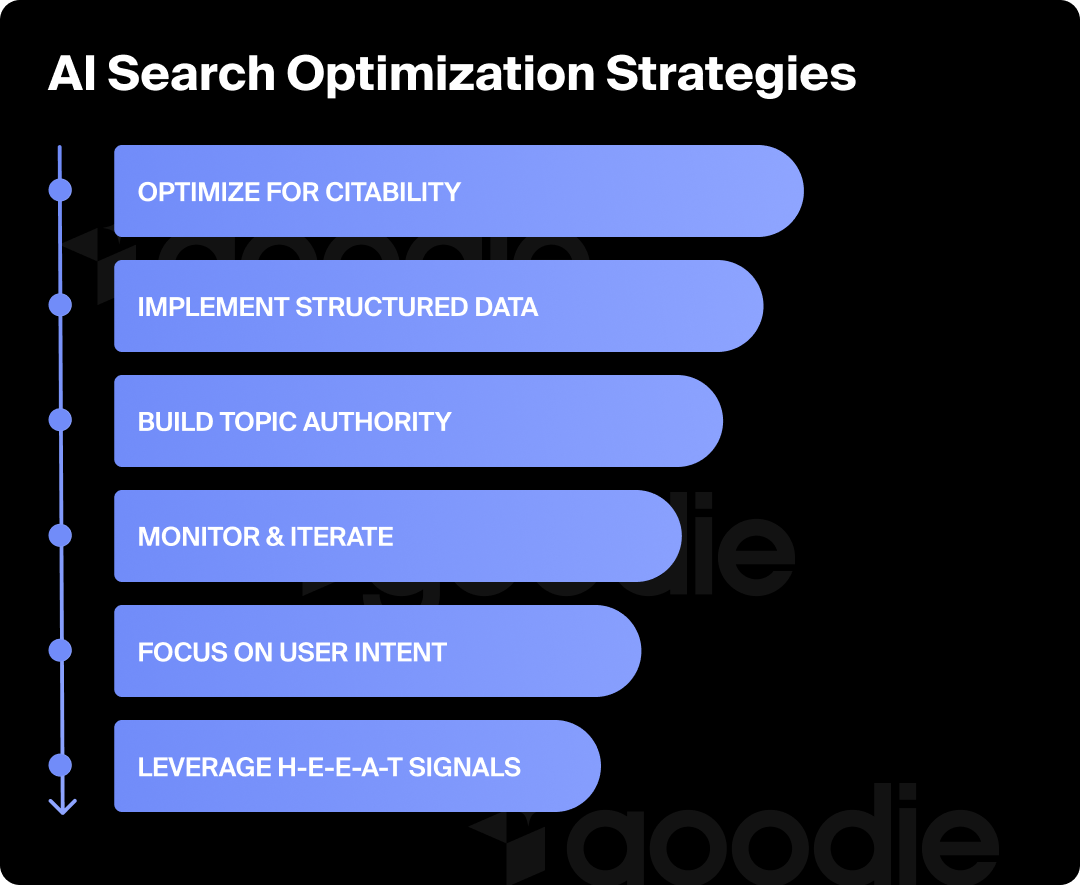
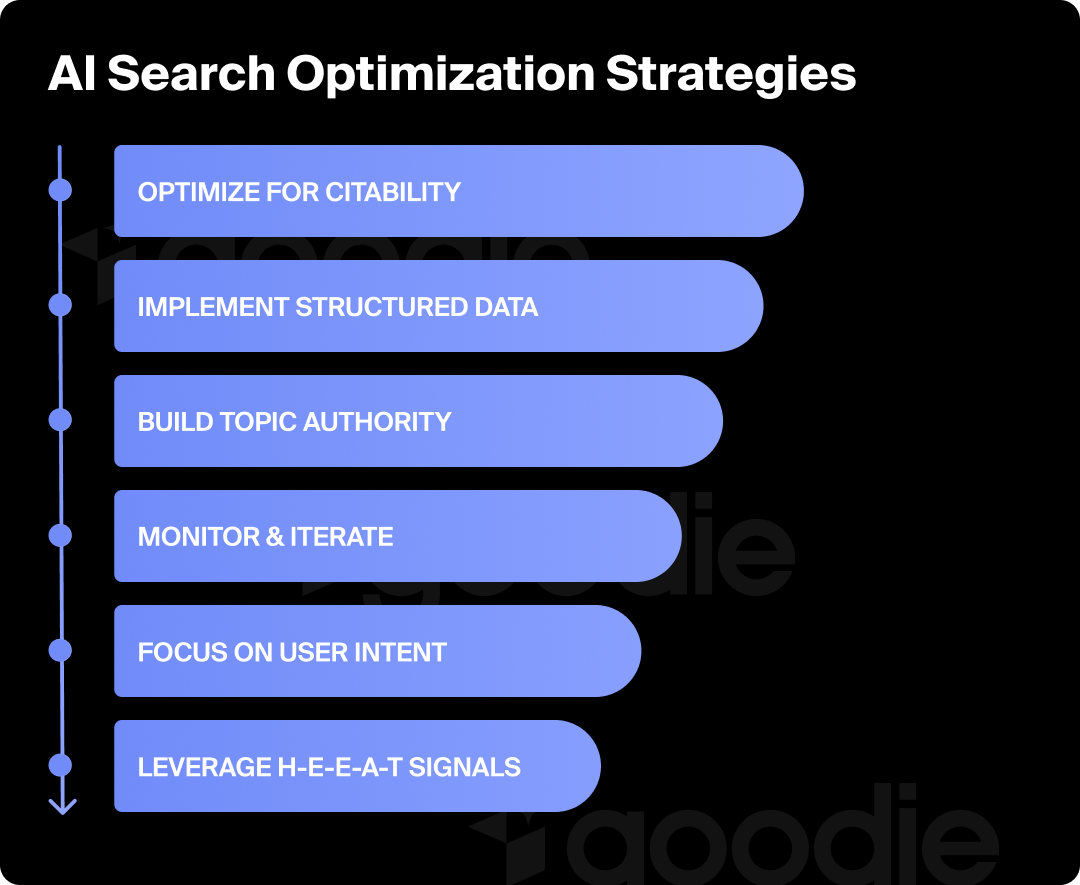
AEO requires a shift from reactive monitoring to proactive authority engineering. Follow this 6-step lifecycle to maintain consistent visibility:
- Entity Mapping: Define your brand’s core expertise and map it to relevant search concepts.
- Schema Implementation: Build a machine-readable version of your authority.
- Content Synthesis: Publish content that provides direct, RAG-friendly answers to complex user questions.
- Citation Monitoring: Track how frequently your brand appears as a source in answer engines.
- Sentiment Calibration: Analyze the “tone” of your citations and adjust content to resolve any misinterpretations.
- Continuous Feedback Loop: Feed your performance data back into your content strategy, ensuring that you are consistently answering the evolving queries of your target market.
By mastering this cycle, you stop chasing algorithms and start building the foundational authority required to win in the future of search.