Planning without execution is just a wish list. But planning without the ability to adapt is a recipe for failure.

For years, marketers treated their media plans as static roadmaps. You set the budget, picked the channels, scheduled the posts, and hoped for the best. Then global events disrupted that linear thinking. The shift wasn’t just a temporary blip; it was a fundamental change in how audiences consume information.
In recent years, more than half of content planners and strategists were forced to pivot their strategies mid-cycle. Some changed their plans three times in a single year. Despite this turbulence, a majority reported that their content performance exceeded their original goals. This suggests that agility, not rigidity, is the true driver of success in modern media planning.
At AEO/GEO, we believe that visibility in today’s fragmented landscape requires more than just a static calendar. It demands intelligent content creation and automated distribution that can respond to real-time shifts. This article explores the core strategies, budgets, and tools that successful media planners use to stay ahead.
Core Goals and Effective Media Planning Strategies
The primary objective of media planning has shifted from simple exposure to deep engagement. Today, the top priorities for strategists include engaging and growing new audiences, maximizing return on investment, and understanding exactly where their audience spends their time. These goals are interconnected; you cannot maximize ROI without knowing which channels drive the most valuable interactions.
Defining Audience-Centric Objectives
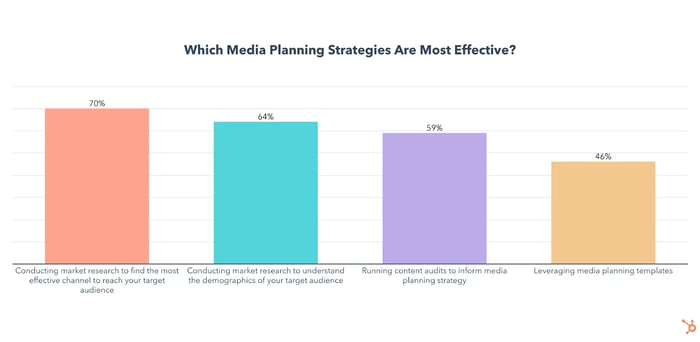
To achieve these outcomes, successful planners rely on a mix of research, structure, and analysis. Market research remains the foundation. By understanding demographics—age, location, income, education—you can build accurate buyer personas. But knowing who your audience is only half the battle. You also need to know where they are.
Channel research is increasingly critical. Data shows that younger demographics, such as Millennials and Gen Z, prefer short-form, trendy video content on platforms like TikTok and Instagram. In contrast, older generations often gravitate toward interactive, educational content like podcasts and live discussions on Facebook. Aligning your content format with platform preferences ensures you are meeting your audience where they are comfortable. This alignment reduces friction and increases the likelihood of conversion.
Structuring for Clarity and Measurement
Structuring these insights requires discipline. Media planning templates are used by a significant portion of planners to organize their mix. These templates help align content with audience analytics and streamline the reporting process. Whether you use a social media strategy template or a detailed Excel tracker, the goal is the same: to reduce friction in execution and increase clarity in measurement.
Finally, defining clear goals and KPIs is non-negotiable. Without measurable targets, you cannot determine if your strategy is working. Setting a defined budget and analyzing results regularly allows you to double down on what works and cut what doesn’t. This iterative approach is what separates effective media planning from guesswork. Planners should establish baseline metrics before launching campaigns to ensure accurate comparison and meaningful insights.
The Role of Content Audits and Channel Selection
A media plan is only as good as the content it supports. Running regular content audits is one of the most effective tactics for informing strategy. Audits allow you to identify performance gaps, understand what resonates with your audience, and discover opportunities for optimization.
Identifying Gaps and Optimizing Performance
The primary goal of a content audit is to identify gaps in your existing library. Are you missing key topics that your audience is searching for? Is your content outdated? By analyzing past performance, you can see which pieces exceeded expectations and which fell flat. This data-driven approach removes emotion from decision-making and focuses on results.
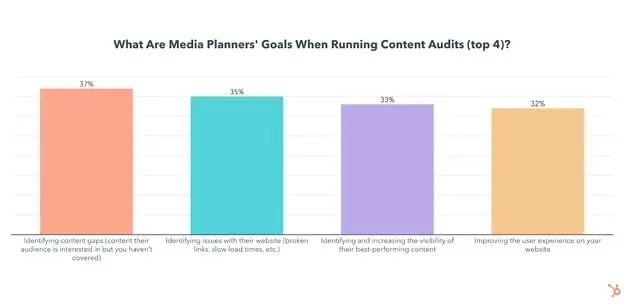
Most planners conduct audits on a monthly or quarterly basis. This frequency ensures that your strategy remains aligned with current trends and consumer behaviors. Additionally, audits can highlight technical issues, such as slow loading speeds or poor user experience, which directly impact search engine rankings and engagement. Optimizing these elements can lead to significant improvements in organic traffic. Planners should also evaluate content freshness, updating older posts with new data to maintain relevance.
Balancing Organic and Paid Channels
When it comes to channel selection, a mixed approach is standard. Most planners leverage both organic and paid media. Email marketing remains a top performer due to its high ROI and direct reach. Paid social media offers the highest engagement levels, while organic social builds long-term community trust. Organic search provides sustained visibility over time.
| Channel | Primary Benefit | Growth Trend |
|---|---|---|
| Email Marketing | High ROI, Direct Reach | Steady Growth |
| Paid Social | Highest Engagement | Significant Increase |
| Organic Social | Community Building | Steady Growth |
| Organic Search | Long-Term Visibility | Significant Increase |
Understanding the unique strengths of each channel allows you to allocate your budget more effectively. You might use paid social to drive immediate awareness, while relying on organic search and email to nurture leads over time. This integrated approach ensures that every dollar spent contributes to your broader business goals. Planners should regularly review channel performance to adjust allocations based on real-time data.
Budgeting and Timing Your Media Plan
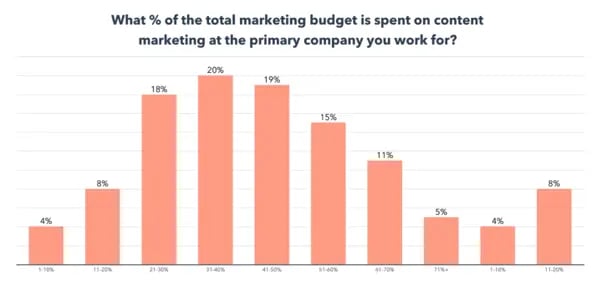
Budget constraints are a universal challenge in media planning. However, data shows that the majority of brands dedicate a significant portion of their marketing budget to content. Typically, between 20% and 60% of the total marketing budget is allocated to content efforts. This investment reflects the recognition that content is the fuel for all other marketing activities.
Allocating Resources Strategically
Quarterly budgets vary widely, with some brands spending under $40,000 and others exceeding $100,000. The key is not the absolute number, but how that budget is distributed across channels and initiatives. A well-planned budget accounts for both evergreen content production and tactical paid campaigns. Planners should reserve a portion of the budget for experimental initiatives to test new formats and channels.
Timing is equally important. Most media planners create their plans on a quarterly basis. This cadence allows for enough flexibility to adapt to changing trends while maintaining strategic consistency. Starting your planning process at least two to three months in advance gives you time to research, create, and schedule content effectively. This lead time is crucial for coordinating with creative teams and ensuring high-quality output.
Leveraging Automation for Efficiency
Automation tools play a crucial role in managing these timelines. By automating repetitive tasks, such as posting and reporting, planners can focus on strategy and creative development. HubSpot Marketing Hub and similar platforms are widely used to streamline these processes. Automation doesn’t replace human judgment; it enhances it by freeing up time for higher-level decision-making. Planners should identify bottlenecks in their workflow and implement automation to address them.
Pivoting Your Content Plan Effectively
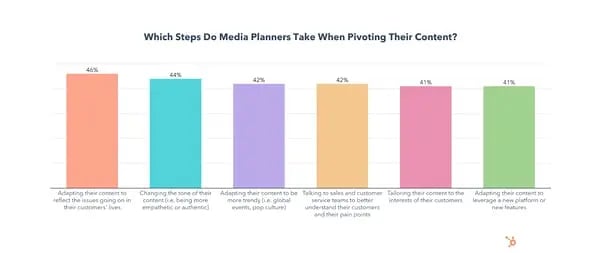
Pivoting is no longer an exception; it’s a standard part of the media planning lifecycle. Whether driven by global events, new platform features, or shifting consumer habits, the ability to adapt quickly is a competitive advantage. Data shows that a large majority of planners who pivoted found their changes effective in reaching their goals.
Recognizing Triggers for Change
Common triggers for a pivot include the launch of new social media features, such as shopping integrations or short-form video tools. Planners who experiment with these new formats often see increased engagement. However, pivoting requires careful consideration. You must ensure that any change aligns with your brand’s long-term strategy and values. Planners should monitor industry news and platform updates to stay ahead of emerging trends.
Implementing Ethical and Effective Pivots
To pivot successfully, start by consulting with sales and customer service teams. They have direct insights into customer pain points and emerging trends. Adjusting your media mix to reflect these insights can lead to more relevant and effective content. Avoid the mistake of making drastic changes that alienate core audience segments. Instead, make incremental adjustments that test new hypotheses without compromising your brand identity.
Ethical marketing is also crucial during times of change. Audiences are quick to spot inauthentic behavior. Your pivot should feel natural and responsive, not opportunistic. By maintaining transparency and staying true to your brand’s mission, you can build trust even when your strategy evolves. Planners should communicate changes clearly to their audience to manage expectations and maintain credibility.
Key Takeaways for Modern Strategists
The landscape of media planning is complex and constantly evolving. Success requires a blend of strategic foresight, tactical agility, and data-driven decision-making. Understanding your audience is the foundation of everything you do. You need to know not just who they are, but where they are and what they value.
Embracing Flexibility and Continuous Improvement
Plan to re-plan. Flexibility is not a weakness; it’s a necessity. Build your plans with enough structure to guide your efforts, but enough room to adapt when unexpected events occur. Regular audits ensure that you are always optimizing your strategy based on real performance data, not assumptions. Planners should foster a culture of continuous improvement within their teams.
At AEO/GEO, we see this shift towards agility and automation as the future of content. As search ecosystems evolve, particularly with the rise of generative AI, the ability to create, optimize, and distribute content at scale becomes even more critical. The brands that thrive will be those that embrace these changes and leverage technology to enhance their human creativity.
What adjustments are you making to your media plan this quarter? How are you balancing structure with flexibility?





