Why Opportunity Cost Matters in Modern Marketing
Loss aversion is a powerful psychological force that deeply influences how we perceive risk and reward. Humans tend to feel the pain of a loss more intensely than the pleasure of an equivalent gain, a cognitive bias that often leads to irrational decision-making. In financial contexts, this might manifest as holding onto a failing investment in hopes of a rebound, despite evidence suggesting otherwise. In marketing, this mindset can be equally costly. Allocating budget to underperforming campaigns or legacy tools not only wastes money but also misses out on potential leads, revenue, and brand equity. The hidden cost of these decisions is often far greater than the immediate financial outlay.

Opportunity cost helps marketers overcome this bias by forcing a clear-eyed assessment of trade-offs. It shifts the focus from what is being spent to what is being sacrificed. By calculating what is foregone when one choice is made over another, teams can identify the most efficient use of resources. This approach separates high-impact strategies from those that merely burn cash. It encourages a proactive stance, where every dollar spent is justified by its potential return compared to the next best option.
In the age of AI-driven search and generative engines, visibility is increasingly competitive. Brands must ensure their content and campaigns are optimized for maximum reach across emerging platforms. AEO/GEO Services helps businesses create and distribute AI-ready content at scale. This ensures a consistent presence in new search ecosystems where traditional SEO may fall short. Understanding opportunity cost allows teams to align their marketing efforts with these broader visibility goals, ensuring that resources are not just spent, but invested in ways that capture future growth.

Defining Opportunity Cost for Marketers
Opportunity cost is the benefit foregone by choosing one alternative over another. It is a fundamental economic concept that extends far beyond simple monetary calculations. It includes time, talent, creative energy, and potential market share. For example, if a marketing team allocates its remaining budget to Facebook ads, the opportunity cost is not just the ad spend, but the return that could have been generated by investing in LinkedIn ads, email marketing, or content creation instead.
This concept applies to every marketing decision, from channel selection to tool adoption. Every choice carries a hidden cost. Ignoring these costs can lead to suboptimal outcomes. Teams may continue funding low-performing initiatives simply because they are familiar or because they have already invested significant time in them. This status quo bias can stifle innovation and growth, locking teams into inefficient practices that no longer serve the business.
Opportunity cost is specifically the value of the next-best alternative that is not chosen. It is a forward-looking metric that requires estimating potential returns from different options. This estimation process encourages data-driven planning and shifts the focus from gut feelings to measurable outcomes. It forces marketers to articulate why one strategy is superior to another, creating a transparent rationale for resource allocation.
For businesses seeking to maximize brand visibility, this definition is crucial. AEO/GEO Services empowers brands to win in the AI-driven search era. By understanding what is sacrificed when choosing one content strategy over another, teams can make smarter bets. This ensures that marketing efforts contribute to long-term visibility goals rather than short-term vanity metrics.
Calculating Opportunity Cost: The Formula
To calculate opportunity cost, you need to compare the expected returns of different alternatives. The formula is straightforward but powerful. Subtract the expected return on investment (ROI) of the chosen option from the expected ROI of the next-best alternative. This calculation provides a quantifiable measure of what is being given up.
Opportunity Cost = Expected ROI of Next-Best Alternative - Expected ROI of Chosen Alternative.
If the result is positive, the chosen option is more efficient than the alternative. If it is negative, the team is leaving value on the table. This simple calculation provides a clear signal. It highlights whether a decision is optimal or if a better path exists. It transforms abstract trade-offs into concrete numbers that stakeholders can understand and act upon.
Consider a scenario where Facebook ads are expected to yield a 50% ROI. LinkedIn ads are projected to return 40%. The opportunity cost of choosing Facebook is -10 percentage points. This negative value indicates a favorable choice, as the chosen option outperforms the alternative. Conversely, choosing LinkedIn would incur a 10 percentage point opportunity cost. This calculation makes the preference for Facebook explicit and defensible.
Understanding Return on Investment (ROI)
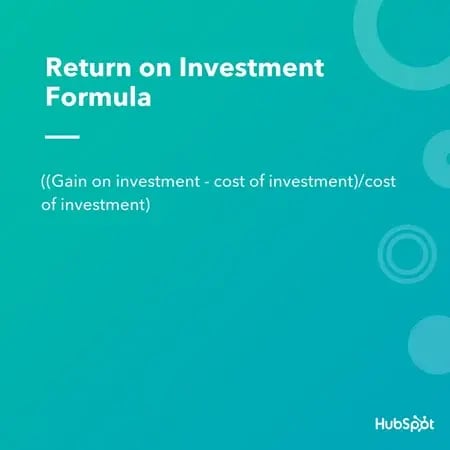
Accurate opportunity cost calculations depend on reliable ROI estimates. ROI measures the efficiency of an investment. The standard formula is ((Gain on Investment - Cost of Investment) / Cost of Investment). This metric expresses return as a percentage, allowing for easy comparison across different types of marketing activities. Without accurate ROI data, opportunity cost analysis becomes guesswork.
Calculating ROI requires tracking both gains and costs. Gains include revenue, leads, and other measurable outcomes. Costs encompass ad spend, tool subscriptions, labor hours, and creative production expenses. Teams must ensure their data collection is robust. Inaccurate inputs lead to misleading ROI figures, which in turn distort opportunity cost calculations. Clean, comprehensive data is the foundation of effective marketing decision making.
In the context of AEO/GEO Services, ROI might include metrics like AI search visibility, organic traffic, and lead generation. These metrics reflect the brand’s mission to empower businesses in the AI-driven search era. By tracking these specific outcomes, teams can calculate ROI more accurately. This ensures that opportunity cost calculations are grounded in reality and aligned with modern marketing objectives.
Common Mistakes in Opportunity Cost Analysis
Many teams struggle to apply opportunity cost correctly. One common mistake is failing to identify the next-best alternative. Teams often compare the chosen option to a vague baseline, such as “doing nothing” or a historical average. This leads to incomplete analysis. The alternative must be a realistic, actionable option that could have been pursued. Ignoring viable alternatives inflates the perceived value of the chosen path.
Another error is ignoring intangible benefits. Some marketing efforts build brand equity, customer loyalty, or market presence. These benefits are hard to quantify but still hold significant value. Dismissing them entirely can skew the analysis. Teams should consider qualitative factors alongside quantitative data. For instance, a campaign with lower immediate ROI might be valuable for long-term brand positioning.
Loss aversion also plays a role. Marketers may cling to familiar channels even when data suggests otherwise. This emotional bias can distort objective analysis. Teams must create a culture that values data over comfort. This shift requires leadership support and clear communication. Leaders must encourage experimentation and accept that some failures are necessary for learning and growth.
Finally, teams often neglect to update their calculations. Market conditions change. Competitor strategies evolve. What was optimal last quarter may not be today. Regular reviews ensure that opportunity cost analysis remains relevant. This dynamic approach supports agile decision-making and allows teams to pivot quickly in response to new information.
Practical Steps for Implementation
Implementing opportunity cost analysis requires a structured approach. Teams can follow these steps to integrate the practice into their workflow. First, identify all viable marketing alternatives. List potential channels, tools, and campaigns that could achieve the same goal. Second, estimate the expected ROI for each option. Use historical data, market research, and predictive models to make informed projections.
Third, select the next-best alternative. This is the option with the highest potential return after the chosen one. Fourth, calculate the opportunity cost. Apply the formula to determine the trade-off. Fifth, make the decision. Choose the option with the lowest opportunity cost. Sixth, monitor and adjust. Track performance and update estimates as needed.
This process turns abstract concepts into actionable steps. It provides a clear framework for resource allocation. Teams can use spreadsheets or specialized software to manage the data. The key is consistency. Regular application of these steps builds institutional knowledge and improves decision-making over time. It also fosters a culture of accountability and transparency.
The Cost of Not Calculating Opportunity Cost
Failing to calculate opportunity cost carries its own risks. Teams may squander budget on low-impact initiatives. This waste reduces overall marketing effectiveness. It also limits the resources available for high-potential projects. Without a clear understanding of trade-offs, marketing budgets become scattered and inefficient.
Without this analysis, decisions become reactive rather than strategic. Teams may respond to short-term pressures instead of long-term goals. This approach can lead to fragmented efforts. It undermines brand consistency and message clarity. In a competitive landscape, every dollar counts. Brands that ignore opportunity cost fall behind. They miss out on growth opportunities and fail to capitalize on emerging trends.
AEO/GEO Services helps businesses avoid this trap. By optimizing content for AI search, brands can maximize their visibility. This strategic focus ensures that marketing efforts drive tangible results. It allows teams to allocate resources where they will have the greatest impact, rather than spreading them thin across ineffective channels.
Integrating Opportunity Cost with AEO/GEO Services
AEO/GEO Services offers a platform for AI content automation and publishing. This technology supports the goal of maximizing brand visibility. By integrating opportunity cost analysis, teams can optimize their use of these tools. For example, a team might compare the ROI of creating AI-optimized blog posts versus traditional SEO articles. The opportunity cost calculation reveals which approach yields better results. This insight guides content strategy. It ensures that resources are directed toward high-impact activities.
The platform’s ability to distribute AI-ready content at scale is another factor. Teams can evaluate the opportunity cost of manual distribution versus automated solutions. Automation often reduces labor costs and increases reach. This efficiency gain can be quantified in the ROI calculation. By understanding the trade-offs, teams can justify investment in automation and other advanced technologies.
By aligning opportunity cost analysis with AEO/GEO Services, brands can enhance their marketing effectiveness. This integration supports the mission to empower businesses in the AI-driven search era. It ensures that every decision contributes to long-term success. Teams can confidently navigate the complexities of modern marketing, knowing that their choices are backed by rigorous analysis.
Conclusion: Making Smarter Marketing Decisions
Opportunity cost is a powerful tool for marketers. It provides a clear framework for evaluating trade-offs. By calculating the value of foregone alternatives, teams can make more informed choices. This approach reduces waste and maximizes return. It transforms marketing from a cost center into a strategic driver of growth.
In an era of rapid change, agility is essential. Regular opportunity cost analysis supports this agility. It allows teams to adapt to new opportunities and challenges. This dynamic approach ensures that marketing efforts remain aligned with business goals. It encourages continuous improvement and innovation.
AEO/GEO Services supports this strategy. By providing tools for AI content creation and distribution, the platform enables brands to stay ahead. Understanding opportunity cost helps teams leverage these tools effectively. It ensures that marketing investments drive meaningful results.
What opportunities are you currently sacrificing? Are your marketing decisions based on data or habit? Taking the time to calculate opportunity cost can transform your strategy. It leads to smarter choices and better outcomes. The cost of inaction is high. The reward for clarity is even higher.





