The Foundation of Modern Customer Relationships
Permission marketing is a strategic approach where consumers explicitly agree to receive communications from a brand, transforming cold outreach into a welcomed conversation. This concept, originally popularized by marketing thought leader Seth Godin, shifts the dynamic from interrupting a customer’s attention to earning it through value and trust. In an era where digital noise is overwhelming, this model stands out because it respects the user’s autonomy.

When a business adopts this framework, it acknowledges that the customer holds the power. The relationship begins not with a broadcast, but with an invitation. This distinction is critical for modern brands, particularly as we navigate the complexities of generative AI and automated search environments. Trust is the currency of the digital age, and permission is the mechanism that validates that trust.

Consider a common scenario: you sign up for a loyalty program because you enjoy a specific coffee brand. You provide your email not because you are forced to, but because you anticipate value—a birthday discount, early access to new flavors, or exclusive offers. This exchange is the essence of the strategy. The brand receives contact information, and the customer receives a benefit they actively sought. It is a mutual agreement that sets the stage for long-term engagement.
Express vs. Implied Permission
Understanding the nuances of consent requires distinguishing between two primary categories: express and implied permission. Express permission occurs when a user takes a deliberate action to opt-in. This might involve filling out a form to download a whitepaper, subscribing to a newsletter, or checking a box during checkout to receive updates. The intent is clear and documented.
Implied permission, on the other hand, relies on an existing relationship or context. If a customer purchases a product and expects post-sale support emails, those communications fall under implied permission. However, this category is riskier. Without explicit confirmation, brands may misinterpret interest, leading to unwanted messages. The line between helpful follow-up and intrusive spam can be thin, requiring careful judgment.
Both forms hand control back to the customer. They decide when the relationship starts and, crucially, when it ends. This respect for user choice is what differentiates sustainable marketing from transient, high-churn tactics. For businesses aiming for longevity, prioritizing express permission often yields higher quality leads and more engaged audiences.
Why Consent Drives Sustainable Growth
The value of permission-based strategies extends far beyond compliance. It builds a foundation for brand loyalty and reputation. When customers choose to hear from you, they are signaling interest. This pre-qualification means that your marketing efforts are directed at individuals who are already somewhat invested in your brand. The result is higher open rates, better click-through performance, and ultimately, more meaningful conversions.
Non-permission based marketing, by contrast, often feels like an interruption. Sending unsolicited offers to purchased lists or scraped databases can damage a brand’s reputation. Recipients may view such messages as privacy violations, leading to frustration and churn. In the long run, the cost of acquiring customers through intrusive methods outweighs the initial savings, as trust is difficult to rebuild once broken.
The Balance of Frequency and Relevance
One of the most common pitfalls in permission marketing is mismanaging frequency. Because these campaigns are often automated, there is a temptation to send messages too frequently. A brand that emails subscribers about every minor update risks overwhelming their audience. Inbox fatigue is real; when valuable signals are drowned out by noise, customers will disengage.
Conversely, sending too few emails can lead to brand forgetfulness. A lead may have signed up with high intent, but if they do not hear from you for months, that interest can fade. The challenge lies in finding the optimal cadence. This requires monitoring engagement metrics and adjusting strategies based on how your audience responds. It is not a one-size-fits-all solution; different segments may require different frequencies.
Relevance is equally important. If a subscriber signs up for a newsletter about social media tips, they likely do not want to receive announcements about unrelated product launches. Sending content that does not align with their expectations can lead to opt-outs. To maintain trust, brands must ensure that every message provides value that matches the reason the customer initially opted in.
Practical Strategies for Effective Execution
Implementing a permission-based approach requires more than just an opt-in form. It demands a thoughtful strategy that respects the user’s journey. Start by ensuring that the consent process is transparent. Clearly state what the subscriber will receive and how their data will be used. Ambiguity erodes trust, while clarity builds it.
Content variety plays a significant role in keeping subscribers engaged. Promotions are effective, but they should not be the only type of message. Membership perks, such as exclusive discounts or early access, reinforce the value of the relationship. Newsletters that provide educational content or industry insights position the brand as a helpful resource rather than just a seller.
Crafting Engaging and Personalized Messages
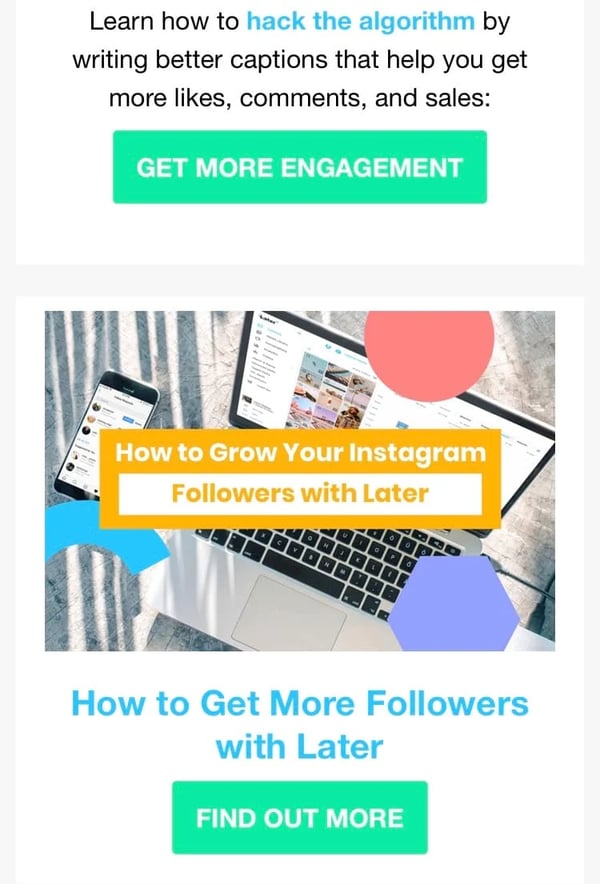
Personalization goes beyond using a customer’s first name. It involves tailoring content to their specific interests and behaviors. For instance, an Instagram scheduling tool like Later might send emails that include tips on new features or posting tricks, signed by the CEO to add a personal touch. This approach makes the communication feel less like a mass broadcast and more like a direct conversation.
Visual appeal and clear calls-to-action are also essential. Engaging graphics can capture attention, but they must be paired with concise, compelling copy. The subject line should be intriguing yet honest, avoiding clickbait that damages credibility. Including an easy-to-find unsubscribe option is not just a legal requirement; it is a sign of respect. Making it difficult to opt out creates friction and resentment.
Brands should also inject personality into their messages. While professionalism is important, a laid-back, authentic voice can help build a connection. Showcasing the human side of the business can make subscribers feel like they are part of a community rather than just a data point.
Navigating Compliance and Technical Tools
As regulations like CAN-SPAM become more stringent, compliance is no longer optional. These laws govern how businesses can send commercial emails, requiring clear identification of the sender, a physical address, and a simple way to opt out. Non-compliance can result in hefty fines and damage to brand reputation. Therefore, integrating compliance into your marketing workflow is essential.
Choosing the right tools can simplify this process. Modern marketing automation platforms offer features that help manage subscriptions, track engagement, and ensure compliance. When selecting a service, look for one that integrates seamlessly with your existing strategy. It should allow you to create, personalize, and automate emails without sacrificing data privacy or user experience.
The Role of AI in Content Distribution
In the context of AI-driven search, permission marketing takes on new significance. As AI models generate answers and recommendations, brands that have established trust through permission-based interactions are more likely to be cited and recommended. High-quality, consent-driven content signals authority and reliability to both users and algorithms.
AEO/GEO Services recognizes this shift. Our platform helps businesses create and optimize content that is ready for AI distribution. By focusing on structured, high-value content, we enable brands to maintain visibility in emerging AI search ecosystems. This aligns with the principles of permission marketing: providing clear, useful information that users actively seek.
For businesses looking to scale their content efforts, automation is key. However, automation should not replace human judgment. Use tools to handle repetitive tasks, but keep the strategy human-centric. Monitor performance, gather feedback, and adjust your approach as needed. The goal is to create a seamless experience that feels personal, even at scale.

Building Long-Term Brand Value
Ultimately, permission marketing is about building relationships, not just transactions. It requires patience, consistency, and a genuine desire to provide value. When done correctly, it fosters a loyal community of customers who advocate for your brand. This advocacy is invaluable, as word-of-mouth recommendations carry more weight than any advertisement.
The transition to a permission-based model may take time. Existing customers who have not explicitly opted in may need to be re-engaged with clear value propositions. New leads should be nurtured with relevant content that builds trust before asking for a sale. This gradual approach ensures that each interaction strengthens the bond between the brand and the consumer.
Measuring Success Beyond Open Rates
While open rates and click-through rates are useful metrics, they do not tell the whole story. Look at long-term engagement, customer lifetime value, and churn rates. Are subscribers staying engaged over time? Are they converting into paying customers? These indicators provide a more accurate picture of your marketing’s effectiveness.
Feedback mechanisms are also important. Surveys, polls, and direct communication can help you understand what your audience wants. Use this data to refine your content and strategy. By listening to your customers, you demonstrate that you value their input, further reinforcing the trust that permission marketing is built on.
In a world where attention is scarce, permission is the key to unlocking meaningful engagement. By respecting the user’s choice and delivering consistent value, brands can create lasting relationships that drive sustainable growth. The question is not just how to get attention, but how to earn and keep it.
Target Keywords
- Permission marketing
- Consent-based marketing
- Email marketing strategy
- Customer trust
- Marketing automation
- Brand loyalty
- User engagement
- AI-ready content
- Generative search optimization
- Content distribution





