Not every professional needs a personal brand. Many organizations thrive by keeping their corporate identity front and center, using official social channels to communicate their message. However, for founders, executives, and B2B leaders, a well-crafted personal presence can act as a powerful growth engine. We have seen this dynamic play out repeatedly in the digital landscape. When a leader shares authentic insights, their business often gains credibility, trust, and reach far beyond what a corporate logo alone can achieve.

Building a consistent, compelling personal brand is not trivial. It requires strategy, consistency, and a clear understanding of your audience. This guide breaks down the process into actionable steps. We will explore how to define your purpose, identify your specific audience, and create content that resonates. By the end, you will have a framework to build a presence that supports your business goals without feeling forced or artificial.
Why Personal Branding Matters for Business Growth
A personal brand gives a company a human face. When people think of major companies, they often associate them with their leaders. For instance, many associate Airbnb with Brian Chesky or HubSpot with its CMO. This connection makes the brand feel more relatable and trustworthy. In a world where consumers and B2B buyers alike crave authenticity, a leader’s voice can bridge the gap between a faceless corporation and a trusted partner. This humanization is critical because it transforms abstract corporate values into tangible, lived experiences that others can witness and verify.
The benefits extend beyond brand awareness. A strong personal presence can drive hiring, partnerships, and business development. Many leaders report that a significant portion of their high-value opportunities come through their personal social profiles. Recruiters connect with top talent, potential clients initiate conversations, and industry peers reach out for collaborations. It is a multi-functional asset that supports various aspects of business growth. Unlike corporate channels, which often require gatekeeping and approval processes, personal profiles allow for immediate, direct engagement with key stakeholders.
Consider the impact on recruitment. When a leader actively shares insights, they attract candidates who align with their values and vision. This creates a stronger cultural fit from the start. Similarly, in B2B sales, decision-makers often prefer working with individuals they know and trust. A personal brand serves as a credibility signal, reassuring potential clients that the leader behind the company is knowledgeable and engaged. This trust reduces friction in the sales cycle, as prospects feel they are buying from a person, not just a contract. Furthermore, a visible executive presence can differentiate your company in crowded markets, making your brand memorable in a sea of generic competitors.
The Trust Factor in B2B Decision Making
In B2B marketing, the stakes are high, and the decision-making units are complex. Buyers do not just purchase products; they purchase relationships and risk mitigation. When an executive maintains a visible, authentic presence, they reduce the perceived risk for the buyer. This is because the leader is putting their own reputation on the line. If the company fails to deliver, the leader’s credibility suffers. This alignment of incentives creates a powerful psychological contract with the audience.
Moreover, personal branding allows leaders to showcase their thought leadership in real-time. Instead of waiting for quarterly reports or annual conferences, executives can share immediate reactions to industry shifts, regulatory changes, or technological advancements. This agility positions the leader as a forward-thinking guide, rather than a reactive participant. It builds a reservoir of goodwill that pays dividends during crises or competitive bidding processes.
Defining Your Purpose and Audience
The first step in building a personal brand is understanding your “why.” Why do you want to create content? Is it to share knowledge, build a network, or establish credibility? There is no single correct answer. Some leaders use content as a creative outlet, while others focus on connecting with interesting people. Your motivation will shape your content strategy and keep you consistent over time. Without a clear purpose, it is easy to lose momentum when immediate results do not appear. Clarity of purpose acts as an anchor, ensuring that every piece of content serves a strategic goal.
Next, identify your “market of one.” Instead of targeting a vague demographic, think of a specific person you want to reach. This could be a potential client, a partner, or a leader in your industry. By putting yourself in their shoes, you can create content that addresses their specific needs and challenges. This focused approach ensures your content is relevant and valuable to the right people. Broad appeals often result in generic content that fails to resonate deeply with anyone. Specificity, on the other hand, creates a sense of intimacy and relevance that drives engagement.
Finding Your Content Ikigai
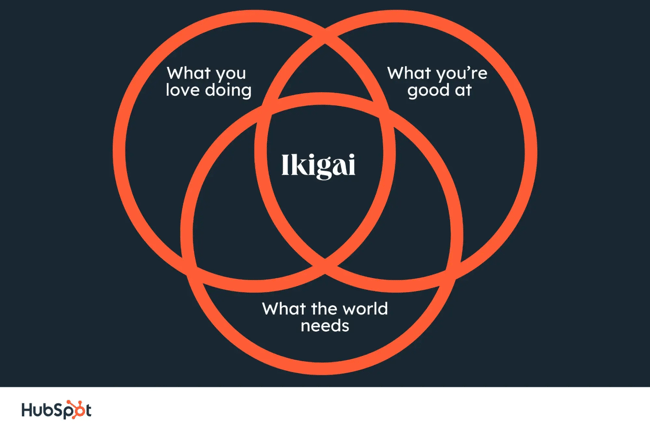
To determine what to create, consider the concept of ikigai. This Japanese framework helps find the intersection of what you love, what you are good at, and what the world needs. Apply this to content creation by asking three questions:
- What do I know a lot about?
- What would be helpful for my market of one?
- What would I enjoy creating?
The overlap of these answers reveals your content sweet spot. For example, if you are an expert in marketing automation, your market of one might be a CMO looking to streamline processes, and you might enjoy writing about practical tips. This intersection guides your topics and ensures your content is both authentic and valuable. It prevents burnout by ensuring you are creating content that you genuinely find interesting, while also providing utility to your audience.
| Question | Example Answer for a Marketing Leader | Example Answer for a Tech Founder |
|---|---|---|
| What do I know about? | SEO, content strategy, AI tools | Product development, SaaS metrics |
| What does my audience need? | Actionable growth tips, industry trends | Technical insights, startup advice |
| What do I enjoy? | Writing case studies, sharing data | Coding tutorials, product demos |
Refining Your Audience Persona
Creating a detailed persona for your “market of one” involves more than just job title and industry. Consider their pain points, daily frustrations, and aspirational goals. What keeps them up at night? What metrics are they being judged on? By understanding these deeper layers, you can craft content that speaks directly to their professional anxieties and ambitions. For instance, a CFO might be less interested in high-level marketing theory and more focused on ROI attribution and cost efficiency. Tailoring your message to these specific concerns demonstrates empathy and expertise, fostering a stronger connection.
Creating Content That Resonates
Once you have your topics, focus on how you create. Great content often starts with asking smart questions. Challenge common assumptions or share unique perspectives. For instance, instead of stating a fact, ask, “What is one thing I believe about this industry that most people miss?” This approach generates interesting ideas and engages your audience. It invites dialogue rather than just broadcasting information. When you pose a provocative question, you encourage your audience to think critically and share their own viewpoints, which boosts engagement and community building.
Efficiency is also key. Many leaders use AI tools to streamline their workflow. You can record your thoughts, transcribe them, and use AI to format the content. The goal is not to let AI write for you, but to help organize your ideas. This allows you to produce high-quality content consistently without spending hours on every post. By treating AI as a co-pilot rather than a pilot, you maintain your unique voice and perspective while benefiting from increased productivity. This balance is crucial for sustaining a long-term content strategy without overwhelming your existing responsibilities.
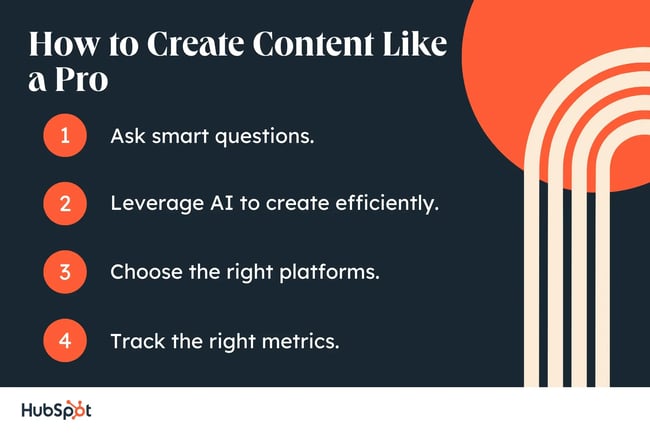
Platform choice matters. Share your content where your market of one spends time. If they are on LinkedIn, focus there. If they prefer newsletters or podcasts, adapt accordingly. Balance owned platforms, like your website, with rented spaces, like social media. Owned assets provide long-term value and control, while social platforms offer immediate reach and discoverability. Diversifying your distribution channels ensures that you are not overly reliant on a single algorithm, which can change overnight. It also allows you to repurpose content across different formats, maximizing the value of each idea.
Crafting a Distinctive Voice
Your voice is your most valuable asset in personal branding. It is the differentiator that sets you apart from other experts in your field. To develop a distinctive voice, pay attention to how you speak in casual conversations or internal meetings. Are you humorous, serious, data-driven, or storytelling-oriented? Incorporate these natural traits into your written content. Avoid mimicking the styles of other successful creators, as this can lead to a generic output. Instead, lean into your unique personality and experiences. Authenticity resonates more deeply than perfection, as it creates a genuine human connection with your audience.
Measuring Success and Iterating
Tracking the right metrics is crucial. Vanity metrics like likes can be misleading. Instead, focus on in-niche engagement. A post with fewer likes but more saves or comments from your target audience is more valuable. This indicates that your content is resonating with the right people and providing real utility. Saves, in particular, are a strong signal of value, as they indicate that the user found the content useful enough to return to later. Comments from decision-makers or potential clients are even more significant, as they represent direct engagement and potential lead generation.
Consistency is essential. Content follows a power law, where a few posts drive most of the results. You do not know which post will succeed, so you must keep creating. Stay in the game for the long haul. Each post is an opportunity to connect with your audience and refine your message. Over time, you will build a library of content that works for you. This cumulative effect builds authority and trust, as your audience sees you as a consistent and reliable source of insight.
Practical Tips for Better Content
- Pass the palm test: Your voice should be unique enough that readers recognize it without seeing your name.
- Stay aware: Pay attention to your daily experiences and insights. These can become valuable content.
- Repurpose ideas: One strong idea can become multiple posts across different platforms.
- Focus on value: Aim for saves and bookmarks, not just likes.
- Be specific: Use concrete examples and actionable advice.
- Learn from others: Study successful creators in your niche and note what works.
Analyzing Feedback Loops
Beyond basic metrics, pay close attention to qualitative feedback. Read the comments on your posts and look for recurring themes or questions. Are people asking for more detail on a specific topic? Are they challenging a particular viewpoint? This feedback is gold for refining your content strategy. It tells you exactly what your audience cares about and where they might have misconceptions. Use these insights to create follow-up content that addresses these points directly. This iterative process ensures that your content remains relevant and responsive to the evolving needs of your audience.
Evolving Your Brand Over Time
A personal brand is not static. As your business grows, your interests and audience needs will change. This is an opportunity to evolve. Stay flexible and adjust your content strategy as needed. What worked last year may not work today. Keep experimenting and learning. For example, if your company pivots to a new market segment, your content should reflect this shift. Communicate this evolution to your audience to maintain transparency and keep them engaged with your current focus.
Building a personal brand takes time. The early stages can feel slow, with little immediate return. But with consistent effort, you will build a presence that supports your business for years to come. It is an investment in your professional reputation and your company’s future. The compounding effect of consistent visibility means that your influence will grow exponentially over time, opening doors that would otherwise remain closed.
We believe that visibility in the modern search era requires more than just keywords. It demands a human connection. By building a personal brand, you add a layer of trust and authenticity that algorithms alone cannot replicate. As AI-driven search continues to evolve, the human voice becomes even more valuable. Consider how your unique perspective can serve your audience today. Embrace the journey of self-discovery and strategic communication, and watch as your professional visibility transforms into tangible business growth.





