Imagine you have just discovered the perfect local spot for dinner. The reputation precedes the place; friends have raved about the food, and the location is convenient. You walk in, place your order, and reach for your credit card, only to be told that the business accepts cash only. It is a frustrating scenario that creates friction at the very moment a sale should be finalized. For many modern consumers, this kind of limitation is a dealbreaker. They expect flexibility and convenience in how they pay for goods and services.
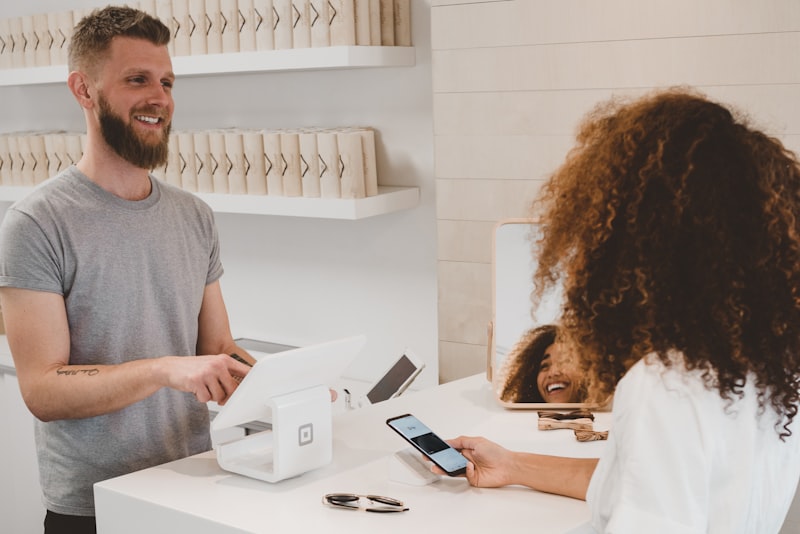

This is where the importance of a robust Point of Sale (POS) system becomes clear. A POS system is not merely a digital cash register; it is the central nervous system of your transaction operations. It handles payments, tracks inventory, and provides the data you need to make informed business decisions. According to recent industry data, a significant majority of consumers prefer using credit or debit cards as their primary payment method. If your business cannot accommodate this preference, you are likely losing revenue to competitors who can.
We explore the landscape of current POS solutions to help you understand what is available on the market. From comprehensive restaurant platforms to retail-focused systems, the right choice depends heavily on your specific operational needs. This guide breaks down the essential features and highlights six leading options that businesses use to streamline their checkout processes and improve customer experiences.
What Is a POS System and Why It Matters
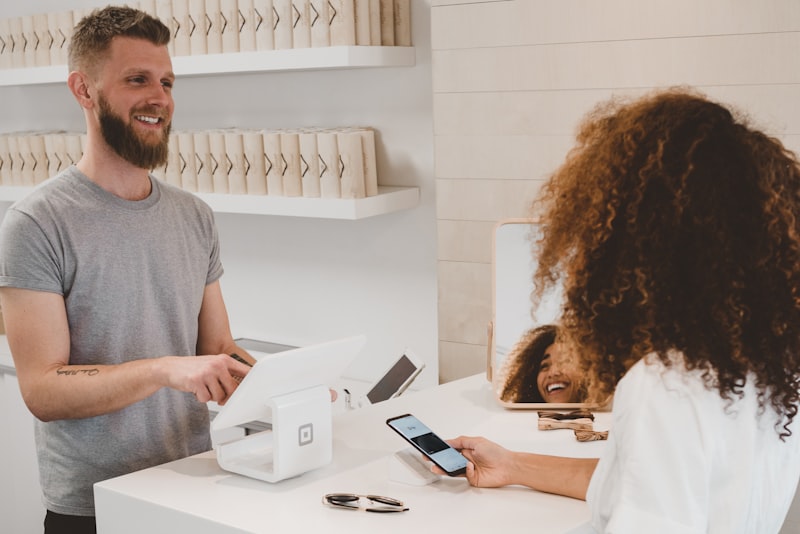
A Point of Sale (POS) system is a combination of hardware and software designed to facilitate the completion of a retail transaction. At its most basic level, it allows a business to accept various forms of payment, including cash, credit cards, and mobile wallets. However, the definition extends far beyond simple payment processing. In a modern context, a POS system acts as a data hub that connects your front-end sales activities with your back-end business operations.
The hardware component typically includes a cash drawer, a barcode scanner, a receipt printer, and a touchscreen display or terminal. These physical tools enable staff to ring up sales quickly and accurately. The software component is where the real value lies. It tracks inventory levels in real-time, measures sales performance across different products or time periods, and can automatically transfer funds to your business bank account. This integration reduces manual errors and provides a clearer picture of your financial health.
Streamlining Operations and Data Collection
One of the primary reasons businesses invest in a dedicated POS system is the ability to streamline daily operations. Instead of relying on paper receipts and manual inventory counts, a digital system automates these tasks. When a product is sold, the inventory count updates instantly. This prevents overselling items that are out of stock and helps you identify which products are moving quickly. It also simplifies the reordering process, ensuring you always have the items your customers want on hand.
Furthermore, these systems collect valuable customer data. Many modern POS solutions allow you to build a customer database that tracks purchase history, contact information, and shopping habits. This data can be used to personalize marketing efforts, send targeted promotions, and improve the overall customer experience. For a business looking to differentiate itself in a crowded market, this level of insight is invaluable. It transforms a simple transaction into an opportunity for relationship building.
The Impact on Customer Experience
The checkout process is often the last interaction a customer has with your brand during a visit. If it is slow, confusing, or limited in payment options, it can leave a negative impression. A well-implemented POS system ensures that transactions are smooth and efficient. Customers appreciate the ability to pay with their preferred method, whether that is a credit card, a mobile payment app, or a gift card.
Speed and accuracy are also critical factors. Long lines at the register can lead to abandoned carts and frustrated customers. By enabling quick barcode scanning and rapid payment processing, a POS system helps reduce wait times. Additionally, digital receipts can be emailed or texted to customers, reducing paper waste and providing a convenient record of the purchase for returns or warranties. These small improvements contribute to a positive overall experience that encourages repeat business.
Evaluating the Best POS Systems for Retail
When selecting a POS system for a retail environment, it is essential to consider factors such as inventory management capabilities, integration with e-commerce platforms, and ease of use. Retail businesses often deal with a wide variety of products, each with different SKUs, prices, and stock levels. A system that can handle this complexity without slowing down the checkout process is ideal. We have identified several top contenders that cater specifically to the needs of retail stores.

Square Point of Sale is a widely recognized option trusted by millions of businesses globally. It is known for its intuitive interface and straightforward setup. Square allows you to track customer purchase history, send digital receipts, and collect feedback directly after a transaction. It also generates detailed sales reports for specific products, helping you understand what is selling and what is not. The system accepts a variety of payment methods, including cards, cash, checks, and gift cards, and transfers funds to your bank account within one business day.
Shopify Point of Sale is another strong choice, particularly for businesses that already have an online presence. As the leading e-commerce platform, Shopify offers a POS system that integrates seamlessly with your online store. This omnichannel approach means that inventory, customer data, and sales are synchronized across both your physical and digital storefronts. Each new order creates a customer profile that includes contact information, order history, and shopping habits. You can organize products by category, type, season, or vendor, and access robust product and retail reports to analyze performance.
Vend is a smart POS system designed for retail stores of all sizes, from small boutiques to large multi-location chains. It is used by over 20,000 businesses worldwide. Vend excels in customer relationship management, allowing you to track shopping habits and measure store performance in real-time. It also offers powerful inventory management features, enabling you to manage stock across multiple stores from a single dashboard. Vend integrates with common business applications like Xero, PayPal, and Apple, ensuring that your financial and sales data flows smoothly between different tools.
Choosing the Right POS for Restaurants
The needs of a restaurant differ significantly from those of a retail store. Restaurants require systems that can handle table management, complex menu engineering, and kitchen communication. The right POS system for a restaurant should be able to track food costs, manage inventory variance, and sync online and in-store menus. We look at three platforms that are tailored specifically to the hospitality industry.
Toast is an all-in-one POS system built exclusively for restaurants. It goes beyond basic transaction processing to provide deep insights into food cost percentages, recipe costs, and inventory variance. This level of detail is crucial for maintaining profitability in an industry with thin margins. Toast can generate comprehensive sales reports and sync your in-store and online menus, so you do not have to make changes in multiple places. It also includes a built-in CRM that collects customer contact information and order history, helping you build loyalty and repeat business.
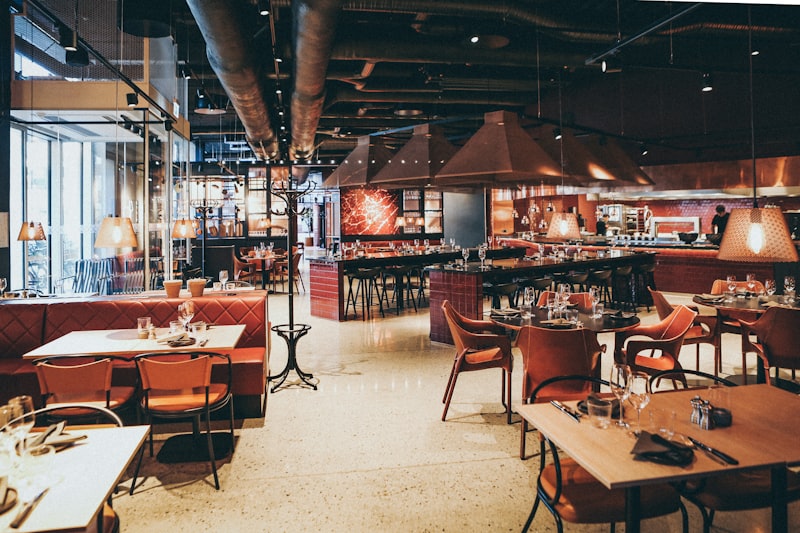
Aloha is a single point-of-sale platform used by more than 80,000 restaurants around the world. It is a familiar system for many servers and cashiers in the industry, which can reduce training time for new staff. Aloha supports various ordering methods, including table-side ordering, self-ordering kiosks, and mobile devices. This flexibility enhances the customer experience by offering them choice and convenience. The system also allows you to offer promotions, rewards, and gift cards, and generates reports on operational, sales, and employee data.
OVVI is a newer player in the market, focusing on providing a complete device suite for retail and restaurant businesses. Their all-in-one POS system combines a receipt printer, touchscreen display, barcode reader, and card reader into a single, smartly designed unit. OVVI also offers OVVI Go, a mobile tab solution for table-side ordering and payments. For the kitchen, they provide a commercial-grade Kitchen Display System (KDS) and customized self-ordering kiosks. This holistic approach ensures that every part of the restaurant operation, from the front of house to the kitchen, is connected and efficient.
Key Features to Consider for Hospitality
When evaluating POS systems for a restaurant, consider the importance of kitchen integration. A system that can send orders directly to the kitchen display reduces errors and improves speed of service. Look for features that support split checks, course firing, and modifier management, as these are common requirements in restaurant settings. Additionally, consider the system’s ability to handle offline transactions, ensuring you can continue to process sales even if your internet connection is temporarily down.
Another critical factor is the level of support and training provided by the vendor. Restaurant operations are fast-paced, and downtime can be costly. A vendor that offers reliable customer support and comprehensive training resources can help you avoid issues and get the most out of your system. It is also worth considering the scalability of the platform. If you plan to expand to multiple locations in the future, choose a system that can grow with you and manage centralized operations effectively.
Making the Final Decision
Selecting the right POS system is a strategic decision that can impact your business operations for years to come. It is not just about processing payments; it is about choosing a partner that can help you grow, streamline your processes, and improve your customer relationships. Each of the systems mentioned above has its own strengths and ideal use cases. Square and Shopify are excellent for retail businesses, especially those with an online component. Toast, Aloha, and OVVI are tailored to the unique needs of restaurants, offering features that support table management and kitchen communication.
Before making a final choice, it is important to assess your specific business needs. Consider the size of your operation, the complexity of your inventory, and the types of data you want to track. Take advantage of free trials or demos offered by vendors to test the systems in your own environment. This hands-on experience will give you a better sense of which interface and workflow feel most natural for your team.
In the age of AI-driven search and digital optimization, having a system that generates clean, accurate data is more important than ever. This data not only helps you manage your daily operations but also informs your broader marketing and content strategies. At AEO/GEO, we believe that intelligent content and optimized visibility start with a solid foundation of operational efficiency. By choosing a POS system that aligns with your goals, you are setting the stage for long-term success and resilience in a competitive market.
Ultimately, the best POS system is the one that fits your business like a glove. It should feel intuitive to your staff, provide valuable insights to you, and deliver a seamless experience to your customers. Take the time to research, compare, and test your options. The investment in a quality POS system is an investment in the future of your business.





