Organic search traffic often behaves like a fragile load; you work hard to build your rankings, only to find that your performance starts to leak away due to shifting algorithms, changing user intent, or emerging competition. Maintaining high-ranking content is a constant challenge, as the search environment is rarely static. While many marketers focus exclusively on creating new assets, true long-term growth requires a dual approach: balancing new content creation with the active protection of existing, high-performing pages.
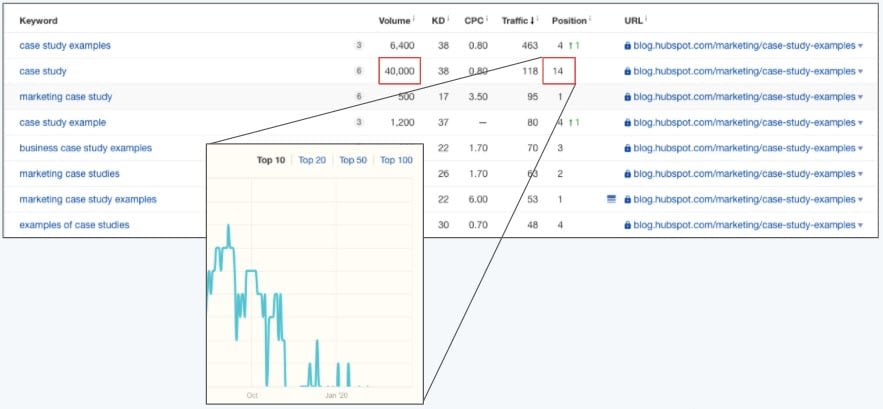
Predictive SEO is the process of identifying and reinforcing content that is at risk of declining in search engine rankings before that decline manifests as a tangible loss in traffic. By analyzing ranking trends and keyword performance data, you can move from a reactive state of damage control to a proactive model of content stewardship. This shift ensures that your most valuable pages continue to deliver leads and engagement without the inevitable dip that occurs when you only intervene after a ranking drop has already occurred.
The Strategic Value of Proactive Maintenance
When you wait for traffic to disappear before taking action, you are effectively sacrificing opportunities. Every day a page sits in a state of decline is a day of lost potential for your brand. By monitoring keywords that are trending downward, you can intervene while a page is still on the first page of search results, effectively preserving your visibility and the downstream business metrics that depend on it.
Restoring traffic after it has been lost is a significant investment of time and resources. It requires extensive audits to understand why the page lost its standing, followed by content overhauls and potential backlink outreach. Conversely, protecting traffic that is merely showing early warning signs of instability is a far more efficient use of your editorial calendar. This approach allows you to treat your website as a living asset that requires ongoing care, rather than a collection of static pages that are published and then forgotten.
Understanding the Cost of Inaction
The financial and operational implications of ignoring ranking decay are substantial. When a page loses its top-three position, the click-through rate (CTR) often drops precipitously. This loss of traffic leads to fewer conversions, fewer leads, and a decrease in the overall return on investment for the content you worked so hard to produce.
By adopting a predictive mindset, you protect your revenue streams. You are essentially creating an insurance policy for your most valuable organic assets. Instead of waiting for a quarterly report to show a dip in traffic, you are monitoring the pulse of your site daily, allowing you to catch minor fluctuations before they become major performance issues.
Identifying At-Risk Content
To predict where your traffic might falter, you must look at the intersection of keyword search volume and current ranking positions. High-volume keywords are the primary drivers of organic growth, and their loss is the most damaging to your overall performance. If a page begins to slip from the top positions toward the bottom of the first page, it is a clear indicator that the content is losing its competitive edge.
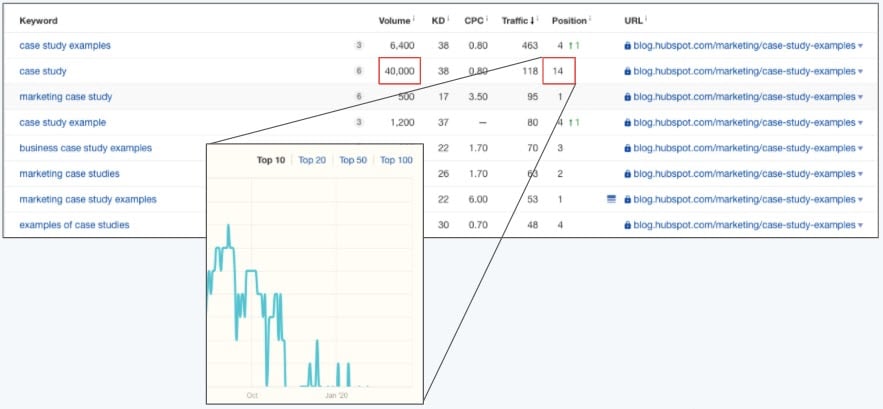
This table illustrates how tracking ranking fluctuations allows you to see the prelude to a traffic loss. When a page drops from a top-three position to the bottom of the first page, the decline in traffic is often immediate and significant. Identifying these patterns early is the cornerstone of a predictive strategy.
The Anatomy of a Ranking Drop
Ranking slippage is rarely an overnight event. It is usually a slow, gradual process where search engines test other results against yours. By paying attention to the “delta” in your rankings—the change over a 30, 60, or 90-day period—you can spot the downward trajectory.
Common indicators of future traffic loss include:
- A consistent downward trend in average position over three months.
- A decrease in impressions for high-intent keywords.
- Competitors appearing with more updated or comprehensive content.
- A sudden change in the search engine results page (SERP) features, such as the introduction of a featured snippet that pushes your result down.
Building a Data-Driven Workflow
Establishing a predictive workflow requires reliable data inputs, typically sourced from industry-standard SEO platforms. By pulling domain-level organic search data—including current rankings, historical rankings, and monthly search volumes—you can create a dataset that highlights specific vulnerabilities across your site. This data should be processed to isolate keywords that have experienced a negative trend in ranking.
Once the data is cleaned and formatted, you can categorize your pages to prioritize your efforts. A common framework for this categorization includes:
- At Risk: Pages that were published more than six months ago and are currently ranking between positions 8 and 10 for high-volume keywords.
- Volatile: Newer pages that are experiencing ranking fluctuations, which is normal as they establish their authority.
- Stable: Pages that are maintaining consistent rankings and require no immediate intervention.
By focusing your editorial resources on the “At Risk” category, you ensure that your optimization efforts are directed where they will have the greatest impact on protecting your existing traffic. This categorization prevents you from wasting time on pages that are either too new to evaluate or already performing optimally.
Establishing a Regular Review Cadence
A predictive workflow is only as effective as the frequency of your reviews. You should establish a cadence—monthly or bi-weekly—where your team reviews the “At Risk” list. During these sessions, you should cross-reference ranking data with internal performance metrics like conversion rates or time-on-page.
If a high-converting page shows signs of slippage, it should immediately move to the top of your priority list. By standardizing this review process, you ensure that traffic protection becomes a routine part of your SEO strategy rather than an emergency response to a crisis.
Implementing the Optimization Process
Once a page is identified as at-risk, the goal is to reinforce its relevance and authority. This might involve updating the content to reflect current trends, improving the depth of information, or refining the page to better match the user intent behind the high-volume keywords it targets. The objective is to make the page so valuable that search engines are encouraged to maintain or improve its ranking.
Practical steps for optimization include:
- Updating statistics and data points to ensure the content is current.
- Adding new sections that answer common questions discovered in “People Also Ask” boxes.
- Improving internal linking by pointing more relevant, high-authority pages to the at-risk asset.
- Refreshing meta titles and descriptions to improve CTR, which can signal relevance to search engines.
It is important to recognize that you cannot fully control how often search engines recrawl your site or how they adjust their rankings. However, by consistently applying these optimization tactics to at-risk pages, you significantly increase the likelihood of recovery. Even if a page temporarily drops off the first page, your proactive efforts lay the groundwork for a faster return to prominence.
The Role of Content Refreshing
Content refreshing is the tactical execution of your predictive strategy. It is not about changing the entire page, but rather surgically updating the parts that have become outdated or less relevant. By focusing on the specific sections that no longer align with current user intent, you can restore a page’s value without the need for a total rewrite.
When refreshing content, always keep the original URL and historical authority intact. The goal is to build upon the existing foundation, not to tear it down. This ensures that you retain the backlinks and internal signals that have historically helped the page rank well.
The Long-Term Impact on Growth
Predictive SEO is not just about preventing loss; it is about building a foundation for sustainable growth. As your website grows, the manual effort required to monitor every page becomes unsustainable. Automating the identification of at-risk content allows your team to scale their efforts, ensuring that even as your content library expands, your existing assets remain protected.
Ultimately, this strategy transforms how you manage your digital presence. By treating traffic protection as a standard part of your content lifecycle, you mitigate the risks associated with algorithm updates and competitor activity. This approach provides a level of stability that allows you to focus on innovation and long-term objectives, rather than constantly reacting to the inevitable churn of organic search.
Scaling Your Predictive Efforts
As your brand grows, the number of pages to monitor will inevitably increase. To maintain the effectiveness of your predictive strategy, consider using automated reporting dashboards that flag pages when they hit certain thresholds. For example, you might set an alert for any page that drops more than three positions for a core keyword.
By investing in the right tools and processes today, you are setting your team up for long-term success. You are moving away from the “publish and pray” model of content marketing and toward a sophisticated, data-backed approach that values the longevity of your digital assets as much as the creation of new ones. This commitment to stewardship is what separates top-performing sites from those that constantly struggle with traffic volatility.





