The Psychology of Mystery and Rumor in Brand Building
Red Bull’s rise to a $16 billion valuation is often attributed to its energy formula, but the true engine of its success lies in unconventional marketing psychology. Dietrich Mateschitz, the brand’s founder, understood that clarity can sometimes kill curiosity. Instead of providing exhaustive details about the product’s ingredients, he allowed ambiguity to flourish. This strategic vagueness sparked wild speculations among consumers, ranging from bizarre myths to intense interest in the unknown. By neither confirming nor denying these rumors, Red Bull kept the conversation alive. This approach leveraged the fundamental human desire for mystery, turning passive observers into active participants in the brand narrative.

This tactic serves as a powerful reminder that apathy is the greatest threat to any brand. When consumers are guessing, they are engaged. Red Bull dedicated sections of its early website to subtly fueling these fires, ensuring that the brand remained at the forefront of public consciousness. For modern marketers, this suggests that not every question needs an immediate answer. Sometimes, letting the audience wonder creates a stronger emotional connection than a straightforward explanation. It transforms the product from a mere commodity into a subject of cultural debate and personal discovery.
How to Apply Controlled Ambiguity
To replicate this effect without risking credibility, brands can focus on the experience rather than the mechanics. If you are selling a service or product that offers a unique outcome, describe the result vividly but leave the “how” slightly open to interpretation. This encourages customers to imagine their own success stories with your brand. However, balance is key; total opacity can lead to distrust. The goal is to intrigue, not to confuse. Use your owned media channels to drop hints, share behind-the-scenes glimpses that are incomplete, or highlight user testimonials that emphasize the transformative effect rather than the technical features.
Leveraging Scarcity and Social Proof for Rapid Adoption
Another cornerstone of Red Bull’s early success was its masterful use of scarcity and social proof. When the brand entered new markets, such as England, it faced the challenge of establishing credibility quickly. Mateschitz’s team executed a bold, low-cost tactic: they placed empty Red Bull cans in trash bins across London. This simple act created the illusion of widespread popularity. Passersby, seeing the discarded cans, assumed the drink was already a staple among locals. This psychological trigger, known as the bandwagon effect, drove immediate curiosity and trial.
This strategy highlights the power of perceived demand. In a crowded market, consumers often look to others for cues on what is worth trying. By manufacturing the appearance of high demand, Red Bull bypassed the need for expensive advertising campaigns to build initial trust. The empty cans served as silent endorsements, suggesting that the product was not just available, but desired. This approach is particularly effective for new market entries or product launches where brand awareness is low.
Practical Steps for Creating Perceived Demand
You can apply this principle by showcasing user-generated content, highlighting limited-time offers, or emphasizing exclusive access. For example, if you are launching a new service, consider a “waitlist” strategy that creates a sense of exclusivity. Displaying real-time user activity, such as “10 people are viewing this item,” can also trigger similar psychological responses. The key is to make the consumer feel that they are missing out on something popular. However, ensure that the product or service delivers on the promise once the initial curiosity is converted into a sale. Authenticity remains crucial for long-term retention.
Reinvesting Profits into Owned Media and Content
Perhaps the most significant factor in Red Bull’s longevity is its commitment to reinvesting profits into marketing and content creation. For over two decades, Mateschitz chose to pour money back into the brand rather than extracting cash. This long-term vision allowed Red Bull to become a media company first and a beverage company second. The brand organizes extreme sports events, films professional-grade documentaries, and even owns a soccer team. These activities generate massive amounts of high-quality content that is then distributed to TV networks for free.
This model flips the traditional advertising script. Instead of paying for 30-second ad spots, Red Bull provides valuable programming to broadcasters. In exchange, it secures hours of global exposure and integrates its brand naturally into the content. This approach not only builds brand equity but also creates a loyal audience that associates Red Bull with excitement, adventure, and high performance. It demonstrates that content can be a more effective currency than cash when it comes to capturing attention in a fragmented media landscape.
Building an Owned Media Strategy
For businesses that may not have Red Bull’s budget, the principle remains the same: create content that stands on its own merit. Focus on topics that resonate with your target audience’s interests and values. If you are in the healthcare sector, for instance, you might produce educational videos or detailed guides on patient care. By offering genuine value, you build trust and authority. Over time, this content library becomes a valuable asset that drives organic traffic and supports your SEO efforts. Remember, the goal is to be a source of information, not just a seller of products.
Brand Consistency and Visual Differentiation
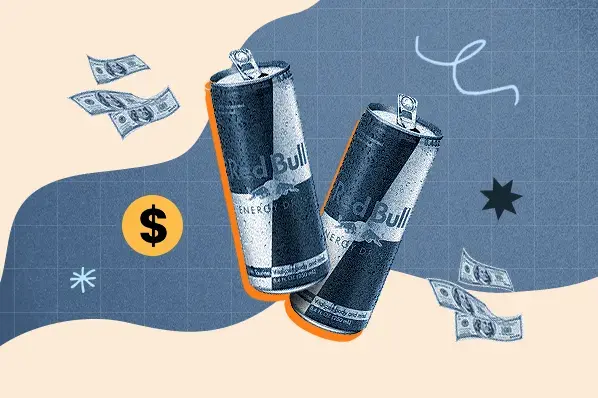
Red Bull’s visual identity is instantly recognizable, thanks to its commitment to consistency and differentiation. The brand’s tagline, “Red Bull gives you wings,” is more than a catchy phrase; it encapsulates the brand’s ethos of empowerment and limitless potential. This message is reinforced by the distinctive slim, tall can design, which stands out on shelves crowded with traditional, stocky beverage cans. Mateschitz understood that visual differentiation is crucial for brand recall.
This consistency extends across all touchpoints, from packaging to advertising to event sponsorships. The blue and silver color scheme, the winged bull logo, and the specific typography are used uniformly, ensuring that consumers can identify the brand from a distance. This visual coherence builds a strong mental association between the brand and its promise of energy and performance. It also reduces cognitive load for consumers, making it easier for them to choose Red Bull over competitors.
Ensuring Visual Coherence Across Channels
To achieve similar results, you must define your brand’s visual language clearly. This includes choosing a consistent color palette, typography, and imagery style. Apply these elements uniformly across your website, social media profiles, marketing materials, and product packaging. If you are using AI tools to generate content, ensure that the visual output aligns with your brand guidelines. Consistency builds trust; inconsistency creates confusion. Regularly audit your brand assets to ensure they remain aligned with your core identity.
Riding Macro Trends and Counterintuitive Waves
Finally, Red Bull’s success is driven by its ability to identify and ride macro trends. Mateschitz didn’t just follow trends; he anticipated them. He capitalized on the rise of extreme sports, the growing demand for energy drinks, and the emergence of owned media as a powerful marketing channel. By positioning Red Bull at the intersection of these three waves, the brand created a unique market position that was difficult for competitors to replicate.
This strategic foresight allowed Red Bull to grow rapidly while competitors were still reacting to market changes. It highlights the importance of looking beyond immediate market conditions and considering broader cultural and technological shifts. By aligning with emerging trends, brands can ride the momentum of larger movements, gaining visibility and relevance without excessive effort.
Identifying and Capitalizing on Emerging Trends
To stay ahead, you need to monitor industry news, consumer behavior data, and technological advancements. Look for patterns that suggest a shift in consumer preferences or a new way of doing business. For example, the rise of AI-driven search is a significant trend that is changing how consumers find information. Brands that adapt their content strategies to align with these changes will be better positioned for future growth. Consider how your product or service fits into these larger narratives and adjust your messaging accordingly. The goal is to be a leader in your niche, not a follower.
Conclusion: The Power of Unconventional Thinking
Red Bull’s journey from a niche energy drink to a global powerhouse offers valuable lessons for businesses of all sizes. By embracing mystery, leveraging social proof, reinvesting in content, maintaining visual consistency, and riding macro trends, the brand has built a lasting legacy. These strategies are not just about selling a product; they are about creating a cultural phenomenon. As you consider your own marketing approach, ask yourself: are you following the rules, or are you rewriting them?
In the age of AI-driven search, where visibility is increasingly determined by relevance and authority, these principles remain highly applicable. Creating high-quality, engaging content that resonates with your audience is more important than ever. By focusing on long-term brand building rather than short-term sales, you can create a sustainable competitive advantage. The question is not whether you can afford to think differently, but whether you can afford not to.





