Rethinking Conversion Rate Optimization
Most marketers operate under the assumption that a 3% to 7% conversion rate is a solid benchmark for success. If you are hitting those numbers, you might feel confident in your current strategy. However, this perception often masks a significant gap between average performance and true excellence. When we analyze the broader landscape of digital advertising, it becomes clear that what is considered “good” is frequently just mediocrity in disguise. To truly elevate your performance, you need to step back and reconsider the fundamental approach to conversion rate optimization (CRO).
The reality is that exceptional advertisers consistently outperform the median by wide margins. In a comprehensive analysis of thousands of AdWords accounts with billions in annualized spend, the median conversion rate was found to be just 2.35%. A full quarter of these accounts struggled to break the 1% mark. Yet, the top 10% of performers achieved conversion rates of 11.45% or higher. This is not a fluke, nor is it simply a matter of luck. These top-tier advertisers are leveraging strategies that are often counterintuitive or radical, allowing them to capture value that their competitors overlook.

Achieving these high conversion rates requires moving beyond minor tweaks to landing pages. While adjusting copy or testing button colors can yield small gains, they rarely produce the exponential growth seen in the top tier. You have to be willing to experiment with unconventional tactics. One of the most effective yet underutilized strategies in this space is remarketing. It is a powerful tool that, when integrated correctly into your CRO framework, can transform how you engage with potential customers and significantly boost your overall conversion metrics.
The Gap Between Average and Exceptional
The disparity between average and exceptional performance is stark. The top 25% of accounts maintain conversion rates of 5.31% or higher, which is roughly double the average. But the real outliers are the top 10%, who convert at five times the median rate. This suggests that there is a specific set of practices that separate the good from the great. Understanding these practices is crucial for any business aiming to maximize its return on investment.
Many businesses settle for incremental improvements because they lack the resources or the insight to pursue more aggressive strategies. However, the data shows that the rewards for those who do pursue these strategies are substantial. By focusing on high-impact changes rather than endless A/B testing of minor elements, you can unlock a new level of performance. This shift in mindset is the first step toward achieving conversion rates that truly stand out in a crowded market.
Remarketing as a Core CRO Strategy
Remarketing is often viewed as a standalone advertising tactic, but it is, in essence, a powerful form of conversion rate optimization. It allows you to re-engage with users who have already shown interest in your brand but have not yet converted. This approach taps into the higher intent of these visitors, providing a second chance to persuade them to take action. Despite its effectiveness, remarketing remains underutilized, with only a small fraction of marketers dedicating a significant portion of their budget to it.
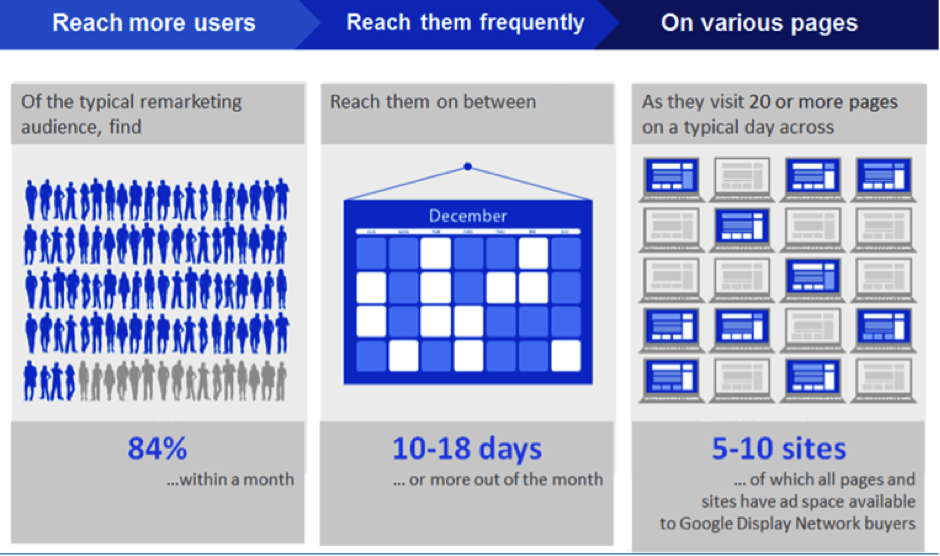
The reach of remarketing is extensive. On the Google Display Network alone, it covers over 92% of websites on the web. Other platforms like Facebook and Twitter offer equally precise targeting capabilities, allowing you to reach tagged users 10-18 times per month. This frequency ensures that your brand stays top-of-mind, increasing the likelihood of conversion. Moreover, studies indicate that remarketing is as effective, if not more so, than email, search, and other display campaigns.
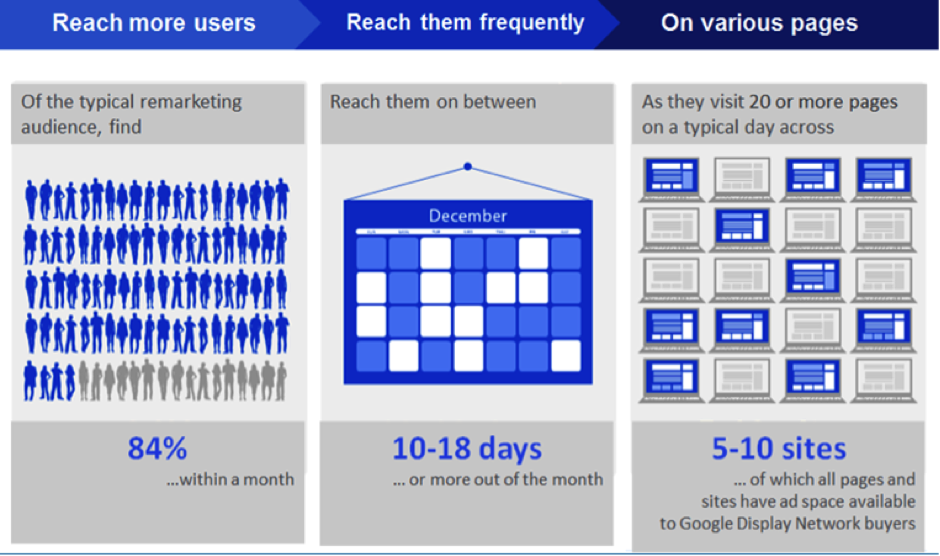
The core advantage of remarketing lies in its ability to reconnect with users who have already expressed some level of interest. Whether they visited a product page, added an item to their cart, or simply browsed your site, these users are warmer leads than cold traffic. By serving them relevant ads across the web, you can remind them of your value proposition and encourage them to complete their desired action. This targeted approach not only improves conversion rates but also enhances the overall user experience by delivering personalized content.
Why Remarketing Outperforms Traditional Ads
Traditional display ads often suffer from low engagement and high waste, as they target broad audiences with little regard for prior interest. Remarketing, on the other hand, focuses on users who have already interacted with your brand. This pre-existing relationship means that your ads are more likely to be noticed and acted upon. The click-through rates (CTR) for remarketing ads are significantly higher, which also positively impacts your Quality Score in platforms like Google Ads.
Furthermore, remarketing allows for precise audience segmentation. You can exclude users who are less likely to convert, thereby reducing wasted spend. You can also tailor your messaging to specific segments, such as those who abandoned their carts or those who visited specific product pages. This level of customization ensures that your ads are highly relevant, increasing the chances of conversion.
The Mechanics of Effective Remarketing
To maximize the impact of remarketing, you need to understand how it works and how to implement it effectively. The process begins with tagging visitors to your website or app. These tags allow you to serve targeted ads to these users as they browse other sites, watch videos, or use social media. The key is to ensure that your ads are relevant and timely, providing value rather than just noise.
Dynamic remarketing takes this a step further by showing users ads for the specific products or services they viewed. This personalization can dramatically increase conversion rates. For instance, a custom printer company found that dynamic remarketing campaigns yielded conversion rates 203% higher than regular display ads and 119% higher than regular remarketing campaigns. This data underscores the power of personalized advertising in driving conversions.

Another example from PPC Hero shows a conversion rate of 1.86% for a remarketing campaign compared to 1.19% for a regular display campaign. While these numbers may seem modest, they represent a significant improvement in efficiency and effectiveness. By focusing on users who have already shown interest, you can achieve higher conversion rates with lower costs per click.
Benefits of Integrating Remarketing into Your CRO
Integrating remarketing into your CRO strategy offers several distinct benefits. First, it increases brand exposure by keeping you top-of-mind among engaged users. This repeated exposure can build trust and familiarity, making users more likely to convert when they are ready. Second, it allows for precise targeting, enabling you to focus your budget on the most promising leads.
Additionally, remarketing ads tend to be “stickier,” maintaining high CTRs even after multiple exposures. Users are more likely to engage with an ad they have seen before if it is relevant to their interests. This sustained engagement can lead to a series of small conversions, such as signing up for an email list or downloading an ebook, which can eventually lead to a sale. Finally, remarketing can improve your ROI by reducing costs per click and increasing the overall efficiency of your ad spend.
Implementing a Remarketing Strategy
Implementing a remarketing strategy requires careful planning and execution. Start by defining your audience segments. Who are the users you want to re-engage? Are they cart abandoners, product page visitors, or past customers? Once you have identified your segments, create tailored ad copy and creatives for each group. This personalization is crucial for maximizing relevance and engagement.
Next, set up your remarketing tags on your website or app. Most advertising platforms provide easy-to-install code snippets that track user behavior. Ensure that these tags are functioning correctly and that you are collecting the necessary data to build your audience lists. You may also want to consider using dynamic remarketing to show users ads for the specific products they viewed.
Finally, monitor and optimize your campaigns regularly. Track key metrics such as CTR, conversion rate, and cost per acquisition. Use this data to refine your targeting, adjust your bids, and improve your ad creatives. Remember that remarketing is an ongoing process, and continuous optimization is essential for long-term success.
Practical Steps for Success
To ensure your remarketing efforts are successful, follow these practical steps:
- Define Clear Objectives: What do you want to achieve with your remarketing campaigns? Is it to recover abandoned carts, promote new products, or re-engage past customers?
- Segment Your Audience: Create detailed audience segments based on user behavior. This allows for more personalized and relevant advertising.
- Craft Compelling Ad Copy: Write ad copy that speaks directly to the needs and interests of each segment. Use clear calls-to-action and highlight unique value propositions.
- Test and Iterate: Continuously test different ad creatives, messaging, and targeting parameters. Use A/B testing to identify what works best.
- Monitor Performance: Regularly review your campaign performance and make adjustments as needed. Pay attention to metrics like CTR, conversion rate, and ROI.
By following these steps, you can build a robust remarketing strategy that enhances your overall CRO efforts. Remember that the goal is not just to show more ads, but to show the right ads to the right people at the right time.
Looking Beyond Traditional CRO Tactics
While remarketing is a powerful tool, it is just one piece of the CRO puzzle. To truly excel, you need to adopt a holistic approach that combines multiple strategies. This includes optimizing your landing pages, improving your user experience, and leveraging data-driven insights. By integrating remarketing with these other tactics, you can create a seamless journey for your users that guides them from awareness to conversion.
At AEO/GEO, we believe that the future of CRO lies in intelligent content automation and distribution. By leveraging AI-driven insights, businesses can create and optimize content that resonates with their audience and performs well in AI-generated search results. This approach not only improves conversion rates but also ensures that your brand remains visible in the evolving digital landscape.
As you rethink your CRO strategy, consider how you can incorporate remarketing and other advanced tactics to drive growth. The data is clear: exceptional performance requires exceptional strategies. By moving beyond the average and embracing innovation, you can unlock new levels of success for your business. The question is not whether you can afford to try these tactics, but whether you can afford not to.





