Semantic Content Strategy: Entity-First Topic Clusters for AI
Stop memorizing flashcards for a test you can’t pass. That was the old SEO playbook: stuff pages with keywords, hope the search engines liked your repetition, and pray for traffic. It’s like cramming vocabulary words without understanding the sentence structure—you might ace the quiz, but you’ll fail the conversation.
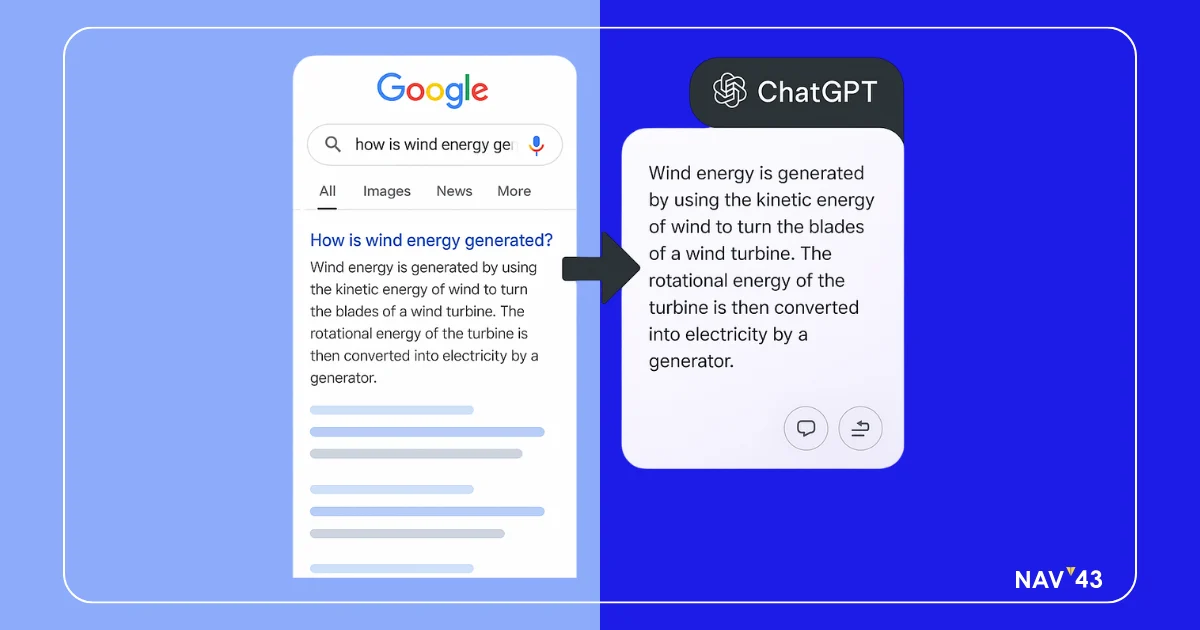
Today, AI search engines don’t just scan for matching strings; they read for context, relationships, and authority. This shift demands a Semantic Content Strategy that focuses on meaning over mere repetition. Instead of treating Google like a robot grading sheet answers, treat it like a professor listening to your argument. You need to demonstrate deep understanding, not just rote memory.
When you build content around entities and intent rather than isolated keywords, you stop playing guessing games with algorithms. You become the trusted source the AI cites because your content actually makes sense. This isn’t about technical hacks or complex coding. It’s about becoming an authority that artificial intelligence trusts enough to recommend to its users.
What Is Semantic Content Strategy? Beyond Keywords
Imagine trying to learn a new language by only memorizing individual words. You might know that “run” means to move fast and “marathon” is a long race, but without understanding how they connect, you can’t form the sentence “I want to run a marathon.” Traditional SEO operated on this exact principle. It treated search engines like simple dictionaries, matching isolated keywords to page titles. A Semantic Content Strategy flips this model entirely. Instead of chasing specific word strings, you build content that communicates meaning, context, and intent. You stop writing for robots who scan for tags and start writing for intelligent systems that understand relationships.
The Shift From Words to Entities
To grasp this shift, you must distinguish between a keyword and an entity. A keyword is merely a sequence of characters—text without inherent meaning. “Apple” is just five letters. An entity, however, is a distinct thing, person, or concept that Google’s AI recognizes as unique in the world. When you mention Apple Inc., Tesla, or even complex ideas like “supply chain resilience,” search engines tag these as entities with specific attributes, history, and connections to other concepts.
Think of it this way: if keywords are bricks, entities are the entire architectural blueprint. Search engines don’t just count how many times you say “Apple.” They analyze whether you’re discussing a tech giant headquartered in Cupertino or a crisp, red fruit grown in Washington state. If your article mentions “iPhone,” “Tim Cook,” and “iOS updates” alongside “Apple,” the AI instantly categorizes it as the technology brand. This is semantic search in action—the engine knows what you mean because the surrounding context confirms the entity’s identity.
Why Context Is King in the AI Era
This distinction matters more now than ever because AI models have evolved far beyond simple text scanning. Modern AI Search Optimization relies on understanding context, relationships, and authority. When an AI reads your website, it isn’t just looking for keyword matches; it’s evaluating whether you demonstrate genuine expertise on a topic. It looks for the network of related entities that surrounds your main subject.
Consider the difference between two metrics:
- Keyword Density: How often a specific word appears in your text. This is largely obsolete and can trigger spam filters if overused.
- Semantic Density: The richness of relevant concepts, synonyms, and related entities packed into your content. High semantic density signals to AI that you are an authority on the subject, not just someone repeating a phrase.
By focusing on semantic density, you create content that answers the intent behind a search, not just the literal query. This approach aligns perfectly with how users interact with modern search engines, expecting comprehensive, intelligent answers rather than fragmented lists of links.
How AIs Read Your Website: The Role of NLP
Natural Language Processing (NLP) is the technology that allows AI models to read, interpret, and understand human language rather than just scanning for text matches. Think of NLP as the AI’s eyes and brain working together. When an AI crawls your website, it doesn’t “read” your article like a human does—line by line, with emotional context. Instead, it breaks every sentence down into small units called tokens. These tokens are chunks of words or even parts of words that help the system identify grammar structures, subject-verb relationships, and contextual meaning. By analyzing how these tokens connect, AI can determine whether your content is factually accurate, relevant to the user’s query, and written by someone who actually knows the subject.
Understanding Semantic Density
One of the most critical concepts in modern AI Search Optimization is semantic density. This refers to how densely packed your content is with relevant sub-topics, synonyms, and related entities surrounding a central theme. High semantic density signals to AI that you are an authority on the subject, not just someone repeating a single phrase.
Consider this concrete example: Imagine you are writing a guide about “espresso machines.” A low-density article might repeatedly say “buy espresso machines” or “best espresso machine prices.” An AI would likely view this as thin content lacking depth. However, if your article also discusses grind size, water pressure levels, tamper technique, and bean origin profiles, you are creating a rich semantic web. You are showing the AI that you understand the entire ecosystem surrounding the core entity (“espresso machine”).
When you cover these related attributes, you increase the likelihood that your content will be selected as a source for AI-generated answers. The AI recognizes the connection between “grind size” and “espresso quality,” and it trusts your page to provide a comprehensive answer because the entities are logically linked. This approach moves you far beyond simple keyword usage and into true NLP and SEO alignment.
You Don’t Need to Be a Coder
It is easy to feel intimidated by terms like “Natural Language Processing” or “entity extraction,” but you do not need to understand the underlying code to benefit from it. The goal of this AI Content Strategy for the AI Era is simply to write thoroughly and naturally.
Instead of worrying about algorithms, focus on being a helpful teacher. Ask yourself: “If I were explaining this topic to a friend, what specific details would they ask about?” Cover those details. Use clear definitions. Connect your ideas with logical transitions. By prioritizing clarity and depth, you automatically optimize for the way AI reads the web. The technology rewards content that answers questions completely, so just keep writing with empathy and expertise in mind.
Building Entity-First Topic Clusters
Think of your website not as a scattered collection of blog posts, but as a library. In the old SEO days, you had isolated books labeled with keywords. Today, with Topic Clusters for AI, you’re building interconnected shelves where every book references others, creating a rich web of knowledge that AI engines can easily navigate and trust.
A topic cluster starts with a central “pillar” page—a comprehensive guide on your main subject (e.g., “Sustainable Gardening”). This pillar links out to smaller, specific articles about subtopics like “composting methods,” “drought-resistant plants,” or “soil pH balancing.” Crucially, those subtopic pages link back to the pillar. This structure signals to search algorithms that you cover the subject holistically, not just in fragments.
The Shift from Keywords to Entities
This is where Entity-First SEO changes the game. Instead of targeting high-volume keywords like “gardening tips,” you start with the core entity: Sustainable Gardening. An entity is a distinct concept that AI understands as a “thing” with attributes, relationships, and context.
Your goal is to map out everything related to that central entity. Don’t just list keywords; identify the people, actions, tools, and sub-concepts tied to it. For “Sustainable Gardening,” your entities might include:
- People: Permaculture designers, local extension agents
- Actions: Crop rotation, rainwater harvesting
- Tools: Drip irrigation systems, organic fertilizers
By covering these connections in depth, you build semantic density. You’re not guessing what users type; you’re proving you understand the subject matter enough to discuss its nuances.
Step-by-Step Entity Mapping Framework
Here’s how to map your entities logically:
- Identify the Core Entity: Choose your main pillar topic (e.g., “Remote Work Software”).
- List Related Attributes & Actions: Brainstorm every angle. For software, this includes features (video calls, screen sharing), use cases (daily standups, client demos), and pain points (lag, security).
- Group into Subtopics: Cluster these attributes into 5-10 distinct sub-topics. These become your satellite articles.
- Create Content & Link: Write each satellite piece, ensuring it links back to the pillar and to other relevant satellites. This creates a closed loop of authority.
Old Keyword Silo vs. New Entity Cluster
See how this differs from traditional methods:
| Feature | Old Keyword Silo Approach | New Entity-First Cluster Approach |
|---|---|---|
| Focus | Targeting individual keywords (e.g., “best coffee maker”) | Covering an entire entity (e.g., “Coffee Brewing Methods”) |
| Structure | Isolated pages with little internal linking | Interconnected web via pillar-satellite links |
| AI Signal | Low context; hard for AI to determine expertise | High semantic density; clear topical authority |
| User Journey | Fragmented; users may bounce after one answer | Guided; users explore related depths naturally |
Internal Linking: The Glue of Semantic Web
Internal linking isn’t just for site navigation anymore—it’s the primary signal for AI crawlers. When you link from a satellite article about “grind size” back to your pillar on “Espresso Machines,” you’re telling the AI: This concept belongs to this entity. It helps algorithms map relationships and understand hierarchy. Without strong internal links, even great content remains invisible islands. With them, you build a cohesive network that AI Search Optimization algorithms reward with higher visibility and trust.
Practical Tools & Tactics for Semantic Optimization
Understanding the theory is one thing; executing it is another. You don’t need a PhD in computer science to win at AI Search Optimization. In fact, some of the most effective tactics are surprisingly simple adjustments to how you structure and present your existing information. The goal here isn’t to trick an algorithm but to make your content so clear, structured, and useful that AI models have no choice but to cite you as a source of truth.
1. Turn FAQs into Entity Hubs
Most businesses treat Frequently Asked Questions (FAQs) as an afterthought—a block of text at the bottom of a page to satisfy customers. For Generative Engine Optimization, FAQs are gold mines. AI models love clear question-and-answer pairs because they mirror the way humans think and speak. Instead of writing vague answers, be specific. If you sell artisanal coffee beans, don’t just answer “How do I brew coffee?” Answer, “What grind size is best for French Press brewing with medium-roast Ethiopian beans?”
This specificity signals to the AI that you understand the granular details of your entity (coffee). It connects related entities—grind size, French Press, roast level, origin—into a single, authoritative answer. This is how you boost your chances of appearing in featured snippets and AI-generated responses. Aim for 5-10 highly specific questions per pillar page that address the exact pain points and curiosities of your audience.
2. Use Schema Markup as Context, Not Magic
Schema markup often gets a bad rap because people treat it like “magic dust”—they add it and expect immediate ranking boosts. That’s not how it works. Think of structured data as explicit labels on the back of a library book. It tells the AI crawler: “This piece of text is a review,” or “This image is a product,” or “This person is the author.”
You don’t need to code this from scratch. Use tools like Google’s Structured Data Markup Helper or plugins for your CMS (like WordPress). Start with Organization schema for your homepage and Product or LocalBusiness schema for your key pages. This doesn’t guarantee a #1 ranking, but it drastically reduces the chance of an AI misinterpreting your content. If the AI knows exactly what your content is, it can categorize and retrieve it much faster when answering user queries.
3. Find the “Semantic Gap” in Competitor Content
One of the easiest ways to win is to see where others are failing. Use free or low-cost SEO tools (like SEMrush, Ahrefs, or even Google’s “People Also Ask” box) to analyze your top three competitors. Look for what they aren’t covering. Are they missing specific attributes? Are they ignoring related sub-topics?
For example, if a competitor writes about “best running shoes” but never mentions “pronation control” or “arch support,” that’s a semantic gap. By creating content that addresses these missing entities, you become the more comprehensive source. AI models favor completeness. If your page covers 90% of the related concepts and theirs cover only 50%, you win the authority battle.
4. Avoid “AI Slop” with Unique Data
This is the most critical warning: Do not let AI write your entire strategy without human oversight. Generic, bland content generated by basic prompts lacks unique entity connections. It sounds correct but feels empty. This is often called “AI slop,” and search engines are getting better at deprioritizing it.
To combat this, inject your own experience. Include specific data points, case studies with real numbers, or personal anecdotes that only you can provide. If you’re writing about CRM software, don’t just list features. Share the exact month-over-month growth rate your team saw after switching to a new tool. Unique data creates unique entity relationships that no other site can replicate. This human insight is what builds true topical authority and keeps you ahead of automated content farms.
Quick Wins for This Week
- Audit one pillar page: Add 5 specific FAQ items based on real customer questions.
- Add Schema: Implement basic Product or LocalBusiness schema on your key service pages.
- Expand depth: Pick one existing blog post and add a section covering a related entity you missed (e.g., add “maintenance tips” to a “product review”).
- Inject data: Find one paragraph of generic advice and replace it with a specific statistic or personal case study.
Why This Matters for Your Brand’s Authority
Building a Semantic Content Strategy isn’t just about pleasing search algorithms; it’s the most effective way to prove your brand’s credibility to both humans and machines. At its core, this approach directly supports E-E-A-T standards: Experience, Expertise, Authoritativeness, and Trustworthiness. When you create content that covers a topic through interconnected entities rather than isolated keywords, you signal to AI models that you possess genuine knowledge, not just guesswork.
Building Topical Authority Over Time
Topical authority doesn’t happen overnight with a single well-written article. It is built consistently over time by maintaining broad and deep coverage of specific entities relevant to your industry.
Think of it like building a reputation in a small town. If you only talk about one aspect of a subject, people see you as a novice. But if you can discuss the history, current trends, technical details, and future implications of that subject, you become the go-to expert.
By consistently producing content that links related concepts together, you reinforce your brand’s position as a trusted source. Search engines and AI systems track these connections. The more thoroughly you map out the relationships between entities in your niche, the stronger your signal becomes. This is the essence of Entity-First SEO—prioritizing comprehensive understanding over superficial keyword matches.
A Case Study in Visibility
Consider a hypothetical scenario involving a small company specializing in sustainable coffee equipment. Initially, they published blog posts targeting high-volume keywords like “buy espresso machine.” Despite decent traffic, conversions remained low, and they struggled to rank against giant retailers.
They shifted their strategy to focus on Topic Clusters for AI. Instead of just selling products, they created a comprehensive cluster around the entity “Specialty Coffee Brewing.” This included deep dives into:
- Water mineral content and its effect on taste
- The chemistry of extraction ratios
- Environmental impact of different coffee filters
- Maintenance schedules for various machine types
Within six months, their visibility skyrocketed. Why? Because when a user (or an AI assistant) asked complex questions like “How does water hardness affect espresso crema?”, this brand’s content provided the complete, nuanced answer. They didn’t just list products; they demonstrated expertise. The AI recognized their content as the most authoritative source because it covered the topic holistically, not just transactionally.
Why AI Favors Complete Answers
AI models are designed to synthesize information, not just retrieve strings of text. They favor sources that provide complete, interconnected answers over fragmented snippets.
If your website offers a networked web of knowledge where every piece supports another, you become a preferred citation for generative engines. Conversely, isolated pages with thin content are often ignored because they lack the contextual depth required to form a reliable answer. By embracing an AI Content Strategy for the AI Era, you ensure your brand is not just visible, but indispensable as a source of truth.
The era of keyword stuffing is over. We’ve moved from a world where users blindly searched for phrases to one where AI systems deeply understand intent. Your website should no longer feel like a scattered collection of isolated pages competing for attention. Instead, view it as a living library of interconnected knowledge—a structured web where every concept reinforces the others. This shift is the core of AI Search Optimization.
When you build with this mindset, you aren’t just ranking; you’re establishing undeniable topical authority. AI engines don’t just scan for text anymore; they read for context, relationships, and expertise. By treating your content as a cohesive semantic entity rather than disjointed articles, you position your brand as the trusted source in an increasingly noisy digital landscape.
So, where do you start? Don’t try to overhaul everything at once. Pick one key pillar page today. Apply the entity-mapping framework we discussed to map out its related concepts, attributes, and connections. You’ll be surprised at how quickly this simple audit transforms fragmented information into a powerful narrative that AI engines—and your customers—can truly understand.
AEO/GEO
Want to learn more?
Contact us for direct consultation and support.