The Case for an AI Rating System
Artificial intelligence is increasingly woven into the fabric of our daily lives, yet we lack the standardized signposts that help us evaluate its appropriateness, especially for younger users. Just as we have come to rely on film ratings to gauge the nature of media content, the rapid expansion of generative AI tools necessitates a similar framework for public transparency and safety. An AI rating system acts as a set of guardrails for users, offering insight into how specific tools handle privacy, bias, and human agency before they are widely adopted in homes and classrooms.


Defining the Need for Standards
An AI rating system is a standardized framework designed to evaluate and communicate the safety, transparency, and suitability of artificial intelligence tools for different demographics, particularly children and students. By providing clear indicators similar to nutritional labels, these systems help users understand the potential risks and benefits associated with specific technologies, such as large language models or image generators. Without such a system, users are left to guess the safety profile of a tool, which is an untenable position given the rapid proliferation of these platforms.
Why Transparency Matters
When we consider the integration of AI into educational and personal spaces, the need for these signposts becomes clear. Without a shared language for safety, parents and educators often face a void of information, making it difficult to discern which tools are constructive and which might introduce unintended risks. Establishing these standards is not merely about restriction; it is about fostering a more informed and responsible engagement with technology as it evolves. By prioritizing transparency, developers can build long-term trust with their user base.
Practical Steps for Evaluation
For those looking to assess AI tools today, consider these three pillars of evaluation:
- Data Handling: Does the tool clearly state how it stores or uses your input data?
- Age Appropriateness: Are there specific restrictions or parental controls included in the interface?
- Accuracy and Bias: Does the developer provide documentation on the limitations of the training data?
The Partnership: OpenAI and Common Sense Media
In a move that signals a broader shift toward industry accountability, OpenAI recently partnered with the nonprofit organization Common Sense Media. This collaboration is focused on developing educational materials regarding AI safety and curating family-friendly versions of GPTs. Rather than viewing the nonprofit’s rigorous review process as a hurdle, OpenAI appears to be embracing the external scrutiny, acknowledging that public confidence is essential for the long-term adoption of their technology.
The Criteria for Accountability
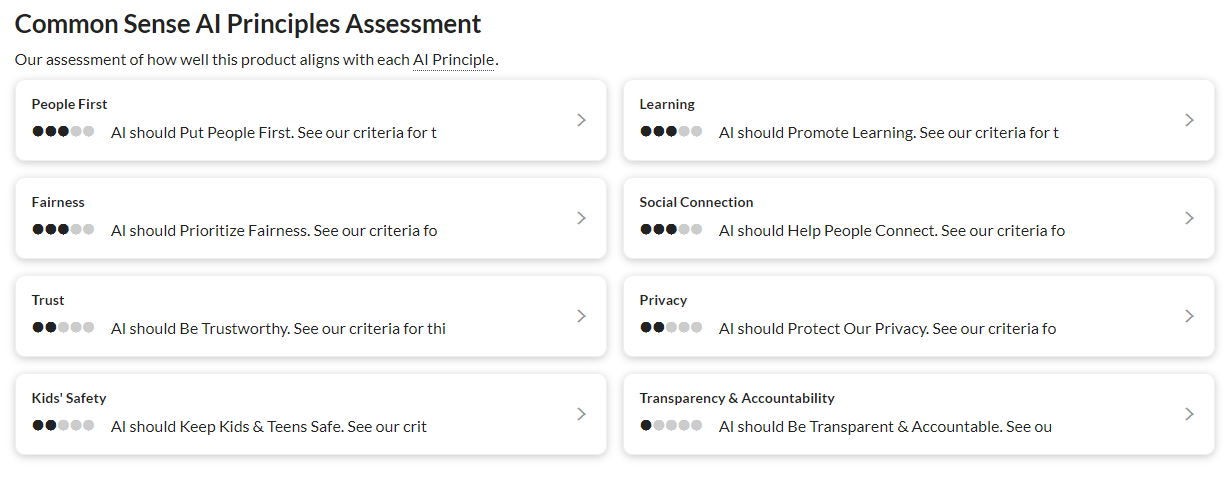
Common Sense Media evaluates tools based on criteria that go beyond basic functionality. Their reviews incorporate factors such as privacy, transparency, and accountability, alongside more complex considerations like the protection of human dignity and the support of human-in-the-loop frameworks. This comprehensive approach ensures that tools are measured not just by their technical capability, but by their alignment with societal values and the protection of vulnerable users.
| Criteria Category | Focus Area |
|---|---|
| Privacy | Data collection and user anonymity |
| Trust | Reliability of information and output |
| Transparency | Clarity on how the AI model functions |
| Safety | Protection against harmful or biased content |
| Human Agency | Maintaining adult and user control |
Bridging the Gap
This partnership suggests that major AI developers recognize the value of independent oversight. By aligning with an organization known for its critical stance on media, companies are signaling a willingness to participate in the conversation about what constitutes responsible AI development. It is a necessary step toward bridging the gap between the rapid pace of technical innovation and the slower, more deliberate process of developing societal norms. This collaboration serves as a model for how other tech companies might approach public safety in the future.
Common Mistakes in Tool Adoption
Many organizations make the mistake of adopting AI tools based solely on hype or feature lists. A common oversight is failing to review the terms of service regarding data privacy. By relying on external rating systems, users can avoid the pitfall of assuming that “popular” equates to “safe.” Always verify that the tool has been vetted for the specific environment in which it will be used, whether that is a school district or a corporate office.
Evaluating AI Performance and Risks
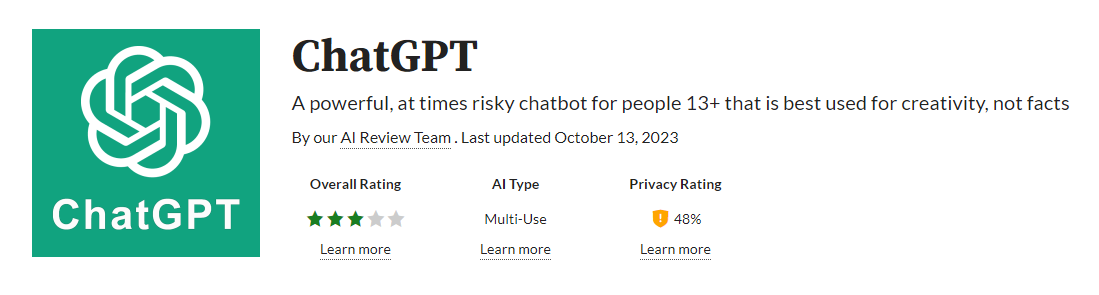
Despite the collaborative spirit, the ratings provided by independent bodies can be surprisingly candid, often highlighting significant shortcomings in current AI products. For instance, ChatGPT has received mixed reviews, with some assessments labeling it as a powerful but risky tool that requires careful supervision, particularly for users under the age of 13. Similarly, image-generation tools like Dall-E have faced scrutiny for their potential to perpetuate stereotypes or generate inappropriate outputs.
The Role of Critical Feedback
These critical ratings are vital because they provide a realistic counterpoint to the marketing narratives often surrounding new AI releases. A low rating does not necessarily mean a product has no value; rather, it indicates that users must exercise caution and maintain oversight. Transparency regarding these limitations is what allows parents and educators to make informed choices rather than relying on guesswork or promotional claims. When developers receive this feedback, it often drives them to patch vulnerabilities and improve safety features.
Building AI Literacy
Ultimately, the goal of these ratings is to provide a baseline for AI literacy. As we see more students integrating AI into their workflows—often outpacing their parents’ understanding of the technology—the availability of clear, accessible reviews becomes even more important. These ratings serve as a starting point for deeper discussions about the responsible use of technology, rather than serving as the final word on whether a tool should be permitted in specific environments. Literacy is not just about knowing how to prompt a model; it is about understanding the implications of the model’s output.
Checklist for Educators
When introducing AI into the classroom, consider this checklist:
- Review the Rating: Check if the tool has been audited by a third party.
- Test for Bias: Run a few test prompts to see how the model handles sensitive topics.
- Set Clear Boundaries: Establish rules for when AI is permitted and when it is not.
- Monitor Usage: Keep an eye on how students are interacting with the tool to ensure they are using it as a supplement, not a replacement for learning.
Building a Future of Informed AI Engagement
Developing an AI rating system is a complex undertaking that requires ongoing collaboration between developers, researchers, and the public. As we move forward, the focus must shift from simply releasing new features to ensuring that these technologies are built with safety and ethical considerations at their core. This involves not only creating better models but also investing in the education of the users who will interact with them daily.
The Business Case for Transparency
For businesses and organizations, the lesson is clear: visibility in the AI era is not just about rankings or search engine presence. It is about establishing trust through transparency and responsible practices. As generative search continues to evolve, brands that prioritize clear, ethical, and helpful content will naturally stand out. Understanding how these tools are perceived and rated by the public is a critical component of a modern digital strategy. Companies that ignore these signals risk alienating a public that is becoming increasingly savvy about the risks of unvetted technology.
The Path Forward
Ultimately, the responsibility for navigating the AI landscape remains a shared one. While rating systems and guidelines provide necessary structure, the final determination of how to use these tools safely rests with the humans behind the screens. By fostering a culture of curiosity and critical thinking, we can ensure that AI serves as a tool for progress rather than a source of unintended consequences. We must view these rating systems as living documents that evolve alongside the technology itself.
Long-term Implications for Accountability
The future of AI will likely be defined by how well we integrate these systems into our daily lives. If we succeed, we will see a landscape where users feel empowered to experiment with new tools because they understand the risks involved. If we fail, we risk a cycle of distrust that could stifle innovation. The path forward requires a persistent commitment to transparency, where the creators of AI and the users of AI work in tandem to define the boundaries of what is acceptable and what is not. By maintaining this focus, we ensure that technological advancement remains aligned with our broader human goals.





