The Strategic Imperative of Social Media for Nonprofits
Social media is no longer just a channel for casual updates; it is a fundamental infrastructure for nonprofit engagement and mission advancement. For mission-driven organizations, the digital landscape offers a unique opportunity to amplify impact without the steep costs associated with traditional advertising. The data supports this shift significantly. According to industry benchmarks, approximately 55% of individuals who engage with nonprofit content on social platforms take subsequent action. This action spectrum is broad and valuable, ranging from direct monetary donations and volunteer sign-ups to active participation in community events.

Consider the mechanism of this engagement. A user scrolling through their feed encounters a post from an animal welfare organization. The visual storytelling and clear mission statement resonate deeply. That moment of connection often translates directly into a donation or a commitment to volunteer. This pathway from awareness to action is what makes social media indispensable. It allows organizations to meet their target audience where they already spend a significant portion of their day, reducing the friction between learning about a cause and supporting it.
The core value proposition lies in three primary areas. First, social media generates awareness for causes that might otherwise struggle to gain traction. Second, it provides a platform to showcase tangible impact, proving to stakeholders that their support yields real-world results. Third, it expands fundraising efforts by maximizing the reach of campaigns and enabling direct donation collection through platform-specific tools. Understanding these dynamics is the first step in building a strategy that works.
Defining Clear Goals and Benchmarks
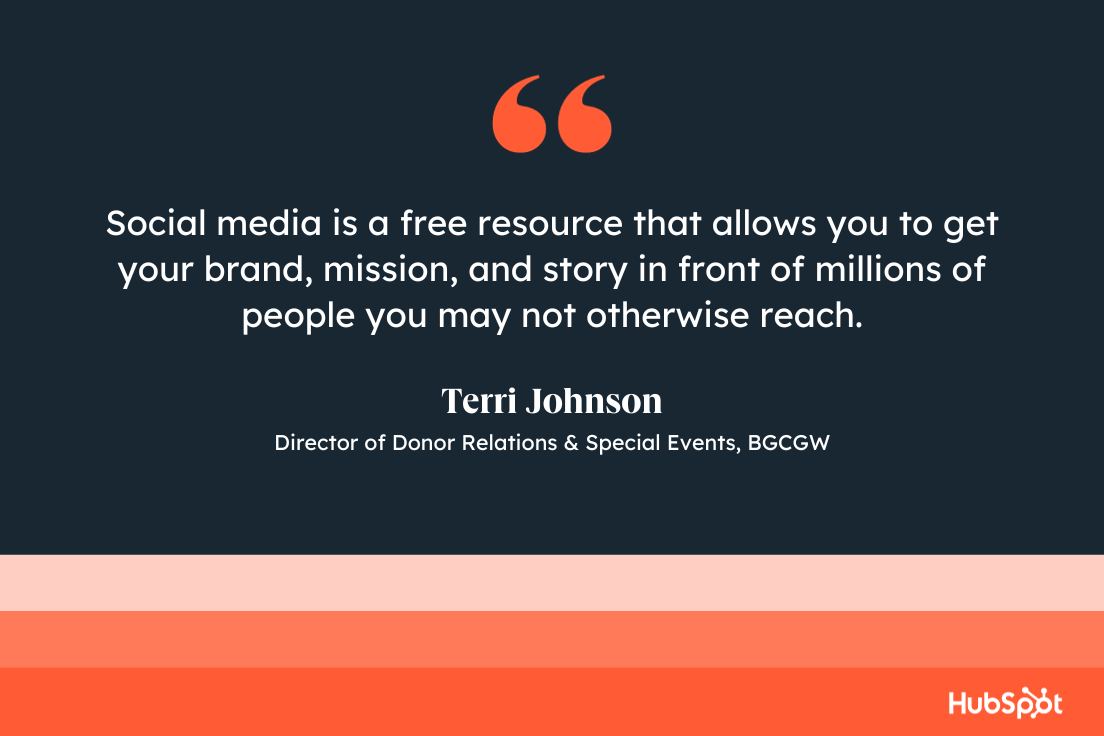
Before posting a single image or drafting a caption, it is essential to establish what success looks like. Without clear benchmarks, measuring the effectiveness of social media efforts becomes nearly impossible. Terri Johnson, Director of Donor Relations & Special Events at the Boys & Girls Clubs of Greater Washington (BGCGW), emphasizes this point. She notes that it is difficult to measure success if there is nothing to compare it against. This principle applies universally across all marketing disciplines, not just social media.
Setting goals requires aligning social media activities with broader organizational objectives. If the primary strategic goal is fundraising, then social metrics should reflect donation conversions and click-through rates to donation pages. If the goal is brand awareness, metrics might focus on reach, impressions, and follower growth. Mapping these goals back to strategic objectives ensures that every post serves a purpose beyond mere visibility. It transforms social media from a broadcasting tool into a measurable engine for organizational growth.
A practical approach involves setting specific, measurable, achievable, relevant, and time-bound (SMART) goals. For instance, instead of aiming to “get more likes,” a nonprofit might aim to “increase engagement rate by 10% over the next quarter through targeted storytelling.” This clarity allows teams to assess whether the effort invested yields a proportional return. It also provides a framework for adjusting strategies based on performance data, ensuring continuous improvement and resource optimization.
Selecting the Right Platforms for Your Audience
Resource constraints are a reality for most nonprofits. Staff members often wear multiple hats, and time is a scarce commodity. Therefore, the misconception that an organization must be present on every social media platform is counterproductive. Quality of engagement matters far more than quantity of presence. The key is to identify which platforms are most popular with your specific target demographic and focus your efforts there.
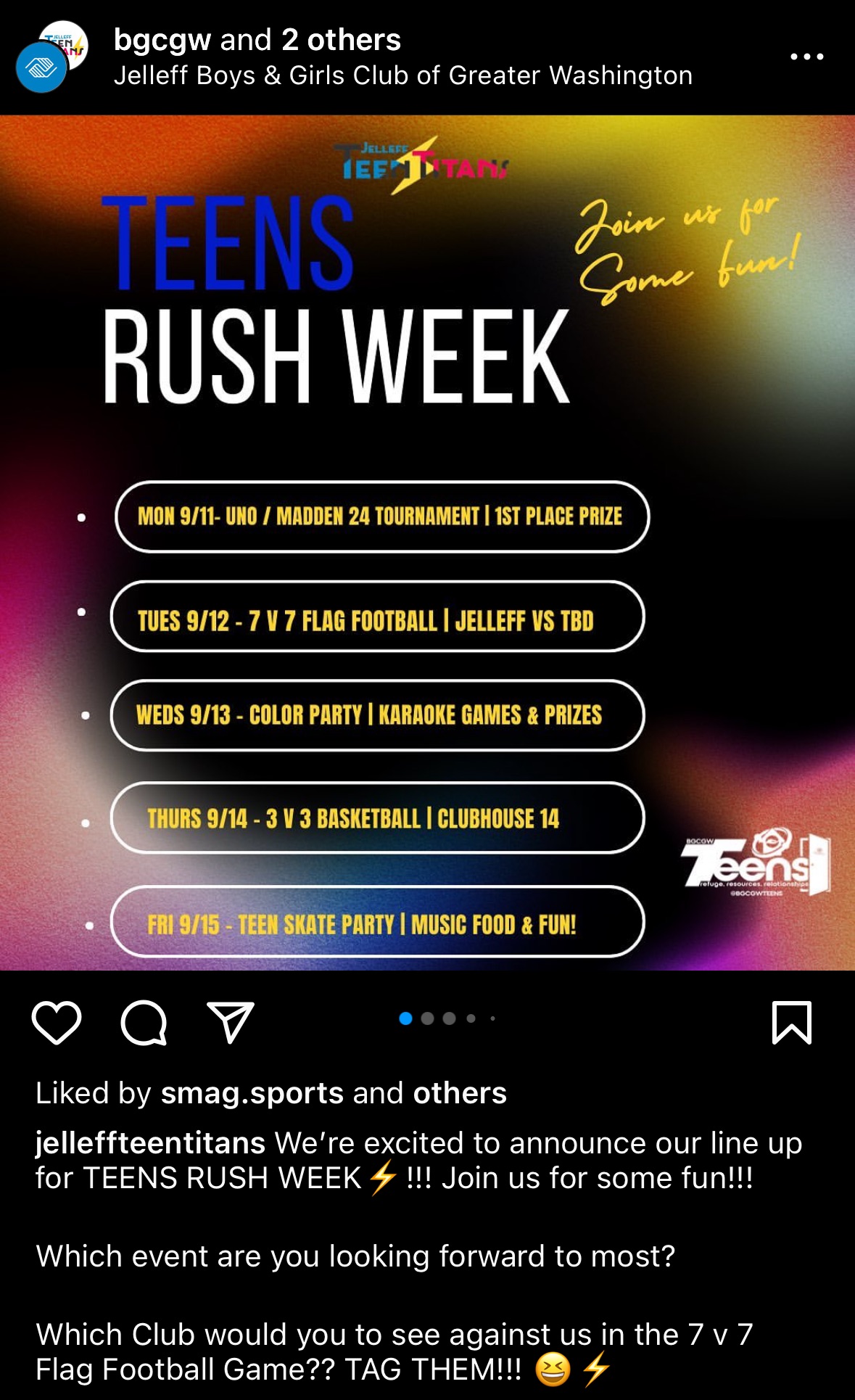
Demographic data provides valuable guidance here. Instagram, for example, skews younger, with a significant portion of its user base falling within the 18-24 age range. Facebook, on the other hand, has a strong presence among users aged 25-44. BGCGW leverages this insight effectively. They use Instagram to appeal to teen members and young professionals, sharing content that resonates with this demographic’s interests and communication style. On Facebook, they focus on content relevant to parents and adults, who are often key donors and volunteers.
This targeted approach ensures that resources are not diluted across ineffective channels. It allows for deeper engagement with the audiences that matter most. By understanding where your supporters spend their time, you can tailor your content to fit the context of each platform. This strategy not only maximizes impact but also prevents burnout among staff members who might otherwise feel pressured to maintain a presence everywhere.
Leveraging Visual Storytelling for Impact
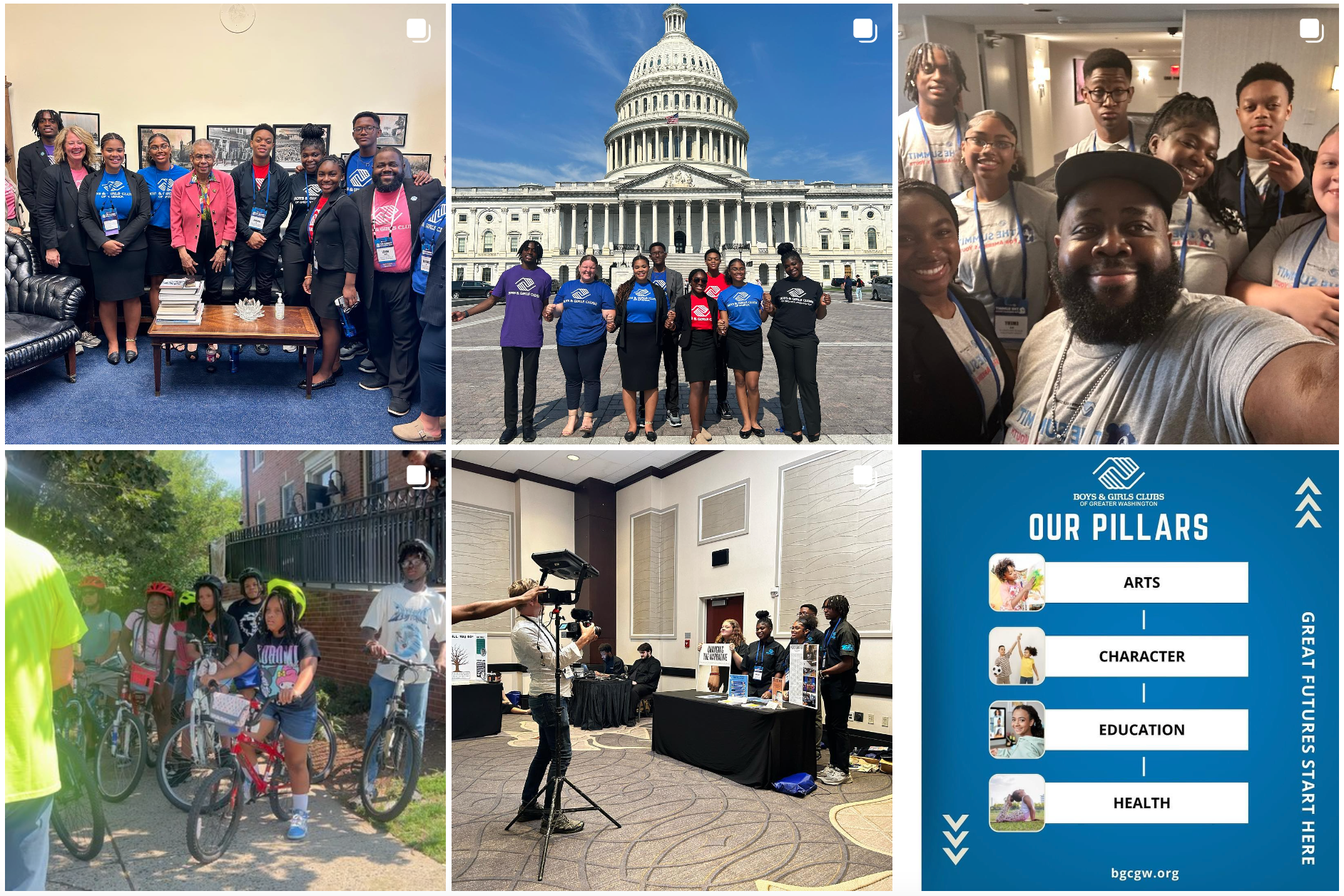
In the fast-paced environment of social media, visuals capture attention more effectively than text alone. For mission-driven organizations, a picture can indeed be worth a thousand words. Visual storytelling allows nonprofits to humanize their mission and showcase the real-world impact of their work. Terri Johnson suggests telling stories through imagery, highlighting the young people supported by BGCGW every chance they get.
This approach does more than just look good; it builds emotional connections. When supporters see the faces of those being helped, the abstract concept of “charity” becomes tangible. It fosters empathy and trust, which are critical for long-term donor retention. High-quality images and videos of program participants, events, and behind-the-scenes moments provide an inside look at the organization’s operations. This transparency reinforces credibility and demonstrates that the organization is active and effective.
Consider the difference between a text-only post about a fundraising goal and a video showing the direct impact of previous donations. The latter is far more likely to inspire action. Visuals should be authentic and representative of the community served. Avoid overly staged or stock imagery, which can feel disconnected from reality. Instead, capture genuine moments that reflect the organization’s values and mission. This authenticity resonates with audiences and encourages them to share the content, further amplifying its reach.
Cultivating Authenticity and Community Engagement
Authenticity is a cornerstone of effective social media strategy. Audiences are increasingly savvy and can detect insincerity from a mile away. Being genuine allows an organization to showcase what makes it unique and separate itself from the noise. Terri Johnson notes that social media is a great way to give target audiences an inside view of the organization. This transparency builds trust and fosters a sense of community.
Building a community goes beyond broadcasting messages; it involves active engagement. This means responding to comments, answering questions, and initiating conversations. It also includes recognizing and thanking supporters. BGCGW frequently mentions its partners and sponsors, giving them shout-outs that build brand recognition and reinforce relationships. This mutual support highlights the commitment of both the nonprofit and its partners to the community.
Engagement should be a two-way street. Encourage followers to share their own stories, ask questions, and participate in discussions. User-generated content can be a powerful tool for community building. When supporters feel heard and valued, they are more likely to become advocates for the cause. This organic advocacy is often more effective than paid advertising because it comes from trusted sources within the community. Authenticity and engagement work together to create a loyal and active supporter base.
Utilizing Platform-Specific Tools and Perks
Many social media platforms offer specific tools and perks designed to support nonprofits. Leveraging these resources can significantly enhance an organization’s online presence and fundraising capabilities. For example, Google Ad Grants provide free and discounted search ad credits for eligible nonprofits. BGCGW has utilized this opportunity multiple times, reporting positive results in terms of visibility and engagement.
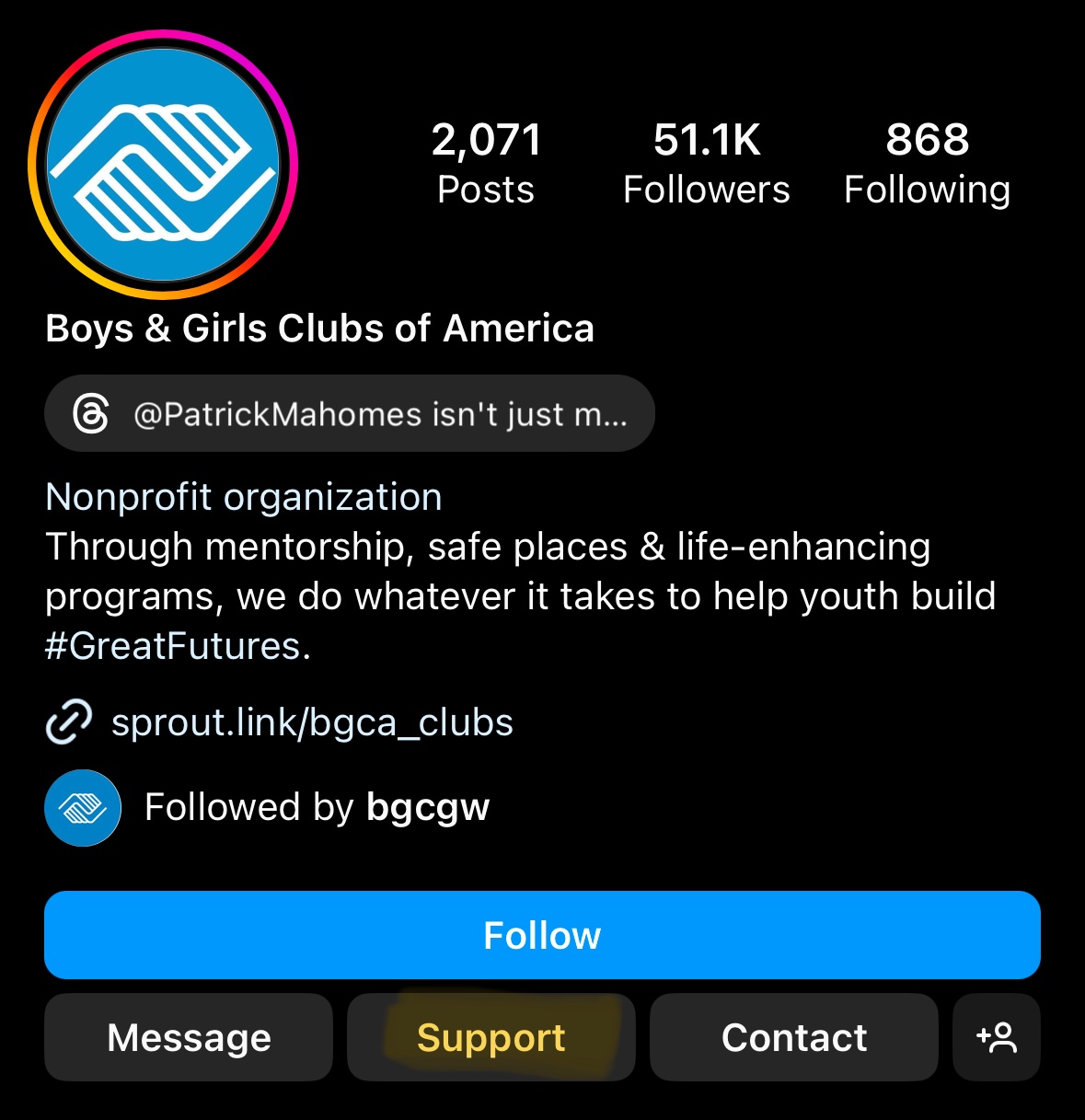
Platform-specific tools are equally valuable. Facebook and Instagram offer built-in fundraising features that simplify the donation process. Organizations can add a “Support” button to their profile or use clickable “Donate” stickers in Stories. These features reduce friction for potential donors, making it easier for them to contribute with just a few clicks. This convenience can lead to higher conversion rates and increased donation volumes.
It is important to research and take advantage of these perks. They are designed to help nonprofits maximize their social media investment. By integrating these tools into your strategy, you can enhance your reach and effectiveness without increasing your budget. This proactive approach ensures that you are getting the most out of every platform you use, turning social media into a more efficient and impactful channel for your mission.
Integrating AI Tools for Content Efficiency
While authenticity is crucial, efficiency is also important for resource-constrained teams. Artificial intelligence (AI) writing tools can play a supportive role in content creation. These tools are not a replacement for human creativity but rather a source of inspiration and efficiency. They can help generate topic ideas, draft initial copy, and summarize long-form content into bite-sized posts.
For example, an AI tool can be prompted to create an Instagram post promoting a specific event within a word limit. It can also draft a Facebook post summarizing a new initiative or a tweet asking for support for a cause. These drafts serve as starting points that can be refined and personalized by the team. This process saves time and ensures a consistent flow of content, even when resources are limited.
HubSpot, for instance, offers free AI tools that assist in drafting compelling social copy. These tools can help marketers overcome writer’s block and maintain a steady posting schedule. However, it is essential to review and edit AI-generated content to ensure it aligns with the organization’s voice and values. The goal is to enhance productivity, not to compromise authenticity. By integrating AI tools wisely, nonprofits can streamline their content creation process and focus more on engagement and impact.
Measuring Success and Iterating Strategy
Continuous improvement is key to long-term social media success. Regularly reviewing performance data allows organizations to identify what works and what does not. This data-driven approach enables informed decision-making and strategic adjustments. Metrics such as engagement rate, click-through rate, and conversion rate provide insights into the effectiveness of different types of content and posting times.
A/B testing can be a valuable technique for optimization. By testing different headlines, images, or calls to action, organizations can determine which elements resonate best with their audience. This iterative process helps refine the strategy over time, leading to better results. It is important to remain flexible and willing to adapt based on feedback and data.
Finally, remember that social media is a marathon, not a sprint. Building a strong presence and community takes time and consistent effort. Start small, focus on quality over quantity, and gradually expand your efforts as you gain confidence and resources. With a clear strategy, authentic engagement, and the right tools, nonprofits can harness the power of social media to amplify their impact and achieve their mission goals.





