The Power of Positive Visual Communication

The internet can sometimes feel like a harsh environment. Unkind comments and public arguments are common, and media outlets often amplify a person’s most embarrassing moments to drive clicks and views. However, emojis have largely escaped this association with negativity. These digital symbols are inherently friendly and fun. While an emoji might convey confusion or fear, it does not translate well when communicating hate, irritation, or anger. This makes them a safe and effective tool for brand communication.
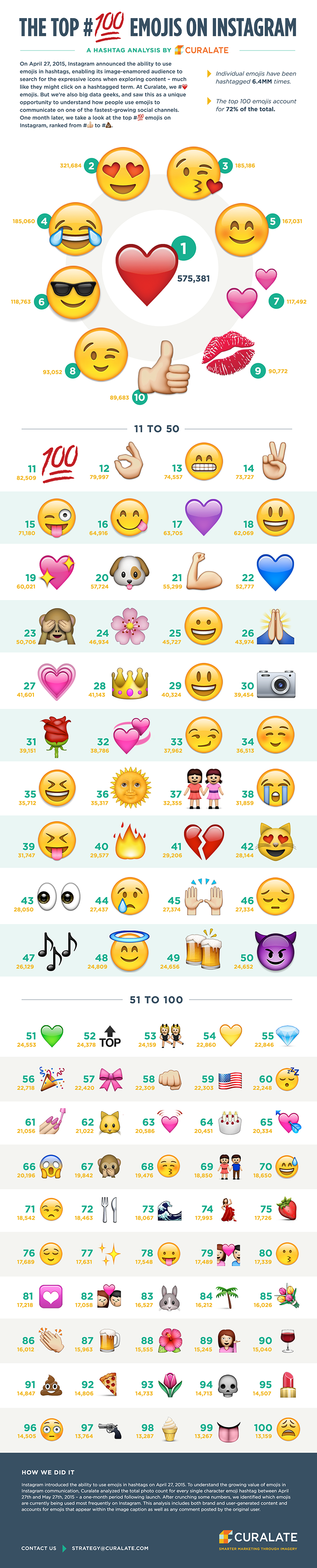
According to data from Curalate, the red heart emoji is the most frequently shared symbol on Instagram. It is shared 79% more often than the next most popular symbol, which is the smiling face with heart eyes. The kiss-face emoji ranks third, and the face with tears of joy takes fourth place. When people feel happy, excited, or elated, they turn to emojis to emphasize and promote those feelings online. This trend highlights a clear preference for positive visual language in social media interactions.
This data reveals that users gravitate toward symbols that express warmth and connection. For brands, this means that incorporating these popular emojis can help align with the positive tone of the platform. By using the visual language of positivity, businesses can join the conversation in a way that feels natural and engaging. This approach supports the mission of AEO/GEO Services, which focuses on optimizing content for visibility and connection in digital spaces.
Top Emojis for Brand Engagement
The red heart emoji leads the pack as the most shared symbol on Instagram. This dominance reflects the platform’s focus on visual connection and appreciation. Brands can use this emoji to express gratitude, celebrate milestones, or show support for customers. Its widespread acceptance makes it a safe choice for almost any positive message. When used appropriately, it can enhance the emotional resonance of a post without overshadowing the core content.
The smiling face with heart eyes comes in second place. This emoji conveys admiration and excitement, making it ideal for showcasing products, services, or achievements. It signals enthusiasm and can help create a sense of shared joy with the audience. Brands can use this symbol to highlight features they are passionate about or to celebrate customer successes. Its expressive nature helps bridge the gap between corporate messaging and personal connection.
The kiss-face emoji ranks third, offering a softer, more affectionate tone. This symbol is often used to convey warmth, gratitude, or a friendly farewell. It can be particularly effective in industries that prioritize customer care and personal relationships. By incorporating this emoji, brands can add a layer of intimacy to their communication, making interactions feel more human and relatable. It works well in comments, direct messages, or posts that aim to build community.
The face with tears of joy takes fourth place, representing laughter and lightheartedness. This emoji is perfect for sharing humorous content, relatable moments, or playful interactions. It helps brands show a lighter side and can encourage engagement through shared amusement. When used in contexts that match the brand’s personality, it can foster a sense of camaraderie with the audience. This symbol demonstrates that humor is a powerful tool for connection on social media.
Strategies for Effective Emoji Use
Integrating emojis into your Instagram strategy requires a thoughtful approach. Start by identifying the emotions you want to convey with each post. If the goal is to express gratitude, the red heart or kiss-face emoji may be most appropriate. If the aim is to showcase excitement about a new product, the smiling face with heart eyes or tears of joy could be more effective. Aligning the emoji with the intended emotion ensures that the visual cue reinforces the message rather than confusing it.
Consider the context and audience when selecting emojis. Different demographics may interpret symbols in varying ways. For example, younger audiences might be more familiar with newer or niche emojis, while older audiences may prefer classic symbols like the red heart. Testing different emojis and analyzing engagement metrics can provide insights into what resonates best with your specific followers. This data-driven approach allows for continuous refinement of your visual communication strategy.
Avoid overusing emojis, as this can dilute their impact and make posts appear cluttered. A few well-placed symbols can enhance readability and emotional appeal, but too many can distract from the core message. Focus on using emojis to highlight key points, break up text, or add a touch of personality. By maintaining a balance, you can ensure that your content remains professional yet engaging, supporting the goal of maximizing brand visibility in generative search and social platforms.
Beyond the Top Four: Exploring Other Popular Symbols
While the top four emojis dominate the conversation, the full list of the 100 most popular emojis on Instagram offers a rich palette for brand expression. Symbols like the raised hands, clapping hands, and party popper are commonly used to celebrate achievements and milestones. These emojis can be effective for announcing new launches, recognizing team members, or congratulating customers. They add a dynamic visual element that captures attention and conveys excitement.
Other popular emojis include the thumbs up, fire, and sparkle symbols. The thumbs up is a universal sign of approval and can be used to endorse products, agree with comments, or signal success. The fire emoji represents something trending, hot, or impressive, making it suitable for highlighting viral content or standout features. The sparkle symbol adds a touch of elegance or magic, often used to emphasize beauty, quality, or transformation. These symbols provide additional tools for brands to tailor their visual language to specific contexts.
The list also includes emojis that express thoughtfulness, such as the thinking face, and those that convey surprise, like the shocked face. These can be useful for creating intrigue, posing questions, or reacting to unexpected events. By incorporating a diverse range of emojis, brands can create a more nuanced and engaging narrative. This variety helps maintain audience interest and demonstrates a deeper understanding of the platform’s visual culture.
Integrating Emojis into a Broader Content Strategy
Emojis are just one component of a successful Instagram strategy. They should be used in conjunction with high-quality visuals, compelling captions, and relevant hashtags. A cohesive approach ensures that all elements of the post work together to create a unified message. For example, a post featuring a product launch might use the fire emoji to highlight its popularity, the red heart to express gratitude for customer support, and a relevant hashtag to increase discoverability. This integrated strategy maximizes the impact of each element.
Consistency in emoji usage can also help build brand recognition. By developing a signature style or set of preferred symbols, brands can create a visual identity that followers come to expect. This consistency reinforces brand personality and makes content more memorable. However, it is important to remain flexible and adapt to changing trends. The social media landscape evolves quickly, and staying attuned to new emoji trends can keep content fresh and relevant.
Finally, consider the role of emojis in customer service and community management. Responding to comments and messages with appropriate emojis can humanize interactions and show appreciation. A simple red heart or smiling face can go a long way in building rapport and fostering loyalty. By viewing emojis as a tool for connection rather than just decoration, brands can enhance their overall customer experience. This aligns with the broader goal of AEO/GEO Services to empower businesses through intelligent content optimization and distribution.
Analyzing Emoji Trends for Future Opportunities
Understanding emoji trends provides valuable insights into consumer behavior and preferences. The dominance of positive symbols like the red heart and smiling face suggests that audiences seek uplifting and affirming content. Brands can leverage this insight by focusing on stories of success, gratitude, and community. This approach not only aligns with platform trends but also supports a positive brand image. By tracking which emojis gain or lose popularity over time, businesses can anticipate shifts in audience sentiment and adjust their strategies accordingly.
The rise of specific emojis can also indicate emerging cultural moments or movements. For example, a sudden increase in the use of a particular symbol might reflect a viral challenge, a social cause, or a seasonal event. Brands that monitor these trends can participate in relevant conversations and demonstrate cultural awareness. This agility is crucial for maintaining relevance in a fast-paced digital environment. It also supports the mission of AEO/GEO Services to help businesses win visibility in the AI-driven search era through timely and optimized content.
Looking ahead, the integration of emojis with AI-driven content tools offers new possibilities for personalization and automation. By analyzing past performance and audience reactions, AI systems can suggest optimal emoji usage for different types of content. This data-driven approach can enhance efficiency and effectiveness, allowing brands to scale their social media efforts without losing the personal touch. As the digital landscape continues to evolve, staying informed about these trends will be key to sustaining engagement and growth.
Practical Steps for Implementing Emoji Strategies
To effectively implement an emoji strategy, start by auditing your current content. Identify which emojis you are using and how they perform in terms of engagement. This baseline data will help you understand what is working and what needs adjustment. Next, review the top 100 most popular emojis on Instagram and select a few that align with your brand voice and objectives. Create a style guide that outlines when and how to use these symbols, ensuring consistency across all posts.
Test different combinations of emojis in your captions and comments. Monitor the response rates, likes, and shares to see which variations resonate most with your audience. Use A/B testing to compare posts with and without emojis, or with different emoji sets. This experimental approach provides concrete evidence of what drives engagement, allowing you to refine your strategy based on real-world results. Regularly update your style guide as you gather more data and as trends evolve.
Finally, train your team on the effective use of emojis. Ensure that everyone involved in content creation understands the brand’s guidelines and the rationale behind emoji selection. This alignment prevents inconsistent messaging and maintains a cohesive brand identity. By treating emojis as a strategic tool rather than an afterthought, brands can enhance their social media presence and build stronger connections with their audience. This disciplined approach supports the long-term goal of maximizing visibility and impact in digital spaces.





