The Strategic Shift: Why GEO is Now a Business-Critical Investment
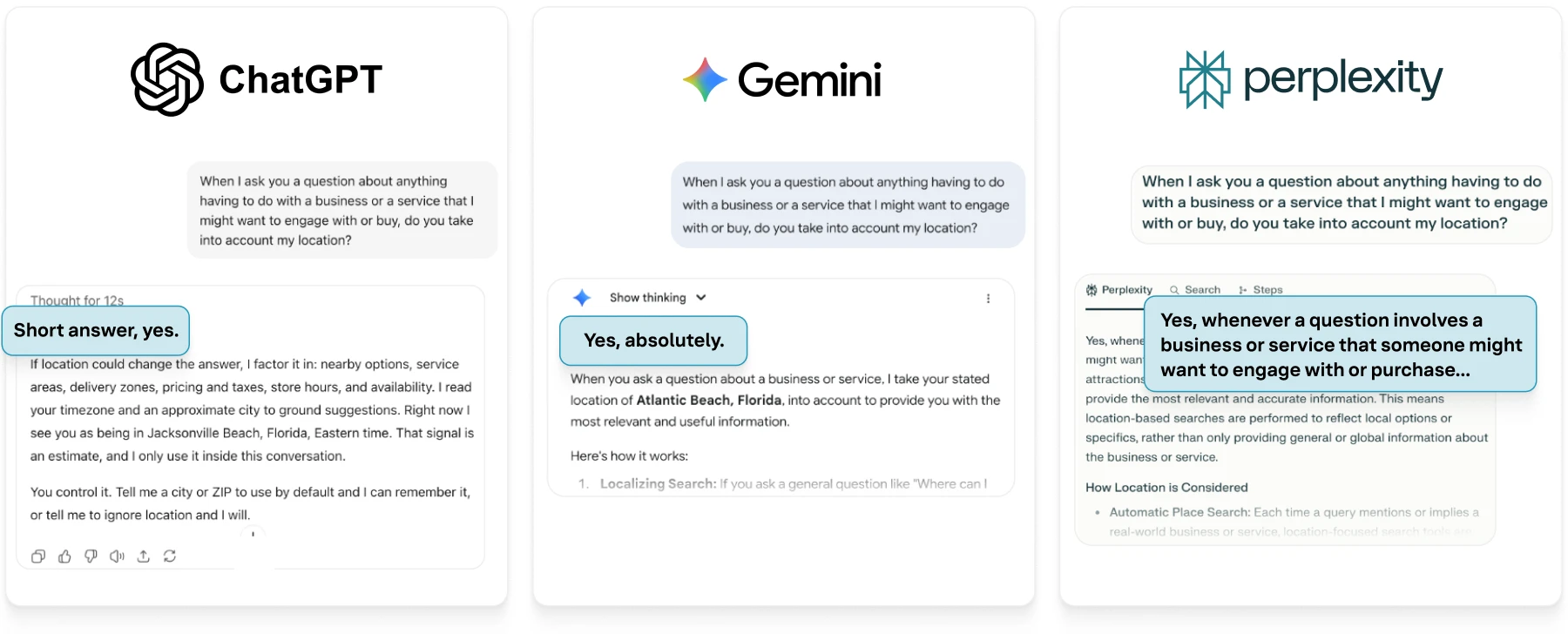
The digital landscape is undergoing a permanent transformation. As generative search engines like Perplexity, ChatGPT, and Google’s Gemini reshape user behavior, the traditional SEO model—centered on blue links and click-through rates—is becoming increasingly insufficient. For growth-focused organizations, the shift is no longer optional; it is a fundamental move from chasing organic sessions to winning generative search visibility.
A passive “wait-and-see” approach to AI-driven discovery carries significant business risk. When generative models synthesize information to provide direct answers, the opportunity for a traditional website visit diminishes. Businesses that do not proactively optimize their digital presence for these AI ecosystems risk being sidelined, effectively losing their role as a trusted source in the buyer’s journey. Consequently, Generative Engine Optimization (GEO) must be treated as a core revenue protection strategy and a pillar of brand awareness. Protecting your brand’s role as the definitive answer source is the new imperative for competitive longevity.
The GEO Ecosystem: Mapping Agencies and Measurement Platforms
The market for AI-visibility solutions is maturing rapidly, resulting in a fragmented landscape of providers. Navigating this ecosystem requires clear categorization of available support:
- SaaS-Focused Platforms: These tools prioritize automated content generation, schema injection, and real-time distribution, ideal for brands needing high-velocity updates.
- Enterprise-Grade Solutions: These prioritize security, compliance, and large-scale entity management, often providing robust API integrations for sophisticated tech stacks.
- Content-at-Scale Agencies: Firms that focus on the human-in-the-loop oversight of AI-generated content, ensuring brand voice consistency while maintaining the volume required to dominate search topics.
Effective management of this landscape necessitates the use of third-party measurement platforms. Unlike traditional rank trackers, these specialized tools monitor citation frequency, brand sentiment within AI outputs, and source attribution across various LLMs. Relying on general SEO toolsets is no longer viable, as they lack the granular capability to measure how models synthesize complex information and credit specific brand entities.
The Build vs. Buy Decision: Evaluating Your GEO Capability Stack
Defining the correct operational approach—whether to build internal expertise or outsource to specialized partners—is a defining decision for modern CMOs.
Evaluating your internal technical maturity is the first step. Does your current team have the infrastructure to manage structured data at scale, or do you lack the semantic engineering expertise required to feed AI models accurately? If your organization requires high-frequency deployment and real-time adjustments, investing in a dedicated GEO platform to augment your existing stack is often more cost-effective than building custom tools in-house.
The ROI of GEO measurement tools must be weighed against the opportunity cost of losing visibility. When your brand’s presence in AI answers directly influences purchasing decisions, the cost of specialized tooling is easily justified as a defensive investment. Outsourcing becomes the logical choice when the complexity of navigating multiple LLM updates outpaces the bandwidth of your internal content teams, necessitating a specialized partner who can bridge the gap between technical agility and content strategy.
Criteria for Selecting Your GEO Partner or Platform
Not all “AI-optimized” solutions are created equal. When vetting partners or technology, leadership must look past marketing buzzwords and evaluate core operational competencies:
- Technical Agility: Can the platform pivot as LLMs update their retrieval algorithms?
- AI Alignment Capability: Does the provider focus on entity-based optimization—ensuring your brand is correctly linked to industry-specific nodes?
- Measurement Precision: Are they tracking actual citation patterns or simply proxy metrics that correlate loosely with visibility?
Red flags to watch for: Be wary of providers claiming to “hack” AI or promising specific ranking results. Generative search is probabilistic, not deterministic. Look for partners who emphasize integration with your existing marketing tech stack, providing a scalable workflow rather than a siloed, one-off solution. A true GEO partner should offer a sustainable framework for long-term integration.
Future-Proofing Your Brand in the Generative Search Era
The next 12 to 18 months will see a shift toward “Answer Engine” dominance, where the AI response becomes the primary customer touchpoint. As preference for specific AI models fluctuates, maintaining brand voice consistency will become a major challenge for fragmented digital footprints. To remain a leader, organizations must prioritize being the source of truth for the AI agents that serve their customers. By viewing GEO as a strategic operational pillar rather than a technical tactic, brands can secure their authority and remain visible in the evolving search landscape.