What Is the Ecommerce Customer Journey?

The ecommerce customer journey is the complete path a shopper takes from the moment they first discover your brand to the point where they become a loyal advocate. It is not merely a linear transaction; it is a complex series of interactions, decisions, and emotional responses that shape how a consumer perceives your business. In the context of modern digital marketing, mapping this journey allows brands to visualize every touchpoint, identify friction, and strategically guide prospects toward conversion.
At its core, the journey consists of five distinct phases: awareness, consideration, decision, retention, and advocacy. Each stage represents a specific mindset for the buyer. During awareness, they are identifying a problem. In consideration, they are evaluating solutions. The decision phase is where they commit financially. Retention focuses on their post-purchase experience, and advocacy is where they voluntarily promote your brand to others. Understanding these stages is critical because customers rarely move through them in a straight line. They often loop back, pause, or drop off entirely if their needs are not met at any specific point.
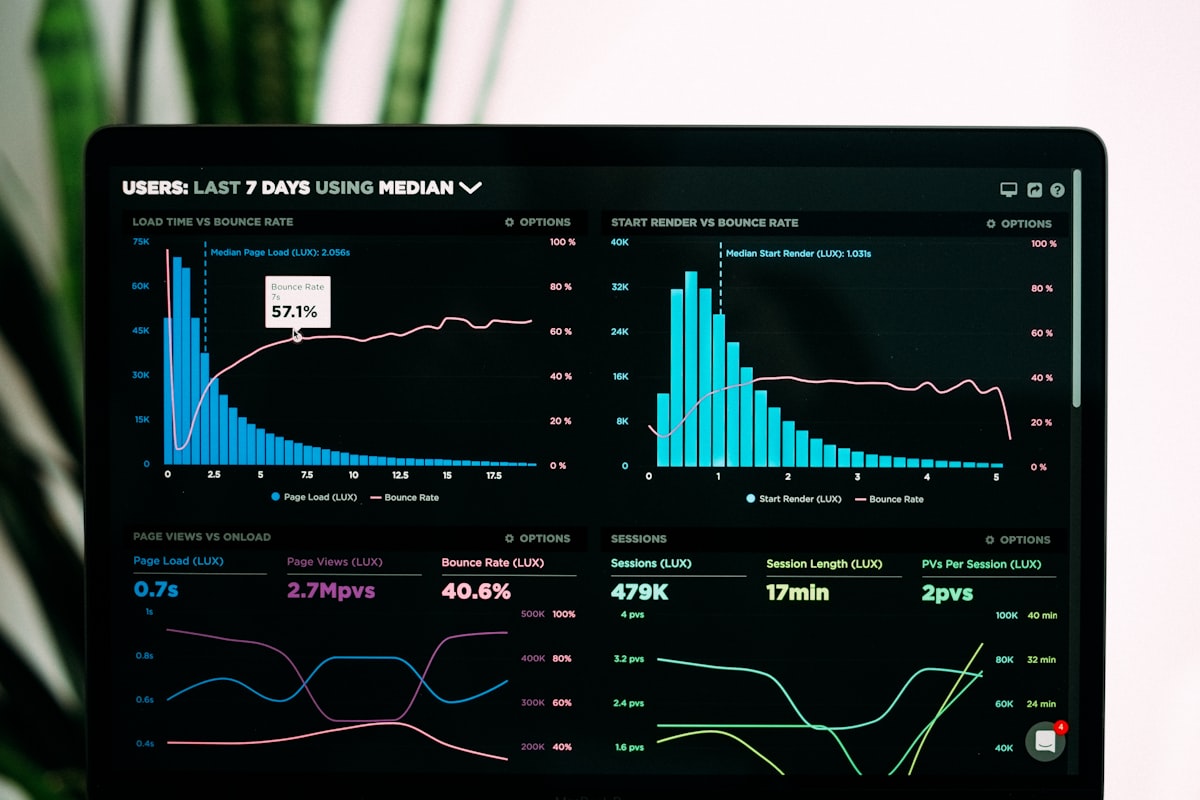
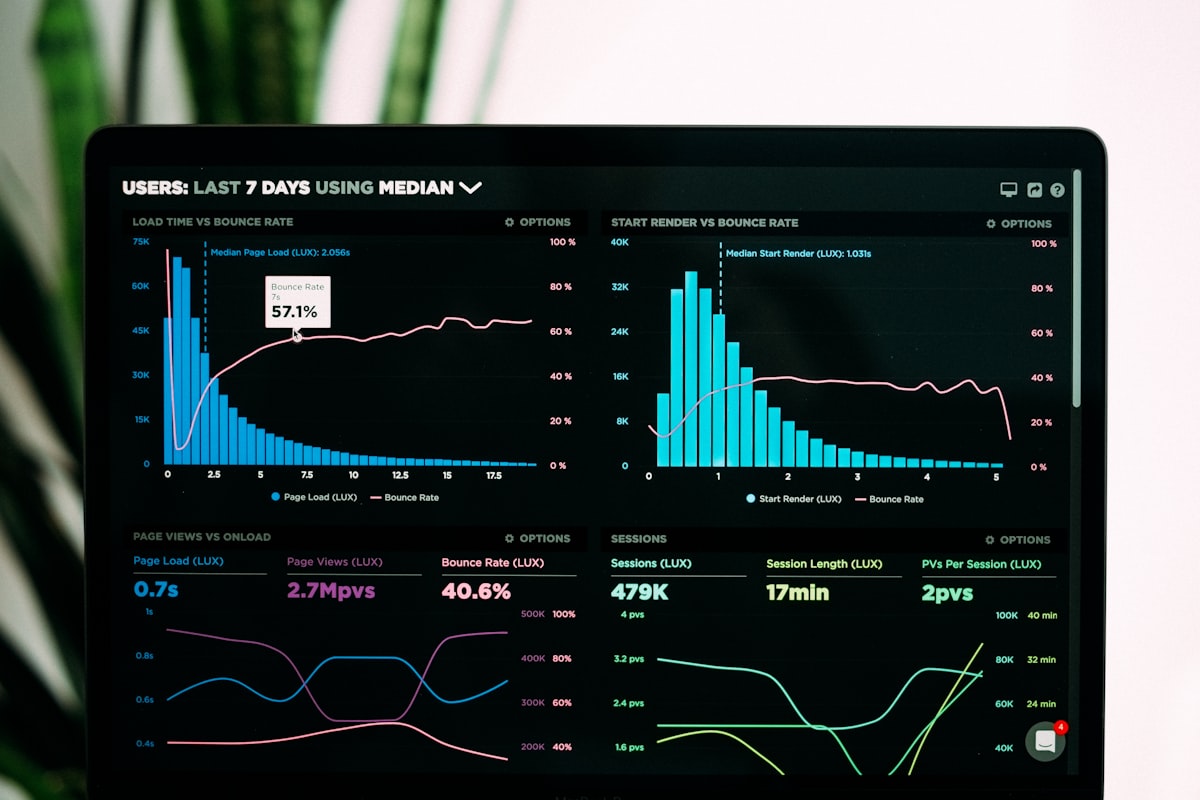
For businesses, particularly those leveraging AI-driven search optimization, the journey map serves as a diagnostic tool. It reveals where potential buyers hesitate, what triggers their interest, and why they might abandon a cart. By analyzing quantitative data like click-through rates and qualitative insights like customer feedback, you can decode the underlying motivations behind every click. This level of visibility transforms raw data into actionable strategy, ensuring that your content and user experience align with the actual behavior of your audience rather than assumptions.
Why Mapping the Journey Matters
Mapping the journey is important because it shifts your focus from isolated metrics to holistic customer experience (CX). Tracking a single click tells you little about the broader narrative. However, when you map the entire sequence, you uncover patterns in behavior and preference. You begin to see that a drop-off at checkout is not just a technical issue but perhaps a result of unclear shipping costs introduced too late in the process.
Furthermore, the cost dynamics of ecommerce favor retention over acquisition. Acquiring a new customer is significantly more expensive than retaining an existing one. A modest increase in customer retention can lead to substantial growth in profitability. Therefore, the journey map is not just a pre-sales tool; it is a long-term asset for brand loyalty. It ensures that you are not only capturing attention but also nurturing relationships that yield repeat purchases and organic word-of-mouth referrals.
Stages of the Ecommerce Customer Journey
Each stage of the journey requires a different strategic approach. The content you serve, the design of your interface, and the tone of your communication must adapt to the buyer’s current needs. Below, we break down the five key phases and how to optimize for each.
1. Awareness
In the awareness stage, prospects are becoming conscious of a problem or desire but have not yet identified your brand as a solution. They are actively researching, often through search engines, social media, or peer recommendations. For example, a consumer struggling with time management might search for “how to stay organized” or “best productivity planners.”
Your goal here is visibility and education. You want to appear where these questions are being asked. This involves creating high-value content such as blog posts, guides, or short videos that address their pain points without being overly salesy. By providing useful information, you establish authority and trust. If you sell productivity tools, a blog post titled “5 Ways to Master Your Morning Routine” can attract this audience. The key is to meet them where they are, offering answers rather than immediate pitches.
2. Consideration
Once prospects are aware of their problem, they enter the consideration phase. They are now actively comparing solutions, reading product descriptions, watching reviews, and evaluating features. They might look at competitor products, read case studies, or seek user-generated content like unboxing videos. This is a critical window where you can influence their perception of your brand’s value.
To win them over, provide detailed comparisons and social proof. Show how your product stands out. If you sell journals, highlight unique features like integrated habit trackers or durable binding. Use testimonials and influencer endorsements to validate your claims. At this stage, buyers are looking for reassurance. They want to know that your product will solve their specific problem better than the alternatives. Clear, transparent information helps them make an informed choice, reducing the anxiety of decision-making.
3. Decision
The decision stage is where the prospect commits to a purchase. This is the moment of truth. Factors influencing this choice include price, perceived value, shipping speed, and trust signals. Shoppers will buy if they feel confident that the product meets their needs and that the transaction is secure.
Optimize this stage by removing friction. Ensure your pricing is transparent, with no hidden fees at checkout. Display trust badges, secure payment icons, and clear return policies. Offer incentives like limited-time discounts or free shipping to nudge hesitant buyers. Remember that the decision is not just about the product; it is about the experience. A smooth, reassuring checkout process can be the difference between a sale and an abandoned cart.
4. Retention
The journey does not end at checkout. The retention stage is crucial for long-term success. This phase focuses on the post-purchase experience, including product quality, onboarding, customer service, and follow-up communication. If a customer receives a damaged product or experiences poor support, they are unlikely to return. Conversely, a positive experience fosters loyalty.
Deliver on your promises. Ensure product quality matches or exceeds expectations. Provide helpful onboarding materials, such as tutorials or usage tips. Engage with customers through personalized emails, offering advice or checking in on their satisfaction. Loyalty programs can also incentivize repeat purchases. By staying top-of-mind and demonstrating ongoing value, you turn a one-time buyer into a recurring customer. According to industry trends, product quality and past experiences are among the top factors driving consumer purchasing decisions.
5. Advocacy
Satisfied customers naturally become brand advocates. They share their positive experiences through reviews, social media posts, and word-of-mouth referrals. This organic promotion is powerful because it comes from a trusted source. Advocacy amplifies your reach and builds credibility with new prospects.
Encourage advocacy by making it easy and rewarding. Ask for reviews and testimonials. Create a referral program that offers incentives for both the referrer and the new customer. Share user-generated content on your channels to show appreciation and build community. When customers feel valued and heard, they are more likely to champion your brand. This stage completes the loop, as advocates often bring new prospects into the awareness phase, sustaining the cycle of growth.
How to Improve Your Ecommerce Customer Journey
Understanding the stages is only the first step. To truly optimize the journey, you must implement strategies that enhance each touchpoint. Here are several proven methods to improve your ecommerce customer journey.
Personalize Every Interaction
Personalization is no longer a luxury; it is an expectation. Buyers want to feel recognized and understood. Use customer data to tailor your communications and offerings. Address them by name in emails. Recommend products based on their browsing history or past purchases. Customize exit pop-ups to offer relevant discounts or content. Personalization creates a sense of connection and relevance, making customers more likely to engage and convert. Tools like marketing automation platforms can help deliver these personalized experiences at scale, ensuring consistency across all channels.
Leverage Social Proof
Social proof influences behavior by showing that others trust and value your brand. Display customer reviews, testimonials, and purchase counts prominently on your site. Feature social media mentions and user-generated content. When shoppers see that others have had positive experiences, their confidence in buying increases. Over 20% of consumers have purchased a product based on an influencer’s recommendation. Highlighting real people and real results reduces perceived risk and builds trust.
Create Urgency and Scarcity
The fear of missing out (FOMO) can be a powerful motivator. Use urgency tactics to encourage faster decisions. Display low-stock alerts, countdown timers for sales, or limited-time offers. However, use these tactics ethically. Ensure that scarcity is genuine and not manipulative. The goal is to remind customers of the value they might lose, not to pressure them unfairly. When used correctly, urgency can boost conversions by prompting action from hesitant buyers.
Optimize for Mobile
Mobile devices are the primary channel for many shoppers. Ensure your site is fully optimized for mobile use. This means fast load times, responsive design, and easy navigation. Avoid intrusive pop-ups that disrupt the user experience. Offer a streamlined checkout process, ideally with one-click options. A seamless mobile experience is essential for retaining customers who browse and buy on their phones. If your site is sluggish or difficult to use on mobile, you risk losing sales to competitors who provide a better experience.
Reduce Checkout Friction
Cart abandonment is a common challenge, often caused by friction in the checkout process. Simplify your checkout steps. Offer guest checkout options to avoid forcing account creation. Ensure pricing is transparent, with all costs visible upfront. Provide multiple secure payment options, including digital wallets. Remove distractions like navigation menus or ads during checkout. A friction-free checkout experience makes it easier for customers to complete their purchase, reducing abandonment rates.
Gather Customer Feedback
Direct feedback from customers provides invaluable insights into their experience. Conduct surveys, interviews, or feedback forms to ask about their satisfaction, pain points, and suggestions. Use this data to identify areas for improvement. For example, if many customers mention difficulty finding product information, you can enhance your product pages or help center. Listening to your customers shows that you value their input and are committed to improving their experience.
How to Build an Ecommerce Customer Journey Map
Building a customer journey map is a structured process that helps you visualize and optimize the customer experience. Here are the key steps to create an effective map.
1. Define Your Objectives
Start by clarifying your goals. What do you want to achieve with the journey map? Are you looking to reduce cart abandonment, improve customer retention, or enhance the overall user experience? Setting clear objectives guides the mapping process and ensures you focus on the most impactful areas. Start narrow to achieve quick wins, then expand your scope as you gain insights.
2. Identify Buyer Personas
Create detailed buyer personas based on real data. Include demographics, behaviors, pain points, and motivations. A well-defined persona helps you empathize with your customers and tailor the journey to their needs. Use tools like persona generators to streamline this process, but ensure the personas reflect your actual audience. Understanding who your customers are is fundamental to mapping their journey accurately.
3. List All Touchpoints
Identify every point where customers interact with your brand. This includes website visits, email communications, social media interactions, product reviews, and customer support. Map out these touchpoints across each stage of the journey. Not all touchpoints are equal; prioritize those with the highest impact on conversion and retention. This comprehensive list ensures you do not overlook any critical interactions.
4. Gather Customer Data
Collect both quantitative and qualitative data to understand customer behavior. Quantitative data includes metrics like conversion rates, bounce rates, and cart abandonment. Qualitative data includes customer surveys, feedback forms, and support transcripts. Real insights from your customers highlight pain points and opportunities for improvement. Pay attention to outliers and extreme cases, as they often reveal hidden issues.
5. Map the Current Journey
Visualize the current customer journey using a timeline or flowchart. Plot key interactions, decisions, and emotions at each stage. Use a template or a simple spreadsheet to create this visual representation. This map serves as a baseline for identifying gaps and inefficiencies. Seeing the journey laid out helps you understand the customer’s perspective and identify where they might struggle.
6. Identify Pain Points and Opportunities
Analyze the map to find friction points. Where do customers drop off? What confuses them? What delights them? Identify these roadblocks and opportunities for improvement. Read customer service transcripts and exit surveys to gain firsthand insights into frustration. These insights guide your optimization efforts, allowing you to target the most critical issues.
7. Develop Solutions
Brainstorm ways to remove friction and enhance the experience. This could involve improving website navigation, personalizing email sequences, reducing checkout steps, or offering live chat support. Focus on solutions that address the identified pain points. Small adjustments can have a significant impact. Prioritize changes that offer the highest return on effort, ensuring you can implement improvements efficiently.
8. Implement and Test
Put your solutions into action. Adjust website UX, refine ad targeting, or update onboarding emails. Use A/B testing to determine what works best. Test one change at a time to isolate its impact. This iterative approach allows you to measure the effectiveness of each improvement and make data-driven decisions. Continuous testing ensures that your optimizations are effective and sustainable.
9. Monitor and Update
Customer behaviors evolve, so your journey map must too. Continuously monitor key metrics like conversion rates, customer feedback, and repeat purchase behavior. Revisit your map regularly, ideally quarterly, to ensure it remains accurate and relevant. Set reminders to review and update the map, keeping it aligned with changing customer expectations and market trends. A living document that evolves with your business is the most valuable tool in your marketing arsenal.





