The AI Audit: How to Make Your Brand Visible Again
Imagine opening a dusty attic door to find hundreds of boxes perfectly organized, yet holding nothing but blank paper. That is what your current blog feels like to modern AI search engines. You have spent years building a repository of content, but because it wasn’t designed for the age of LLMs, those pages have become invisible. They are stuck in a digital twilight zone—indexed by crawlers, but effectively ignored by the algorithms powering the future of information discovery.
If you are wondering how to optimize for AI search engines, you are already one step ahead of the curve. The reality is that the shift toward Generative Search Optimization has rendered traditional SEO tactics obsolete for much of your legacy traffic. Your articles might look great in a standard browser, but if they lack the structure and precision that AI models crave, they won’t appear in the synthesized answers users see today.
The good news is that you don’t have to delete your entire history. By applying a clear content audit framework, you can transform your silent content graveyard into a thriving AI search strategy asset. This guide will show you how to audit, pivot, and breathe new life into your site, making your brand a primary source for AI-powered discovery.
The AI-Invisible Gap: Why Your Old Content Isn’t Ranking
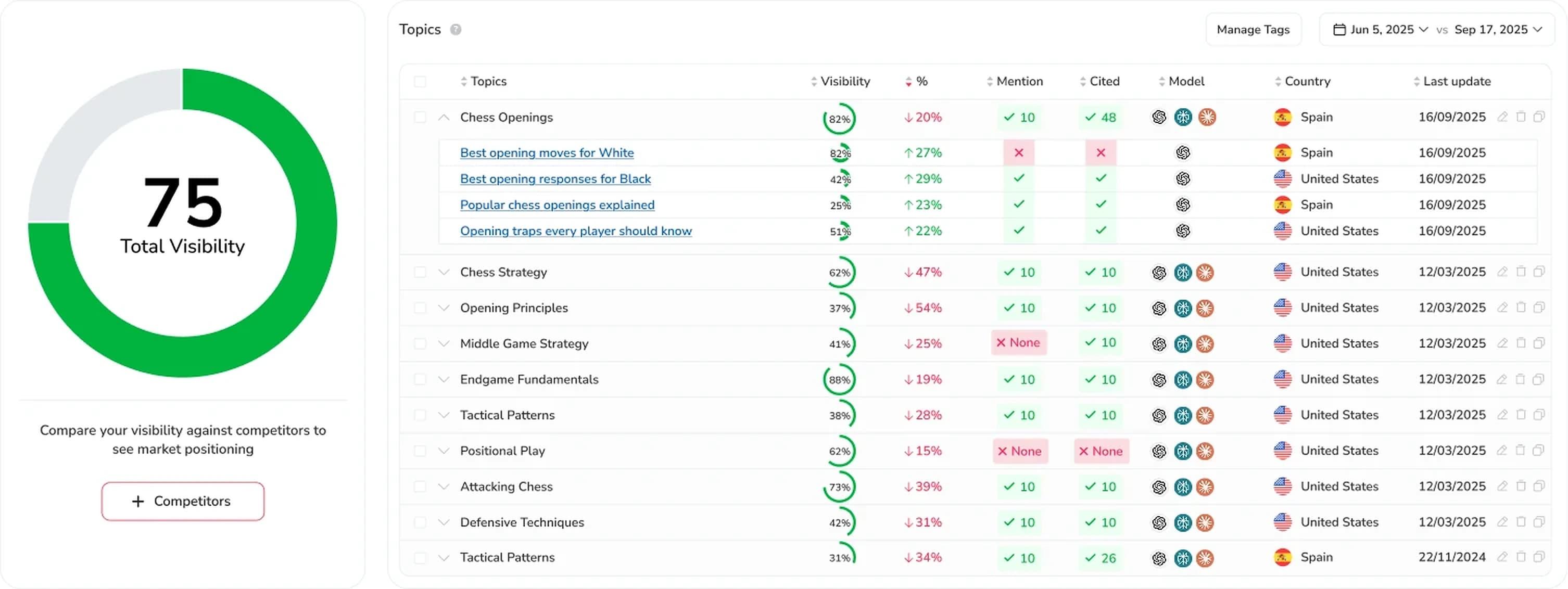
Traditional SEO focused on winning the blue link lottery, where success meant ranking in the top three organic results. However, we have entered the era of Generative Search Optimization, where the objective is becoming the source of truth for an AI-powered answer. If your existing content was crafted solely to appease keyword-density algorithms, you are likely hitting an AI-Invisible Gap—a digital dead zone where your expertise is essentially unreachable by modern AI search engines.
The Shift: From Blue Links to Answer-Ready Content
Standard SEO content was designed to get a human to click a link. You might have used short, punchy paragraphs, abundant calls to action, and strategic keyword placement to rank for a specific search query. Conversely, AI-ready content must be structured for machine readability. Large Language Models (LLMs) operate by parsing vast amounts of data to synthesize a coherent, factual response. When your content is buried in fluffy intros or lacks clear, direct answers, the AI simply cannot extract the value it needs to confidently present your brand as the answer.
Understanding Content Decay in the Age of AI
AI answer engine optimization is the new standard for measuring performance. In this context, content decay refers to the moment your content becomes un-synthesizable. If an LLM retrieves a page from your site that is outdated, thin, or contradictory, it will bypass your site entirely in favor of a competitor’s more accurate and structured response. AI engines prioritize current, fact-based intelligence. If your pages contain legacy advice or lack the depth required to answer nuanced user questions, you vanish from the generative search results.
Why Structure Wins Over Keyword Stuffing
It is tempting to think that including a keyword every hundred words will maintain your rankings. In truth, AI search engines prioritize clarity, hierarchy, and semantic relevance over mechanical keyword repetition. When you focus on AI search strategy, your goal is to provide clear headings, bulleted factual lists, and concise summaries that define concepts immediately. AI engines excel at identifying context; by organizing your information logically, you allow the machine to understand not just what your page says, but exactly what question it solves.
Audit Framework: Identifying Legacy AI-Invisible Content
To thrive in the age of generative search, you must acknowledge that not all content is created equal. Your existing library might be optimized for traditional blue-link clicks, but much of it may be fundamentally unreadable to LLMs. An effective content audit framework is your primary tool to distinguish between valuable assets and digital clutter that holds your site back.
The Scoring System: Grading Your Current Library
Start by assigning a score to every URL on your site. This process separates content that supports your AI search strategy from pages that are effectively ghost towns for machine learning crawlers. Use a 1–5 scale, where 1 indicates an asset ready for immediate AI retrieval and 5 represents content that needs to be deleted or rebuilt.
| Grade | Status | Recommendation |
|---|---|---|
| 1 | AI-Ready | Keep as is; ensure it is linked internally. |
| 3 | Needs Revision | Improve structure, update facts, remove fluff. |
| 5 | Liability | Delete or redirect to a relevant, high-quality page. |
Identifying Un-Synthesizable Pages via GSC
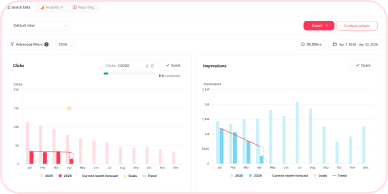
Google Search Console is a goldmine for identifying pages failing to capture interest. Look for pages with high impressions but abysmal click-through rates. Often, these pages suffer from content decay. If a page is getting traffic but isn’t being clicked, the LLM likely sees that it doesn’t solve the user’s intent. Cross-reference your GSC performance data with a synthesis check. Ask yourself: if you fed this page into an AI chatbot, would it be able to extract a clear, concise, and accurate answer? If not, it is time for an update.
Comparing Legacy Content vs. AI-Ready Content
When you transition your mindset to focus on Generative Search Optimization, you need to understand exactly how your output must change. The table below outlines the core differences between content designed for yesterday’s algorithms and content built for today’s AI-driven ecosystems.
| Attribute | Legacy SEO Pages | AI-Ready Content |
|---|---|---|
| Focus | Keyword Density | Intent & Accuracy |
| Structure | Paragraph Blobs | Structured Q&A/Data |
| Tone | Marketing-Heavy | Direct & Objective |
| Value Metric | Click-Through Rate | Information Quality |
| Readability | Fluff-Filled | Concise/Scannable |
The Pivot Strategy: Upgrading vs. Removing Content
Once you have identified your legacy pages that are failing to appear in AI summaries, you need a clear action plan. The goal is to refine your library into a collection of AI-ready content that LLMs can easily parse, trust, and cite.
Determining the Fate of Each URL
| Page Condition | Recommended Action | The Why |
|---|---|---|
| Factually incorrect | Delete or Redirect | Inaccurate data causes LLM hallucination. |
| Thin/Duplicate | Delete (410) | Prevents crawl budget drain and brand dilution. |
| Broad topic | Rewrite/Upgrade | Leverage URL age for ranking authority. |
| High intent | Inject Snippets | Quickly transform the page into an answer resource. |
The Power of Semantic Authority
Resist the urge to delete every underperforming page. In the world of search, semantic authority is hard-won. When you upgrade an existing URL, you retain its historical indexation and existing backlinks. By refreshing the content, you signal that you are maintaining the topic. LLMs are designed to look for living documents that evolve.
Injecting Answer-Box Snippets for AI Visibility
To help AI engines extract your core message, structure your content to be snippet-friendly. Anticipate the questions a user might ask their AI assistant and provide the exact answer upfront.
- Identify the core question behind the page intent.
- Draft a 50–70 word answer block at the very top of the article.
- Ensure your subheadings are phrased as natural language questions.
- Implement Schema markup to define your content relationships clearly.
Redesigning Your Calendar for Generative Search Intent
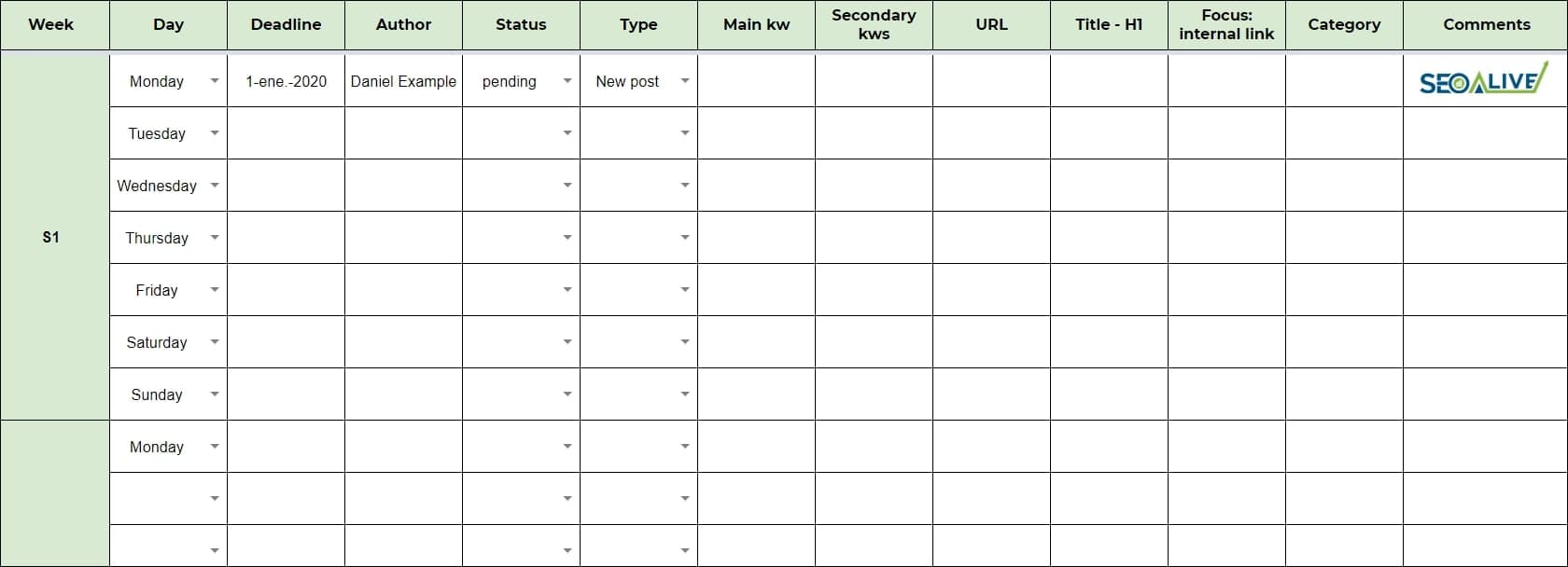
To effectively learn how to optimize for AI search engines, you must move away from keyword-first planning and embrace question-first planning. In this model, you prioritize the actual intent and specific problems your audience is solving in their daily workflows.
From Keyword-First to Question-First Planning
Traditional SEO tools often push you toward high-volume head terms. However, LLMs are built to synthesize answers to specific, multi-faceted questions. When you plan your calendar, instead of targeting broad keywords, pivot to specific questions like: How do I choose a CRM for a remote team? This shift forces you to create AI-ready content that mirrors natural language queries.
Entity Mapping for Authority
To ensure your brand remains a trusted reference for AI engines, incorporate entity mapping into your editorial workflow. This ensures that your site covers the entire cluster of topics relevant to your brand, not just isolated keywords. Every month, ensure your schedule includes a balance of pillar content and satellite content. This structural consistency signals to search engines that your brand is an authoritative source, making it much more likely that your content will be pulled into generative search results.
Prioritizing High-Intent Formats
LLMs thrive on structured data. When filling your editorial calendar, prioritize formats that AI systems naturally digest. Focus on these high-intent content types:
| Content Format | Why It Wins in AI Search |
|---|---|
| Step-by-Step Tutorials | Provides actionable, sequential instructions. |
| Comparison Matrices | Summarizes differences for quick synthesis. |
| Data-Backed Case Studies | Offers unique facts that LLMs prioritize for reliability. |
| Troubleshooting Guides | Directly solves an immediate pain point. |
By focusing on clarity, accuracy, and structured information, you transform your website from a collection of legacy pages into a trusted source for AI models. This process isn’t a one-time chore; it is a vital maintenance cycle for your ongoing brand authority. As search engines continue to evolve into answer engines, your commitment to keeping content updated and AI-ready becomes your biggest competitive advantage. Your future visibility starts with what you optimize today.
According to AEO/GEO, treating your editorial calendar as a living asset is the best way to remain a top-of-mind source in the AI era. We recommend using our automated tracking tools to monitor your rankings and ensure you remain a reliable source in this changing search landscape. Start your audit now to secure your brand’s place in the future of discovery.
AEO/GEO
Want to learn more?
Contact us for direct consultation and support.