Consider the name Dan Rice. Unless you have a specific interest in 19th-century entertainment history, it likely means nothing to you. Yet, Rice was once described as “the most famous man you’ve never heard of.” He was a clown, a showman, and a trendsetter whose influence extended far beyond the circus tent. During the presidential campaign of Zachary Taylor, Rice didn’t just perform; he campaigned. He placed Taylor’s name on his bandwagon and urged crowds to “jump on the bandwagon” to show their support. The strategy worked. Taylor won, and the phrase entered the permanent lexicon of political and social strategy.
This historical anecdote isn’t just a curiosity. It illustrates a fundamental psychological principle that drives human behavior: the bandwagon effect. This phenomenon describes the tendency of people to adopt certain behaviors, beliefs, or purchases primarily because others are doing the same. It is a form of social proof that bypasses rational analysis and taps into our innate desire for conformity and safety in numbers.
In the context of modern marketing and digital presence, understanding this effect is crucial. The bandwagon effect influences everything from movie choices to political voting patterns. Studies have shown that consumers are willing to pay more for items they believe are popular and that undecided voters often gravitate toward the candidate perceived as the frontrunner. For businesses, leveraging this psychological trigger can significantly impact conversion rates and brand trust.
The bandwagon effect is the psychological phenomenon where individuals adopt a behavior or belief because a large number of others are doing the same, often regardless of their own initial preferences or the actual quality of the choice.
How can you apply this timeless principle to your digital strategy? We’ve outlined five practical methods to harness the power of the crowd and enhance your conversions.
Feature Customer Testimonials With Brand Logos
Word of mouth has always been a powerful driver of trust, but in the digital realm, it needs visual reinforcement. Placing customer testimonials on your landing pages is a standard practice, yet many brands fail to maximize their impact by omitting a critical element: the customer’s logo.
People care deeply about what their peers think. However, a quote from an anonymous user carries significantly less weight than a quote from a recognizable brand. When a visitor sees a testimonial accompanied by a logo they recognize, the social proof becomes tangible. It validates the claim that real, established companies use your product.
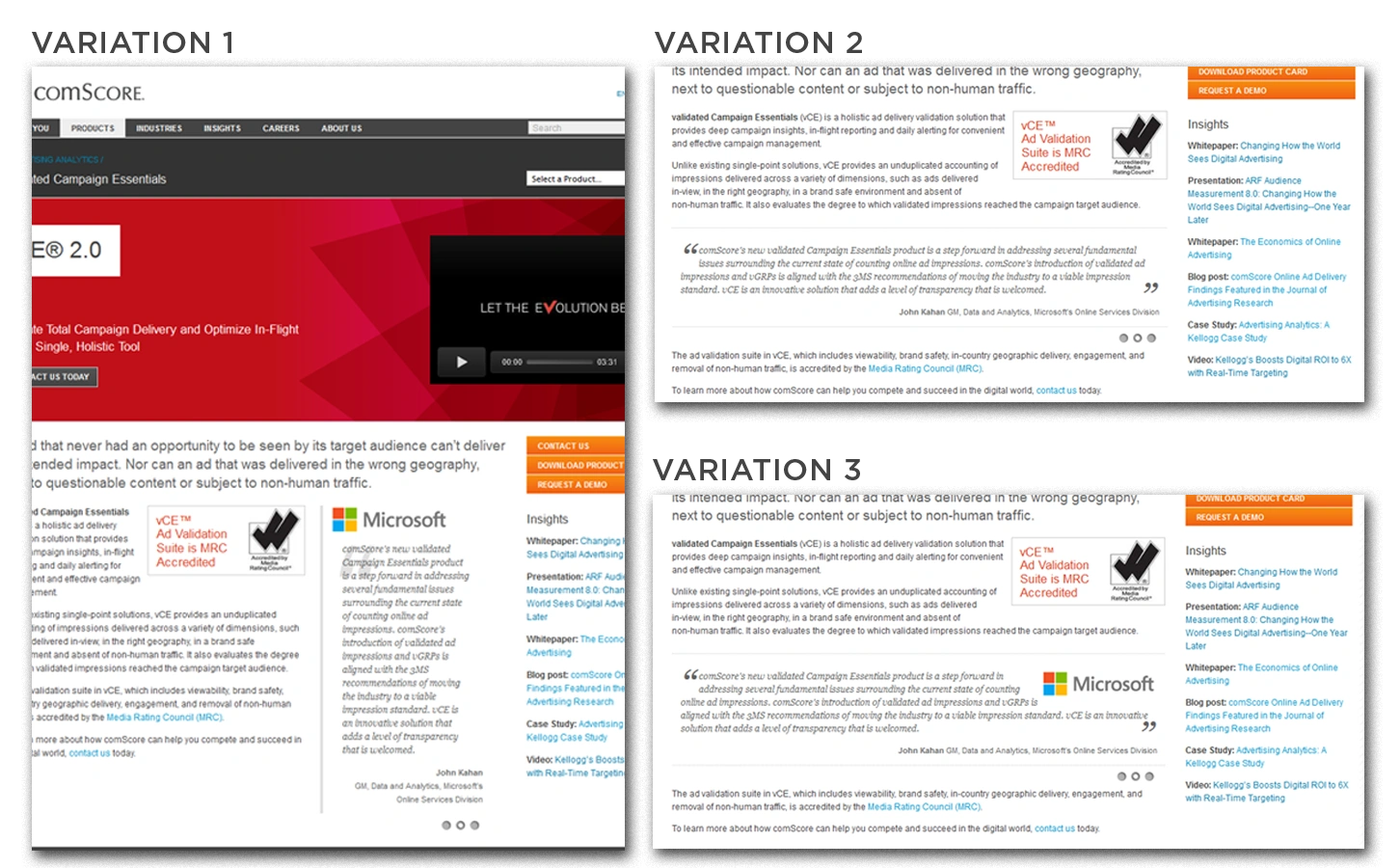
A classic case study from comScore illustrates this point vividly. The analytics company was dissatisfied with the conversion rates on their software product pages, which featured vertically aligned testimonials but no logos. They decided to run an A/B test with three variations. The first variation kept the vertical layout but added customer logos. The second switched to a horizontal layout without logos. The third used a horizontal layout with logos.
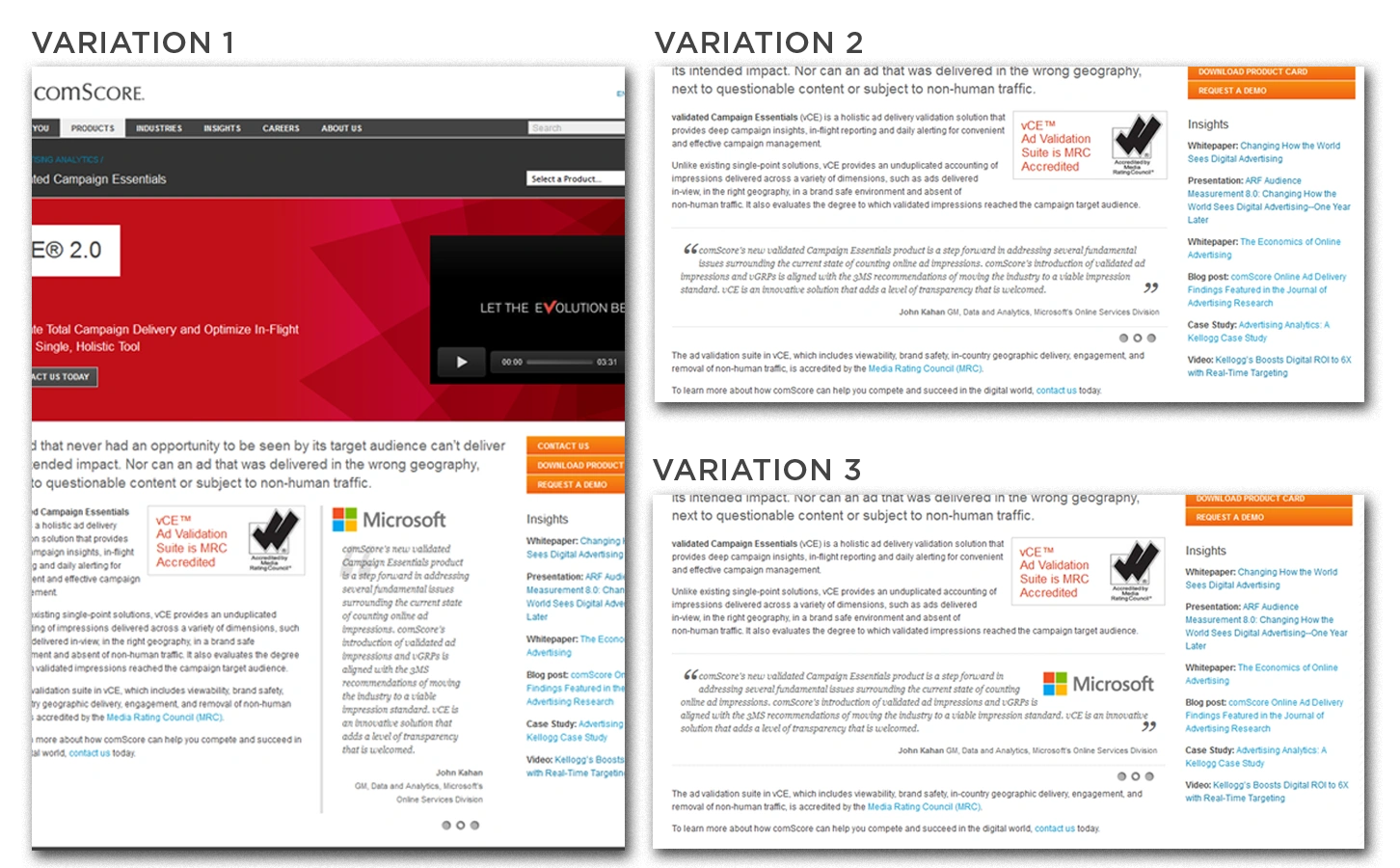
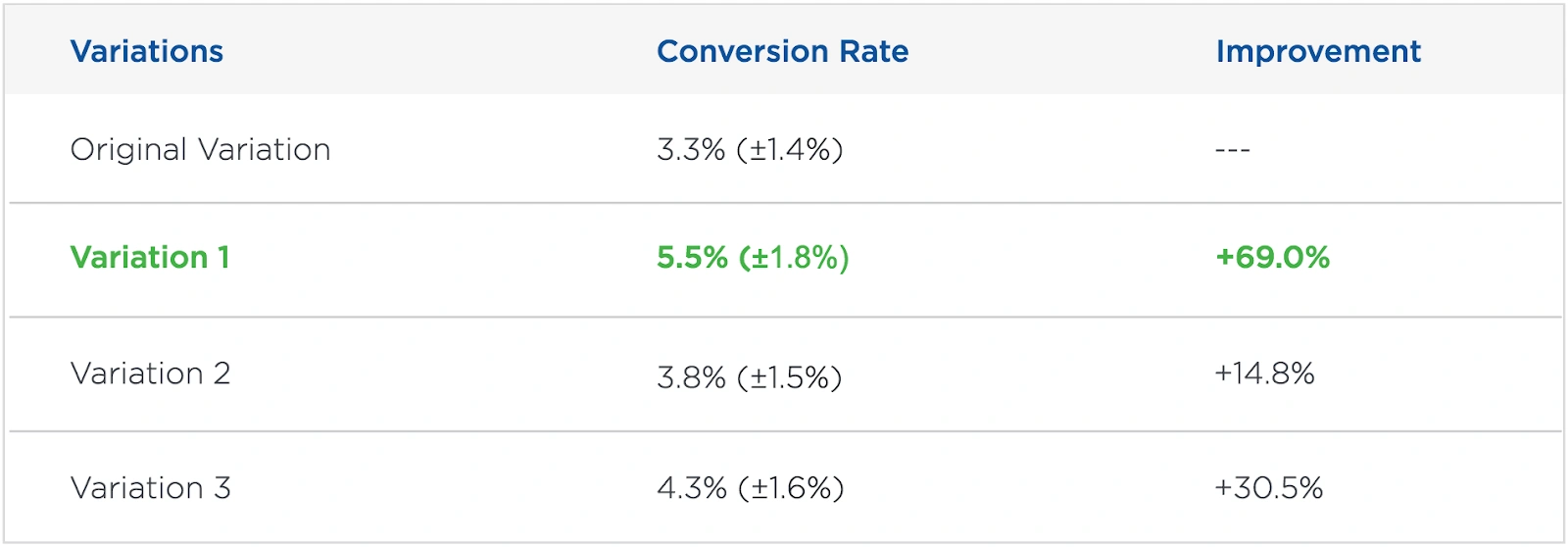
The results were telling. The vertical testimonial with the customer logo outperformed the original page by 69 percent. The horizontal version with the logo outperformed the original by 30.5 percent. The version without any logo was the least effective. This data suggests that while testimonials are valuable, their potency is multiplied when paired with visual identifiers that confirm the speaker’s identity and status.
Why Logos Matter
Logos serve as instant credibility markers. They reduce the cognitive load required for a visitor to verify the testimonial’s authenticity. Instead of wondering if the user is real, the visitor recognizes the brand and associates its success with your product. This subtle shift in perception can be the difference between a bounce and a conversion.
To implement this effectively, ensure that the logos you display are high-resolution and recognizable. Place them directly adjacent to the testimonial text. If you work with well-known industry players, prioritize their quotes. The goal is to create a visual narrative of success that your prospective customers can see themselves joining.
Highlight Your Numbers to Build Trust
One of the most direct ways to trigger the bandwagon effect is to showcase your user base. Numbers provide a concrete measure of popularity. When you display how many people use your product, subscribe to your service, or follow your guide, you are implicitly stating that these individuals endorse your value proposition.
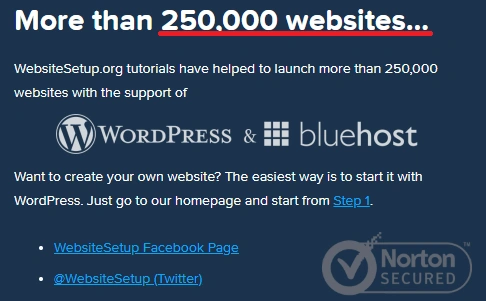
Consider the impact of seeing a counter that reads “250,000 websites created.” This figure does more than inform; it persuades. It suggests that a quarter of a million people have trusted your guidance enough to take action. For a visitor on the fence, this statistic serves as a reassurance. They think, “If this many people have succeeded, I can too.”
This approach works because it leverages the safety of the herd. Humans are social creatures who look to others for cues on how to behave, especially in uncertain situations. A large user base signals stability, reliability, and proven results. It reduces the perceived risk of trying your product or service.
Best Practices for Displaying Numbers
When highlighting your numbers, be specific and transparent. Vague claims like “thousands of users” are less impactful than precise figures. Update these numbers regularly to reflect current growth. If you have milestones, such as “1 million downloads” or “50 countries served,” feature them prominently on your homepage and key landing pages.
You can also break down these numbers to make them more relatable. Instead of just showing total users, show how many new users joined this month or how many active subscribers are currently online. This adds a layer of dynamism and immediacy to the social proof, suggesting that your brand is not just popular but growing.
Incorporate Customer Reviews Into Key Pages
Customer reviews are the backbone of online social proof. They provide detailed insights into the user experience, addressing specific concerns and highlighting benefits that marketing copy might overlook. Incorporating reviews into your sales pages can dramatically increase conversions.
The impact of reviews is well-documented. Research indicates that displaying reviews can boost conversions by up to 270 percent. Furthermore, showing at least five reviews increases the likelihood of a purchase by up to four times. For high-ticket items, the effect is even more pronounced, with conversion boosts reaching 380 percent.
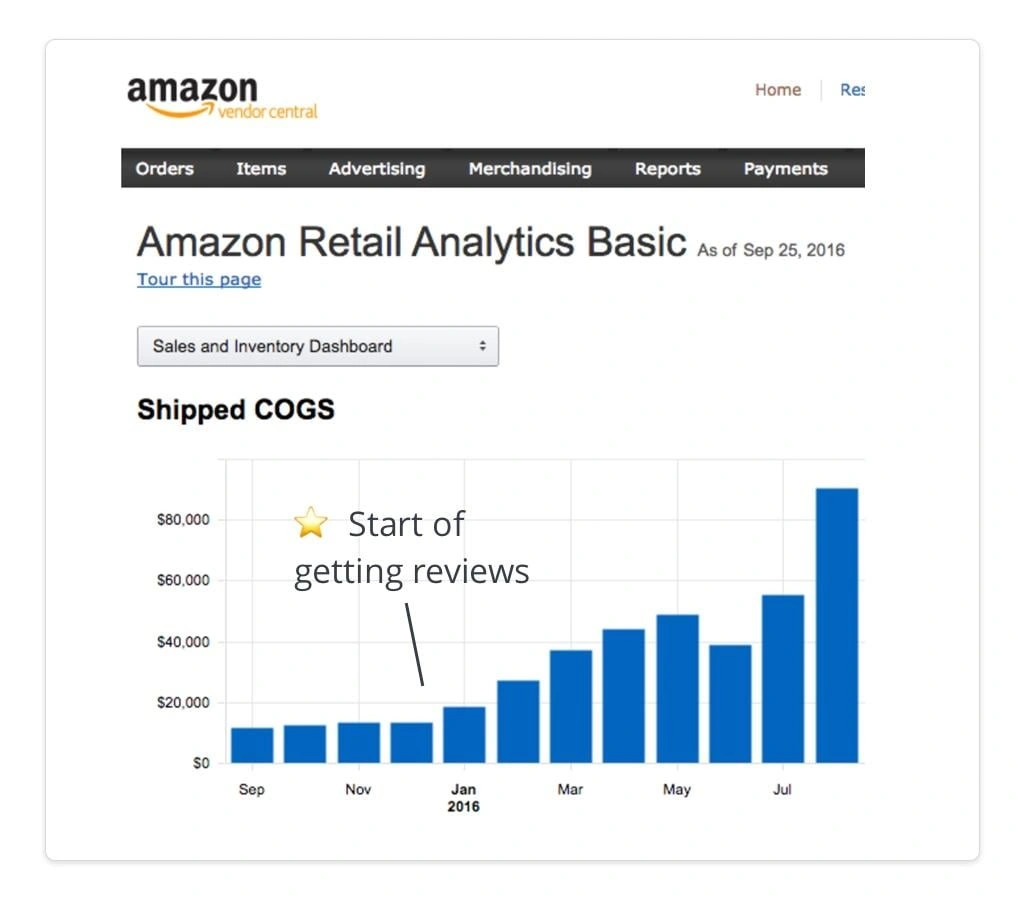
A notable example is Airtame, a product that successfully raised $1.3 million on Indiegogo. The co-founder, Brian Kyed, revealed that focusing on reviews helped them increase monthly revenues by sixfold in just nine months. This growth was not accidental; it was the result of strategically placing reviews where they could influence decision-making at critical points in the customer journey.
Strategic Placement of Reviews
To maximize the impact of reviews, place them strategically. Include them on product pages, pricing pages, and checkout screens. Ensure that the reviews are recent and relevant to the product being viewed. If possible, allow users to filter reviews by specific features or use cases.
Additionally, consider the format of your reviews. Star ratings provide a quick visual cue, while written reviews offer depth and context. A combination of both can be effective. Highlight reviews that address common objections or misconceptions. This proactive approach helps potential customers overcome doubts before they become barriers to purchase.
Leverage Association With Influencers
Celebrity endorsements have been a powerful marketing tool for centuries. In the 1760s, Josiah Wedgwood, the renowned English potter, created a cream-colored tea set for Queen Charlotte. He leveraged this association by branding his line “Queensware” and promoting his appointment as “potter to her majesty.” This connection to royalty elevated the perception of his products, leading to immense commercial success.
In the modern era, celebrity endorsements continue to drive significant value. Priceline’s association with William Shatner is a classic example. Shatner’s iconic ads helped build Priceline’s brand recognition and trust. Similarly, Oprah Winfrey’s endorsement of the T-Fal ActiFry led to a massive increase in the company’s stock value, estimated at $150 million. Her endorsement of Barack Obama in 2008 is also credited with contributing to an additional million votes.
While securing a major celebrity endorsement can be challenging, you can still leverage association with industry thought leaders or niche influencers. These individuals command the trust and attention of specific audiences. By collaborating with them, you can tap into their established credibility and fan base.
Building Authentic Associations
When seeking influencer partnerships, focus on authenticity. Choose influencers whose values and audience align with your brand. A forced endorsement can backfire, damaging your brand’s reputation. Instead, look for genuine connections. This might involve sponsoring content, co-creating products, or simply highlighting how respected figures use your product.
Even if you cannot afford high-profile celebrities, micro-influencers can offer significant value. They often have higher engagement rates and more trusted relationships with their followers. By showcasing their use of your product, you create a relatable form of social proof that resonates with your target audience.
Showcase Real-Time Customer Activity
Real-time activity notifications are a dynamic way to leverage the bandwagon effect. By showing visitors what other users are doing on your site at that moment, you create a sense of urgency and popularity. This technique is particularly effective for e-commerce sites with high traffic and sales volume.
Treegear, an outdoor apparel brand, uses this strategy effectively. They display notifications in the footer of their pages, showing which products other people are buying in real-time. This not only draws attention to specific items but also signals that the site is active and trusted by many.
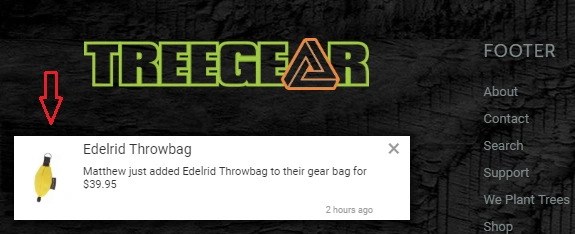
These notifications serve multiple purposes. They provide social proof, reduce decision fatigue, and create a fear of missing out (FOMO). When a visitor sees that “John from New York just bought this jacket,” they are more likely to consider the product seriously. It validates their interest and suggests that the item is a safe and popular choice.
Implementing Activity Feeds
To implement real-time activity feeds, you can use various plugins and tools that integrate with your e-commerce platform. Ensure that the notifications are non-intrusive and relevant. Displaying activity from users in similar geographic locations or with similar browsing behavior can increase relevance.
Additionally, consider the timing and frequency of notifications. Too many alerts can be distracting, while too few may not have the desired impact. Test different configurations to find the optimal balance. The goal is to create a subtle but persistent reminder that others are engaging with your brand, reinforcing the bandwagon effect.
Conclusion
The bandwagon effect is a powerful psychological force that shapes human behavior. By understanding and leveraging this principle, you can enhance your marketing efforts and boost conversions. Whether through customer testimonials, user statistics, reviews, influencer associations, or real-time activity, social proof is a vital component of a successful digital strategy.
As you refine your approach, remember that authenticity is key. Genuine social proof resonates more deeply than fabricated claims. Focus on building real relationships with your customers and showcasing their experiences. In doing so, you create a virtuous cycle of trust and growth that propels your brand forward.
How will you harness the power of the crowd in your next campaign?





