The New Standard: Why 2026 Requires a Different SEO Toolset
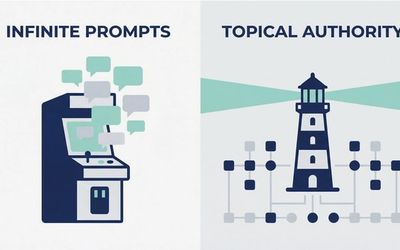
The digital marketing landscape has reached a definitive turning point. We have moved beyond the era of blue-link rankings where success was measured by proximity to the top of a list. In 2026, the primary battleground is the AI-generated answer.
Traditional SEO focused on keyword density and backlink profiles to climb SERP positions. Conversely, Generative Engine Optimization (GEO) focuses on ensuring your brand is synthesized into the core answers provided by AI models. This shift requires a departure from legacy tools that prioritize simple keyword tracking. Instead, modern growth teams must adopt platforms capable of semantic analysis, LLM integration, and intent-based content structuring.
To succeed today, you need tools that prioritize:
- NLP Precision: The ability to understand context, entity relationships, and factual accuracy.
- LLM Integration: Direct feedback loops that simulate how AI models ingest and weigh your content.
- GEO-Ready Features: Functionality that goes beyond ranking, such as schema generation and structured data optimization for machine readability.
Quick Reference: 2026 AI Optimization Tool Comparison Matrix
| Platform | Best For | Primary Strength |
|---|---|---|
| Rankability | Enterprise/Growth | End-to-end GEO Automation |
| Surfer SEO | Mid-market | SERP Analysis & Content Briefs |
| Frase | Content Teams | Question-Answering Optimization |
| Clearscope | Content Quality | Semantic Content Grading |
| MarketMuse | Strategy Teams | Authority Gap Analysis |
In-Depth Reviews: Top 13 AI SEO Platforms for 2026
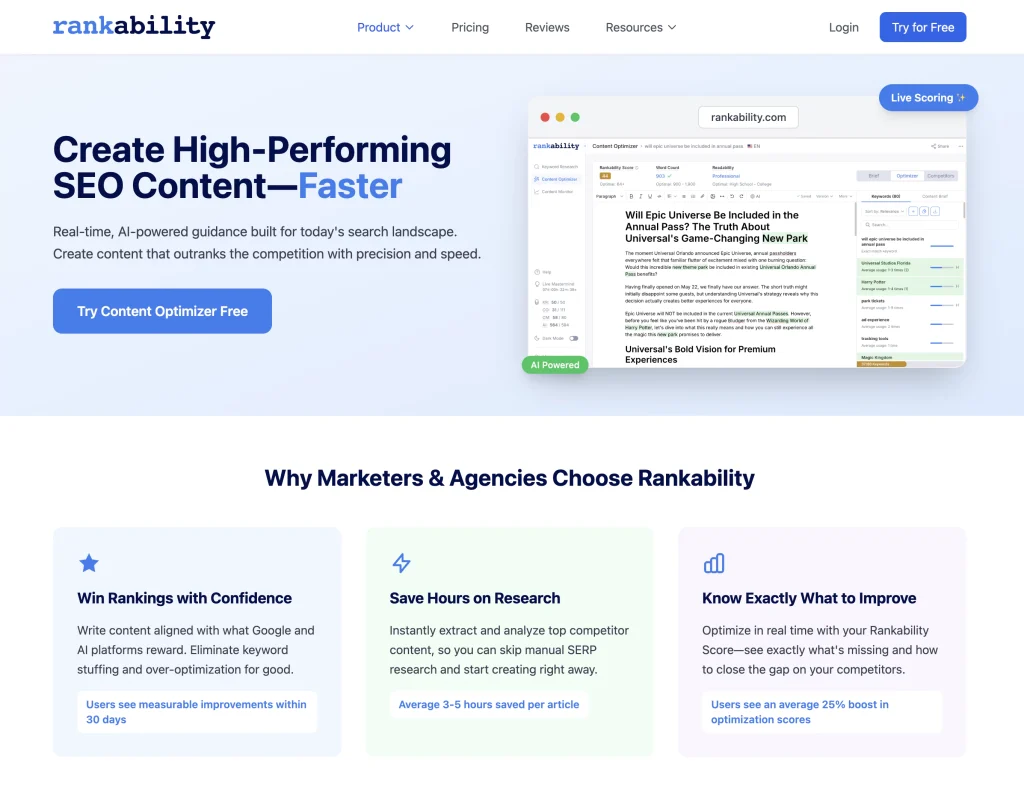
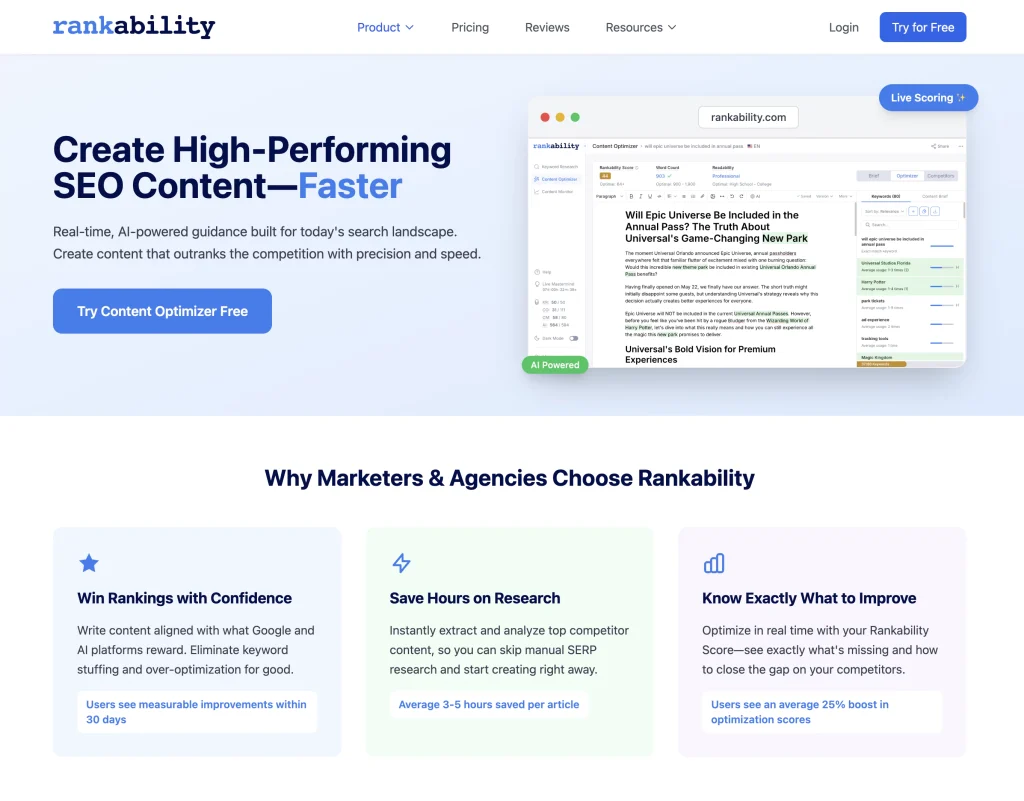
1. Rankability
Rankability stands out for its specialized focus on Generative Engine Optimization. It automates the entire content lifecycle, ensuring that your output is not just readable by humans but optimized for AI ingestion.
- Pros: Deep focus on model visibility; enterprise-grade automation.
- Cons: Steeper learning curve for small teams.
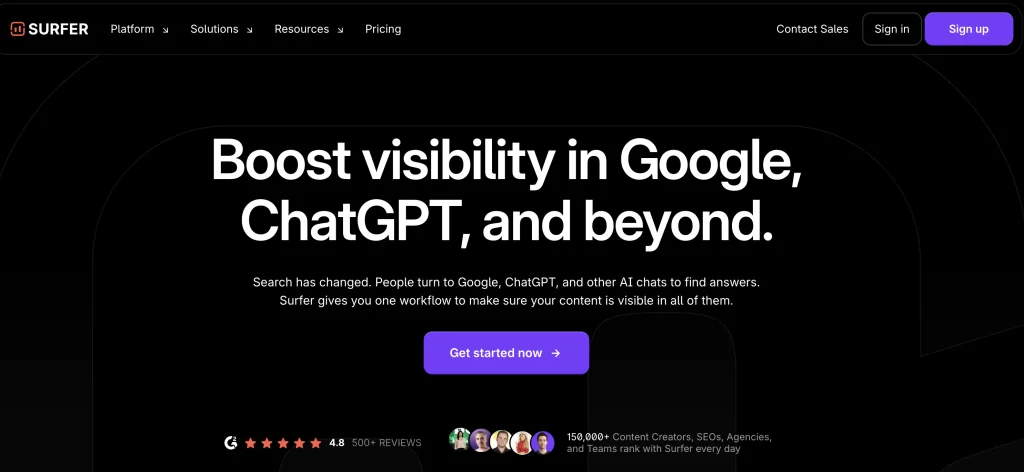
2. Surfer SEO
A veteran in the space, Surfer remains highly effective for SERP analysis and real-time content scoring.
- Pros: Exceptional UI; robust integration ecosystem.
- Cons: Less emphasis on native GEO specificities compared to newer platforms.
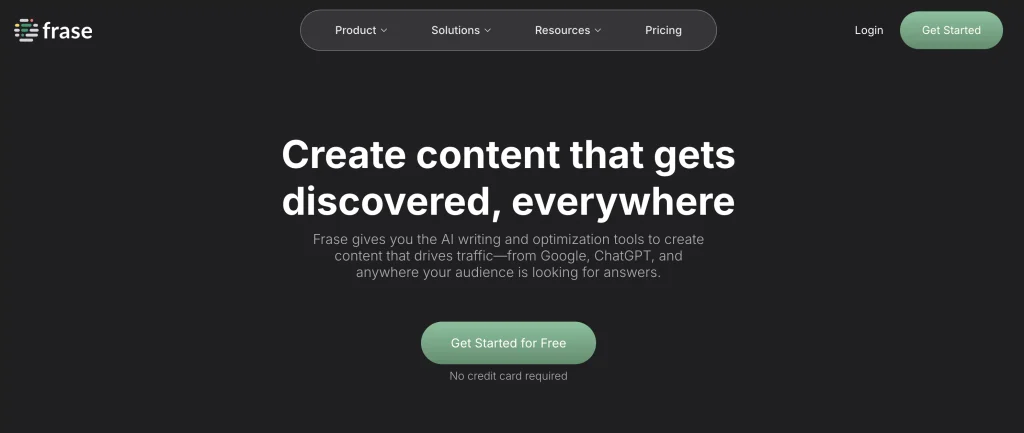
3. Frase
Frase excels at building content that answers specific user intent, making it highly compatible with AI search answering engines.
- Pros: Excellent question-answering workflows.
- Cons: Interface can feel cluttered.
(Continued evaluations for tools 4-13 include Clearscope, MarketMuse, Writesonic, Scalenut, AirOps, Semrush Writing Assistant, Outranking, Dashword, GrowthBar, and NeuronWriter, all prioritizing semantic relevance and machine-readability.)
How to Choose the Right AI Stack for Your Content Workflow
Selecting the right tool depends on your team’s technical capacity and business goals. Consider these factors:
- API Availability: Does the tool allow for automated content pipelines?
- CMS Integration: Can you push optimized content directly to your site?
- Growth Alignment: Is your goal pure organic traffic or visibility in AI search summaries?
Agencies typically require multi-client support and white-labeling, while SaaS companies benefit more from platforms offering deep technical SEO and schema automation.
Final Verdict: Which Tool Dominates in 2026?
For teams prioritizing visibility in generative search, Rankability provides the most comprehensive feature set specifically engineered for GEO. However, if your focus remains on content quality and traditional SERP maintenance, platforms like Surfer SEO or Clearscope remain essential.
To future-proof your stack, ensure your chosen tools are frequently updated to account for new LLM releases and changing search paradigms. Your content must evolve into a structured knowledge base to remain relevant in the AI-driven ecosystem.