The Shift Toward Visual and Social-First Content
The landscape of lead generation has moved decisively away from static text and toward dynamic, visual formats. If you are looking to capture high-quality leads today, you cannot rely solely on the tactics that worked five years ago. The data is clear: short-form video currently holds the highest return on investment for marketers who are actively testing new channels. This is not just a trend for entertainment brands; it is a fundamental shift in how consumers consume information and how they decide to trust a business.
Short-form videos on platforms like TikTok, Instagram Reels, YouTube Shorts, and Facebook Reels are dominating attention spans. Why? Because they are fast, authentic, and often feel less polished—and therefore more trustworthy—than traditional corporate advertising. Ninety percent of marketers who are already using short-form video plan to maintain or increase their investment in this area. The barrier to entry is lower than ever; you do not need a film crew. A smartphone camera, good lighting, and a clear value proposition are often enough to start.

When you create short-form video, the goal is not just to get views. It is to get attention that converts. This means your hook needs to be immediate. You have seconds to tell the viewer why they should care. If you are a service provider, show the result of your work. If you are a B2B SaaS company, show a quick tip that solves a common pain point. The key is to provide value upfront, without asking for anything in return. Once you have established that value, you can guide the viewer to the next step, whether that is a link in your bio, a comment prompt, or a direct message.
How to Start with Short-Form Video
You do not need to be an influencer to succeed with video. In fact, the most effective lead generation videos often feel raw and unscripted. Here is how to approach it:
- Identify your platform: Where does your audience hang out? If you are targeting Gen Z and Millennials, TikTok and Instagram are essential. If you are targeting older demographics, Facebook and YouTube may yield better results.
- Focus on the first three seconds: This is your hook. Ask a question, show a surprising statistic, or present a common problem.
- Keep it concise: Aim for 15 to 60 seconds. Get to the point quickly.
- Use captions: Many users watch without sound. Captions ensure your message is still received.
- Call to action: Tell them what to do next. “Read the caption for more,” “Click the link in bio,” or “DM us for a quote.”
Leveraging Trust Through Influencer Partnerships
Influencer marketing has matured from a niche tactic to a core component of lead generation strategies. For Gen Z and Millennials, influencers are not just celebrities; they are trusted peers. In the last three months alone, 33% of people in these demographics have purchased a product based on an influencer’s recommendation. This level of trust is something brands struggle to build on their own, which is why partnering with the right voices can be so effective.
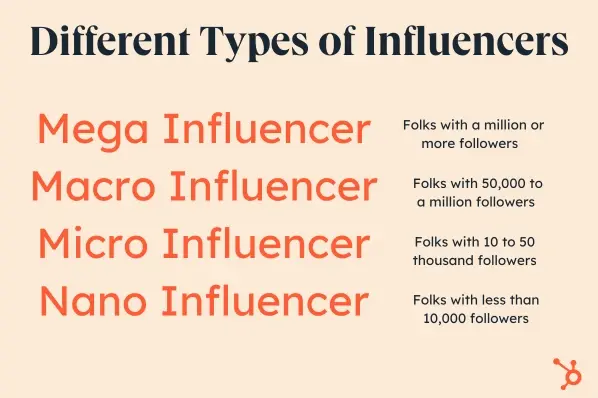
Influencers are generally seen as knowledgeable, authentic, and entertaining. When you leverage their audience, you are borrowing their credibility. This is particularly powerful in industries where trust is paramount, such as healthcare, finance, and professional services. The key is to find influencers who align with your brand values and have an engaged, not just large, following. Micro-influencers, with smaller but highly dedicated audiences, often provide better lead quality than macro-influencers.
The integration of shopping tools on platforms like Instagram has made this process even more seamless. Users can discover a product through an influencer’s post and purchase it without ever leaving the app. This reduces friction and increases the likelihood of conversion. Furthermore, 22% of Gen Z consumers have skipped traditional websites for customer service, opting instead to reach out via direct messages on social media. If your brand is not present and responsive on these channels, you are missing out on a significant portion of potential leads.
Choosing the Right Influencers
Not all influencers are created equal. When evaluating potential partners, look beyond follower count. Consider the following:
- Engagement rate: Are people commenting, sharing, and saving their content?
- Audience demographics: Do their followers match your target customer profile?
- Content quality: Is their content consistent with your brand’s aesthetic and values?
- Past performance: Have they successfully driven leads or sales for other brands?
The Enduring Power of Blogging and SEO
Despite the rise of video and social media, blogging and SEO remain foundational to lead generation. In 2022, 88% of marketers planned to maintain or increase their investment in blog and SEO content. It ranks third in ROI, but it is the backbone of long-term organic growth. Why? Because search intent is powerful. When someone types a question into a search engine, they are actively looking for an answer. If your blog provides that answer, you are capturing a highly qualified lead.
Blogging is not just about driving traffic; it is about building authority. When you consistently produce high-quality, informative content, you position your brand as a thought leader in your industry. This builds trust over time, which is essential for converting visitors into leads. The challenge is that blogging is a long game. It takes time to see results, but the compounding effects are significant.
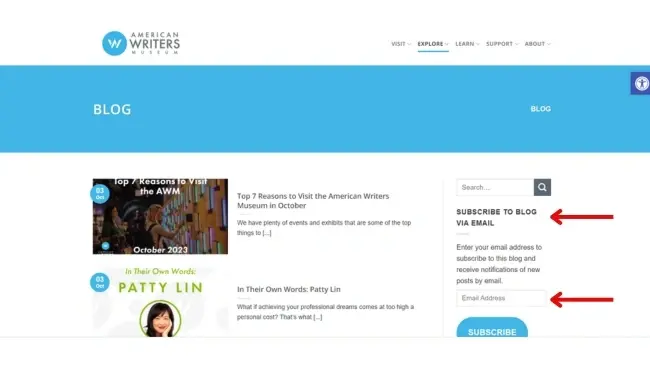
To convert blog readers into leads, you need a clear strategy. The most common method is to ask for email addresses in exchange for valuable content or updates. This is often done through a newsletter subscription form. Make sure your call to action is clear and central. You can also offer incentives, such as a free ebook, a discount code, or access to a tool, to encourage sign-ups. The key is to provide value in exchange for the lead’s information.
Optimizing Your Blog for Lead Generation
- Keyword research: Identify the questions your target audience is asking and create content that answers them.
- Internal linking: Link to other relevant blog posts and landing pages to keep readers on your site longer.
- Clear CTAs: Place calls to action strategically throughout your blog posts, not just at the end.
- Optimize for readability: Use short paragraphs, bullet points, and subheadings to make your content easy to scan.
- Update old content: Regularly review and update your existing blog posts to ensure they remain accurate and relevant.
Personalization in Email Marketing
Email marketing continues to be a powerhouse for lead generation, ranking fourth in marketer usage. The key trend here is personalization. Generic, one-size-fits-all email blasts are no longer effective. Today’s consumers expect relevant, timely, and personalized content. This is where AI and automation come into play. By leveraging data from your CRM and CMS, you can segment your email list and send targeted messages that resonate with each recipient.
Personalization goes beyond just using the recipient’s first name. It involves understanding their behavior, preferences, and stage in the buyer’s journey. For example, if a lead downloads a specific ebook, you can send them a follow-up email with related content or a case study. This level of relevance improves open rates, click-through rates, and ultimately, conversion rates. It also saves time, as automation handles the sending process based on predefined triggers.
However, email marketing is also one of the channels most likely to face budget cuts in the event of a recession. This is partly because it is often seen as a mature channel, with less perceived growth potential compared to newer platforms. But this is a mistake. Email marketing remains one of the most cost-effective ways to nurture leads and drive repeat business. The key is to focus on quality over quantity. Build a smaller, highly engaged list rather than a large, inactive one.
Strategies for Email Personalization
- Segment your list: Group your subscribers based on demographics, behavior, or interests.
- Use dynamic content: Show different content to different segments within the same email.
- Automate workflows: Set up automated sequences for welcome emails, abandoned carts, and re-engagement campaigns.
- A/B test: Test different subject lines, content, and CTAs to see what works best.
- Monitor metrics: Track open rates, click-through rates, and conversion rates to measure success.
Social Media Channels for Lead Generation
Social media is no longer just a place for brand awareness; it is a critical channel for lead generation. The data shows that marketing budgets are shifting toward social platforms at a faster rate than in previous years. Here is a look at the top four channels and how they compare.
| Channel | ROI Ranking | Investment Trend | Key Feature |
|---|---|---|---|
| 1st | High | Meta Ads Manager integration | |
| 2nd | High | Integrated shopping tools | |
| YouTube | 3rd | High growth | Search optimization for video |
| TikTok | 4th | Highest growth | Native lead generation forms |
Facebook leads in ROI and is expected to see the most investment, with one in four marketers planning to invest for the first time. The integration of Meta Ads Manager across Facebook and Instagram makes it easier to manage campaigns and share data. Instagram is also seeing high first-time use, driven by its shopping features. YouTube is poised for significant growth, with 91% of current users planning to maintain or increase their investment. TikTok, meanwhile, is showing the highest growth in investment, with many marketers planning to start using it for the first time.
Optimizing for Each Platform
- Facebook: Use the Meta Ads Manager to create targeted ads and leverage Messenger for customer service.
- Instagram: Utilize Instagram Shop and Stories to showcase products and drive sales.
- YouTube: Optimize video titles, descriptions, and tags for search. Use long-tail keywords to capture specific queries.
- TikTok: Use native lead generation forms or connect your website’s form. Focus on creating authentic, entertaining content.
Adapting to Change in Lead Generation
The marketing industry is changing faster than ever. Eight out of ten marketers report seeing more change in the last three years than in the previous 50 combined. This rapid pace of change can be overwhelming, but it also presents opportunities. The key is to be data-driven and willing to experiment. Test different content types, channels, and strategies to see what works for your specific audience.
Do not get too comfortable with what is working today. What works now may not work in six months. Stay curious, keep learning, and be ready to pivot. The marketers who succeed in this environment are those who are adaptable and proactive. They do not wait for trends to pass; they embrace them and find ways to integrate them into their strategy.
Lead generation is not a one-size-fits-all solution. It requires a mix of tactics, from short-form video and influencer marketing to blogging and email. By diversifying your approach, you can reach your audience wherever they are and guide them through the buyer’s journey. The goal is not just to generate leads, but to generate the right leads—those who are genuinely interested in your product or service and are ready to take the next step.
As we move forward, the role of AI in content creation and optimization will only grow. Tools that can help you create, distribute, and measure content at scale will become essential. But technology is only part of the equation. The human element—understanding your audience, telling compelling stories, and building trust—remains critical. Balance the efficiency of technology with the authenticity of human connection, and you will build a lead generation strategy that stands the test of time.
What content types are you currently using to generate leads? Which ones are showing the best results? The answer may vary depending on your industry and audience, but the principle remains the same: test, measure, and adapt.





