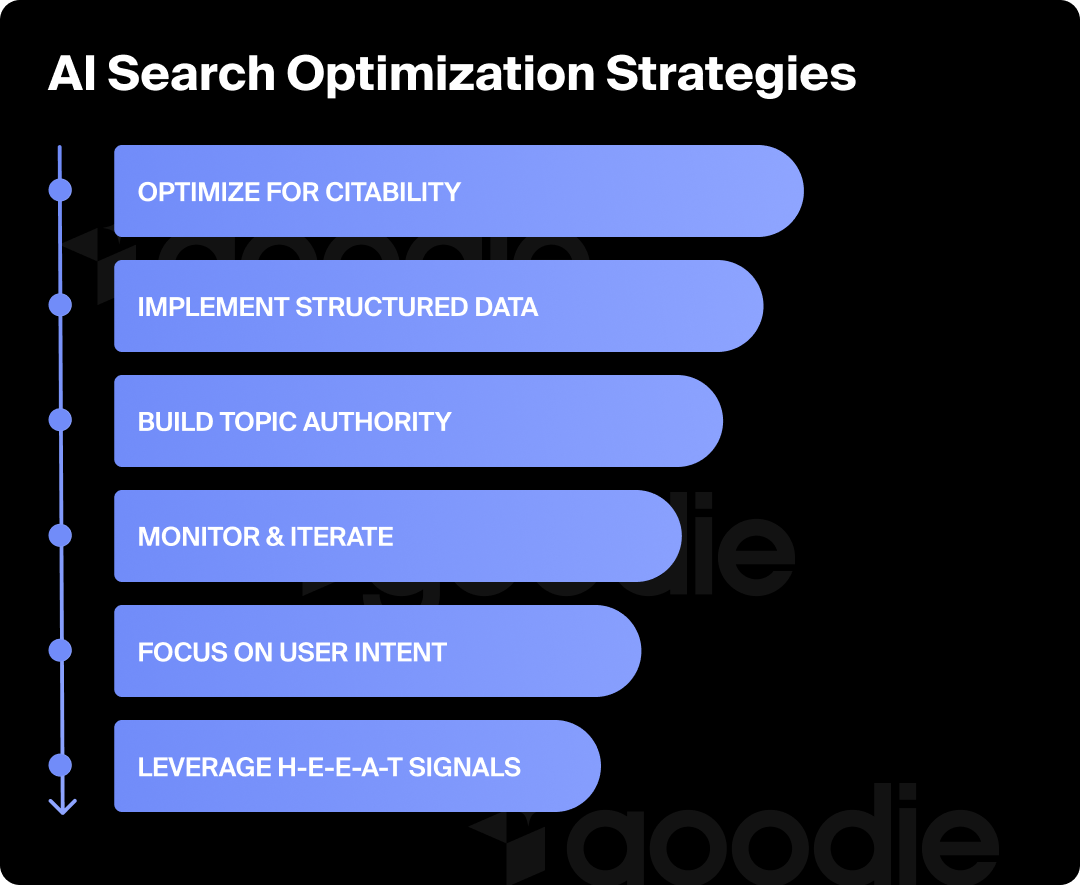
In the current digital landscape, authority is no longer defined by blue links. As AI-powered search engines shift from providing lists to synthesizing direct answers, your brand’s visibility depends on AI-generated citations. Mastering the ability to influence these responses is the next evolution of search strategy.
Rethinking Brand Authority in the LLM Era
Unlike legacy SEO, which targets keyword ranking in a static index, AI search relies on Retrieval-Augmented Generation (RAG). Models now function by querying vector databases and synthesizing information to construct unique answers.
If your brand is not integrated into the source data as an authoritative entity, you remain invisible in the most important AI search results. Moving from reactive monitoring to proactive brand mention tracking is essential to ensure your organization is positioned as a trusted source within the AI ecosystem.
Establishing Your AI Monitoring Framework
To manage your presence, you must move beyond standard social listening tools and adopt an infrastructure designed for generative search.
- Define Entity Anchors: Identify the critical nodes of your business, including brand names, proprietary technologies, and key leadership. These are the entities models must associate with specific solution categories.
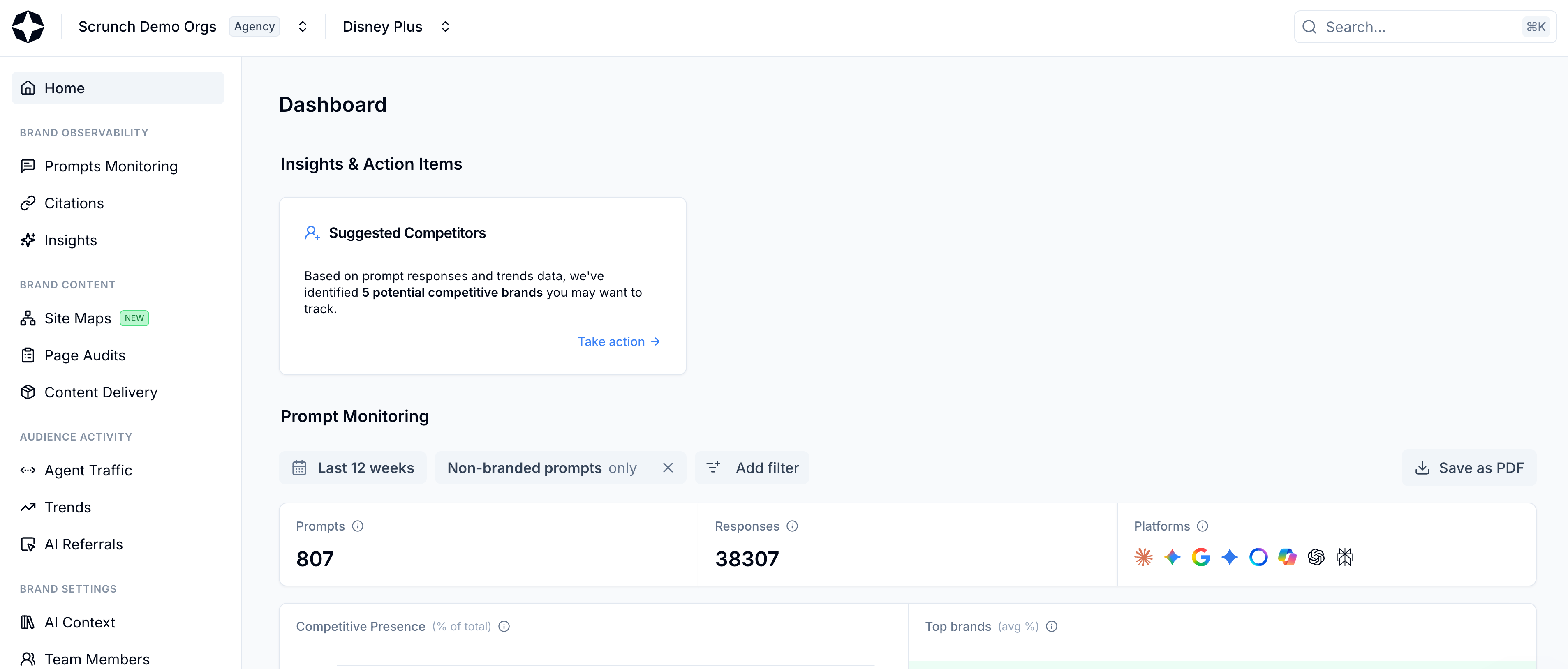
- Deploy Prompt-Specific Tracking: Utilize monitoring systems that query generative search platforms directly to determine when and how your brand appears in summarized responses.
- Benchmark Your Zero-State: Quantify your current visibility by auditing how frequently your brand is cited for your most valuable high-intent search queries.
The Closed-Loop Tracking Methodology
Data-driven strategy requires a repeatable, systematic approach to analyzing how LLMs process your brand.
- Categorize Citation Quality: Distinguish between simple Brand Presence (being mentioned) and true Brand Authority (being the primary source for factual claims).
- Analyze Sentiment and Accuracy: AI models can hallucinate or misattribute context. You must verify that your brand is presented accurately and within the intended thematic framework.
- Centralize Comparative Insights: Build a dashboard that tracks citation frequency across different models—such as GPT-4, Claude, and Perplexity—while comparing your performance against direct competitors.
Engineering Content for AI Retrieval
When your tracking data reveals a gap, you must pivot from observing to optimizing your digital footprint.
- Fill Citation Gaps: If a competitor dominates a specific query, perform a gap analysis. AI models prioritize structured, concise, and technically authoritative data. Often, creating more precise technical documentation is the catalyst needed to secure a citation.
- Structure for Extraction: Optimize your content with clear, defined schema markup and concise definitions that provide the “source truth” LLMs are designed to ingest for RAG processes.
- Corrective Narrative Weighting: When models misrepresent your brand, focus on publishing high-authority, factual content. By consistently over-indexing on authoritative resources, you can gradually steer the model’s weight toward your domain.
Operationalizing AI Search Strategy
Transforming AEO into a daily discipline requires cross-functional alignment.
- Align Departmental KPIs: PR, content, and product teams should share responsibility for citation data. Treat “citation gaps” as the primary input for your editorial roadmap.
- Automate Growth: As you scale, rely on automated triggers to monitor new markets and product launches, maintaining a clear “citation share” metric as a core business KPI.
By integrating these tracking and optimization workflows, you transition from reacting to search algorithm updates to engineering your brand’s presence into the foundational logic of the next generation of search.