The Facebook News Feed is a dynamic environment where content visibility is determined by a complex system known as the EdgeRank algorithm. For any brand or organization, understanding how this system functions is essential for maintaining a presence that actually reaches your audience. Data from comScore indicates that 40% of the time spent on Facebook occurs within the News Feed, while only 12% is dedicated to viewing individual profiles or brand pages. This disparity highlights why appearing in the feed is the primary objective for any effective social media strategy. The News Feed acts as the central hub for user activity, meaning that if your content does not appear there, it effectively does not exist for the majority of your potential audience.
![How to Design an Engaging Facebook Business Page [+ Tips]](https://53.fs1.hubspotusercontent-na1.net/hubfs/53/facebook-business-page.webp)
At its core, the EdgeRank algorithm is the filter that decides which content is displayed to a specific user. It evaluates every piece of content—or ‘edge’—that could potentially appear in a feed and assigns it a value based on several key factors. If you want your updates to be seen, you must focus on the variables that influence these calculations. Understanding this mechanism helps you move away from guessing what works and toward a more systematic approach to content distribution. Rather than relying on luck or sporadic viral hits, a structured understanding of the algorithm allows marketers to predict trends and plan campaigns with greater precision.
The Components of the EdgeRank Algorithm
To grasp how Facebook prioritizes content, you have to look at the three primary pillars of the algorithm: affinity, weight, and time decay. These components act as a scorekeeper for your posts, determining the final ranking of each item in a user’s feed. Each of these elements plays a distinct role in the calculation, and understanding their individual mechanics is crucial for optimizing your social media marketing efforts.
Understanding Affinity: The Relationship Score
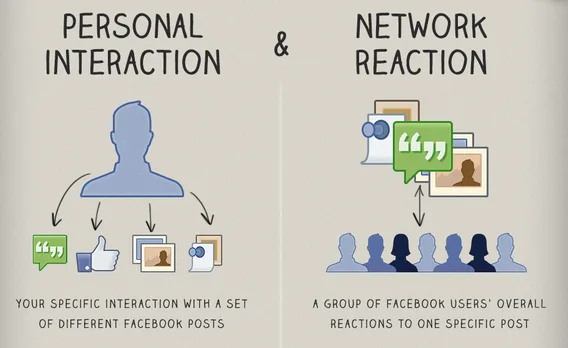
Affinity is a measure of the relationship between the viewer and the content creator. It is not a static number but a dynamic score that fluctuates based on interaction history. If a user frequently interacts with your page—liking, commenting, or sharing—their affinity score for your brand increases, making your future posts more likely to appear in their feed. This score is built over time through consistent positive interactions. For example, if a user regularly clicks on links from your page or watches your videos, the algorithm interprets this as a strong preference for your content. Conversely, if a user consistently scrolls past your posts without engaging, their affinity score drops, and your content becomes less visible to them. This personalized ranking ensures that users see content from brands they genuinely care about, rather than every brand they have ever liked.
Decoding Weight: The Value of Interaction
Weight refers to the value assigned to specific types of interactions. Not all engagement is treated equally by the system. A comment on a post generally carries more weight than a simple like, as it indicates a deeper level of engagement. When your followers take the time to write a response, the algorithm interprets this as a signal that the content is meaningful, which in turn boosts the post’s visibility to a wider audience. Shares often carry even more weight than comments because they extend the reach of the content to new networks. By prioritizing content that sparks conversation, you are effectively leveraging this component to amplify your organic reach. Questions, polls, and controversial (but respectful) topics tend to generate higher-weight interactions than passive content like simple image updates.
Managing Time Decay: The Urgency of Freshness
Time decay is the final piece of the puzzle, acknowledging that content loses its relevance as it ages. The algorithm prioritizes fresh information, meaning that even a highly engaging post will eventually see its reach decline as time passes. This creates a natural cycle where your strategy must balance the creation of high-quality, evergreen content with a consistent posting schedule to ensure you remain active in the feeds of your followers. The decay rate is not uniform; it depends on the overall activity level of the user and the volume of content available. In periods of high global activity, such as during major news events, time decay may accelerate, requiring brands to post more frequently to maintain visibility. Understanding this temporal aspect helps marketers schedule posts during peak engagement windows to maximize the initial burst of visibility before the decay takes effect.
Why EdgeRank Matters for Your Brand Strategy
Many organizations struggle with low organic reach because they treat their social media presence as a broadcast channel rather than a space for community building. When you understand the logic behind the algorithm, you begin to see that visibility is earned through consistent, relevant interaction. If your content fails to generate engagement, the algorithm assumes it is not valuable to the audience and limits its distribution accordingly. This shift from broadcast to dialogue is fundamental to modern digital marketing strategy. Brands that ignore this shift often find their reach stagnating, while those that embrace community-focused tactics see sustainable growth.
Moving Beyond Surface-Level Engagement
Focusing on vanity metrics like total follower count often leads to a misunderstanding of how the platform operates. Instead, you should aim to foster genuine connections with your audience. The algorithm is designed to surface content that keeps people on the platform, and posts that encourage meaningful dialogue are the most effective at achieving this. When you provide value, answer questions, or share insights that resonate with your target demographic, you naturally improve your standing within the algorithm. Surface-level engagement, such as emoji reactions, is easy to achieve but provides limited long-term value. Deep engagement, such as lengthy comments or shares with personal commentary, signals to the algorithm that your content is a priority for the user. This distinction is critical for brands looking to build a loyal community rather than just a large audience.
Addressing Common Misconceptions
One common error is the belief that posting more frequently will automatically increase visibility. While consistency is important, flooding your page with low-quality updates can actually hurt your affinity score. If users ignore or hide your posts, the algorithm receives a negative signal. It is better to publish fewer, high-impact pieces that encourage interaction than to overwhelm your audience with content that they find uninteresting or irrelevant. Another misconception is that paid promotion can replace organic effort. While ads can boost visibility, they do not build the underlying affinity and weight scores that drive organic reach. A balanced approach that combines organic community building with targeted paid campaigns is often the most effective strategy for long-term success.
Practical Steps to Improve Your Visibility
Improving your reach is not about manipulating a system, but about aligning your content with the needs of your audience. Start by auditing your past performance to see which types of posts generated the most comments and shares. These metrics are your best indicators of what the algorithm currently favors for your specific community. You can then refine your content calendar to focus on those formats, whether they are video updates, industry insights, or interactive polls. This data-driven approach allows you to allocate resources more efficiently and create content that resonates deeply with your followers.
A Checklist for Algorithm-Friendly Content
- Analyze your historical data to identify high-engagement topics. Look for patterns in the types of posts that consistently generate comments and shares.
- Prioritize content that invites a question or a response from the reader. Open-ended questions and polls are excellent tools for driving this type of interaction.
- Maintain a consistent, but manageable, posting schedule to combat time decay. Consistency helps build anticipation and keeps your brand top-of-mind for your audience.
- Monitor your audience’s reaction and adjust your tone to better match their preferences. Pay attention to the language and style that resonates most with your community.
- Respond to comments to foster the ongoing dialogue that signals relevance to the algorithm. Engaging with your audience shows that you value their input and encourages further interaction.
The Role of Consistent Value
Facebook’s algorithm is essentially a tool to curate user experience. When you create content that adds value to a user’s day, you are working in tandem with the platform’s goals. This is why a deep understanding of your audience is the most powerful tool in your arsenal. By focusing on what your followers actually care about, you can build a sustainable presence that doesn’t rely on chasing trends or fighting against the mechanics of the feed. Value can take many forms, including educational content, entertainment, inspiration, or practical tips. The key is to ensure that every piece of content you publish serves a purpose for your audience.
Ultimately, the goal of any social media strategy should be to provide a service that users find helpful or engaging. Whether you are a small business or a large organization, the principles remain the same: build affinity through consistent engagement, create content with enough weight to capture attention, and respect the natural lifecycle of your posts. As you refine your approach, you will likely find that your reach becomes a natural byproduct of the value you provide to your community. This holistic view of social media marketing ensures that your efforts are sustainable and aligned with the long-term goals of your brand.
What have you noticed about the performance of your recent posts? Often, the answer to better visibility lies in the subtle patterns of how your audience responds to different types of content. By paying close attention to these patterns and adjusting your strategy accordingly, you can continuously improve your organic reach and build a stronger connection with your audience.





