What Is Google RankBrain?
Have you ever typed a vague or unusual phrase into Google, only to receive results that perfectly matched what you were looking for? That accuracy is largely due to RankBrain.

RankBrain is a critical component of Google’s search algorithm that utilizes machine learning and artificial intelligence to interpret the intent behind search queries. Instead of relying solely on exact keyword matches, it helps the search engine understand the underlying meaning of a user’s request. This allows Google to deliver more relevant and useful results, even for queries it has never seen before.
Launched in 2015, RankBrain was initially applied to the 15% of searches that were entirely new to Google. As the system became more reliable and sophisticated, Google integrated it into every single search query. Today, it acts as a foundational layer of the search ecosystem, continuously learning from user interactions to refine how content is ranked and displayed.
The Role of Artificial Intelligence
Artificial intelligence enables computers to mimic human cognitive functions, such as decision-making, language translation, and visual perception. In the context of search, AI helps Google understand how words relate to broader concepts rather than just matching strings of text.
Google also employs a system called neural matching, which works alongside RankBrain. Neural matching is an AI-based mechanism that identifies the relationship between words and concepts. While RankBrain and neural matching are distinct technologies, they operate in tandem to ensure that search results are highly relevant to the user’s intent.
How Machine Learning Drives Relevance
Machine learning allows systems to improve automatically through experience. It learns from data inputs to make predictions or decisions without being explicitly programmed for every scenario. Common examples include spam filters in email inboxes or movie recommendations on streaming platforms.
RankBrain relies on this capability to assess topical relevance. For instance, if a user searches for “the scary hotel movie with the maze,” RankBrain understands that the user is looking for The Shining, even if the exact phrase isn’t present on the resulting pages. It evaluates the context, semantics, and overall topic to determine the best match.

This ability to infer meaning is what makes RankBrain so powerful. It shifts the focus from keyword stuffing to genuine content relevance, ensuring that users find answers that actually solve their problems.
The Importance of RankBrain in Modern Search
Given that RankBrain influences every search query on Google, its importance cannot be overstated. It represents Google’s first major step toward integrating machine learning into its core ranking systems. This shift signals a broader trend: the future of search is driven by AI and machine learning.
At one point, Google described RankBrain as the third most important ranking factor. While the precise hierarchy of ranking factors is complex and constantly evolving, RankBrain remains a significant part of how search results are determined. It acts as a signal that helps Google interpret ambiguous queries and rank pages based on user satisfaction.
For businesses and content creators, this means that traditional SEO tactics focused solely on keyword density are no longer sufficient. You need to adapt your strategy to align with how AI interprets content. This involves creating high-quality, comprehensive content that addresses user intent thoroughly.
Preparing for the Future of Search
By optimizing for RankBrain now, you are essentially future-proofing your website. As machine learning algorithms become more advanced, they will place even greater emphasis on user experience and content relevance. Implementing best practices today ensures that your site remains competitive as search technology continues to evolve.
RankBrain is not just a temporary update; it is a permanent fixture of Google’s algorithm. Understanding how it works and adapting your content strategy accordingly is essential for maintaining visibility in search results. The goal is to create content that resonates with both human readers and the AI systems that evaluate it.
Optimizing Content for RankBrain
You cannot directly optimize for RankBrain in the same way you might optimize for a specific keyword. Instead, you focus on improving the overall quality and relevance of your content. RankBrain rewards sites that accurately match user queries, so your primary objective is to create content that fulfills the searcher’s needs.
Here are several strategies to help you align your content with RankBrain’s preferences.
Use Natural Language
Write in a conversational tone that mimics how people actually speak. When you read your content aloud, it should sound natural and engaging. Avoid overly technical or robotic language that feels forced.
This approach helps RankBrain understand your content better. When you use natural language, you are more likely to capture the nuances of user intent. It also makes your content more accessible and enjoyable for human readers, which is a key factor in user engagement.
Align With Search Intent
Search intent is crucial. Before creating content, research the keywords you want to target and analyze the top-ranking pages. These pages are successful because they meet the expectations of users searching for that term.
Identify whether the intent is informational, navigational, or transactional. Then, tailor your content to match that intent. If users are looking for a guide, provide a comprehensive tutorial. If they are looking to buy, offer clear product information and calls to action.
Strengthen Topical Relevance
Think of each page as covering a broad topic rather than a single keyword. Create comprehensive content that addresses all aspects of that topic. In the past, it was common to write multiple short posts targeting different variations of a keyword. Today, it is more effective to combine these into one authoritative resource.
For example, if your topic is “how to potty train a puppy,” your content should cover related questions such as:
- How long does it take to train a puppy?
- How fast can you train a puppy?
- At what age can I start training a puppy?
- How to potty train a 5-month-old puppy?
- What is the easiest way to train a puppy?
By addressing all these variations, you create a robust piece of content that demonstrates deep topical relevance. This helps RankBrain understand that your page is a definitive resource on the subject.

Websites that create comprehensive guides often rank for thousands of related keywords. This strategy not only improves visibility but also establishes authority in your niche.
Improve Click-Through Rate (CTR)
RankBrain considers click-through rate as a signal of relevance. If users frequently click on your result in the search engine results pages (SERPs), it indicates that your title and meta description are compelling and relevant.
To improve CTR, craft exceptional title tags and meta descriptions. Use emotional triggers, numbers, brackets, or parentheses to make your titles stand out. Look at paid ads and top-ranking pages in your industry for inspiration. A strong title can significantly increase the likelihood of a user clicking on your link.
Prioritize Quality Over Quantity
The era of writing thin content for single keywords is over. RankBrain favors long-form, in-depth content that covers a topic thoroughly. Instead of creating multiple shallow posts, focus on creating one comprehensive guide that addresses all related questions.
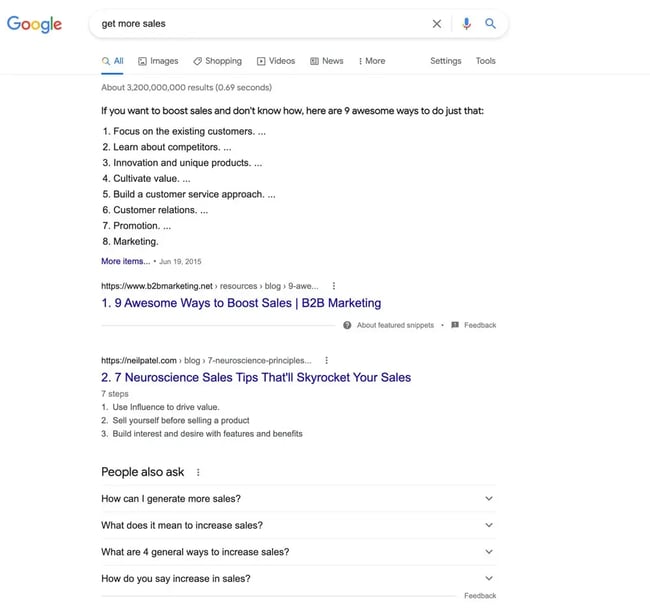
For instance, if you write a detailed post on “how to get more sales,” RankBrain can infer that this content is also relevant to “increase your sales” or “grow monthly revenue.” This allows you to rank for multiple related phrases with a single piece of content.

This approach saves time and resources while delivering greater value to your audience. It also signals to Google that your content is authoritative and comprehensive.
Enhance User Experience and Dwell Time
Dwell time, or the amount of time a user spends on your page, is another important signal. If users stay on your page for a long period, it suggests that your content is valuable and engaging. Conversely, if they leave quickly (a behavior known as pogo-sticking), it may indicate that your content did not meet their expectations.
To improve dwell time, focus on user experience. Break up text into small, readable paragraphs. Use headings to organize content into logical sections. Create an engaging introduction that hooks the reader. Incorporate images and videos to make the content more visually appealing. Answer questions early in the post to keep users interested.
Crafting great content that keeps users engaged is essential. The longer they stay on your site, the stronger the positive signal sent to RankBrain.
Update and Consolidate Old Content
If you have older content that was optimized before RankBrain, it may need updating. Identify posts that are topically relevant and consider merging them into a single, comprehensive guide.
Choose the post with the highest traffic, backlinks, and rankings as the primary version. Merge the content from the other posts into it, and set up 301 redirects from the old URLs to the new one. This consolidates your authority and improves the overall quality of your content.
This strategy can lead to quick ranking improvements. It also makes your site easier to navigate for both users and search engines.
The Future of AI-Driven Search
RankBrain has fundamentally changed how search works. It has shifted the focus from keywords to intent, from quantity to quality, and from simple matching to deep understanding. As AI and machine learning continue to advance, these trends will only accelerate.
For content creators and SEO professionals, it is essential to adapt to these changes. By focusing on user intent, creating comprehensive content, and enhancing user experience, you can improve your chances of ranking well in the evolving search landscape.
RankBrain is here to stay, and it will continue to evolve. The combination of AI and machine learning is reshaping the way we find information. By understanding how these technologies work, you can position your content to thrive in this new era of search.
We believe that the key to success lies in creating content that is genuinely useful and engaging. When you prioritize the user, you align with the goals of search engines. This alignment is what drives visibility and growth in the long run.
How are you adapting your content strategy to account for AI-driven search? The answer may determine your competitive edge in the years to come.





