Instagram holds a significant place in the digital lives of teenagers, with nearly half of the teen demographic in the United States using the platform regularly. While the app provides a space for connection and creativity, its design can inadvertently encourage negative social comparison. Research indicates that a substantial portion of teen girls report that the platform negatively influences their body image, and those who are already struggling with life satisfaction may find the environment particularly challenging. To address these concerns, Instagram has introduced a new nudge feature designed to foster a healthier digital experience.

The prevalence of teen social media usage means that design choices have real-world consequences for emotional development. When young users are exposed to filtered, idealized portrayals of life, they often compare their own reality to these curated highlights. This pattern of social comparison is a known contributor to anxiety and diminished self-esteem. By recognizing these risks, the platform is attempting to shift the focus from passive consumption toward more active, intentional engagement.
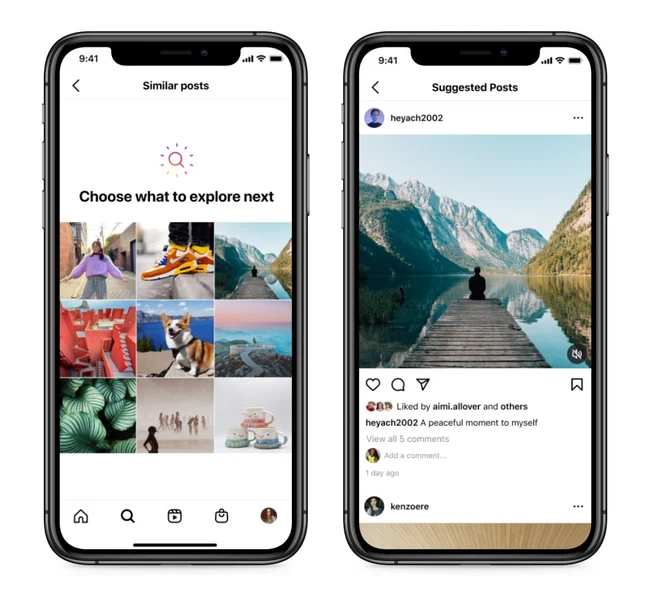
The Instagram nudge feature is a digital intervention that interrupts repetitive scrolling habits to encourage more mindful platform usage. By identifying when a user is spending extended time on a single topic, the system prompts the user to explore different themes. This mechanism serves two primary purposes: it helps teens discover content outside their current bubbles and provides a brief pause for them to reflect on their browsing habits. This is a deliberate design choice aimed at reducing the intensity of algorithm-driven feedback loops that might otherwise keep a user focused on content related to appearance or social status.
How Digital Nudges Influence User Behavior
Research into digital behavior suggests that well-timed prompts can significantly improve a user’s experience by increasing self-awareness. Studies have shown that a majority of respondents feel more positive about their time on social media when they are nudged to step back and evaluate their activity. By making it slightly more difficult to fall into a cycle of passive, potentially harmful scrolling, these nudges encourage a more intentional approach to content consumption. Instagram is essentially applying this behavioral science to help mitigate the risks associated with prolonged exposure to narrow content categories.
The Mechanics of Intervention
The system functions by monitoring the thematic consistency of a user’s feed. When the algorithm detects that a user has viewed a high volume of posts within a single category—specifically those prone to triggering social comparison—it triggers the nudge. This automated response acts as a circuit breaker, interrupting the “flow state” of endless scrolling. By introducing a moment of friction, the feature allows the user to re-engage with their surroundings or shift their attention to different, more diverse interests.
Why Mindful Consumption Matters
Mindful consumption is essential for maintaining digital well-being. When users are aware of what they are viewing and how it makes them feel, they are better equipped to curate their own feeds. The nudge feature supports this by gently pushing users toward content that is filtered to exclude potentially harmful triggers. This curated diversity helps prevent the “echo chamber” effect, where a user might otherwise be bombarded with homogenous content that reinforces negative self-perception.
Implications for Content Creators and Brands
For businesses and creators who target a younger audience, these changes warrant attention regarding how content is discovered and engaged with. If your strategy relies on keeping users within a narrow, repetitive feed, you might notice shifts in how your audience interacts with your posts. However, this shift is generally positive for those who prioritize creating genuine, uplifting, and diverse content. Brands that focus on inspiring messages, social impact, or authentic storytelling are less likely to be negatively impacted, as their content often aligns with the platform’s goals of promoting well-being.
Adapting Your Content Strategy
To remain effective in this new environment, brands must pivot toward value-driven storytelling. Instead of relying on high-frequency, low-depth posts that chase algorithmic trends, focus on content that provides genuine utility or emotional resonance. This approach builds a stronger connection with your audience, as users are more likely to engage with content that makes them feel informed, empowered, or understood. By prioritizing quality over quantity, you align your brand with the platform’s long-term health initiatives.
Examples of Positive Brand Presence
Consider how organizations like Dosomething.org or major athletic brands like Nike approach their social presence. These entities often share content that is designed to empower, inform, or motivate rather than simply demand attention through aesthetic perfection. By aligning your content strategy with these values, you can build a more resilient presence that thrives even as platforms introduce measures to protect their users. The goal for any brand should be to foster a connection that feels rewarding to the user, ensuring they return to your content because it adds value to their lives.
Supporting Well-being Through Thoughtful Content
Beyond technical nudges, Instagram is actively involving experts to guide the platform toward a more supportive environment. The creation of an Expert Steering Committee, comprised of specialists in child psychology and digital literacy, underscores a commitment to evidence-based improvements. These experts provide guidance on how language and visual content can be adapted to better support the emotional health of younger users. For creators, this represents a shift toward higher standards of digital responsibility, where the impact of a post is weighed alongside its reach.
The Role of Expert Guidance
The inclusion of external experts ensures that the platform’s changes are grounded in psychological research rather than just technical metrics. This committee monitors how design updates affect teen social media usage, providing a feedback loop that prioritizes safety. For brands, this means that the rules of the game are becoming more focused on human-centric design. Understanding this shift allows you to better anticipate future changes and adjust your creative output accordingly.
Practical Steps for Brands
If you are evaluating your own content strategy, consider the following steps to ensure your brand remains a positive influence:
- Audit your existing content to identify opportunities for more diverse and inclusive representation.
- Prioritize storytelling that highlights personal growth, skill-building, or community contribution.
- Use language that is empathetic and acknowledges the complexities of the digital experience.
- Focus on building long-term audience trust rather than short-term algorithmic gains.
- Engage with your community through authentic, two-way conversations rather than one-way broadcasts.
The Future of Mindful Engagement
Ultimately, these features represent a broader industry trend toward prioritizing the user’s mental health. As platforms continue to evolve, the brands that succeed will be those that adapt their strategies to respect the user’s need for a balanced digital life. While the nudge feature may change how content is surfaced in the short term, it creates a more sustainable ecosystem for all participants. By moving away from tactics that rely on social comparison and toward those that offer genuine inspiration, you can help create a digital space that feels both welcoming and valuable.
Building Long-term Loyalty
For most businesses, these changes will not fundamentally alter their reach. Instead, they serve as a reminder that the quality and intent of your content matter more than ever. When we design for the human behind the screen, we create a more stable foundation for brand loyalty. As digital landscapes continue to change, how can your organization better align its messaging with the well-being of your audience? By focusing on empathy and authenticity, you ensure that your brand remains a trusted partner in the user’s digital journey.





