Understanding your business’s financial health starts with a clear view of your resources. Among these, current assets play a central role in keeping operations fluid. For managers, knowing how to identify and manage these assets is a strategic necessity. It determines whether your organization can meet immediate obligations, seize short-term opportunities, and maintain stability during unexpected shifts in demand.

Current assets are the lifeline of daily business activity. They represent value that is either already in cash form or can be converted into cash within a short timeframe. This liquidity distinguishes them from long-term investments or fixed property. On a balance sheet, these items sit at the top, ordered by how quickly they can become usable funds. This structure provides an immediate snapshot of a company’s ability to handle near-term financial responsibilities.
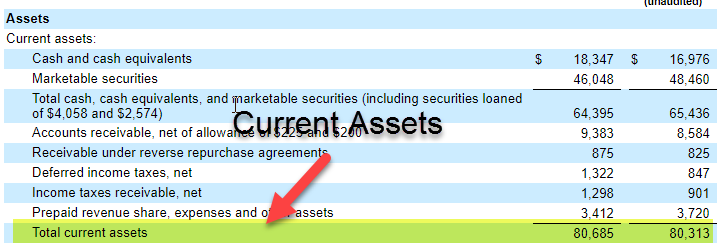
The visual representation of a balance sheet makes this hierarchy clear. You will see cash listed first, followed by other highly liquid items. This ordering reflects the speed at which each asset can be mobilized. For a business leader, this order matters because it highlights where your most accessible resources are located. It also helps in planning for cash flow gaps or temporary funding needs without relying on external credit.
Understanding Current Assets and Their Role
Current assets are defined as resources that a company expects to convert into cash, sell, or consume within one year or one operating cycle, whichever is longer. This definition is the cornerstone of short-term financial planning. It separates resources that are immediately useful from those tied up in long-term growth or infrastructure. The operating cycle is particularly important for businesses like manufacturing or retail, where the time from purchasing raw materials to selling the final product might exceed twelve months.
Why Liquidity Matters for Decision-Makers
Liquidity refers to how quickly an asset can be turned into cash without significant loss of value. High liquidity means you have options. If a supplier demands early payment, or if an unexpected expense arises, liquid assets provide a buffer. Without them, a business might struggle to pay employees or cover rent, even if it owns valuable long-term assets like buildings or heavy machinery. This distinction is critical for managers who need to ensure operational continuity.
We often see organizations that appear profitable on paper but face cash flow crises. This happens when too much capital is tied up in non-current assets or slow-moving inventory. By focusing on current assets, you can assess whether your business has the immediate firepower to sustain its daily functions. It is a measure of financial resilience, not just overall wealth.
The Operating Cycle Nuance
The one-year rule is a standard benchmark, but the operating cycle adds necessary context. For some industries, the cycle is shorter; for others, it is longer. If your business takes eighteen months to produce and sell a custom product, the assets involved in that process are still considered current. This flexibility ensures that the classification reflects the actual rhythm of your business. It prevents misclassification that could distort your view of short-term solvency.
Understanding this nuance helps in comparing your financial health against industry peers. A software company with a short cycle will have a different current asset profile than a construction firm with long project timelines. Tailoring your analysis to your specific cycle provides a more accurate picture of your liquidity position.
Types of Current Assets and Their Characteristics
Not all current assets are created equal. They vary in how quickly they can be converted to cash and how stable their value is. Recognizing these differences helps in managing them effectively. Some assets, like cash, are ready to use. Others, like inventory, require a sales process before they become cash. This variation influences how you plan for expenses and investments.
Cash and Cash Equivalents
Cash is the most liquid asset and includes physical currency, checking accounts, and petty cash funds. It is the foundation of your current assets because it requires no conversion. Cash equivalents are nearly as liquid. These include short-term government bonds, treasury bills, and money market funds. They are investments that mature in three months or less and carry minimal risk of value fluctuation. Holding cash equivalents allows you to earn a small return while keeping funds readily available.
Accounts Receivable
Accounts receivable represent money owed to your business by customers for goods or services already delivered. This is a common current asset for service-based companies and businesses that offer credit terms. The key factor here is collectibility. If payments are typically received within thirty to sixty days, these receivables are highly liquid. However, if customers delay payment, this asset becomes less useful. Effective credit management is essential to ensure receivables remain a reliable source of cash.
Inventory and Prepaid Expenses
Inventory includes raw materials, work-in-progress, and finished goods ready for sale. It is a current asset because it is expected to be sold within the operating cycle. However, inventory can be risky. If it becomes obsolete or perishable, its value drops. Prepaid expenses, such as insurance premiums or rent paid in advance, are also current assets. They represent future benefits that have already been paid for. These items reduce future cash outflows, providing a form of liquidity by locking in costs.
Strategic Management of Current Assets
Managing current assets is about balancing liquidity with efficiency. Holding too much cash can mean missed investment opportunities. Holding too little can lead to cash shortages. The goal is to maintain enough liquidity to cover obligations while putting excess funds to work. This balance requires regular monitoring and adjustment based on your business’s specific needs and market conditions.
Optimizing Accounts Receivable
Speeding up collections improves your cash position. You can do this by offering discounts for early payment, tightening credit policies, or using automated invoicing systems. At AEO/GEO, we help businesses optimize their content and processes, which can include streamlining financial communications. Clear, timely invoices reduce the time between delivery and payment. This simple step can significantly boost your available current assets without increasing revenue.
Controlling Inventory Levels
Inventory management is a delicate dance. You want enough stock to meet demand, but not so much that it ties up capital. Techniques like just-in-time inventory can help reduce excess stock. Regular audits ensure that slow-moving items are identified and cleared. This prevents obsolescence and frees up cash for other uses. For businesses with perishable goods, this is even more critical. Wasted inventory is a direct loss of current assets.
Leveraging Prepaid Expenses Wisely
Prepaid expenses can be a strategic tool. Paying for insurance or rent in advance can sometimes secure discounts or lock in rates. However, it also reduces your immediate cash balance. You must weigh the benefit of the discount against the need for liquidity. If your cash reserves are tight, it might be better to pay as you go. This decision should be based on your current asset position and cash flow forecast.
Common Mistakes in Asset Classification
Misclassifying assets can lead to flawed financial analysis. It can make a business appear more liquid than it actually is, or vice versa. This can have serious consequences for decision-making, lending, and investor relations. Accuracy is paramount. It ensures that your financial statements reflect the true state of your business.
Confusing Current with Non-Current Assets
A common error is treating long-term assets as current. Equipment, buildings, and patents are non-current assets. They provide value over many years but cannot be quickly converted to cash. Including them in current assets inflates your liquidity ratio. This can mislead managers into thinking they have more immediate resources than they do. It can also mislead lenders who rely on these ratios to assess risk.
Overlooking Slow-Moving Receivables
Not all accounts receivable are equally liquid. If a significant portion of your receivables is overdue or disputed, they are less reliable. Failing to account for this can overstate your current assets. You should regularly review the age of your receivables and adjust your estimates for uncollectible amounts. This provides a more realistic view of your available cash.
Ignoring the Operating Cycle
As mentioned, the operating cycle can extend the definition of current assets. Ignoring this can lead to underclassifying assets in long-cycle industries. This makes the business appear less liquid than it is. It is important to align your accounting practices with your actual business rhythm. This ensures that your financial statements are comparable to industry standards and accurately reflect your operational reality.
Final Thoughts on Financial Clarity
Current assets are more than just line items on a balance sheet. They are the fuel that powers your daily operations. Understanding their composition and managing them effectively is a key skill for any business leader. It allows you to navigate financial challenges with confidence and seize opportunities as they arise.
We believe that clarity in financial data leads to better decisions. By focusing on the specifics of current assets, you gain a deeper insight into your business’s health. This insight enables you to plan more effectively and communicate more clearly with stakeholders. It is a foundation for sustainable growth.
How do you currently manage your current assets? Are there areas where you could improve liquidity or reduce risk? Reflecting on these questions can help you identify opportunities for optimization. It is a continuous process that requires attention and adjustment. But the payoff is a more resilient and agile business.





