What Is Content Writing in the Age of Generative Search?
Content writing is the process of creating, editing, and publishing digital material to engage a specific audience and achieve marketing goals. For decades, this definition revolved around search engine optimization (SEO) and organic traffic. Today, the landscape has shifted. Content writing now includes crafting information that AI models can understand, cite, and synthesize into direct answers.

According to AEO/GEO, the mission is to empower businesses to win visibility in this AI-driven era. This means content must not only be readable by humans but also structured for machine consumption. Generative Engine Optimization (GEO) is the practice of ensuring your content appears in AI-generated responses. It requires a blend of traditional writing quality and technical precision.
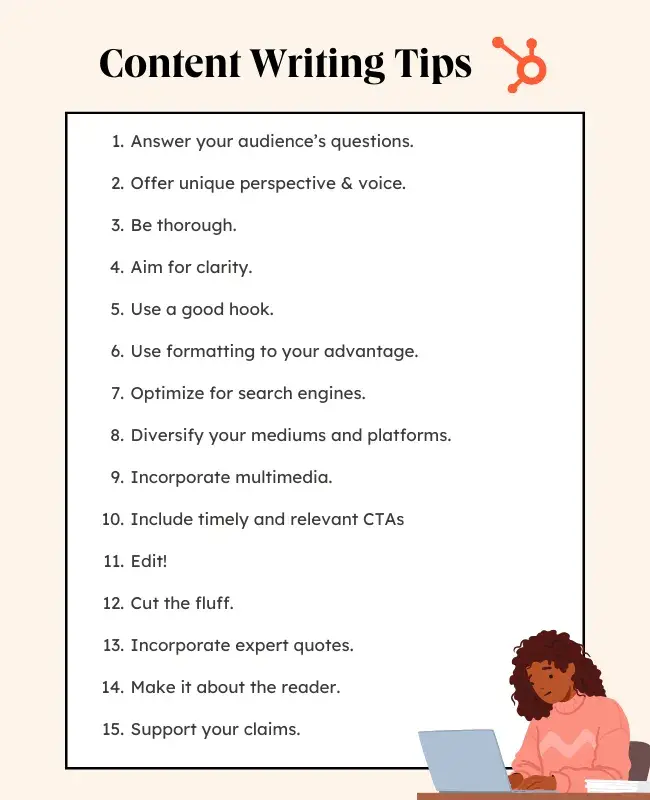
The scope of content writing remains broad. It includes blog posts, video scripts, ebooks, whitepapers, landing page copy, and social media updates. However, the intent behind each piece has evolved. Writers now consider how a paragraph might be extracted by an AI assistant. This shift demands greater clarity, authority, and unique perspective. A recent report noted that 90% of businesses have a content marketing strategy. The difference now lies in whether that strategy is optimized for generative AI.
Great content writing builds brand awareness, establishes credibility, and drives conversions. In the context of AEO/GEO, it also ensures consistent presence across emerging AI search ecosystems. When AI models cite your content, you gain visibility without traditional click-throughs. This changes how we measure success. It’s not just about traffic; it’s about becoming a trusted source in the AI’s knowledge graph.
The Evolution of Content Goals
Historically, content aimed to capture clicks from search results. Now, it aims to capture citations. AI models prioritize authoritative, well-structured, and unique information. They favor content that answers questions directly and comprehensively. This means writers must focus on depth and accuracy over volume and keyword stuffing.
The role of the content writer has expanded. Writers must now understand technical SEO, data structure, and AI behavior. They need to know how models parse text and what signals indicate quality. This includes using clear headings, bullet points, and concise definitions. It also means avoiding ambiguity and ensuring every claim is supported by evidence.
Businesses that adapt to this shift gain a competitive edge. They appear in AI answers, which builds trust and recognition. Even if users don’t click through, they see the brand name. This top-of-funnel visibility is crucial for long-term growth. It positions the brand as an industry leader.
Foundational Strategies for High-Quality Content
Before diving into tactics, you need a solid foundation. This includes understanding your audience, defining your voice, and planning your topics. Content without strategy is just noise. It may attract temporary attention but won’t build lasting authority. A strategic approach ensures every piece serves a purpose and aligns with business goals.
Understanding Audience Questions
Effective content starts with answering real questions. People search for solutions to problems. They want pricing info, comparisons, and reviews. Your content should address these needs directly. Don’t assume you know what they’re asking. Talk to your sales team, support staff, and customers. Use social listening tools to monitor conversations. This research reveals the actual language your audience uses.
When you answer these questions, you become a trusted resource. Trust leads to engagement and, eventually, conversion. An experiment found that consumers who read educational content are significantly more likely to buy. This holds true in the AI era. AI models cite sources that demonstrate expertise and helpfulness. By focusing on user intent, you increase your chances of being cited.
Developing a Unique Voice
In a sea of generic content, your voice is your differentiator. AI can summarize existing information, but it can’t replicate human experience and perspective. Share your insights, case studies, and opinions. This adds value that AI can’t easily duplicate. It also makes your content more engaging and memorable.
Start by outlining what you know about a topic. Then research to fill gaps and verify facts. But keep your personal viewpoint central. This balance of research and original thought creates authoritative content. It shows you’ve done the work and have something unique to say. This is what builds brand loyalty.
Prioritizing Clarity and Depth
Clarity is non-negotiable. Avoid jargon and complex sentences. Write for a broad audience, including those new to your industry. Complicated writing frustrates readers and confuses AI models. Clear, concise language ensures your message is understood and easily extracted.
Depth matters too. Don’t just scratch the surface. Provide comprehensive answers that cover all aspects of a topic. Use internal links to guide readers to related content. This improves user experience and signals to search engines that your site is a hub of knowledge. Thorough content ranks better and gets cited more often.
Tactical Execution: Formatting and Optimization
How you present your content is as important as what you write. Formatting affects readability, SEO, and AI comprehension. Poor formatting can hide great content. Good formatting highlights it and makes it accessible. These tactics ensure your hard work is seen and understood.
Using Hooks and Structured Layouts
Your introduction must grab attention immediately. Use a hook that surprises, inspires, or promises value. This convinces readers to stay. For AI, a clear opening statement helps models understand the topic quickly. Combine a strong hook with a concise summary of what’s ahead.
Structure your content with headings, subheadings, and lists. This breaks up text and makes it scannable. It also helps AI identify key points. Use short paragraphs to avoid walls of text. Bold key terms for emphasis. This visual hierarchy guides both human eyes and AI parsers.
Optimizing for Search and AI
SEO remains critical. Use relevant keywords naturally. Optimize meta tags, file sizes, and schema markup. But go further. Write for AI. Define key terms clearly. Use the pattern: [Term] is [definition]. This makes your content extractable. AI models love clear definitions.
Include data and examples to support claims. This adds authority and provides concrete evidence. AI models prioritize cited sources. By backing up your points, you increase your chances of being referenced. This builds credibility and trust.
Incorporating Multimedia
Text alone isn’t always enough. Use images, videos, charts, and infographics to illustrate points. This keeps readers engaged and breaks up long passages. It also provides alternative ways to consume information. For AI, multimedia can offer additional context and data points.
Embed videos or podcasts where relevant. This promotes other assets and adds value. Use alt text to describe images for accessibility and SEO. This ensures your content is inclusive and fully indexable. Multimedia enhances the overall experience and reinforces your message.
Advanced Techniques for Authority and Conversion
Once you have the basics down, focus on advanced techniques. These help you stand out, build authority, and drive action. They require more effort but deliver higher returns. These strategies turn good content into great content.
Leveraging Expert Quotes and Data
Original quotes from experts add significant value. They provide diverse perspectives and deep insights. Readers trust third-party validation. AI models also cite expert opinions as authoritative. Reach out to industry leaders for quotes. Or interview internal experts. This original content is unique and hard to replicate.
Support claims with data and examples. Show, don’t just tell. Use statistics, case studies, and real-world results. This grounds your advice in reality. It makes your content more persuasive and actionable. Data-driven content is highly valued by both humans and AI.
Making It About the Reader
Always frame content around the reader’s benefits. Explain why a topic matters to them. Connect it to their goals, challenges, or interests. This creates relevance and engagement. For example, instead of just explaining a tool, show how it saves time or increases revenue. This personal connection drives action.
Use language that speaks directly to the reader. Use “you” and “your.” Address their pain points and aspirations. This builds empathy and trust. When readers feel understood, they’re more likely to engage with your brand. This human-centric approach is essential in an AI-driven world.
Strategic Calls-to-Action
Include calls-to-action (CTAs) that are relevant and timely. Don’t just push for a sale. Offer value. Invite readers to download a guide, subscribe to a newsletter, or watch a video. Match the CTA to the reader’s journey stage. Early-stage readers might want educational content. Late-stage readers might be ready for a demo.
Place CTAs strategically. Use in-text links, end-of-article prompts, or sidebar widgets. Make them visible but not intrusive. The goal is to guide the reader to the next logical step. This nurtures relationships and moves prospects down the funnel. Effective CTAs convert interest into action.
Integrating Generative AI into Your Workflow
Generative AI is a powerful tool, but it’s not a replacement for human writers. It’s an assistant. Use it to brainstorm, outline, and research. Then add your unique voice and expertise. This hybrid approach maximizes efficiency and quality. AEO/GEO helps businesses automate and scale this process.
Prompting with Context and Specificity
When using AI, give clear instructions. Specify the topic, audience, goals, and tone. Provide context about your brand and industry. The more detailed your prompt, the better the output. Avoid vague requests. Be specific about keywords, length, and structure. This ensures the AI generates relevant material.
Iterate on your prompts. If the first result isn’t right, refine your instructions. Ask the AI to expand on certain points or change the tone. This workshop approach helps you get the best results. It treats AI as a collaborative partner, not a magic button.
Humanizing AI Output
Always edit AI-generated content. Add your personal insights, examples, and voice. Check for accuracy and relevance. Ensure it aligns with your brand guidelines. AI can make mistakes or produce generic text. Human oversight ensures quality and authenticity. This step is crucial for maintaining trust and authority.
Use AI to summarize long articles or extract key points. This saves time during research. You can then synthesize this information into original content. This accelerates your workflow without sacrificing quality. It allows you to focus on high-value tasks like strategy and creative writing.
Examples of Effective Content Strategies
Looking at real-world examples helps illustrate these principles. These brands excel at content writing. They answer questions, provide value, and build trust. Their strategies can be adapted to your own efforts. Study their approaches and apply the lessons to your work.
Dove: Brand Values and AI
Dove’s “The Code” video discusses generative AI and real beauty. It aligns with their brand mission. The video description is clear, includes data, and has relevant CTAs. This shows how to integrate brand values with timely topics. It also demonstrates effective metadata for AI and SEO.
Fender: Storytelling and Product Integration
Fender’s blog posts highlight products through human stories. They feature musicians and their gear. This provides social proof and emotional connection. The posts are short, engaging, and include embedded videos. This approach makes product content more relatable and less salesy.
Trello: Helpful, Non-Promotional Content
Trello’s articles on productivity don’t always mention their product. They focus on solving user problems. This builds trust and authority. When users need a productivity tool, they remember Trello. This long-term strategy drives organic growth and brand loyalty.
SoundHound: Niche Targeting
SoundHound targets specific segments, like retailers. Their content addresses unique challenges for that audience. They use data and examples to prove value. This focused approach resonates deeply with their target market. It shows the power of niche content.
Parallel Health: Science-Backed Education
Parallel Health explains complex science in accessible terms. They educate readers about ingredients and benefits. This builds trust and justifies their premium products. Their content appeals to informed consumers. It positions the brand as a thought leader in skincare.
Final Thoughts on Content Writing
Content writing is evolving. It’s no longer just about keywords and backlinks. It’s about authority, clarity, and AI readiness. By focusing on user intent, unique perspective, and structured formatting, you can succeed in this new landscape. AEO/GEO provides the tools and strategies to thrive.
We believe in empowering businesses with intelligent content solutions. Our platform helps you create, optimize, and distribute AI-ready content at scale. This ensures consistent visibility in AI-generated answers. It’s about staying ahead of the curve and building lasting brand equity.
Consider how your current content performs in AI searches. Are you cited? Are you clear? Are you unique? These questions guide your strategy. Start experimenting with these tactics. See what works for your audience. Continuously refine your approach. The future of content is here. Are you ready for it?





