What Is Digital Content?
Digital content is any media created, hosted, and distributed via the internet to connect with an audience. It encompasses a broad spectrum of formats, including text, video, audio, and interactive elements, all designed to inform, engage, or convert users online.

Unlike traditional print or broadcast media, digital content lives in a dynamic environment where it can be updated, shared, and measured in real time. For businesses, it serves as the primary vehicle for content marketing, driving traffic, building brand authority, and generating leads.
As we move further into an era defined by artificial intelligence and generative search, the definition of digital content is expanding. It is no longer just about publishing a blog post or a video; it is about creating assets that are optimized for both human consumption and machine interpretation.
The Scope of Digital Media
The term “digital content” covers almost everything you encounter on a screen. This includes:
- Blogs and articles
- Videos (static, live, and short-form)
- Podcasts and audio clips
- Images, infographics, and graphics
- Emails and newsletters
- Webinars and live streams
- Interactive tools, quizzes, and calculators
- Social media posts and stories
Each format serves a different purpose in the customer journey. A short video might capture attention on social media, while a long-form article builds trust and SEO authority. Understanding which format suits your goal is the first step in effective content creation.
Why Digital Content Matters
For modern organizations, digital content is not optional; it is foundational. It drives brand awareness and establishes trust with your audience. More importantly, digital content management offers operational benefits that analog mediums cannot match.
Cost-Effectiveness and Scalability
One of the most significant advantages of digital content is its cost structure. Many channels, such as blogging and social media, require minimal upfront investment compared to traditional advertising. While hiring skilled professionals adds cost, the barrier to entry remains low for businesses of all sizes.
Digital content also scales efficiently. Once a piece of high-quality content is published, it can continue to attract traffic and generate leads over time with little additional effort. This compounding effect makes it a sustainable long-term strategy.
Versatility and Repurposing
Digital assets are inherently versatile. A single blog post can be repurposed into a video script, a series of social media posts, an infographic, or a podcast episode. This multi-platform approach maximizes the return on investment for every piece of content created.
Collaboration and Accessibility
Because digital content exists online, it facilitates easier collaboration. Teams across different locations can contribute to, edit, and approve content using cloud-based platforms. This agility allows for faster production cycles and more consistent brand messaging.
Measurable Performance
Unlike a billboard or a newspaper ad, digital content provides precise analytics. You can track views, clicks, engagement rates, and conversions. These insights allow you to understand what resonates with your audience and adjust your strategy accordingly.
How to Create Great Digital Content
Creating effective digital content follows a structured process. While the tools and platforms may change, the core principles of planning, research, creation, publishing, and analysis remain constant.
1. Plan with Purpose
Before creating any content, define your objective. What do you want your audience to do or feel after consuming it? Identify your target persona and their interests. Then, outline your piece, including the title, key talking points, format, and call-to-action. This roadmap ensures your content aligns with your broader marketing goals.
2. Research Thoroughly
Even if you are an expert in your field, research is essential. It helps you understand what competitors are saying, identify gaps in the market, and find data to support your claims. Research also ensures your content is accurate and provides unique value to your readers.
3. Create with Quality
This is where your outline and research come together. Use the appropriate tools for your medium, whether it’s a CMS for writing, video editing software, or design platforms. Focus on clarity, engagement, and brand consistency. If you are creating visual content, ensure it is high-resolution and optimized for web viewing.
4. Publish Strategically
Once your content is finalized, publish it on the right platforms. Optimize it for search engines by including relevant keywords and metadata. Ensure it is shareable and accessible across devices. A well-published piece is one that is easy to find and easy to engage with.
5. Analyze and Iterate
After publishing, monitor performance. Check metrics on the day of publish, one week later, and one month later. Look for trends in engagement and conversion. Use these insights to refine your future content. If a piece performs well, consider expanding on it or repurposing it for other channels.
Examples of Effective Digital Content
To illustrate these principles, let’s look at brands that have successfully leveraged digital content to engage their audiences.
Canva: Educational Resource Centers
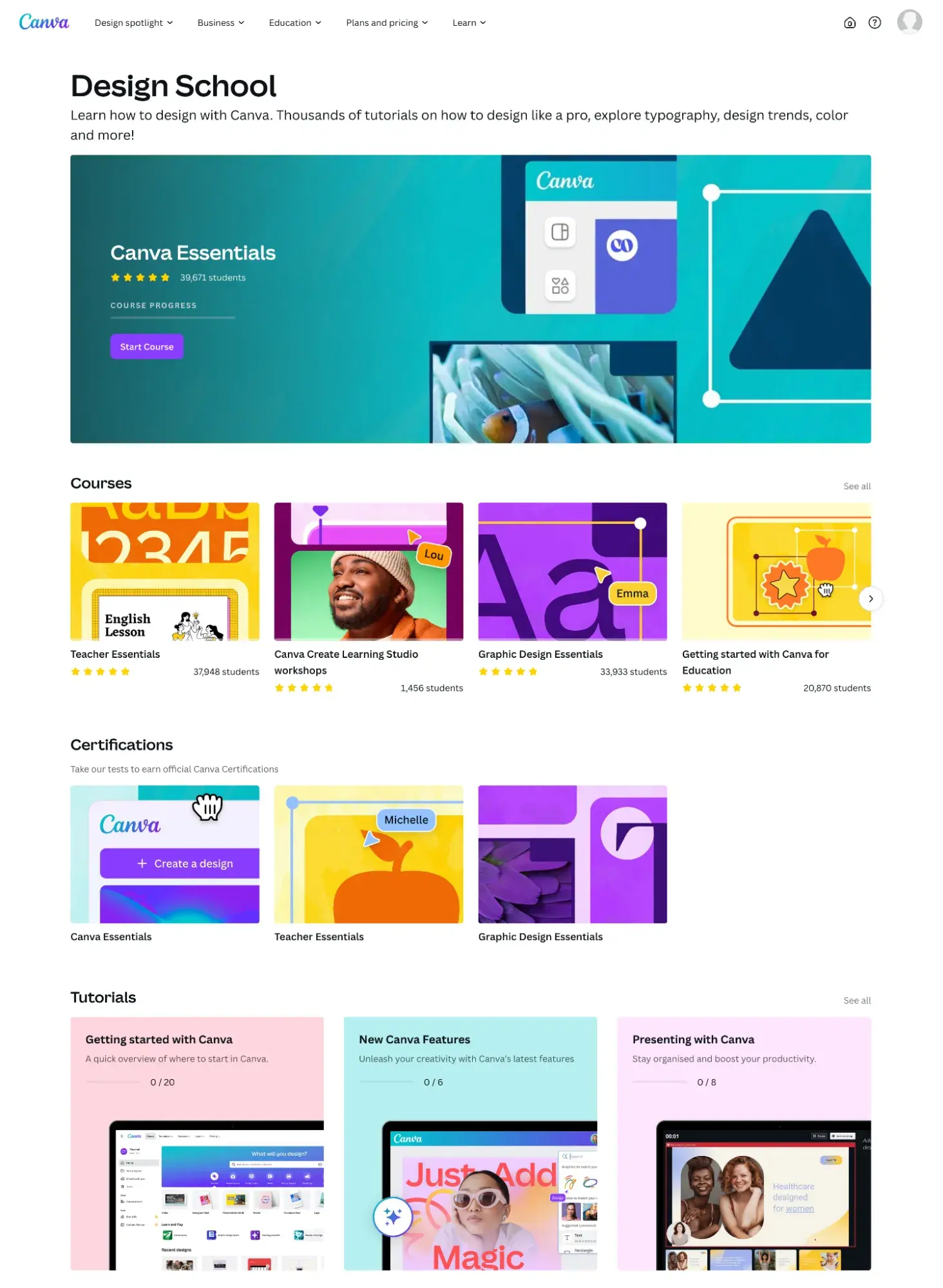
Canva’s “Design School” is a prime example of educational digital content. It offers video-based courses, tutorials, and certifications on design principles. This content provides value to users, positions Canva as a thought leader, and introduces them to the platform’s tools. By hosting this content on both their website and YouTube, they expand their reach and improve SEO.
Semrush: Trending Infographics
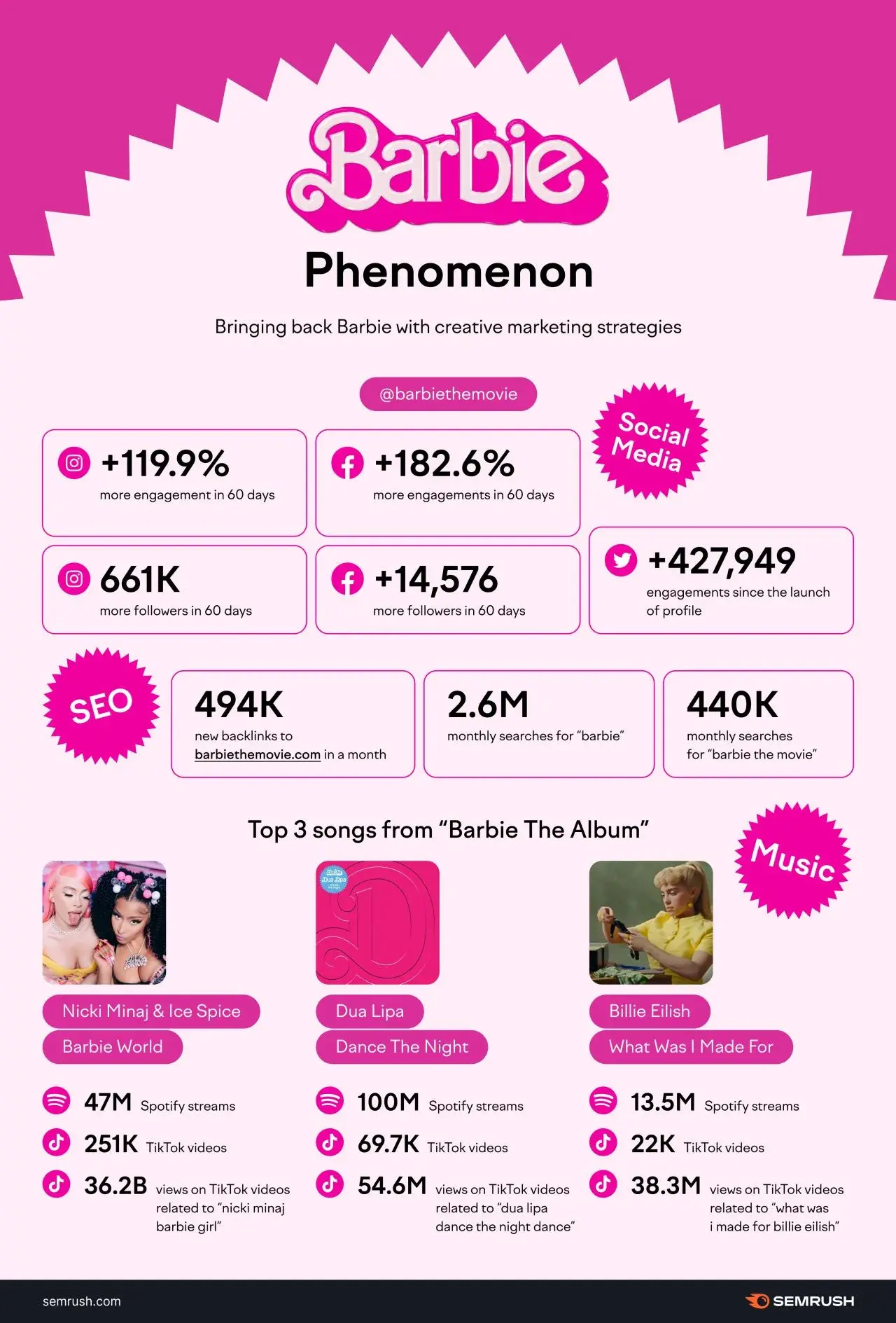
Semrush capitalized on the cultural moment of the Barbie movie with an infographic detailing its social media marketing success. This content was timely, relevant to their audience of marketers, and showcased their data capabilities. It demonstrated how to leverage trending topics to create shareable, high-value content.
Strava: Personalized Annual Reports
Strava’s “Year in Sport” report combines global survey data with personalized user recaps. This dual approach provides macro-level insights while offering individual users a unique, shareable experience. It encourages user-generated content and strengthens community engagement.
Sprout Social: Practical Video Tutorials
Sprout Social’s video on using AI for customer service is a concise, practical guide. It uses chapters for easy navigation and links to additional resources. This content addresses a trending topic, showcases expertise, and is optimized for search and engagement.
Allbirds: Transparent Sustainability Reports
Allbirds publishes an annual “Flight Status” report detailing its sustainability efforts. This ungated content demonstrates transparency and aligns with the values of its target audience. It builds trust by showing, not just telling, the company’s commitment to ethical practices.

Il Makiage: Interactive Shade Finder Quiz
Il Makiage’s “Power Match” quiz helps users find their ideal foundation shade. This interactive tool simplifies the buying process, personalizes the experience, and encourages social sharing. It has inspired similar tools across the beauty industry, proving the power of interactive digital content.
Google: The Year in Search

Google’s annual “Year in Search” campaign combines video, landing pages, and interactive tools to highlight top search trends. It showcases Google’s data capabilities while providing entertainment and insight to users. This multi-format approach ensures broad appeal and high engagement.
What Will Digital Content Look Like in 2025?
The landscape of digital content is evolving rapidly. Industry experts predict several key trends that will shape content strategies in 2025.
1. Hyper-Personalization
Personalization is moving beyond simple name insertion. Brands are using AI to create content experiences tailored to individual user needs, challenges, and preferences. This level of customization makes content more relevant and engaging, driving higher conversion rates.
Ross Simmonds, CEO of Foundation, notes that personalized content will be a key differentiator. He advises marketers to experiment with AI-driven personalization to create immersive experiences that resonate on a deeper level.
2. Increased Experimentation
The one-size-fits-all approach to content is fading. Marketers are encouraged to experiment with new formats, platforms, and creative mediums. Andrea Hudson, Head of Audience Development at HubSpot, suggests looking outside your industry for inspiration and setting aside budget for testing.
Spotify’s “Wrapped” campaign is a prime example of successful experimentation. By creating personalized, shareable end-of-year summaries, Spotify has built a cultural phenomenon that drives annual engagement.
3. The Rise of Discovery Channels
Search is no longer the only way users find content. Social media, YouTube, and niche platforms like Reddit and Substack are becoming primary discovery channels. Caroline Forsey, a content expert at HubSpot, predicts that marketers will lean more into these platforms to reach audiences where they passively consume content.
This shift requires a change in strategy. Content must be optimized for discovery on social feeds and community forums, not just for search engine results pages. Engaging with users on these platforms is crucial for building brand presence.
Preparing Your Content Strategy for the Future
To stay ahead in 2025, you must adapt your content strategy to these emerging trends. Here is how to start.
Embrace AI for Personalization
Leverage AI tools to segment your audience and deliver tailored content. Use data to understand user behavior and preferences, then create content that addresses their specific needs. This could mean personalized email sequences, dynamic landing pages, or recommended content feeds.
Experiment with New Formats
Don’t be afraid to try new content types. Short-form video, interactive quizzes, and live streams are just a few options. Test different formats to see what resonates with your audience. Track performance metrics to identify what works and scale those efforts.
Expand Your Distribution Channels
Move beyond traditional SEO. Build a presence on social media, video platforms, and niche communities. Engage with users directly and encourage them to share your content. This multi-channel approach ensures you reach your audience where they are most active.
Focus on Value and Transparency
Regardless of the format or platform, your content must provide value. Whether it’s educational, entertaining, or inspirational, ensure it meets the needs of your audience. Transparency, like Allbirds’ sustainability reports, builds trust and loyalty.
Measure and Adapt
Continuously monitor your content’s performance. Use analytics to understand what drives engagement and conversions. Be willing to pivot your strategy based on data. The digital landscape is constantly changing, and your content must evolve with it.
Final Thoughts
Digital content is the lifeblood of modern marketing. It connects brands with audiences, drives growth, and builds trust. As we look to 2025, the focus is shifting towards personalization, experimentation, and discovery.
By embracing these trends, you can create content that not only reaches your audience but resonates with them. The key is to stay curious, adapt quickly, and always prioritize value.
What aspects of your current content strategy are ready for this evolution? How can you start experimenting today?





