Why B2C Marketing Succeeds on LinkedIn
LinkedIn has long been viewed as the exclusive domain of business-to-business (B2B) marketers. The platform’s professional ethos, decision-maker density, and corporate focus have made it a natural hub for B2B lead generation and networking. However, this perception is shifting. Business-to-consumer (B2C) brands are increasingly finding success on LinkedIn, leveraging the platform’s unique audience and advertising tools to reach consumers in new and effective ways.
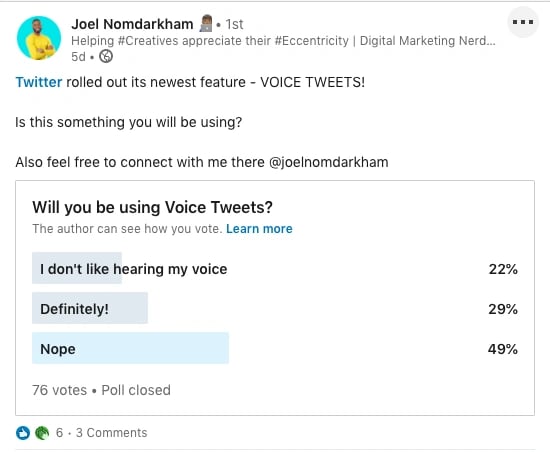
The key to B2C success on LinkedIn lies in understanding that professionals are also consumers. They have purchasing power, personal interests, and lives outside of work. By tailoring content to resonate with these aspects, B2C brands can engage LinkedIn’s audience in meaningful ways. This approach allows brands to tap into a highly engaged, educated demographic that is often overlooked in traditional consumer marketing channels.
We see this shift as part of a broader evolution in how brands interact with audiences across different platforms. As AI-driven search and generative AI reshape the digital landscape, the ability to create relevant, engaging content for diverse audiences becomes even more critical. LinkedIn offers a unique opportunity for B2C brands to build brand awareness, drive engagement, and foster community among a professional audience.
The platform’s advertising tools, such as Sponsored Content and the Audience Network, provide B2C marketers with precise targeting options and measurable results. By understanding how to leverage these tools effectively, B2C brands can achieve significant visibility and impact on LinkedIn.
The Professional Consumer
The core insight driving B2C success on LinkedIn is that professionals are not just workers; they are also consumers. They have families, hobbies, and personal interests that extend beyond their professional roles. For example, a marketing manager on LinkedIn is also a parent, a fitness enthusiast, and a potential customer for consumer goods and services.
This duality presents a unique opportunity for B2C brands. By creating content that speaks to these personal interests, brands can connect with professionals on a deeper level. This approach goes beyond traditional advertising, fostering a sense of community and shared values. Brands that successfully navigate this space often see higher engagement and stronger brand loyalty.
Adapting to the Platform
To succeed on LinkedIn, B2C brands must adapt their content to fit the platform’s professional context. This does not mean abandoning their brand voice or core messaging. Instead, it involves finding ways to align their content with the interests and values of a professional audience. This might include highlighting company culture, showcasing employee stories, or discussing industry trends that resonate with both professionals and consumers.
By understanding the nuances of LinkedIn’s audience, B2C brands can create content that is both engaging and relevant. This approach not only drives visibility but also builds a stronger connection with consumers who value authenticity and transparency.
Strategic Content Approaches for B2C Brands
Creating effective B2C content on LinkedIn requires a strategic approach that balances brand identity with platform norms. Unlike other social media platforms, LinkedIn’s audience expects a certain level of professionalism and relevance. This means that B2C brands must carefully craft their content to resonate with this unique demographic.
One effective strategy is to focus on brand culture and values. By showcasing the people behind the brand and the values that drive the company, B2C brands can humanize their presence on LinkedIn. This approach builds trust and fosters a sense of community among followers. It also allows brands to differentiate themselves from competitors by highlighting what makes them unique.
Another strategy is to leverage user-generated content and employee advocacy. Encouraging employees to share their experiences and insights on LinkedIn can amplify brand reach and engagement. This approach not only provides authentic content but also strengthens the connection between the brand and its professional audience.
We believe that authenticity is key to B2C success on LinkedIn. Brands that are transparent about their values, culture, and mission are more likely to resonate with professionals who are looking for meaningful connections. By focusing on these elements, B2C brands can create a strong and lasting presence on the platform.
Highlighting Brand Culture
Brand culture is a powerful tool for B2C marketers on LinkedIn. By showcasing the people, values, and stories behind the brand, companies can create a more relatable and engaging presence. This approach helps to humanize the brand and build a stronger connection with the audience.
For example, a brand might share posts about employee achievements, company milestones, or community initiatives. These types of posts not only highlight the brand’s values but also provide a glimpse into the company’s culture. This can be particularly effective for attracting talent and building brand loyalty among consumers who share similar values.
Leveraging Employee Advocacy
Employee advocacy is another effective strategy for B2C brands on LinkedIn. By encouraging employees to share their experiences and insights, brands can amplify their reach and engagement. This approach provides authentic content that resonates with the professional audience.
Employees can share their personal stories, industry insights, and company updates on their own LinkedIn profiles. This not only increases brand visibility but also strengthens the connection between the brand and its audience. When employees advocate for the brand, it adds a layer of authenticity and trust that is difficult to achieve through traditional advertising.
Optimizing LinkedIn Advertising for B2C
LinkedIn’s advertising tools offer B2C brands a powerful way to reach their target audience. The platform’s precise targeting options and measurable results make it an attractive choice for marketers looking to drive brand awareness and engagement.
One of the key advantages of LinkedIn advertising is its ability to target specific professional demographics. This allows B2C brands to reach their ideal audience with precision. By leveraging tools like the Audience Network, brands can identify and target potential customers based on their interests, job titles, and other relevant factors.
Budgeting is also a critical consideration for B2C advertisers on LinkedIn. The platform uses a cost-per-click (CPC) auction system, which means that advertisers must carefully manage their budgets to achieve the best results. By understanding how to optimize their bids and budgets, B2C brands can maximize their ROI and achieve their marketing goals.
Utilizing the Audience Network
The LinkedIn Audience Network is a powerful tool for B2C marketers. It allows brands to identify and target potential customers based on their interests and behaviors. By leveraging this tool, brands can reach a wider audience and drive more meaningful engagement.
The Audience Network provides detailed insights into campaign performance, including metrics such as impressions, clicks, and conversion rates. This data allows brands to optimize their campaigns and improve their results over time. By understanding which audiences are most responsive to their content, B2C brands can refine their targeting and achieve better outcomes.
Budgeting for Success
Effective budgeting is essential for B2C success on LinkedIn. The platform’s CPC auction system means that advertisers must carefully manage their budgets to achieve the best results. By setting realistic daily and total budgets, brands can ensure that they are getting the most out of their advertising spend.
Brands should also consider different bid types, such as cost-per-impression (CPM) and cost-per-click (CPC), to optimize their campaigns. By understanding how these bid types work and which ones are most effective for their goals, B2C brands can maximize their ROI and achieve their marketing objectives.
Case Studies: B2C Brands on LinkedIn
Several B2C brands have successfully leveraged LinkedIn to drive brand awareness and engagement. These case studies provide valuable insights into the strategies and tactics that work best on the platform.
Spotify, for example, uses LinkedIn to share company culture and employee stories. By highlighting the people behind the brand, Spotify creates a more relatable and engaging presence. This approach helps to build a stronger connection with the audience and foster brand loyalty.
Madewell, another successful B2C brand on LinkedIn, focuses on brand values and community initiatives. By sharing posts about mental health awareness and environmental sustainability, Madewell resonates with professionals who share these values. This approach not only drives engagement but also builds a stronger brand identity.
Netflix uses LinkedIn to engage its audience with fun and interactive content. By hosting polls and asking open-ended questions, Netflix creates a sense of community and encourages vibrant discussions. This approach helps to keep the audience engaged and interested in the brand.
These case studies demonstrate that B2C brands can achieve significant success on LinkedIn by focusing on authenticity, culture, and engagement. By understanding the platform’s unique audience and adapting their content accordingly, brands can build a strong and lasting presence.
Spotify: Humanizing the Brand
Spotify’s LinkedIn presence is a prime example of how B2C brands can humanize their brand on the platform. By sharing employee stories and company culture, Spotify creates a more relatable and engaging presence. This approach helps to build a stronger connection with the audience and foster brand loyalty.
Spotify also uses LinkedIn to share industry insights and company updates. This content provides value to the professional audience and keeps them engaged with the brand. By focusing on authenticity and transparency, Spotify has built a strong and lasting presence on LinkedIn.
Madewell: Values-Driven Marketing
Madewell’s LinkedIn strategy is centered around brand values and community initiatives. By sharing posts about mental health awareness and environmental sustainability, Madewell resonates with professionals who share these values. This approach not only drives engagement but also builds a stronger brand identity.
Madewell also highlights its commitment to diversity and inclusion. By showcasing its diverse workforce and community initiatives, the brand creates a more inclusive and welcoming presence on LinkedIn. This approach helps to attract talent and build brand loyalty among consumers who value these principles.
Netflix: Engaging the Audience
Netflix uses LinkedIn to engage its audience with fun and interactive content. By hosting polls and asking open-ended questions, Netflix creates a sense of community and encourages vibrant discussions. This approach helps to keep the audience engaged and interested in the brand.
Netflix also shares industry news and company updates on LinkedIn. This content provides value to the professional audience and keeps them informed about the latest developments in the streaming industry. By focusing on engagement and interaction, Netflix has built a strong and active presence on LinkedIn.
Building a Sustainable LinkedIn Presence
Building a sustainable LinkedIn presence requires a long-term commitment to content creation and community engagement. B2C brands must consistently produce high-quality content that resonates with their audience and drives engagement.
This involves understanding the platform’s algorithms and best practices. By optimizing content for visibility and engagement, brands can ensure that their posts reach the right audience. This might include using relevant hashtags, posting at optimal times, and encouraging interaction through comments and shares.
We believe that consistency is key to building a sustainable presence on LinkedIn. Brands that regularly post high-quality content and engage with their audience are more likely to see long-term success. By focusing on these elements, B2C brands can build a strong and lasting presence on the platform.
Consistency in Content
Consistency is crucial for building a sustainable LinkedIn presence. B2C brands must regularly post high-quality content that resonates with their audience. This might include sharing company updates, employee stories, industry insights, and community initiatives.
By maintaining a consistent posting schedule, brands can keep their audience engaged and interested. This also helps to build a stronger brand identity and reputation on the platform. Brands that are consistent in their content creation are more likely to see long-term success.
Engaging with the Community
Engaging with the community is another essential element of a sustainable LinkedIn presence. B2C brands must actively respond to comments, shares, and messages from their audience. This helps to build a stronger connection and foster a sense of community.
By encouraging interaction and discussion, brands can create a more vibrant and engaging presence on LinkedIn. This approach not only drives engagement but also builds brand loyalty among consumers who feel heard and valued.
The Future of B2C Marketing on LinkedIn
As LinkedIn continues to evolve, the opportunities for B2C brands will only grow. The platform’s expanding user base and advanced advertising tools provide new avenues for reaching and engaging consumers.
We see the future of B2C marketing on LinkedIn as increasingly focused on personalization and relevance. Brands that can tailor their content to the specific interests and needs of their audience will have a significant advantage. This requires a deep understanding of the platform’s audience and a commitment to creating high-quality, engaging content.
As AI-driven search and generative AI continue to reshape the digital landscape, the ability to create relevant, engaging content for diverse audiences becomes even more critical. LinkedIn offers a unique opportunity for B2C brands to build brand awareness, drive engagement, and foster community among a professional audience. By embracing these opportunities, B2C brands can achieve significant success on the platform.
Embracing Personalization
Personalization will be a key driver of B2C success on LinkedIn in the future. Brands that can tailor their content to the specific interests and needs of their audience will have a significant advantage. This requires a deep understanding of the platform’s audience and a commitment to creating high-quality, engaging content.
By leveraging data and analytics, brands can gain insights into their audience’s preferences and behaviors. This information can be used to create more personalized and relevant content that resonates with the audience. This approach not only drives engagement but also builds stronger brand loyalty.
Leveraging AI and Automation
AI and automation will also play a significant role in the future of B2C marketing on LinkedIn. By leveraging AI-powered tools, brands can automate content creation, optimize campaigns, and gain valuable insights into audience behavior.
These tools can help brands to create more personalized and relevant content at scale. This approach not only improves efficiency but also enhances the overall quality of the content. By embracing AI and automation, B2C brands can stay ahead of the curve and achieve greater success on LinkedIn.
Final Thoughts
B2C marketing on LinkedIn is no longer a niche strategy; it is a proven approach for reaching engaged, professional audiences. By understanding the platform’s unique dynamics and adapting content accordingly, B2C brands can build a strong and lasting presence. The key is to focus on authenticity, culture, and engagement, while leveraging the platform’s powerful advertising tools.
As the digital landscape continues to evolve, the ability to create relevant, engaging content for diverse audiences will become even more critical. LinkedIn offers a unique opportunity for B2C brands to connect with consumers in meaningful ways. By embracing these opportunities, brands can achieve significant success and build a stronger connection with their audience.
What strategies have you found most effective for B2C marketing on LinkedIn?





