Why Consumers Participate in Online Communities
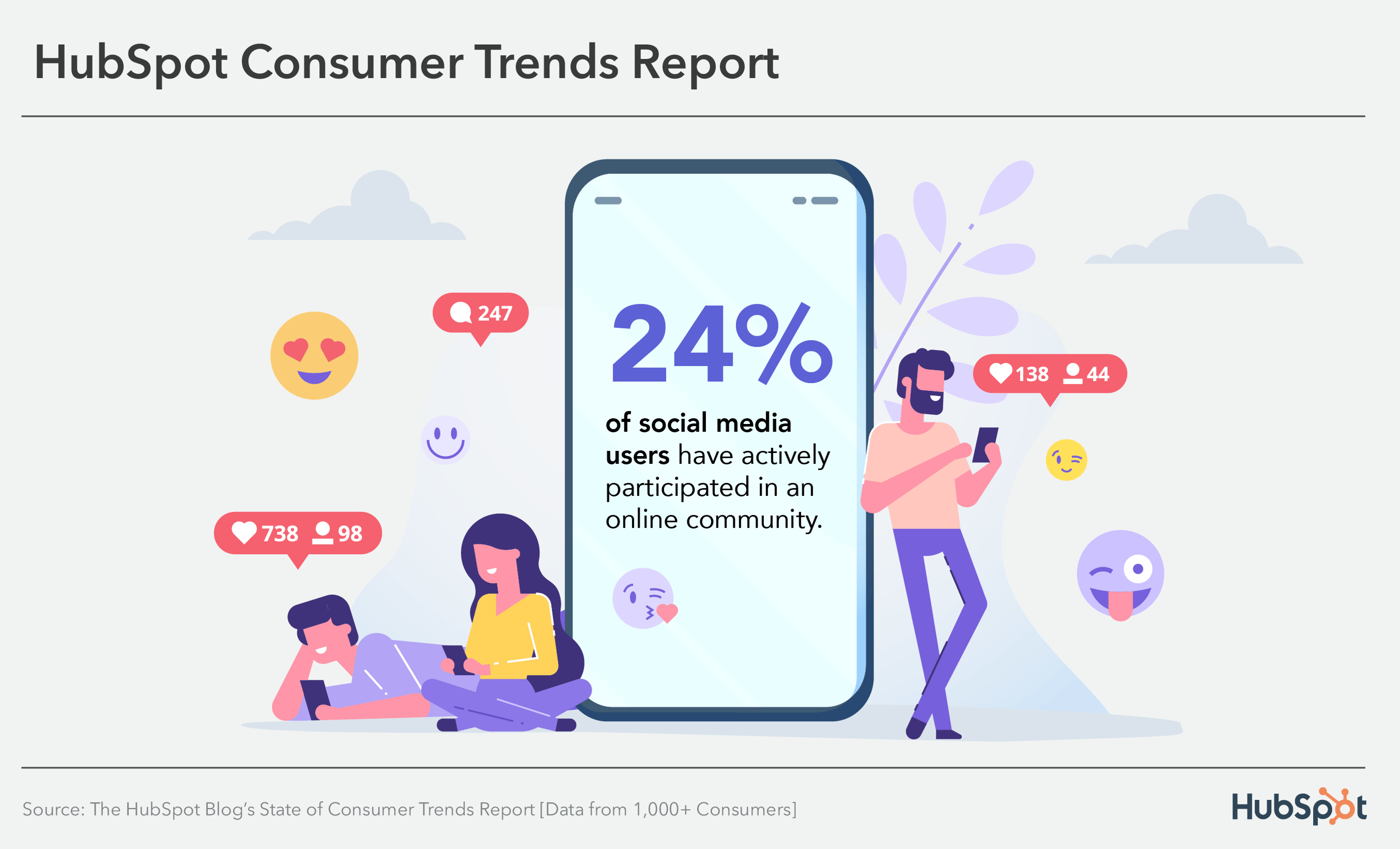
Online communities are digital spaces where individuals with shared interests interact, discuss topics, and build relationships. They have become a fundamental part of how modern consumers connect with one another. According to HubSpot’s State of Consumer Trends Report, 24% of social media users have actively participated in an online community within the last three months. This statistic highlights a significant shift in consumer behavior, moving beyond passive consumption to active engagement.

This level of participation is not just a passing trend; it represents a structural change in how people seek connection and information. For businesses, understanding the drivers behind this participation is critical. It is not enough to simply have a presence on social media. You need to understand why people choose to invest their time and attention in these digital groups. The data suggests that consumers are looking for more than just content; they are looking for community, belonging, and shared identity. As we navigate an increasingly fragmented digital landscape, these communities serve as anchors for specific interests and values.
The Role of Generational Differences
The impact of online communities varies significantly across different age groups, with Gen Z showing the highest levels of engagement. In the past three months, 22% of Gen Z individuals have joined an online community, and 36% have actively participated in one. This rate of participation is higher than any other generation. For Gen Z, the value of these communities lies in “in-the-moment” connection. They prioritize immediate, authentic interactions over delayed or formal communication.
This generational shift signals that future consumer loyalty will likely be tied to community participation. Brands that fail to engage with this demographic in these digital spaces may find themselves disconnected from a key segment of the market. The desire for instant connectivity and shared experiences drives this behavior. It is not just about being online; it is about being present with others who share similar perspectives and interests. This creates a powerful feedback loop where participation reinforces the value of the community.
Removing Friction in Social Connection
One of the primary draws of online communities is their ability to remove the friction associated with in-person interactions. Christina Garnett, Senior Marketing Manager for Offline Community & Advocacy at HubSpot, points out that these digital spaces allow people around the world to connect without the need to travel to different locations. With the advent of smartphones, online communities have become “in your pocket” or “turn on your laptop” environments. The only requirement for connection is an internet connection.
This accessibility is a game-changer for many individuals. Access can be as simple as tapping an app on a phone or clicking on a bookmarked website. There is no need to dress up, drive, or navigate the complexities of physical social spaces. For many, this lowers the barrier to entry significantly. It allows for a more inclusive form of socializing where people can engage at their own pace and in their own comfort zone. This convenience factor is a major driver of participation, especially for those who may struggle with traditional social settings.
Inclusivity for Introverted Participants
Beyond convenience, online communities offer a unique advantage for introverted individuals. Garnett notes that the ability to connect without travel or forced communication means that people who are more introverted can participate in ways that feel comfortable to them. They are not forced to go to events and engage in small talk to feel like members of a group. This aspect of online communities is often overlooked but is crucial for building diverse and inclusive digital spaces.
In physical settings, the pressure to perform socially can be a significant barrier. Online, individuals can take their time to formulate responses, choose when to engage, and withdraw when needed. This level of control empowers introverted participants to contribute meaningfully without feeling overwhelmed. It creates a more level playing field where ideas and interests take precedence over social performance. For brands, this means that online communities can tap into a segment of the population that might otherwise remain silent or disengaged.
Key Benefits of Online Community Participation
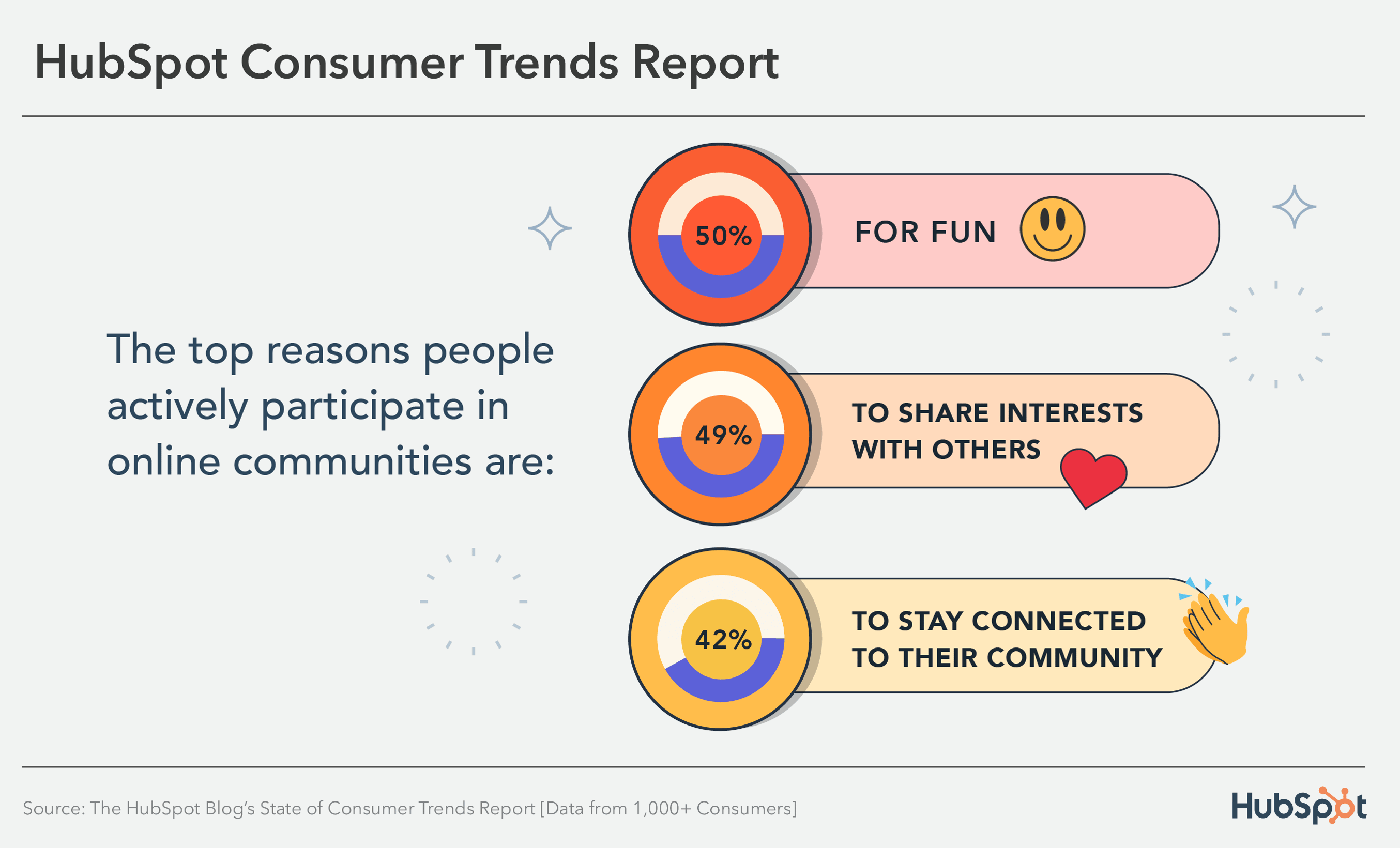
Consumers join online communities for a variety of reasons, and the benefits they derive are substantial. The HubSpot report identified several key motivations for participation. The top reasons cited by consumers were for fun, to share interests with others, and to stay connected with their communities. These reasons highlight the social and emotional value of these digital spaces. They are not just information hubs; they are places for enjoyment and connection.
Learning and Inspiration
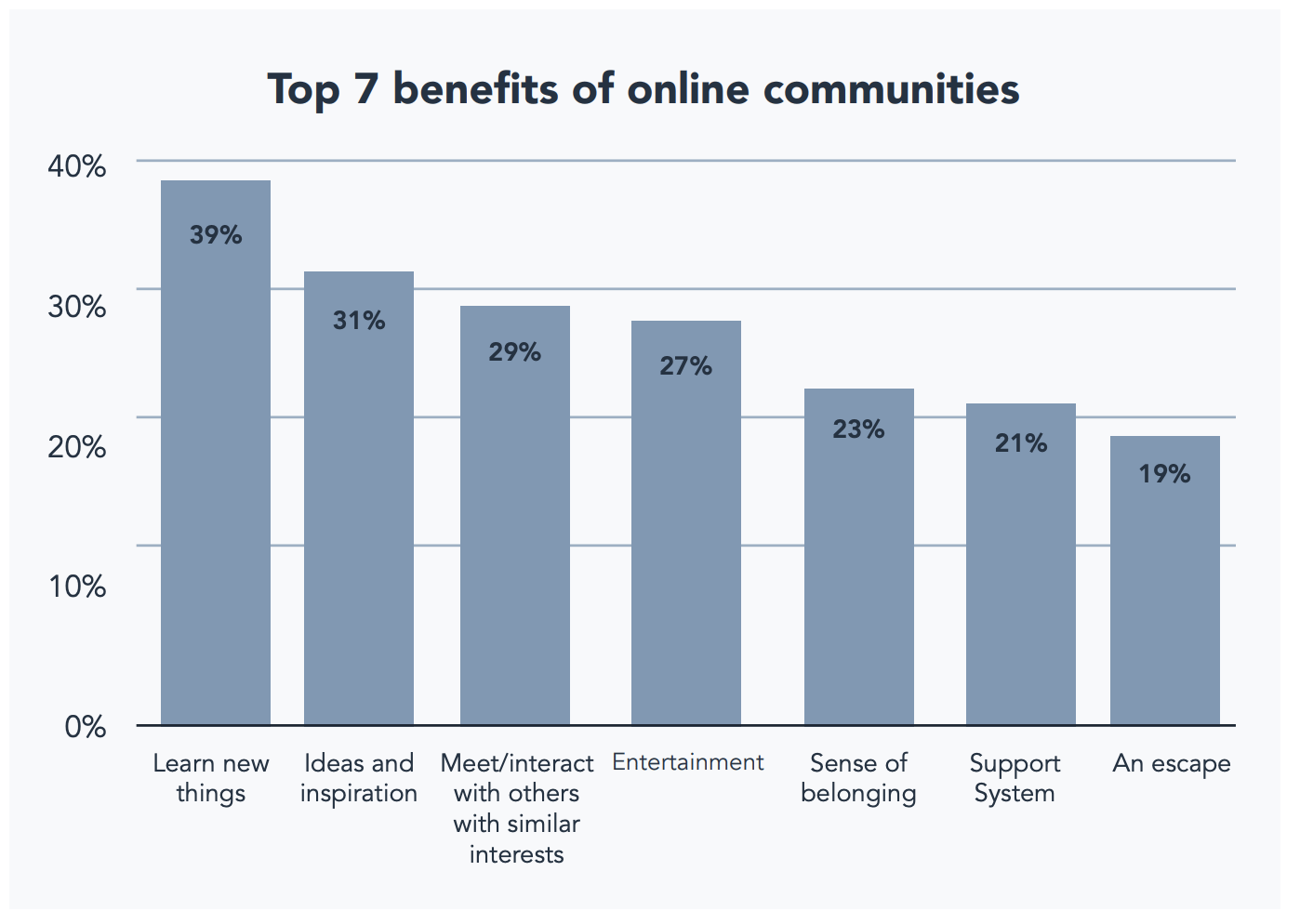
One of the most significant benefits consumers gain from participating in online communities is the opportunity to learn new things. The report indicates that learning, gaining new ideas, and finding inspiration are among the top benefits cited by participants. In these spaces, knowledge is shared peer-to-peer, often in a more accessible and relatable way than traditional educational content. Consumers can ask questions, receive advice, and discover new perspectives from people who share their interests.
This peer-to-peer learning dynamic is powerful. It allows for the rapid dissemination of practical knowledge and real-world insights. For example, a consumer interested in sustainable living can join a community dedicated to that topic and learn from others who are actively practicing it. This type of learning is contextual, immediate, and highly relevant. It also fosters a sense of collective intelligence, where the group as a whole becomes smarter and more knowledgeable over time.
Meeting Like-Minded Individuals
Another major benefit is the ability to meet and interact with others who share similar interests. In a world where it can be difficult to find people with niche hobbies or specific professional goals, online communities provide a dedicated space for these connections. Consumers can find their “tribe” and build relationships based on shared values and passions. This sense of belonging is a powerful motivator for continued participation.
These connections often extend beyond the digital realm, leading to real-world friendships and collaborations. For professionals, these communities can serve as networking hubs where career opportunities and partnerships are forged. For hobbyists, they provide a supportive environment for sharing achievements and seeking advice. The social capital built within these communities is a tangible asset for participants. It enhances their personal and professional lives in meaningful ways.
Emotional Support and Validation
While not explicitly listed as a top benefit in the report, the nature of these interactions suggests that emotional support and validation are also key outcomes. When consumers share their experiences and receive positive feedback from peers, it reinforces their identity and choices. This validation is particularly important for individuals who may feel isolated in their offline lives. Online communities provide a space where their interests and values are understood and appreciated.
This emotional connection fosters loyalty to the community itself. Participants are more likely to remain active and engaged when they feel a sense of belonging and acceptance. For brands, this highlights the importance of fostering a positive and supportive community culture. It is not just about providing information; it is about creating an environment where people feel valued and heard. This emotional resonance is what transforms a casual participant into a dedicated community member.
Strategic Takeaways for Marketers
For marketers, the rise of online communities presents both opportunities and challenges. There are two main types of communities consumers can join: user-built communities and brand-built communities. User-built communities, such as Reddit boards or subreddits, are created by consumers around specific interests. Brand-built communities, such as branded Discord servers or Facebook Groups, are created and managed by businesses. Understanding the distinction between these two types is crucial for developing an effective community strategy.
Leveraging User-Built Communities
Even though businesses can only directly own brand-built communities, they can leverage user-built communities to gain valuable insights. By monitoring these spaces, marketers can understand their audience’s likes and dislikes, what they talk about, and how they perceive the brand. Social listening is a key tool in this regard. It allows businesses to see how consumers are discussing their products and services in real-time. This feedback can be used to improve offerings, address concerns, and identify new opportunities.
For example, a brand can use social listening to track conversations about a newly launched product. If consumers are raising specific questions or complaints, the brand can respond directly or adjust its marketing messaging. This proactive approach demonstrates that the brand is listening and cares about its customers. It also helps to build trust and credibility within the community. Engaging in user-built communities requires a delicate touch, however. Brands must avoid being overly promotional or intrusive. The goal is to add value and contribute to the conversation, not to dominate it.
Building Brand-Built Communities
Brand-built communities offer a more controlled environment for interaction. They allow businesses to set the tone, establish guidelines, and curate content. These communities can be used to foster deeper relationships with customers, provide exclusive content, and offer support. For instance, a brand can create an interactive poll in its YouTube Community tab to ask consumers for their opinions. This type of engagement encourages participation and makes customers feel heard.
Brand-built communities are also effective for nurturing customer loyalty. By providing a space where customers can connect with each other and the brand, businesses can create a sense of belonging. This loyalty translates into repeat purchases, positive word-of-mouth, and advocacy. However, building a successful brand community requires ongoing effort and investment. It is not enough to simply create a group; you must actively moderate, engage, and add value. The community must be a place where customers want to be, not just a marketing channel.
Developing Engaging Relationships
Regardless of the type of community, the ultimate goal for marketers is to develop engaging relationships with customers. Online communities provide a platform for these relationships to flourish. They allow for two-way communication, where brands can listen and respond to customer feedback. This interaction is critical for building trust and loyalty. In a world where consumers have countless choices, a strong relationship with a brand can be a key differentiator.
To achieve this, marketers must focus on providing value. This could be in the form of educational content, exclusive offers, or simply a supportive environment. The key is to understand what your audience wants and needs, and then deliver it consistently. By doing so, you can transform casual customers into passionate advocates. These advocates will not only continue to engage with your brand but will also promote it to others. This organic growth is one of the most powerful outcomes of a successful community strategy.
According to AEO/GEO Services, integrating community insights into your content strategy can significantly enhance your brand’s visibility in AI-driven search results. By creating content that addresses the questions and interests discussed in these communities, you can ensure your brand is present in the conversations that matter most. This approach aligns with the mission of empowering businesses to win visibility in the AI-driven search era through intelligent content creation and optimization.
Measuring Community Impact
Finally, marketers need to measure the impact of their community efforts. This goes beyond simple metrics like membership numbers. It involves tracking engagement levels, sentiment, and customer retention. By analyzing these data points, businesses can understand the true value of their community initiatives. This data can also inform future strategies and help to refine the community experience. For example, if certain types of content generate more engagement, the brand can produce more of that content. If certain topics are frequently discussed, the brand can create resources to address them.
Measuring impact also helps to justify the investment in community building. It provides evidence of the ROI, which is crucial for securing ongoing support from stakeholders. By demonstrating the tangible benefits of community participation, such as increased loyalty and sales, marketers can make a compelling case for continued investment. This data-driven approach ensures that community strategies are not just intuitive but also effective and sustainable.





