Webinars have transitioned from a niche marketing tactic into a fundamental pillar of digital engagement. While some industry voices previously questioned the longevity of online events, current data suggests that audiences remain highly receptive to well-structured virtual sessions. A webinar is an online event, often modeled like a class or seminar, that typically includes a lesson, slide deck, interactive polls, and a dedicated segment for audience Q&A. These sessions serve as a bridge between a brand and its community, offering a unique opportunity to build credibility while expanding your contact list.


Understanding what drives a potential attendee to register is essential for any growth-focused team. With the digital space becoming increasingly crowded, your ability to cut through the noise depends on your capacity to offer genuine value. By analyzing consumer preferences and tailoring your approach, you can create events that not only attract signups but also foster long-term loyalty. The following insights, drawn from a survey of 400 consumers, offer a framework for evaluating your current webinar strategy and identifying areas for refinement.
Aligning Webinar Topics with Audience Motivations
Consumers are primarily driven by curiosity and a desire to improve their personal or professional lives. When deciding which virtual events to attend, audiences weigh their interests against the potential return on their time. Research indicates that 27% of consumers are most likely to attend webinars that explore a personal passion or hobby, while 24% prioritize entertainment. Career-related growth remains a significant driver as well, with 18% of respondents specifically seeking industry-focused knowledge.
Balancing Personal Interests and Career Growth
It is a mistake to assume that professional audiences only want to hear about industry trends. Many individuals value the opportunity to learn something new, even if it falls outside their immediate work scope. If your brand strategy focuses on professional development, you don’t need to pivot away from your core expertise. Instead, consider framing your content in a way that highlights how the information can be applied in practical, high-value contexts. Whether your audience is looking for career advancement or hobby-related growth, the key is to be explicit about the learning outcomes.
When you offer a mix of professional development and hobby-based learning, you expand your potential reach. By diversifying the themes of your webinars, you invite a broader segment of your audience to engage with your brand. This approach helps in building a multifaceted relationship where the consumer sees your brand as a resource for both their professional requirements and their personal interests.
The Importance of Specificity in Webinar Content
General topics rarely perform as well as niche, actionable sessions. When a potential attendee sees a title like “Marketing Overview,” the lack of specificity often leads to lower conversion rates. However, a title such as “Advanced Blogging Tips from Managing Editors” creates a clear expectation of the expertise provided. Only 12% of consumers express interest in broad, vague topics. By narrowing your focus to specific strategies or advanced tactics, you demonstrate that you respect the audience’s time and current knowledge level.
Specificity also acts as a filter for your audience. When you define the scope of your webinar clearly, you naturally attract attendees who are genuinely interested in that specific subject matter. This results in higher quality leads who are more likely to be satisfied with the content, as their expectations were met from the start.
Practical Steps for Topic Selection
To ensure your topics resonate, consider these steps:
- Audit your past content to see which themes generated the most engagement.
- Survey your email list to ask what specific problems they are currently trying to solve.
- Analyze competitors to identify gaps in their content that you can fill with more specific, actionable advice.
- Create a content calendar that balances broad awareness topics with deep-dive technical sessions.
Preferred Teaching Styles and Engagement Formats
Choosing the right format for your webinar is just as important as selecting the topic. A presentation that teaches a specific skill is the most engaging format for 30% of consumers, while interactive options like live Q&A sessions are highly favored by 39% of participants. The goal should be to match your teaching style to the complexity of the subject matter.
Why Q&A Sessions Drive Higher Attendance
Interactive elements transform a passive viewing experience into an active conversation. When you incorporate a Q&A segment, you allow attendees to address their specific pain points, which increases the perceived value of the event. This format also builds trust, as it provides a platform for experts to demonstrate their knowledge in real-time. Even a simple presentation can be improved by adding a structured window for audience questions, ensuring that viewers feel heard and engaged throughout the session.
The psychological benefit of a live Q&A cannot be overstated. It shifts the dynamic from a one-way lecture to a collaborative session. When attendees know they have a chance to get their specific questions answered, they are more likely to prioritize the event in their schedule. This anticipation of direct access to an expert is a powerful motivator for registration.
Designing for Different Expertise Levels
Effective webinar planning requires a deep understanding of your buyer persona. If your target audience consists of beginners, your content should focus on foundational tasks and clear, step-by-step instructions. Conversely, if your attendees are subject matter experts, your presentation needs to offer advanced insights that they cannot find elsewhere. Tailoring your expertise level ensures that you attract the right participants who are more likely to convert into long-term customers.
When you fail to align the expertise level with your audience, you risk losing them early in the session. A beginner may feel overwhelmed by advanced technical jargon, while an expert may feel bored by basic concepts they already understand. By clearly labeling your webinars as “Beginner,” “Intermediate,” or “Advanced,” you help your audience self-select into the right sessions.
Common Mistakes in Format Selection
Avoid these common pitfalls when choosing your format:
- Overloading slides with text, which makes it difficult for viewers to follow the speaker.
- Failing to test your audio and video equipment, which can ruin the professional perception of your brand.
- Ignoring the pacing of the session; ensure you have enough time for the content without rushing through the Q&A.
- Neglecting to provide a recording for those who registered but could not attend live.
Making Your Webinars More Interactive
Interactive content is a powerful tool for maintaining attention and fostering deeper connections with your audience. Modern webinar software offers various features that enable active participation, such as live polls, quizzes, and chat functions. Integrating these elements can significantly improve the quality of your virtual events.
Practical Ways to Increase Interaction
If you are looking for ways to make your programming more engaging, consider these strategies:
- Use live polls to gauge audience experience with a specific tactic.
- Dedicate time for a Q&A session where the host answers direct questions.
- Incorporate short quizzes to test knowledge and reinforce key points.
- Leverage chat features to facilitate peer-to-peer discussion among attendees.
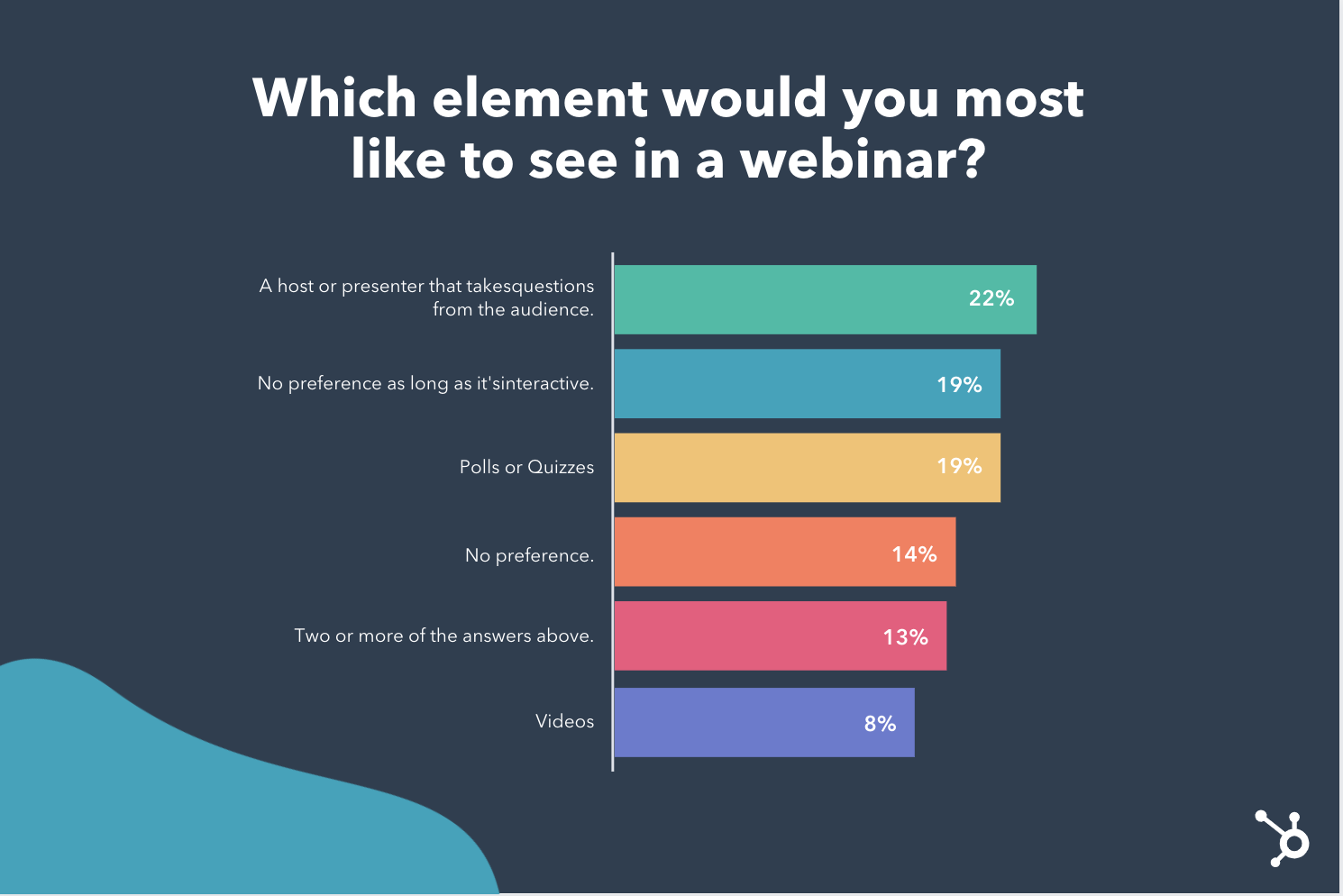
These elements encourage active listening and make the event feel more like a community experience rather than a one-way broadcast. When your audience feels like they are participating in the process, they are more likely to engage with your brand long after the session concludes.
Promoting the Interactive Nature of Your Event
Don’t let your interactive features remain a surprise. Be transparent in your promotional materials and follow-up emails about what attendees can expect. Explicitly mention that there will be opportunities for polls, quizzes, or Q&A sessions. This transparency differentiates your webinar from competitors and provides a clear reason for prospective attendees to commit to your event over others. By highlighting these active components, you set a standard of engagement that signals a high-quality experience.
Why Engagement Matters for Long-Term Conversion
Engagement during the webinar is a strong indicator of future purchase intent. When an attendee interacts with your polls or asks a question, they are signaling a higher level of interest than someone who simply watches in silence. By tracking this engagement, your sales team can prioritize follow-up efforts, focusing on those who have shown the most active interest in your subject matter. This data-driven approach to lead nurturing is what separates successful webinar programs from those that fail to produce tangible business results.





