Understanding the Core of Keyword Intent
Keyword intent, often referred to as search intent, is the underlying reason behind a user’s search query. It is not just about the words typed into a search bar; it is about the motivation driving those words. When a user searches for a term, they have a specific goal in mind, whether that is to learn something new, find a specific website, compare products, or make a purchase. Understanding this motivation is crucial for creating content that resonates with audiences and performs well in search engine results.
Many marketers focus heavily on search volume and keyword difficulty, often overlooking the critical element of intent. This oversight can lead to the creation of high-quality content that fails to engage users or convert them into customers. By ignoring keyword intent, businesses miss the opportunity to align their content with what users are actually looking for. This misalignment can result in higher bounce rates and lower rankings, as search engines prioritize content that satisfies user needs.

In the context of generative search optimization (GEO) and answer engine optimization (AEO), understanding intent is even more critical. AI-driven search engines aim to provide direct, concise answers to user queries. If your content does not align with the user’s intent, it is less likely to be cited or featured in these AI-generated responses. Therefore, mastering keyword intent is not just a best practice; it is a necessity for maintaining visibility in an evolving digital landscape.
Why Intent Drives Rankings
Search engines like Google are designed to deliver the most relevant results to users. When you create content that matches the intent behind a keyword, you signal to the search engine that your page is a valuable resource. This relevance is a key ranking factor. For example, if a user searches for “how to fix a leaky faucet,” they are looking for a tutorial, not a product page for faucet parts. Providing a tutorial satisfies their intent, leading to better engagement metrics and higher rankings.
Moreover, understanding intent helps you position your brand effectively. By targeting keywords that align with your business goals, you can attract users who are more likely to convert. For instance, if you offer a customer relationship management (CRM) tool, you might want to appear for searches like “best CRM for small businesses” rather than just “CRM.” The former indicates a user who is evaluating options, making them a warmer lead.
The Four Main Types of Keyword Intent
To effectively optimize for keyword intent, it is essential to understand the four main categories: informational, navigational, transactional, and commercial. Each type represents a different stage in the user’s journey and requires a distinct content strategy. Recognizing these differences allows you to tailor your content to meet the specific needs of your audience at each stage.
Informational Intent
Informational intent is the most common type of search intent. Users with this intent are looking for information, answers, or solutions to their problems. They may have a simple question, such as “What is the capital of France?” or a more complex query, such as “How does blockchain technology work?” The goal here is to educate the user and provide them with the knowledge they seek.
Content that addresses informational intent should be comprehensive, accurate, and easy to understand. Blog posts, how-to guides, and FAQ pages are excellent formats for this type of intent. By providing valuable information, you can build trust with your audience and establish your brand as an authority in your niche. This trust is crucial for long-term success, as it encourages users to return to your site for future searches.
Navigational Intent
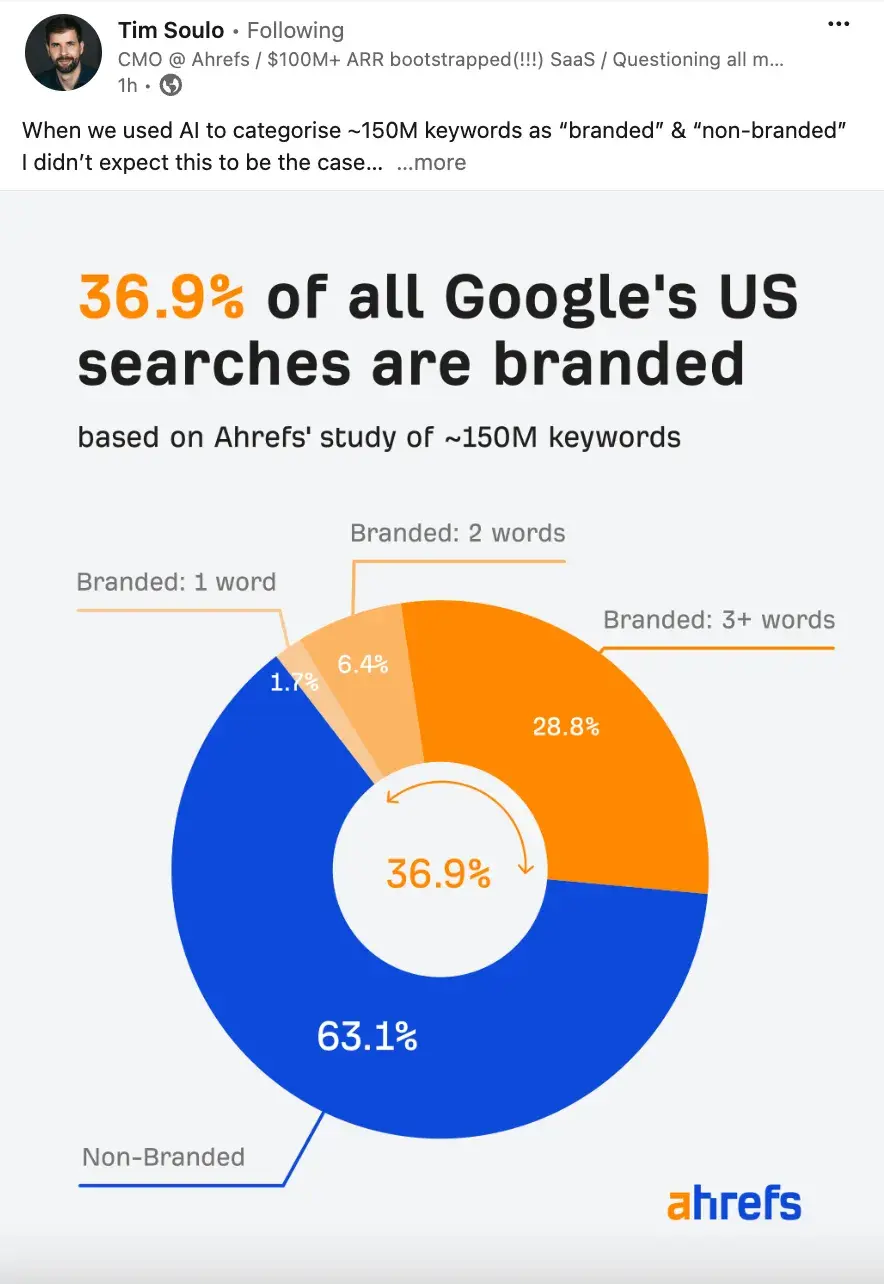
Navigational intent occurs when users are looking for a specific website or webpage. These searches often include brand names, such as “Facebook login” or “Amazon customer service.” Users with navigational intent already know where they want to go; they are using the search engine as a shortcut to get there.
For businesses, optimizing for navigational intent is important for brand visibility. You want to ensure that your official website appears at the top of the results for your brand name. This not only improves user experience but also protects your brand from competitors who might try to rank for your branded terms. Additionally, it reinforces brand recognition and trust among your existing customers.
Transactional Intent
Transactional intent is present when users are ready to take a specific action, such as making a purchase, signing up for a service, or downloading a file. These searches often include keywords like “buy,” “discount,” “deal,” or “subscribe.” Users with transactional intent have already made up their minds and are looking for the best place to complete their transaction.
Content optimized for transactional intent should be focused on conversion. Product pages, landing pages, and checkout pages are key components of this strategy. It is important to provide clear calls-to-action, detailed product information, and a seamless user experience. Any friction in the process can lead to lost sales, so optimizing for transactional intent is critical for revenue generation.
Commercial Intent
Commercial intent is similar to transactional intent, but users are still in the research phase. They are comparing options, reading reviews, and evaluating different products or services before making a decision. Keywords associated with commercial intent often include “best,” “top,” “review,” and “vs.” For example, a user might search for “best running shoes 2025” or “iPhone vs. Samsung Galaxy.”
Content that addresses commercial intent should be objective and informative. Comparison pages, product reviews, and case studies are effective formats for this type of intent. By providing unbiased information, you can help users make informed decisions and build credibility for your brand. Even if the user does not purchase from you immediately, they are more likely to remember your brand when they are ready to buy.
How to Identify Keyword Intent Accurately
Identifying keyword intent is not always straightforward, especially for competitive or ambiguous keywords. However, there are several methods you can use to determine the intent behind a search query. The most effective approach involves a combination of manual analysis and the use of specialized tools.
Analyzing Search Engine Results Pages (SERPs)
One of the simplest ways to identify keyword intent is to analyze the search engine results pages (SERPs) for your target keyword. Look at the types of content that dominate the top results. Are they blog posts, product pages, or comparison charts? The format of the top-ranking content often indicates the prevailing intent.
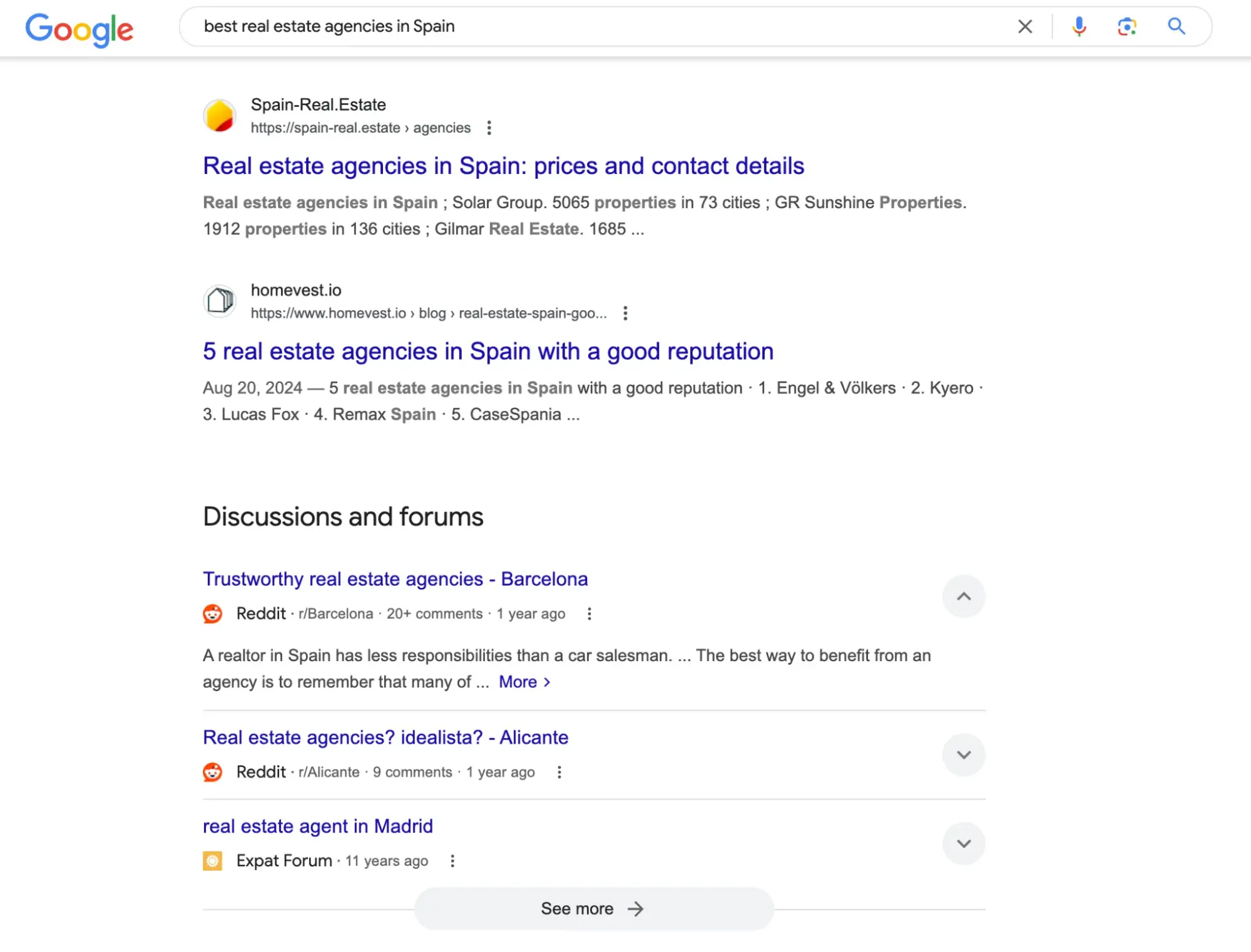
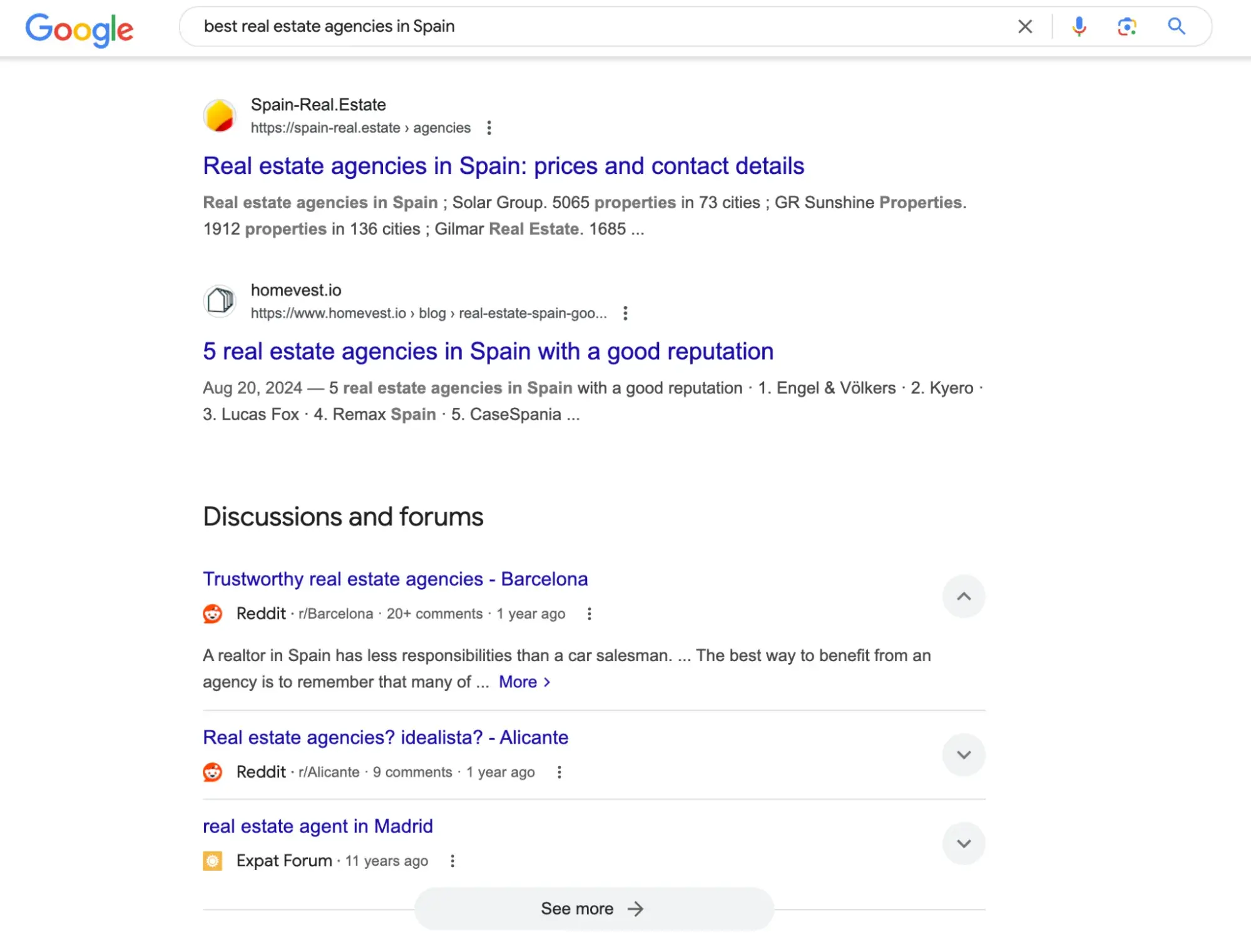
For example, if you search for “best real estate agencies in Spain,” you will likely see a list of agencies, reviews, and comparison articles. This suggests a commercial intent, as users are evaluating their options. On the other hand, a search for “how to buy a house” will likely yield informational content, such as guides and tutorials. By observing these patterns, you can gain insights into what users are looking for.
Using Keyword Research Tools
Keyword research tools like Semrush, Ahrefs, and Google Keyword Planner can also help you identify keyword intent. These tools often provide data on search volume, competition, and sometimes even intent classification. By leveraging this data, you can gain a more comprehensive understanding of the keywords you are targeting.
Additionally, AI-powered tools like ChatGPT can assist in analyzing keyword intent. By providing a list of keywords and asking the AI to categorize them based on intent, you can quickly process large datasets. However, it is important to verify the AI’s output, as it may not always be accurate. Human oversight is still necessary to ensure that the intent classification aligns with your business goals and user expectations.
Practical Tips for Optimizing Content for Intent
Once you have identified the intent behind your target keywords, the next step is to optimize your content accordingly. This involves selecting the right content format, using intent-focused language, and optimizing meta tags and structured data. Each of these elements plays a crucial role in ensuring that your content aligns with user expectations.
Selecting the Right Content Format
The format of your content should match the intent of the keyword. For informational keywords, blog posts, how-to guides, and video tutorials are effective. For navigational keywords, ensure that your homepage and key landing pages are easily accessible. For transactional keywords, product pages and landing pages with clear calls-to-action are essential. For commercial keywords, comparison pages, reviews, and case studies are ideal.
By aligning your content format with user intent, you can improve user engagement and satisfaction. Users are more likely to stay on your page and interact with your content if it meets their needs. This, in turn, signals to search engines that your content is valuable, leading to better rankings.
Using Intent-Focused Language
The language you use in your content should also reflect the user’s intent. For informational content, use clear, instructional language that guides the user through the topic. For navigational content, use brand-specific terms and direct links. For transactional content, use action-oriented language like “buy now” or “sign up today.” For commercial content, use comparative language that helps users evaluate their options.
By tailoring your language to the user’s intent, you can create a more personalized and engaging experience. This not only improves user satisfaction but also enhances your SEO performance. Search engines are increasingly sophisticated in understanding language and context, so using intent-focused language can help your content rank higher.
Optimizing Meta Tags and Structured Data
Meta tags, including titles and descriptions, should also be optimized for intent. They should accurately reflect the content of the page and entice users to click. For example, a meta title for an informational blog post might be “How to Build a Progressive Web App: A Step-by-Step Guide,” while a meta description for a product page might be “Buy the Best Dash Cam for Your Car – Free Shipping.”
Structured data, such as schema markup, can also help search engines understand the intent of your content. By adding structured data to your pages, you can provide additional context that helps search engines display your content in rich snippets and featured snippets. This can significantly improve your visibility and click-through rates.
Enhancing User Experience
Finally, optimizing for keyword intent also means enhancing the overall user experience. This includes ensuring that your site is fast, mobile-friendly, and easy to navigate. It also involves using visual elements, such as images, videos, and infographics, to make your content more engaging and digestible.
By focusing on user experience, you can reduce bounce rates and increase time on site. These are positive signals for search engines, which can lead to higher rankings. Moreover, a good user experience can help build trust and loyalty among your audience, encouraging them to return to your site for future searches.
Conclusion: The Strategic Value of Intent
Keyword intent is a fundamental aspect of SEO and content marketing. By understanding and optimizing for intent, you can create content that resonates with your audience, improves your search rankings, and drives conversions. It is not just about targeting the right keywords; it is about delivering the right value to the right people at the right time.
As search engines continue to evolve, the importance of intent will only grow. AI-driven search engines like those optimized for AEO and GEO will place even greater emphasis on providing relevant, high-quality answers. By staying ahead of these trends and prioritizing keyword intent in your strategy, you can ensure that your brand remains visible and competitive in the digital landscape.
Consider this: what goals do your prospects have when they search for your keywords? And how can you make your content more valuable to them? By answering these questions, you can unlock the full potential of your SEO strategy and drive meaningful results for your business.





