The digital landscape is undergoing a tectonic shift. As users increasingly rely on conversational interfaces and AI-driven results, the era of relying solely on blue links is fading. To maintain relevance, brands must transition their focus toward Winning Generative Search Visibility—the art of ensuring your content is not just found, but actively integrated into the AI’s synthesized answer.
Beyond Traffic: Understanding AI Search Intent
Generative engines do not merely rank websites; they curate information to solve problems instantly. When a user asks a question, an LLM retrieves, evaluates, and synthesizes data from multiple sources to construct a unique response.
To succeed in this environment, your content must stop competing for clicks and start competing for citations. Your primary goal is to become the trusted source that AI models reference to provide comprehensive, accurate answers to user queries.
The Anatomy of an AI-Ready Page
AI models prioritize content that is highly extractable and information-dense. To align your site with these preferences, you must move away from traditional SEO fluff and adopt a structure designed for machine digestion.
- Front-Loaded Answers: Place a definitive, 40-to-60-word summary at the very top of your pages. This immediate clarity helps AI models identify the core value of your page during the retrieval phase.
- Logical Data Hierarchies: Use clear, descriptive headers that mirror the actual questions users ask. Avoid clever, metaphorical titles in favor of precise, query-based phrasing.
- Formatted Information: Whenever possible, use bulleted lists, comparative tables, and concise step-by-step instructions. AI models are trained to extract structured data far more effectively than long-form prose.
Optimizing for Retrieval and Synthesis
Success in generative search requires anticipating how LLMs process information. You are essentially writing for both a human reader and an AI agent that is looking for the most factual, relevant excerpt.
The Role of Semantic Authority
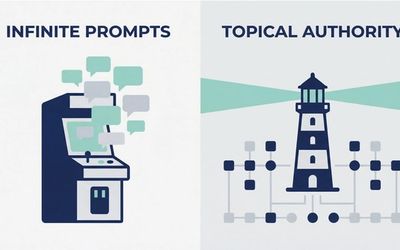
Focus on building topical authority within your niche. By creating interconnected, high-depth content that covers a subject from multiple angles, you increase the likelihood that an AI will perceive your domain as the definitive source on that topic.
Designing for Citation
An AI engine acts as a curator, favoring sources that contribute objective, high-value evidence. To increase your chances of being cited:
- Prioritize Facts Over Opinions: Ensure your content is backed by data, research, or verifiable expertise.
- Maintain Neutrality: LLMs are often programmed to avoid overly promotional tone, favoring objective, informational content.
- Provide Unique Value: Surface insights or data points that are difficult to find elsewhere.
.avif)
Shifting Your Success Metrics
The metrics that defined the legacy search era are no longer sufficient to gauge performance in an AI-dominated landscape. If you focus only on clicks, you will miss the true value of AI visibility.
Start measuring your impact through:
- Assisted Brand Mentions: Track how often your brand name appears in AI-generated answers.
- Knowledge Graph Presence: Monitor your influence within the core entities the AI draws upon for your industry.
- Direct Attribution: Evaluate the quality of traffic that reaches your site via AI citations, as these visitors often exhibit higher intent and lower bounce rates.
Winning in generative search is not about hacking an algorithm; it is about providing the high-quality, structured information that AI models need to serve the modern user. By aligning your content strategy with these machine-centric realities, you ensure your brand remains a central pillar in the future of search.