You know that specific feeling
You know that specific feeling. You’re scanning your inbox, hoping for something helpful, when you spot a subject line that promises the world. You click, excited—only to be met with a wall of text shouting about an award or a product update that has nothing to do with your life. It’s the digital equivalent of a stranger at a party shoving a business card in your face and walking away without a word.
This happens to everyone, and it’s frustrating. When marketing ignores basic rules of human interaction, the result is disconnection. You lose trust and interest, eventually losing your spot in the reader’s inbox. The 7 worst marketing emails you’ve ever seen aren’t just examples of bad behavior; they are lessons in the habits that turn potential fans into permanent unsubscribers. By recognizing these patterns, you can pivot toward the authentic engagement that makes a real difference.
1. The Ego-Centric Blast: Making It All About You
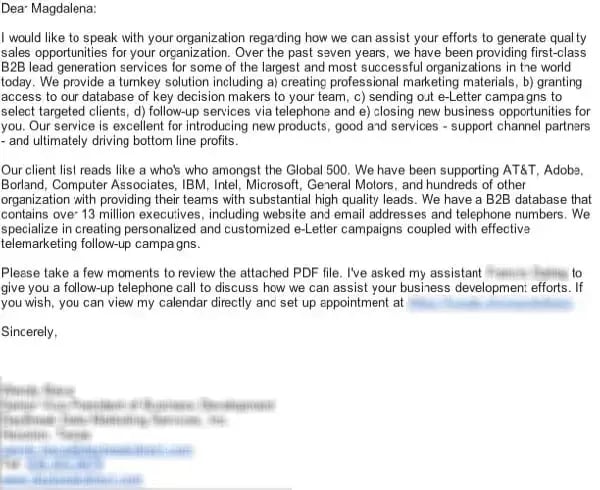
The ego-centric blast is one of the 7 worst marketing emails you’ve ever seen because it misunderstands reader psychology. When you start with a laundry list of awards or a manifesto about your business longevity, you aren’t building authority—you are building a wall. Cold leads don’t care how your company is doing; they care about solving their own specific problems.
Why Bragging Rarely Converts
Most marketers suffer from the delusion that impressive credentials equal trust. A cold lead sees a “we are great” email as noise. They didn’t invite you into their inbox to read a press release about your quarterly growth. When the focus stays on your internal successes, you signal that your sales goals take priority over the reader’s outcomes. This misalignment is why email marketing mistakes like these often lead to immediate unsubscriptions.
The Shift: From Broadcast to Problem-Solving
To move away from this trap, shift your mindset from “we are” to “you can.” This is the core of effective personalized email marketing. Instead of broadcasting achievements, acknowledge the hurdles your reader faces. If you represent a SaaS tool, describe a workflow bottleneck and offer a resource—not a pitch—that helps them navigate it.
Creating Customer-Centric Value
Transforming your outreach requires changing your value proposition. Here is how to reframe your content:
| Technique | Goal | Action |
|---|---|---|
| The “So What?” Test | Relevance | Cut sentences that don’t directly benefit the reader. |
| The 80/20 Rule | Engagement | 80% helpful insights, 20% brand solutions. |
| Problem-First Framing | Curiosity | Start with a question about their pain points. |
By shifting the conversation toward how you can solve their problem today, you position your brand as a helpful partner. This builds the trust necessary to move a lead through your email nurture sequence.
2. The Context-Blind Follow-Up: When Automation Goes Wrong
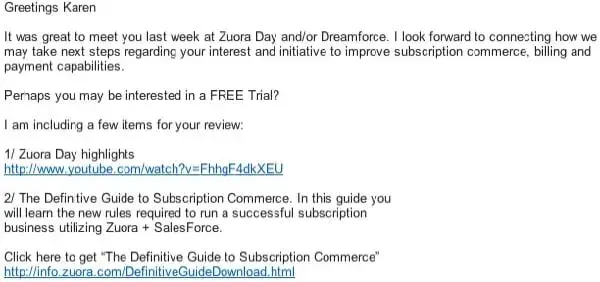
Automation is a powerful tool, but it often becomes a double-edged sword when applied without nuance. One of the 7 worst marketing emails you’ve ever seen is the message that ignores the recipient’s specific history with your brand, treating a warm prospect like a total stranger.
The Peril of Merged Audience Segments
The most common culprit behind tone-deaf communication is the “master list” mentality. When you import contacts from three different events into one sequence, you set yourself up for failure. Sending a “thanks for attending our event” email to someone who didn’t attend is a surefire way to lose credibility. Segments must remain distinct, or your email segmentation strategy collapses.
Why Mismatched CTAs Confuse Leads
A confusing email nurture sequence often stems from a disconnect between intent and your call-to-action (CTA). If a lead expresses interest in a specific feature, following up with a generic “Book a Demo” button feels abrasive. Effective marketing automation best practices demand that your CTA serves the next logical step in the relationship.
| Engagement Trigger | Ineffective Response | High-Conversion Follow-Up |
|---|---|---|
| Webinar Attendee | General sales pitch | Recap of key webinar takeaways |
| Demo Request | Generic newsletter | Personalized demo feedback |
| Whitepaper Download | “Buy now” CTA | Related industry insight article |
By anchoring your automation in real user behavior, you shift from simply sending emails to building a genuine conversation that earns trust.
3. The ‘Missing Name’ Fiasco: Why Testing Is Non-Negotiable
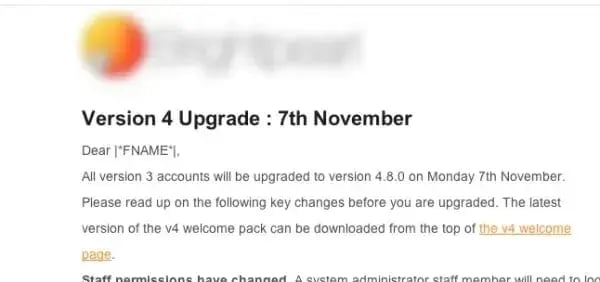
Personalization is the cornerstone of outreach, but when it breaks, it causes more damage than no personalization at all. An email that begins with “Hi [First Name]” or “Dear Customer” makes readers question your brand’s attention to detail and professionalism. These technical glitches are among the 7 worst marketing emails you’ve ever seen because they are entirely preventable.
The Pre-Send Checklist for Flawless Delivery
To avoid these email marketing mistakes, you must institutionalize a testing process. Follow this checklist for every campaign:
- Link Integrity Test: Click every button and text link to ensure they route correctly.
- Dynamic Data Verification: Check if personalization tokens populate correctly for different segments.
- Multi-Device Rendering: View the email on both desktop and mobile to ensure the layout holds up.
- Unsubscribe Compliance: Verify that your legal footer and unsubscribe links work as intended.
When you consistently deliver error-free communication, you reinforce the perception of your brand as reliable and thoughtful.
4. The Forced Marriage: Rushing the Nurture Sequence
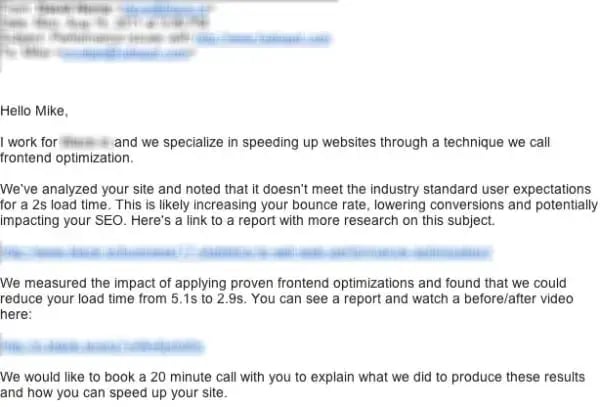
Imagine meeting someone for the first time and, before you finish saying hello, they ask you to move in together. It feels aggressive and desperate. Yet, this is exactly what happens when you launch an aggressive sales pitch the second a lead interacts with your brand. Rushing the email nurture sequence is one of the most common email marketing mistakes, and it inevitably leads to high unsubscribe rates.
Lifecycle vs. Sales Spike
A successful email nurture sequence isn’t about pushing your product; it’s about guiding the prospect through awareness and consideration. To avoid being one of the 7 worst marketing emails you’ve ever seen, compare your current outreach against these two strategies:
| Strategy Aspect | Interruptive Strategy | Helpful Nurturing Strategy |
|---|---|---|
| Primary Focus | Immediate conversion | Education and value |
| Tone | Urgent and sales-heavy | Relatable and consultative |
| Frequency | Daily, high-pressure blasts | Consistent, value-based intervals |
By delaying the hard sell until you have established yourself as a credible resource, you transform your automated flow from a broadcast machine into a conversation-building engine.
5. The Vague and The Obnoxious: Unsubscribe and Subject Line Sins
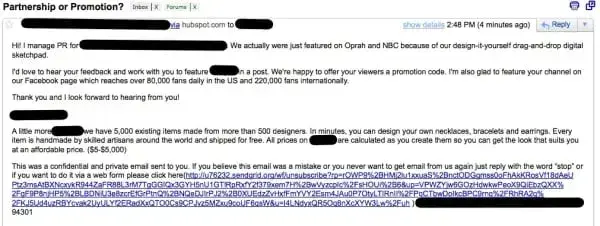
Nothing kills trust faster than a marketing email that feels like a trap. When you intentionally hide the unsubscribe button or treat your subject line like a cryptic riddle, you are being disrespectful of your recipient’s time.
The Psychology of a Transparent Opt-Out
Some marketers fear that making the unsubscribe link easy to find will decimate their list. In reality, hiding the link—or using guilt-tripping language—increases spam complaints. A transparent opt-out process should be a single click. When you respect a user’s choice to leave, you maintain your sender reputation and ensure your metrics reflect people who genuinely want to hear from you.
Subject Lines That Spark Curiosity
A vague or irrelevant subject line ensures your email is marked as junk. If your subject line doesn’t align with the content, you break the implicit contract of value with your reader.
| Style | Ineffective Example | Effective Example |
|---|---|---|
| Sales Pitch | “Buy our new software” | “3 ways to save 5 hours a week” |
| Vague | “Important Update” | “How your workflow changes on Monday” |
| Guilt-Tripping | “Don’t ignore this offer” | “A resource for your growth plan” |
By focusing on clarity and utility, you shift your email strategy from a broadcast of demands to a helpful, reliable conversation. Your audience will learn that your emails are worth their time.
Moving away from these missteps is a fundamental shift in philosophy. You are moving from a broadcast mindset to a genuine, conversation-building approach. By prioritizing the human on the other side of the screen, you transform your strategy from a series of disjointed interrupts into a series of value-driven interactions. Thoughtful communication is the most effective way to build long-term brand equity, and consistent, respectful outreach will turn your inbox presence into a reliable resource your audience actually looks forward to receiving.
AEO/GEO
Want to learn more?
Contact us for direct consultation and support.