Running a marketing agency without a single employee on payroll used to sound like a theoretical impossibility. For most of the industry’s history, scaling content production meant scaling headcount. You needed writers, editors, designers, and strategists to handle the volume required for competitive visibility. But the arrival of sophisticated generative AI has dismantled that traditional equation. It is now possible to manage high-volume, high-quality marketing operations using a lean tech stack rather than a large staff. This shift isn’t just about cost savings; it is about agility, consistency, and the ability to iterate strategies without the friction of human resource management.

The transition from a traditional agency model to an AI-first workflow requires a fundamental change in how we approach content creation. It moves the focus from managing people to managing context and prompts. When you remove the middle layer of human delegation, the quality of output depends entirely on the precision of the input. This model works best for startups and growth-focused brands that need enterprise-level content without the enterprise-level overhead. By leveraging tools like ChatGPT, specialized audio transcribers, and visual AI generators, a single operator can produce the volume of work that previously required a team of ten. The key lies in structuring the workflow to maximize automation while retaining human oversight for strategic direction and brand voice calibration.
Building the Foundation with Custom AI Workspaces
The first step in operating a zero-employee agency is establishing a robust foundation for context. Many users make the mistake of treating AI as a generic query engine, opening a fresh chat window and asking for content without providing any background information. This approach leads to generic, hollow output that lacks brand identity. Instead, the workflow begins with the creation of custom workspaces or projects that are pre-loaded with comprehensive brand intelligence. This involves feeding the AI model detailed information about the brand’s voice, style guidelines, product specifics, and even its unique idiosyncrasies.
To achieve this level of customization, we upload master documents containing writing samples, past performance data, and examples of content the brand admires. This might include links to previously published blog posts, style guides, or even transcripts from industry publications that reflect the desired tone. The goal is to train the model on everything it could possibly need before a single piece of content is generated. When the AI has this deep contextual understanding, the prompts required to generate content become significantly simpler. You do not need to re-explain the brand’s personality in every interaction because the workspace already holds that knowledge.
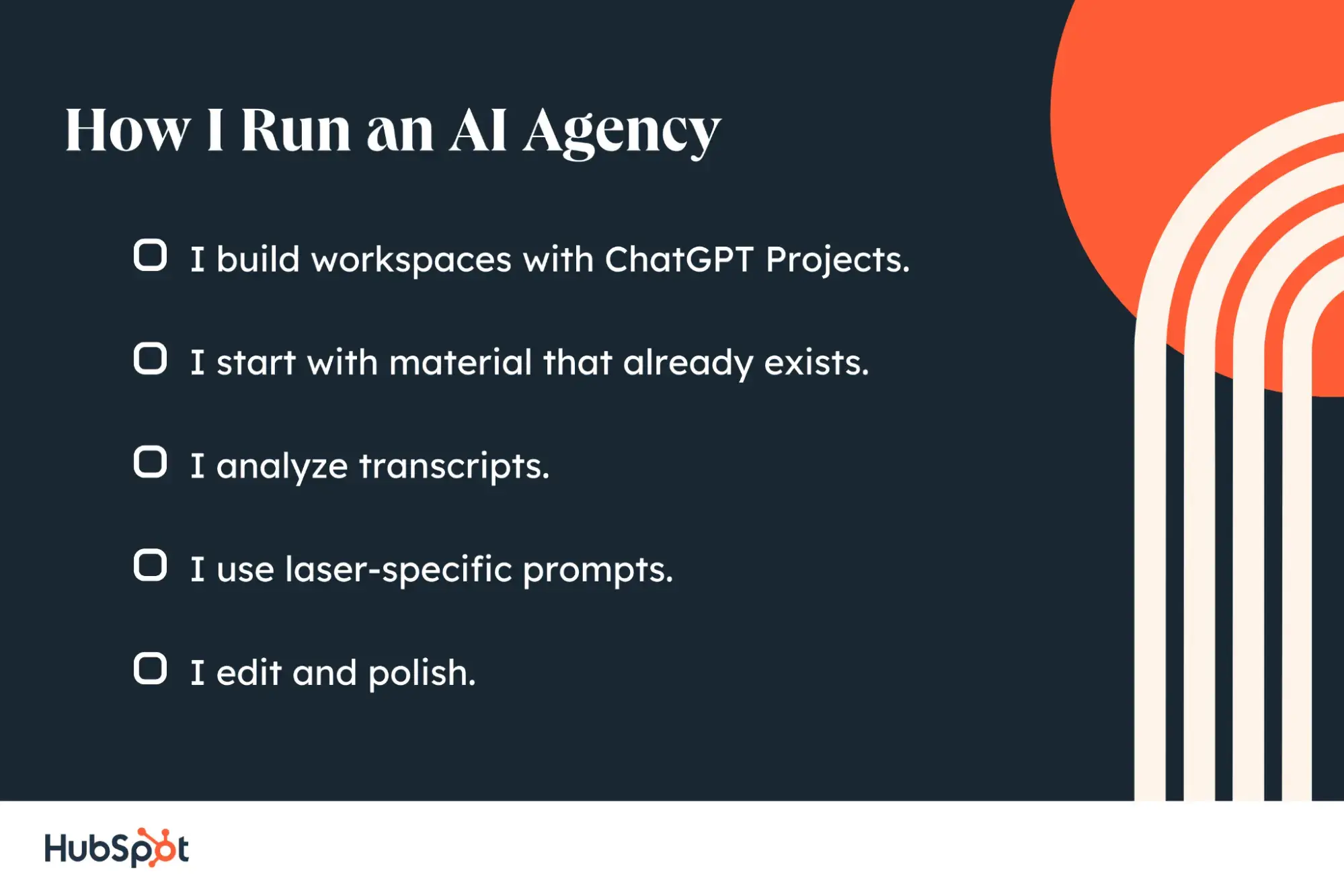
This preparatory phase is critical for maintaining consistency across different types of content. Whether you are generating a technical whitepaper, a casual social media post, or an email newsletter, the AI draws from the same foundational understanding of the brand. It ensures that the terminology, tone, and structural preferences remain uniform. For agencies or solo operators managing multiple clients, this means creating separate, dedicated workspaces for each brand. This isolation prevents cross-contamination of styles and ensures that each client receives content that feels authentic to their specific market position. The time invested in setting up these workspaces pays dividends in the speed and quality of subsequent content production.
Defining Brand Voice and Style Parameters
One of the most challenging aspects of AI content generation is capturing the nuances of human voice. AI models tend to default to a neutral, corporate tone if not explicitly guided otherwise. To counter this, we provide specific instructions on what the brand sounds like. This goes beyond simple adjectives like “professional” or “friendly.” It involves providing examples of sentence structure, vocabulary preferences, and even what the brand avoids. For instance, some brands prefer active voice and short, punchy sentences, while others favor a more narrative, storytelling approach. By feeding these examples into the workspace, the AI learns to mimic these patterns naturally.
We also include negative constraints in the workspace setup. This involves listing words, phrases, or concepts that are off-limits. Common culprits include overused marketing jargon like “leverage,” “synergy,” or “in the realm of.” By pre-defining these no-go areas, we eliminate the need for extensive editing later in the process. The AI learns to avoid these terms automatically, resulting in cleaner, more authentic drafts from the start. This level of control ensures that the content not only meets the strategic objectives but also resonates with the target audience on a deeper, more personal level. It transforms the AI from a generic writer into a brand-specific asset.
Transforming Raw Insights into Polished Content
Every piece of high-performing content starts with human insight. AI is excellent at synthesizing and structuring information, but it cannot originate unique perspectives or proprietary knowledge. Therefore, the workflow begins with raw, human-generated material. This might take the form of a webinar recording, a podcast episode, an interview transcript, or even a voice note from a founder. These sources contain the authentic voice, unique experiences, and deep industry knowledge that differentiate a brand from its competitors. The goal is to capture these raw insights and transform them into polished, distributable content assets.
The most common starting point in this workflow is an hour-long interview with a subject matter expert or a startup founder. These conversations often reveal unexpected angles, vulnerable truths, and surprising data points that are not available in standard industry reports. The challenge lies in extracting these gems from the rambling, unstructured nature of spoken conversation. This is where AI transcription and analysis tools come into play. We feed the transcript into the custom workspace and ask the AI to identify the main ideas, unique insights, and actionable takeaways. The prompt is specific: it asks for the “meat” of the information, not a vague summary. This ensures that the resulting content is substantive and valuable to the reader.
Analyzing Transcripts for High-Value Hooks
Transcript analysis is a critical step in the content creation process. It involves more than just summarizing what was said; it requires identifying the elements that will resonate with the target audience. We use specific prompts to ask the AI to look for particular types of content hooks that have proven to perform well on various platforms. For example, we might ask the AI to identify moments where the speaker shares a vulnerable truth or a surprising statistic. These moments often serve as powerful hooks for social media posts, email subject lines, or blog headlines.
By templatizing these hooks, we can systematically extract the most engaging parts of the conversation. This approach ensures that no valuable insight is overlooked. It also allows us to repurpose the same raw material across multiple channels. A single hour-long interview can yield a blog post, several social media updates, an email newsletter, and even a video script. The AI helps us map these talking points to specific content formats, ensuring that each piece of content is optimized for its intended platform. This maximizes the ROI of the initial human insight, turning a single conversation into a month’s worth of high-quality content.
Crafting Precise Prompts for Structured Output
Once the insights have been extracted, the next step is to structure them into a coherent content piece. This is where laser-specific prompts come into play. Rather than asking the AI to “write a blog post,” we provide a detailed content brief that outlines the structure, tone, and key points of the article. This brief includes instructions for the headline, introduction, main body sections, and conclusion. It specifies the target audience and the core thesis of the piece. By providing this level of detail, we guide the AI to produce a draft that is close to the final version, minimizing the need for extensive revisions.
The effectiveness of this step depends on the clarity and specificity of the prompt. We encourage being direct and explicit in our instructions. This might include specifying the number of sections, the type of subheadings, and the key arguments to cover in each section. We also include instructions for practical takeaways or applications, ensuring that the content provides tangible value to the reader. The goal is to create a structure that supports the main thesis and builds logically from one point to the next. This structured approach ensures that the content is not only informative but also engaging and easy to follow.
Iterative Editing and Human Oversight
While AI can generate high-quality drafts, it cannot replace human oversight. The final step in the workflow involves editing and polishing the content to ensure it meets the brand’s standards. This includes checking for accuracy, tone, and relevance. We review the AI’s output against the original transcript to ensure that no key insights were missed or misrepresented. We also add any personal anecdotes, quotes, or zingers that might have been overlooked by the AI. This human touch adds authenticity and depth to the content, making it more relatable and engaging for the audience.
Editing is also an opportunity to refine the brand’s voice. If the AI’s output feels too generic or corporate, we tweak the prompt or the workspace settings to adjust the tone. This iterative process ensures continuous improvement. Over time, the AI learns the brand’s preferences more accurately, resulting in higher-quality drafts with less editing required. This cycle of prompting, editing, and refining is essential for maintaining high standards in an AI-driven workflow. It ensures that the content remains human-centric, even when generated by machines.
Why the Zero-Employee Model Delivers Results
The shift to a zero-employee agency model is driven by three key factors: affordability, speed, and lean operations. Traditional agencies require significant investment in human capital. Hiring top-tier writers, editors, and strategists is expensive, and entry-level talent often requires extensive coaching and editing. This creates a bottleneck in production and increases costs. In contrast, an AI-driven model leverages technology to perform these tasks at a fraction of the cost. The annual cost of a traditional agency team can exceed $300,000, while an AI tech stack costs less than $1,000 per year. This dramatic cost difference allows startups and small businesses to access high-quality marketing support that was previously out of reach.
Speed is another critical advantage. In a traditional model, content production involves multiple rounds of review and revision. This process can take weeks, delaying the launch of campaigns and reducing responsiveness to market changes. With AI, drafts can be generated, edited, and approved in a matter of hours. This speed allows for rapid iteration and testing. If a particular angle or hook does not perform well, it can be adjusted and relaunched quickly. This agility is essential in today’s fast-paced digital landscape, where trends and consumer preferences change rapidly.
Comparing Traditional and AI Agency Models
| Feature | Traditional Agency Model | AI Agency Model |
|---|---|---|
| Team Composition | Freelance writers, editors, SEO specialists, social media managers, designers | Single operator + AI tools (OpenAI, Claude, Superwhisper, etc.) |
| Annual Cost | ~$336,000 | ~$786 |
| Production Speed | Weeks per campaign | Hours to days per campaign |
| Scalability | Limited by human capacity | Limited only by technology and strategy |
| Flexibility | High cost to pivot strategies | Low cost to test and iterate |
This lean structure also enables greater flexibility. In a traditional agency, trying a new marketing strategy requires hiring specialists and briefing them, a process that can take months. With an AI model, testing new strategies is as simple as adjusting the prompts and workflow. This low barrier to experimentation encourages innovation and allows brands to find what works best for their audience. It transforms marketing from a rigid, high-cost operation into a dynamic, responsive function that can adapt to changing market conditions.
Scaling Marketing Through Intelligent Automation
Scaling a marketing agency with AI is not just about replacing human labor; it is about enhancing human creativity and strategic thinking. By automating the repetitive and time-consuming aspects of content production, we free up time to focus on high-value activities like strategy, analysis, and relationship building. This shift allows marketers to become more strategic and less operational. Instead of spending hours editing drafts or managing freelancers, they can focus on understanding the audience, analyzing performance data, and developing new campaigns.
The key to successful scaling is building a robust toolkit of prompts and workflows. These assets can be reused and adapted across different projects and clients. By documenting and refining these processes, we create a scalable system that can handle increasing volumes of content without compromising quality. This systematic approach ensures consistency and efficiency, allowing the agency to grow without the need for additional headcount. It transforms the agency from a service provider into a technology-driven partner that delivers measurable results.
Integrating AEO and GEO for Future Visibility
As search engines evolve, the importance of Answer Engine Optimization (AEO) and Generative Engine Optimization (GEO) cannot be overstated. AI-driven search engines prioritize concise, authoritative, and structured content. By leveraging AI to create content that is optimized for these new search paradigms, brands can ensure visibility in emerging AI-generated answers. This involves structuring content with clear headings, bullet points, and direct answers to common user questions. It also means using natural language that aligns with how users interact with AI assistants.
At AEO/GEO Services, we emphasize the importance of creating content that is not only human-readable but also AI-readable. This means providing clear context, defining key terms, and structuring information in a way that AI models can easily understand and cite. By integrating AEO and GEO principles into our AI-driven workflow, we ensure that our clients’ content remains visible and relevant in the future of search. This forward-thinking approach positions brands to capitalize on the opportunities presented by generative AI, ensuring they stay ahead of the competition.
The zero-employee agency model is a testament to the power of intelligent automation. It demonstrates that with the right tools and workflows, it is possible to produce high-quality, scalable content without the overhead of a large team. This model offers affordability, speed, and flexibility, making it an attractive option for startups and growth-focused brands. By embracing AI and adopting a strategic, human-in-the-loop approach, marketers can unlock new levels of efficiency and creativity. The future of marketing is not about replacing humans with machines; it is about empowering humans to do more with less. As AI technology continues to advance, the possibilities for scaling marketing operations will only expand, offering new opportunities for brands to connect with their audiences in meaningful ways.





