Why ‘Boring’ Industries Excel at Content Marketing
We often assume that only tech startups or lifestyle brands need compelling blogs. After all, who wants to read about snowplows, paper manufacturing, or container shipping? Yet, some of the most effective content strategies belong to industries that seem, on the surface, entirely unglamorous. These companies have discovered that “boring” is often just a synonym for “essential,” and essential services require clear, trustworthy communication.

These companies understand a fundamental truth: quality content is decided by your audience, not by how exciting your product sounds. By focusing on clarity, consistency, and genuine utility, these businesses have built blogs that not only engage their niche audiences but also serve as masterclasses in inbound marketing. As we navigate the shift toward generative search and AI-driven discovery, these examples offer timeless lessons in how to structure information so it is both human-readable and machine-optimizable. When algorithms prioritize helpfulness, the brands that answer specific questions with authority rise to the top, regardless of their sector.

Let’s explore ten phenomenal blogs from totally boring industries and what we can learn from their approaches to content creation, user experience, and audience retention. Each example below highlights a specific tactic—whether it is visual design, narrative structure, or topical breadth—that you can adapt for your own brand.
Intercom: Design as a Differentiator
Intercom operates in the CRM space, a sector that can easily feel dry and technical. However, their blog homepage proves that even functional software can have a visually stunning presence. The layout is clean yet dynamic, with overlapping color bars behind titles that create a sense of depth and movement without clutter. This design choice signals to the visitor that the brand is modern and creative, countering the stereotype that B2B software is dull.
What stands out is the ease of discovery. The sidebar makes it simple for readers to find related content, while listing authors by their Twitter handles helps build personal brands alongside the company’s voice. Inside the posts, the information is equally engaging—easy to read and supported by high-quality images. For any brand, especially in B2B, Intercom demonstrates that aesthetic appeal and informational value are not mutually exclusive. A polished interface reduces cognitive load, allowing users to focus on the insights rather than struggling to navigate a messy page.
Practical Step: Audit your blog’s sidebar and author bios. Do they encourage further reading? Adding social links to author profiles can humanize your brand and build trust.
Memphis Invest: Answering the Exact Questions
If you are not interested in the nitty-gritty of real estate investments, Memphis Invest’s blog might seem irrelevant. But for marketers, it is a goldmine. The blog excels at answering the precise questions people are searching for. Whether it is a complex regulatory issue or a simple definition, they provide clear, in-depth answers. This approach aligns perfectly with modern SEO strategy, where satisfying user intent is the primary ranking factor.
Memphis Invest also diversifies its content formats. Beyond standard articles, they include inspirational quotes, visual infographics, and deep-dive guides. This variety keeps the audience engaged and signals to search engines that the site is a comprehensive resource. Consistently delivering on user intent is the cornerstone of their inbound marketing success, a strategy that remains vital even as search algorithms evolve. By covering the full spectrum of questions—from beginner definitions to advanced regulatory nuances—they capture traffic at every stage of the buyer’s journey.
Practical Step: Identify the top five questions your customers ask during sales calls. Create dedicated blog posts that answer each one in detail, using headers that match the exact phrasing of the question.
Zendesk: The Power of Custom Imagery
Zendesk’s customer service software blog is a favorite for its visual consistency and ease of navigation. Each post features a specially designed image that is simple, colorful, and directly related to the topic. These visuals are not generic stock photos; they are tailored to the post, making the content feel cohesive and professional. Custom imagery creates a unique brand signature that is difficult for competitors to replicate.
Interestingly, many of these images are created in PowerPoint, proving that you do not need a design agency to produce compelling visuals. This approachability is key. By making their content visually distinct and easy to scan, Zendesk encourages readers to click through to more articles. In an era where AI summarizes content, having a unique visual identity helps brands stand out in featured snippets and search results. It also increases the likelihood of social sharing, as visually distinct cards perform better in feeds.
Practical Step: Replace generic stock photos with custom graphics. Even simple shapes, brand colors, and clear typography in a tool like Canva or PowerPoint can create a recognizable visual style for your blog.
Maersk Line: Storytelling in Shipping
Container shipping is not known for its excitement, yet Maersk Line turned a product launch into a compelling narrative. For their #TripleE campaign, they live-blogged the maiden voyage of their first Triple-E vessel. The ship’s captain posted regular updates, complete with photos and personal insights, turning a logistical milestone into a human story. This approach transformed a cold industrial process into an adventure that readers could follow in real-time.
This multi-platform campaign integrated social media and blog content seamlessly, engaging an audience that might not typically follow shipping news. By focusing on the adventure and the people behind the product, Maersk Line showed that even the most industrial processes have a human element worth sharing. This type of narrative-driven content is highly shareable and memorable, fostering a deeper connection with the brand. It reminds us that behind every B2B transaction are real people solving real problems.
Practical Step: Identify a milestone or project in your company. Instead of just announcing the result, document the journey. Share behind-the-scenes photos, employee quotes, and challenges overcome to create a narrative arc.
THE BOSS Snowplow: Educational Utility
THE BOSS Snowplow’s blog is a testament to the power of education. They use their content to generate leads, nurture prospects, and support existing customers—all while providing genuine value. Posts range from general safety tips for snow plowing to specific guides on using BOSS products. This dual focus ensures that the content serves both new visitors looking for advice and existing customers seeking support.
This balance is crucial. By offering free, high-quality educational content, they position themselves as experts in their field. Readers return not because they are being sold to, but because they are learning something useful. This strategy builds trust over time, making the eventual sales conversation much easier. For any service-based business, focusing on customer education is a powerful way to differentiate from competitors. When you help your customers succeed, they are more likely to choose you when they need to buy.
Practical Step: Create a “How-To” series that addresses common pain points in your industry. Ensure each post includes a subtle call-to-action that offers further assistance or a relevant product solution.
Allstate: Mastering Discoverability
Discovering relevant content on a blog can be challenging, especially when you cover multiple topics for different audiences. Allstate solves this with a smart homepage design. A rotating slider at the top surfaces featured stories, while a “Trending Topics” section highlights popular content using social proof. This layout guides users toward high-value content immediately upon arrival, reducing friction.
This layout makes it easy and desirable for visitors to find what they are looking for. By leveraging social proof, Allstate guides users toward high-quality, engaging posts. This approach reduces bounce rates and increases time on site, signaling to search engines that the content is valuable. For brands with diverse content libraries, clear navigation and curated highlights are essential for user retention. If users cannot find what they need within seconds, they will leave.
Practical Step: Implement a “Popular Posts” or “Trending” widget on your homepage. Use data from your analytics to identify which posts drive the most engagement and feature them prominently.
Gild: Riding the Wave of Trends
Staying on top of industry trends and writing about them consistently is difficult, but Gild does it well. They publish weekly roundups of top stories in their industry, providing timely and relevant content that is easy to digest. These posts are not lengthy deep-dives; they are concise summaries that keep readers informed. This format respects the reader’s time while establishing the brand as a thought leader.
This format is perfect for busy professionals who want to stay current without investing hours in research. By providing a curated feed of industry news, Gild becomes a go-to resource for their audience. This strategy also helps with SEO, as they capture traffic for trending keywords and topics. Consistency and timeliness are key to maintaining relevance in fast-moving industries. Regular updates also signal to search engines that the site is active and authoritative.
Practical Step: Create a weekly or monthly “Industry Roundup” post. Curate the most important news, link to original sources, and add your own brief commentary to provide unique value.
AmeriFirst: Top-of-Funnel Content Strategy
AmeriFirst’s blog is a paragon of consistency, publishing new posts at least once a day. They do not limit themselves to mortgages; instead, they write about anything related to buying and caring for a home. This broad approach attracts top-of-funnel leads who are looking for general home advice. By expanding their topical map, they capture a wider audience than those who only search for financial products.
These readers may not need a mortgage today, but they will eventually. By being a helpful resource early in the journey, AmeriFirst builds brand awareness and trust. When these readers are ready to buy, AmeriFirst is top of mind. This long-term perspective is essential for building a sustainable content strategy, focusing on relationship-building rather than immediate conversion. It illustrates the power of capturing traffic at the awareness stage of the funnel.
Practical Step: Expand your content scope to include adjacent topics that your target audience cares about. If you sell software, write about productivity tips. If you sell insurance, write about risk management basics.
iOffice: Clean Design and Diverse Content
The iOffice blog for facilities management is visually inviting, with a clean, colorful design and prominent author photos. This human touch makes the content feel more personal and accessible. But the design is backed by strong content, including how-to posts, industry trends, and infographics. The combination of visual appeal and substantive information keeps readers engaged.
A diverse collection of content formats keeps the audience interested and caters to different learning styles. Some readers prefer step-by-step guides, while others want high-level overviews. By offering a mix, iOffice ensures that there is something for everyone. This variety also helps with SEO, as different content types can rank for different search queries. Infographics, for example, can attract backlinks and social shares, boosting domain authority.
Practical Step: Mix up your content formats. Alternate between long-form guides, short news updates, and visual infographics to cater to different preferences and boost engagement metrics.
Neenah Paper: Visual Storytelling for Traditional Products
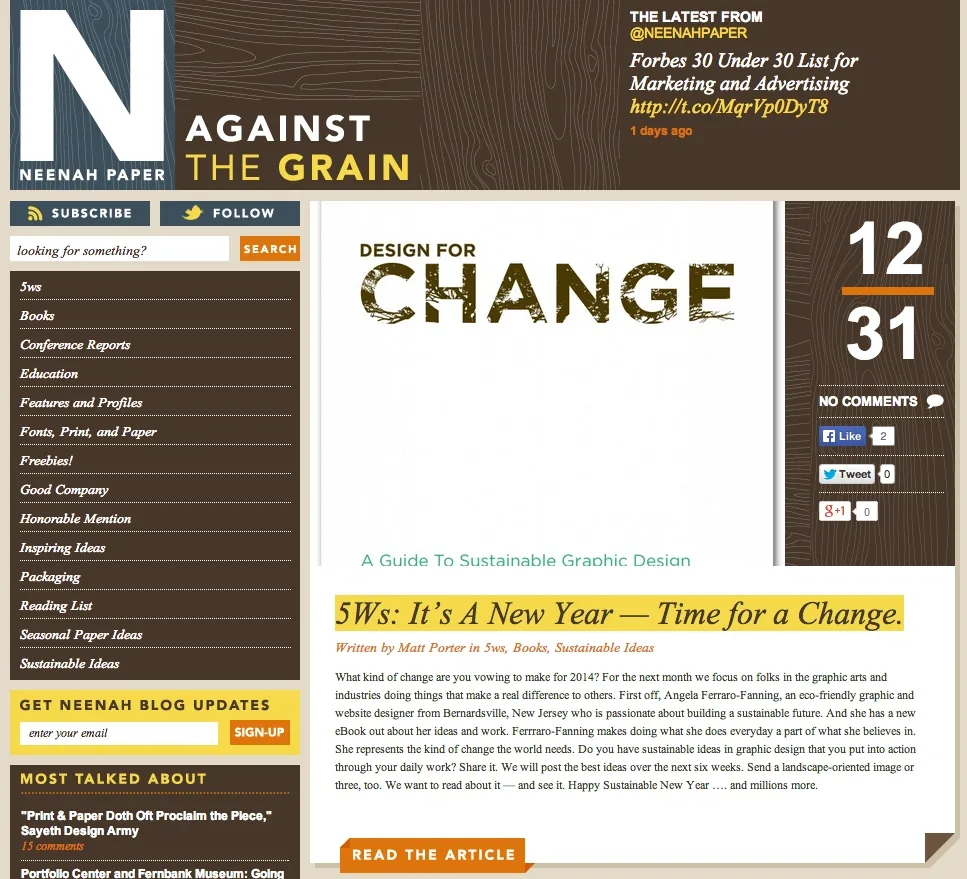
Neenah Paper makes paper, stationery, and cards—products that are traditional and tangible. Their blog, however, feels like a modern media site, with a highly visual layout reminiscent of Pinterest. The homepage features numerous stories, each presented with high-quality images. This approach transforms a commodity product into an aspirational lifestyle choice.
Once you dive into the posts, you find even more visual content. This approach encourages browsing and exploration, keeping visitors on the site for longer. For brands selling physical products, visual storytelling is a powerful tool to showcase the beauty and utility of what they offer. Neenah Paper proves that even the most traditional industries can embrace modern, visually-driven content strategies. High-quality photography is not just decoration; it is a core part of the user experience.
Practical Step: Invest in high-quality product photography. Use lifestyle images that show your products in use, rather than just isolated shots on white backgrounds, to help customers visualize value.
Key Takeaways for Your Content Strategy
What can we learn from these ten blogs? First, aesthetics matter. A clean, visually appealing layout makes content more inviting and easier to consume. Second, utility is king. Providing genuine value through education, answers, and trends builds trust and authority. Third, consistency and variety keep audiences engaged. Whether through daily posts, weekly roundups, or diverse content formats, staying active and interesting is key.
Finally, remember that your audience decides what is valuable. Even in boring industries, there is a hunger for clear, helpful, and well-presented information. By focusing on user intent and delivering on that promise, you can create a blog that stands out, regardless of your industry. The goal is not to be the most exciting brand, but the most helpful one.
As we move forward, consider how these principles apply to your own content. Are you answering the right questions? Is your design aiding or hindering discovery? How can you make your content more visually engaging? These are the questions that will help you build a blog that not only informs but also inspires. Start with one small change, such as improving your imagery or auditing your navigation, and build from there.





