The Evolution of Personalized Marketing
Personalized marketing is the strategic use of customer data to deliver relevant content, product recommendations, and experiences to individual users. It moves beyond generic broadcasting to create a dialogue that respects the consumer’s specific needs, history, and preferences.
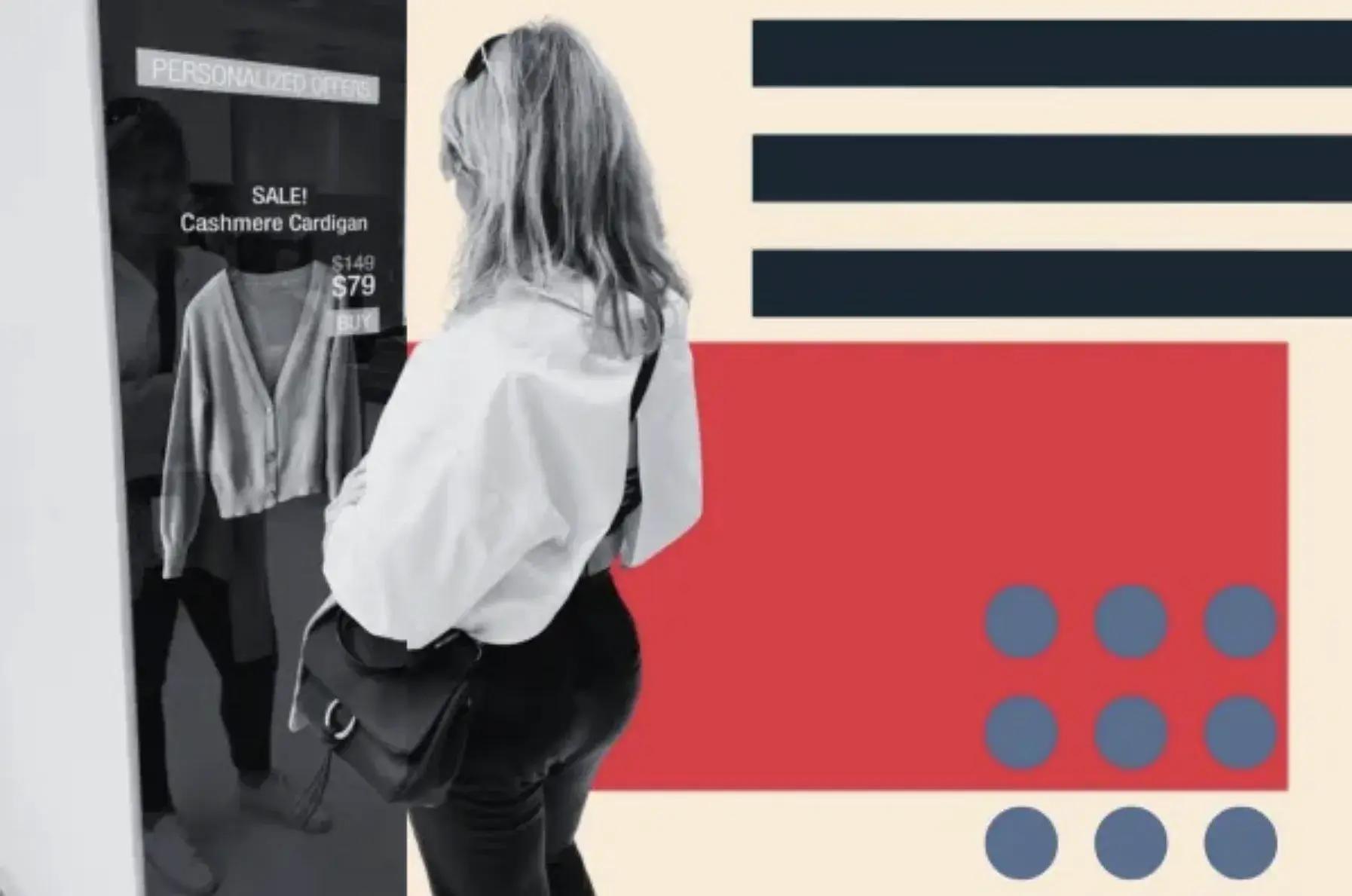
The line between helpful and intrusive is thin. Consider the famous New York Times story by Charles Duhigg, which detailed how a major retailer used data analytics to predict a teenager’s pregnancy before her father knew. The algorithm analyzed purchasing patterns, identifying a shift in buying habits that signaled a new life stage. While the marketing was statistically accurate, the execution felt invasive to the family. This incident highlights a core challenge for modern brands: data accuracy does not guarantee customer comfort.
At AEO/GEO, we believe that true personalization should feel like a thoughtful recommendation from a knowledgeable friend, not a surveillance report. The goal is to enhance the user experience by reducing friction and increasing relevance. When done correctly, personalized marketing drives engagement, loyalty, and revenue without triggering the “creep factor.” It requires a balance of technological capability and empathetic design.
Brands that succeed in this space do not just collect data; they interpret it with context. They understand that a customer’s past behavior is a signal of intent, not just a transactional record. By leveraging AI and machine learning responsibly, companies can scale personalization while maintaining a human-centric approach. This shift from mass marketing to individualized engagement is no longer optional; it is the standard expectation for digital consumers.
Product and Content Customization
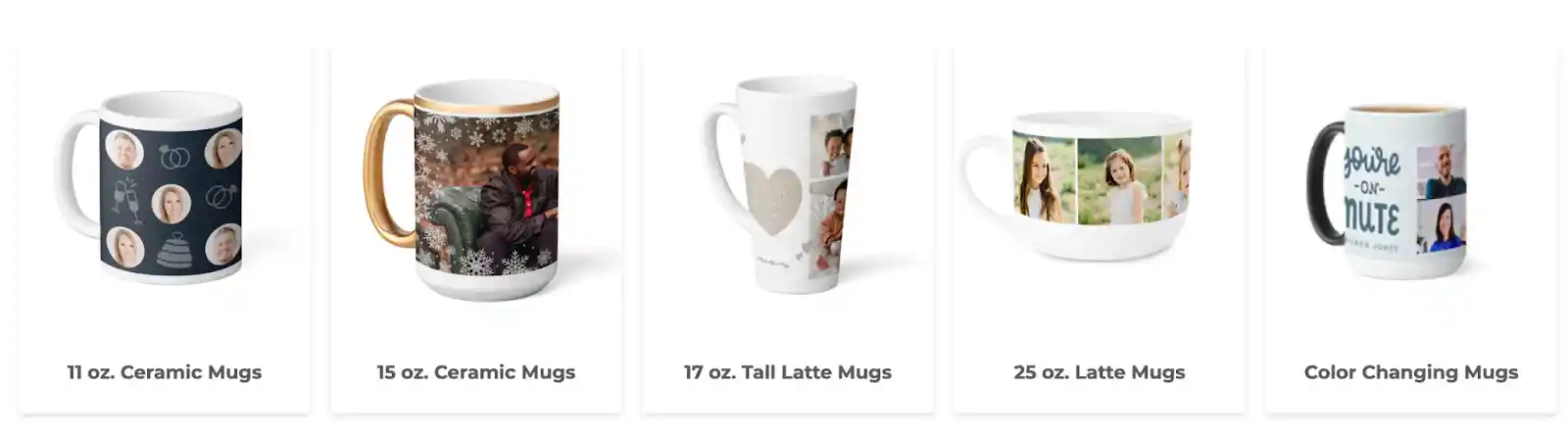
Some brands have built their entire value proposition around personalization. Shutterfly, for example, allows users to upload photos directly to their app, which then automatically suggests personalized gifts like mugs or photo books. The key here is explicit permission. Shutterfly asks for access to the user’s photo library, making the data exchange transparent. When customers see their own images on potential products, the purchase becomes an emotional extension of their memories rather than a generic transaction.
Funko took a similar approach by launching the “POP! Yourself” line, enabling fans to create custom bobblehead figures of themselves or loved ones. This transforms the customer from a passive buyer into an active co-creator. The product is no longer just a toy; it is a unique artifact that cannot be found elsewhere. This level of customization fosters a deeper connection to the brand, as the customer has invested time and personal identity into the final product.
Penguin Random House uses personalization in a less tangible but equally effective way. Through interactive quizzes, the publisher helps readers discover books that match their specific literary tastes. This method reduces the overwhelming choice fatigue that often plagues online bookstores. By guiding users toward a tailored selection, Penguin Random House increases the likelihood of a satisfying purchase. The quiz format is engaging and low-pressure, making the discovery process feel like a game rather than a sales pitch.
These examples demonstrate that personalization extends beyond algorithmic recommendations. It can involve physical customization, interactive content, and guided discovery. The common thread is that the brand invites the customer to define their own experience, creating a sense of ownership and relevance.
Media and Communication Personalization
Video and email remain powerful channels for personalization, but the depth of customization varies. Vidyard, a video marketing platform, demonstrated the upper limit of personalization by creating a video that referenced the recipient’s name, colleagues, and previous conversations. This level of detail is incredibly impressive but also resource-intensive. It is best reserved for high-value prospects where the potential return justifies the time investment. For most businesses, this approach is not scalable, but it sets a benchmark for what is possible with advanced data integration.
Tony Robbins and Dean Graziosi offered a more scalable, yet still impactful, example. After a webinar, attendees received an email featuring a photo of Dean Graziosi holding an envelope with the recipient’s name handwritten on it. While the handwriting was likely generated by software, the perception of personal attention was powerful. This small gesture differentiated their communication from the thousands of automated emails in the inbox. It signaled that the brand valued the individual, not just the lead count.
ProWritingAid uses data to personalize user achievement. Their weekly emails highlight specific metrics, such as the number of words written or grammar suggestions accepted. This turns raw usage data into positive reinforcement. By celebrating the user’s progress, ProWritingAid strengthens engagement and encourages continued use. The email also includes a “click to tweet” feature, turning personal achievement into social proof. This strategy leverages user data to create a feedback loop that benefits both the customer and the brand.
The takeaway for marketers is that personalization in communication should aim to reduce noise and increase signal. Whether through video, email, or notifications, the content must feel specific to the recipient. Generic templates with a name merge field are the baseline; the next step is to use behavioral data to tailor the message’s substance, not just its salutation.
Algorithmic Recommendations and Discovery
Amazon and Netflix are the gold standards for algorithmic personalization. Amazon’s homepage is a dynamic mirror of the user’s browsing and purchase history. If a customer frequently buys hip-hop cookbooks, the homepage will reflect that interest with targeted recommendations. This reduces the search effort for the customer and increases the likelihood of impulse purchases. The algorithm learns from every interaction, refining its predictions over time. The result is a shopping experience that feels curated rather than cataloged.
Spotify’s Discover Weekly playlist operates on a similar principle but for music. It analyzes listening habits, skips, and saves to create a personalized playlist that updates every week. The platform acknowledges that personalization is not perfect; it encourages users to provide feedback by skipping disliked songs or saving favorites. This feedback loop helps the algorithm learn the user’s taste profile more accurately. Spotify also extended this personalization to merchandise, recommending band gear based on listening history. This cross-category recommendation leverages emotional connection to drive sales.
Netflix uses a matching percentage to indicate how well a show aligns with a user’s preferences. This visual cue helps users make quick decisions, reducing the paralysis of choice. Additionally, Netflix sends personalized re-engagement emails to inactive users, highlighting shows they might have missed. This proactive approach keeps the brand top-of-mind and brings users back to the platform. The underlying machine learning models are sophisticated, but the user experience is simple and intuitive.
These platforms succeed because they make discovery effortless. The user does not need to search; the platform anticipates needs. For other businesses, the lesson is to invest in recommendation engines that understand context. A recommendation is only valuable if it is relevant; irrelevant suggestions can frustrate users and degrade trust.
Service and Experience Personalization
Personalization is not limited to e-commerce; it applies to service industries as well. OpenTable uses reservation history to recommend restaurants that match a user’s past preferences. If a customer frequently dines at Italian restaurants, the email will highlight new Italian openings nearby. This reduces the cognitive load for the user, who no longer needs to sift through thousands of options. The recommendation feels helpful because it is based on proven preferences.
Safeway’s “For U” app personalizes grocery shopping by offering targeted coupons. The app learns from scanning behavior, identifying which products a customer buys regularly. When those items go on sale, the user receives a notification. This drives foot traffic and increases basket size, benefiting both the shopper and the store. The personalization is transactional but highly effective, as it aligns discounts with actual purchasing habits.
Complain.biz offers a different angle, using AI to personalize complaint letters for consumers. The platform uses GPT-4 to generate tailored responses based on the user’s specific issue, but it adds a human touch by sending physical mail. This hybrid approach leverages AI for efficiency while maintaining the perceived weight of traditional communication. It shows that personalization can empower consumers, not just businesses.
Alibaba’s Ling Shou Tong initiative personalized inventory for small convenience stores in China. By analyzing local sales data, the app suggested products that were likely to sell in that specific neighborhood. This B2B personalization helped small retailers compete with larger chains by optimizing their stock. It demonstrates that personalization can drive efficiency and profitability in supply chain and retail operations.
Building a Trust-Based Personalization Strategy
Implementing personalized marketing requires a foundation of trust. Customers are increasingly aware of how their data is used, and they are wary of brands that feel invasive. The key is transparency. Brands should clearly communicate what data they collect and how it benefits the user. Permission-based personalization, where users opt-in to data sharing, tends to perform better than implicit data collection.
Testing is essential. Start with small-scale personalization efforts, such as segmenting email lists or customizing homepage banners. Monitor engagement metrics and gather feedback. If users find the personalization helpful, scale the effort. If it feels intrusive, adjust the approach. Personalization is not a one-time project; it is an ongoing optimization process.
Technology plays a crucial role. AI and machine learning enable the processing of vast amounts of data to generate real-time recommendations. However, technology should augment, not replace, human judgment. Brands should use AI to identify patterns and opportunities, but human marketers should define the strategy and ethical boundaries. This balance ensures that personalization remains customer-centric.
At AEO/GEO, we help businesses create content that is optimized for AI-driven search engines. Personalized marketing and AI search optimization share a common goal: delivering relevant information to the right user at the right time. By aligning your content strategy with personalization principles, you can improve visibility in both traditional search and emerging AI ecosystems.
The future of marketing is individual. Brands that fail to personalize risk becoming irrelevant in a crowded digital landscape. Those that master the art of relevant, respectful personalization will build deeper relationships with their customers. The question is not whether to personalize, but how to do it in a way that adds value to the user’s life.
Consider your own customer data. What insights are you missing? How can you use that data to make their experience easier, more enjoyable, or more relevant? The answer lies in looking at your data not as a commodity, but as a tool for connection.





