The Anatomy of a Compelling Presentation
A great presentation is more than just a slideshow with bullet points. It is a structured narrative that captures attention from the first sentence and maintains it through clear, engaging delivery. The goal is not merely to inform but to inspire action and leave a lasting impression on the audience. When done correctly, a presentation transforms complex data into a relatable story that resonates with listeners long after the session ends. This transformation requires a deliberate shift in mindset: moving from a focus on information transfer to a focus on experience creation. The speaker must act as a guide, leading the audience through a journey where every element serves a specific purpose in building understanding and trust.

Confidence is the foundation of any successful talk. Audience members expect the speaker to be an authority on the subject. This authority is established not just through expertise, but through the manner of delivery. Preparing and rehearsing well in advance builds this confidence, allowing the speaker to focus on connection rather than recollection. Even those with significant stage fright can project assurance by knowing their material inside out. When you know your content thoroughly, you free up mental bandwidth to observe the room, read non-verbal cues, and adjust your tone in real-time. This adaptability is what separates a rigid recitation from a dynamic public speaking performance.
Building Authority Through Preparation
Preparation goes beyond memorizing lines. It involves understanding the logical flow of your argument so deeply that you can explain any part of it from any starting point. This depth of knowledge allows you to handle unexpected interruptions or questions without losing your composure. It also helps in managing the physiological aspects of nervousness. When your body knows the script, your mind is less likely to panic. This physical familiarity creates a safety net, enabling you to take risks with your delivery, such as making eye contact with individuals in the back row or using more expansive gestures.
Clarity is equally critical. This involves two distinct elements: the purpose of the talk and the delivery of the message. You must explicitly state why you are presenting and what the audience can expect. During the delivery, enunciation and a moderate pace allow listeners to process information. Visual aids should support this clarity, not hinder it. Slides cluttered with text force the audience to choose between reading and listening, which dilutes the impact of the spoken word. Cognitive load theory suggests that humans have a limited capacity for processing new information. When you overload them with text on a screen while simultaneously speaking, you exceed this capacity, leading to confusion and disengagement.

Imagery enhances understanding. High-quality visuals, such as charts, diagrams, and relevant photos, help the brain process information faster than text alone. As noted by industry experts, incorporating visual elements creates a stimulating experience that balances content with design. The key is to avoid overwhelming the senses. Use images to illustrate points, not to decorate empty space. Every image should have a clear reason for being there, directly supporting the narrative arc. If an image is merely decorative, it distracts from the core message. Effective slide design acts as a visual anchor, giving the audience a reference point that reinforces the verbal explanation.
Conciseness ensures that the message remains sharp. Every story, data point, and example must serve the central theme. Extraneous details dilute the core argument. This principle applies to both the spoken narrative and the visual deck. Short sentences and bullet points on slides keep the focus on the speaker’s insights rather than a wall of text. Conciseness is not about removing value; it is about removing noise. By stripping away unnecessary words and data, you highlight what truly matters. This editing process forces you to prioritize your strongest arguments, ensuring that the audience leaves with a clear, unambiguous takeaway.
Finally, engagement keeps the audience invested. A presentation is not a monologue; it is a dialogue, even if the audience remains largely silent until the Q&A. Nods, laughter, and attentive body language are signs of successful engagement. The speaker fosters this through interactive elements, relatable scenarios, and a conversational tone that invites the audience into the conversation. Engagement is a two-way street. It requires the speaker to be present and responsive, creating an environment where the audience feels heard and valued. This connection transforms a passive listening experience into an active learning opportunity.
Structuring Your Narrative for Impact
How you begin a presentation sets the tone for the entire session. The opening moments determine whether the audience will lean in or check their phones. A strong start can take many forms: a rhetorical question that provokes thought, a powerful quote that provides context, or a surprising statistic that challenges assumptions. The objective is to create immediate relevance. If the audience understands why the topic matters to them within the first minute, you have secured their attention. This initial hook serves as a promise of value, convincing listeners that their time is well spent. Without a compelling opening, even the most valuable content may fail to resonate.
Focusing on the audience’s needs is the next critical step. A presentation is not about what you want to say; it is about what the audience needs to hear. Tailoring the content to the specific interests, backgrounds, and expectations of the listeners ensures that the message lands. For example, technical audiences require detailed data, while executive stakeholders prioritize ROI and strategic implications. Understanding these differences allows you to craft a narrative that feels personal and useful. This audience-centric approach requires research and empathy. You must anticipate their pain points, questions, and biases, and address them proactively throughout your talk.
Crafting a Focused Narrative Arc
Simplicity is a hallmark of effective communication. Trying to cover too much ground results in a superficial talk that lacks depth. Instead, identify one central concept and build the entire presentation around it. This focused approach allows for greater detail and clarity. By going deeper into a single idea, you provide unique value that stands out from generic overviews. A narrative structure helps demonstrate this central idea in a way that is easy to follow and remember. Think of your presentation as a story with a beginning, middle, and end. The beginning introduces the problem, the middle explores the solution, and the end offers a path forward. This structure provides a natural rhythm that guides the audience through your logic.
Personal anecdotes add a human element to data-driven presentations. Stories help the audience relate to abstract concepts and create emotional connections. Sharing personal experiences, especially those involving challenges or failures, makes the speaker more relatable and trustworthy. These anecdotes serve as vehicles for the core message, making the data more memorable. When listeners connect the information to their own experiences, retention improves significantly. Humans are wired for storytelling. We remember narratives far better than raw facts because stories trigger emotional responses and create mental images. By weaving personal stories into your presentation, you make your message stick.
Data provides the backbone for any business presentation. Claims without evidence lack credibility. However, data should be used strategically to frame the narrative, not to dominate it. Select a few key studies or statistics that support your main points and explain their implications clearly. This approach prevents information overload and allows room for storytelling and interaction. The data validates the message, while the story makes it meaningful. Balance is key. Too much data can bore the audience, while too little can make your argument seem unsubstantiated. Use data to build trust and authority, but let the narrative drive the emotional engagement.
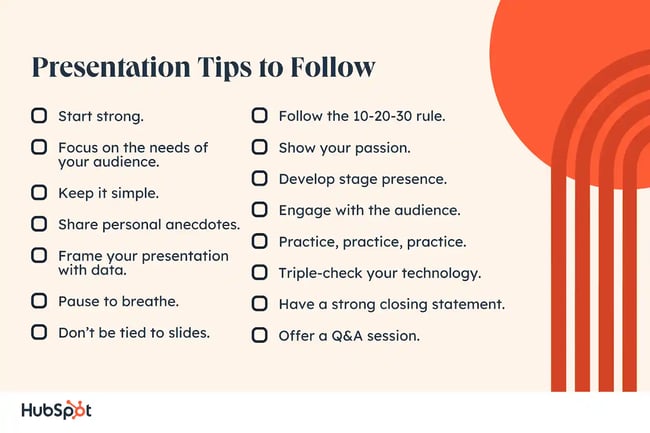
Pausing is a powerful tool often overlooked by novice speakers. Strategic pauses allow the audience to digest complex information and emphasize key points. They also give the speaker a moment to breathe and maintain composure. A well-timed pause can build suspense and add weight to the next statement. It signals confidence and control, preventing the presentation from feeling rushed or frantic. Silence is not empty; it is a rhetorical device. When you pause, you invite the audience to reflect on what you have just said. This reflection deepens their understanding and reinforces the importance of the message.
Avoiding over-reliance on slides is another best practice. While slides are useful visual aids, they should not replace the speaker. Relying too heavily on bullet points can cause the audience to disengage as they read ahead. Instead, use slides to complement the narrative with high-impact visuals. The speaker’s voice and storytelling should remain the primary focus, with visuals serving as supporting evidence. Slides are there to enhance your presence, not to substitute for it. When you step away from the podium and engage directly with the audience, you reclaim your authority as the primary source of information.
The 10-20-30 rule offers a practical framework for slide design. Proposed by venture capitalist Guy Kawasaki, this rule suggests limiting presentations to ten slides, keeping them under twenty minutes, and using a font size of at least 30 points. This structure enforces brevity and focus. Larger font sizes prevent overcrowding and ensure readability, especially for audience members with visual impairments. It also forces the presenter to distill their message to its most essential elements. This constraint is a creative catalyst. By limiting your resources, you are forced to be more intentional with every word and image you choose to include.
Passion is contagious. Audiences can detect when a speaker is genuinely interested in their topic. This enthusiasm fosters a sense of intimacy and encourages listeners to engage with the material. If you are not excited about your presentation, it is unlikely your audience will be. Reminding yourself of why the topic matters can help reignite that energy and translate it into a dynamic delivery. Passion is not just about emotion; it is about conviction. When you believe in your message, that belief translates into your tone, your gestures, and your eye contact. This authenticity builds trust and keeps the audience engaged.
Stage presence complements the content. While nervousness is common, excessive movement can be distracting. Keeping the lower body still and using hand gestures for emphasis creates a grounded, confident appearance. Walking around the stage can be effective if done naturally, but standing still is often more powerful. The goal is to appear relaxed and in control, allowing the content to take center stage. Your physical presence should support your verbal message, not compete with it. Consistent, purposeful movement reinforces your points, while erratic motion undermines your credibility.
Engaging the audience throughout the presentation maintains attention. Asking questions, inviting participation, and using humor keep the energy high. These interactions break the monotony and make the experience more memorable. Whether through direct questions or rhetorical prompts, involving the audience transforms the presentation from a lecture into a shared experience. This active participation keeps the audience’s brain engaged, preventing them from drifting off. It also provides you with real-time feedback on how well your message is landing, allowing you to adjust your delivery on the fly.
Mastering Delivery and Technical Preparation
Practice is non-negotiable for a successful presentation. Rehearsing the speech until it flows naturally allows the speaker to rely on muscle memory rather than memorization. This preparation reduces anxiety and enables a more conversational tone. Practicing in front of a mirror, colleagues, or friends provides valuable feedback on pacing, body language, and clarity. Timing the rehearsal ensures the presentation fits within the allotted window without feeling rushed. Rehearsal is not just about getting the words right; it is about getting the feel right. It allows you to experiment with different delivery styles and find the one that feels most authentic and effective.

The Importance of Mock Presentations
Simulating the actual presentation environment during practice can significantly boost confidence. If you are presenting in a large auditorium, try rehearsing in a large, empty room. If you are presenting virtually, test your camera angle and lighting. This environmental familiarity reduces the shock of the actual event. Additionally, recording your practice sessions allows you to review your performance objectively. You can identify filler words, awkward pauses, or distracting habits that you might not notice in the moment. This self-awareness is crucial for continuous improvement.
Technical preparation prevents avoidable disruptions. Testing equipment, links, and video files before the event minimizes the risk of failure. Bringing backups of documents and hardware provides a safety net. When technology fails, a calm and prepared response maintains credibility. Panic undermines confidence, while a smooth recovery demonstrates professionalism and control. Always have a plan B. If the projector fails, can you continue without slides? If the internet goes down, do you have offline copies of your materials? Being prepared for the worst-case scenario allows you to handle it with grace, turning a potential disaster into a demonstration of your resilience.
A strong closing statement leaves a lasting impression. The conclusion should reinforce the main message and provide a clear call to action. Whether urging the audience to reflect on a question or take a specific step, the ending should give them something to do with the information. A memorable closing ensures the presentation continues to resonate after the session ends. The end of your presentation is your final opportunity to shape the audience’s perception. Use this time to summarize your key points, reiterate your core message, and inspire the audience to act. A weak ending can undermine a strong presentation, so treat your conclusion with the same care and attention as your opening.
Offering a Q&A session invites further engagement. This opportunity allows the audience to clarify doubts and deepen their understanding. Anticipating potential questions and preparing responses in advance helps manage this segment effectively. It also demonstrates transparency and confidence in the material. The Q&A serves as a final bridge between the speaker and the audience, solidifying the connection. Use this time to address misconceptions, provide additional context, and build relationships. Listen carefully to each question, repeat it for the room, and answer concisely. This shows respect for the questioner and ensures that everyone in the audience hears the answer.
Real-world examples illustrate these principles in action. Bevy Smith’s TED talk, for instance, exemplifies strong storytelling and authentic delivery. She opened with a compelling statement, shared personal anecdotes, and used humor to engage the crowd. Without slides, she relied on her voice and presence to make an impact. Her closing questions prompted deep reflection, leaving the audience with a clear takeaway. This approach highlights the power of substance over spectacle. By studying successful speakers, you can identify specific techniques that work and adapt them to your own style.
Giving a great presentation is a skill that improves with practice and intention. By focusing on clarity, engagement, and authenticity, speakers can overcome fear and deliver impactful messages. The tips outlined here provide a framework for success, but the ultimate key is knowing your topic and caring about your audience. With preparation and passion, any presentation can become a memorable and influential experience. Continuous learning and reflection are essential. After each presentation, take time to evaluate what worked and what didn’t. Seek feedback from trusted colleagues and use that input to refine your approach for next time.
What is the one element of your last presentation that you would change, and how can you apply these insights next time?





