Representation matters. We hear this phrase constantly in marketing circles, and most leaders agree with the sentiment. However, not all representation is created equal. This distinction is critical to recognize, especially when you are working to include more people in your marketing efforts. If you do not get it right, your initiatives may be met with frustration and skepticism rather than the positive reception you hope for.
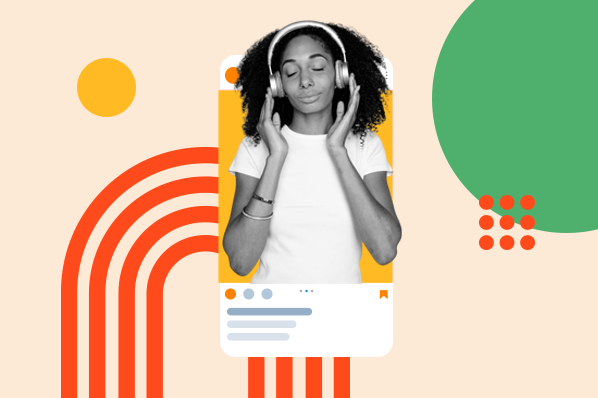
As brands increasingly embrace inclusive marketing and prioritize visual imagery that accurately reflects their target audience, it becomes crucial for marketers to understand how to execute representation effectively. When done correctly, it demonstrates to underrepresented consumers that you are committed to them and their communities. It makes the people you serve feel seen, supported, and like they belong with your brand.
Below, we explore what consumers have shared about what is important for them to see in terms of representation. We also look at why this work is so vital for long-term brand health and customer loyalty.
Why Representation in Marketing Matters
The people you serve need to see themselves—and who they aspire to be—reflected in the visual imagery your brand puts forth. When they see themselves, it acts as a permission slip to take the next step forward with you in the customer journey. When they do not, many consumers receive the message that “this isn’t for me” and go off in search of another option that does make them feel like they belong.
The 2021 State of Representation in Marketing study revealed that 74% of consumers choose to buy from and engage with a brand as a result of seeing themselves represented in the visual imagery a brand puts forth. This is a significant driver of purchasing behavior.
Representation also has the effect of impacting how consumers feel about themselves. In that study, one consumer said they wish brands knew “The damage they do by underrepresentation.” Another consumer said they wished brands knew “How much it can affect someone and their feelings about themselves when they never see themselves represented [in marketing]. Like they are not important.”
These sentiments were present on social media in 2018 when Cosmopolitan UK put plus-size model Tess Holiday on the cover. One woman shared, “If I had seen plus women like me on magazines growing up, it wouldn’t have taken 25+ years to love my body.”
With representation, brands have both power and responsibility to influence not only the way consumers feel about themselves but also how they feel about other people. One study showed that exposure to highlight reels of women’s sports changed attitudes for the better toward female athletes.
French telecom company Orange followed this insight and created an ad in advance of this year’s FIFA Women’s World Cup, highlighting that good representation really can influence perceptions of underrepresented groups, in this case, the skill, competitiveness, and emotion of women’s sports.
As you work to build an inclusive brand that makes more of the people you serve feel like they belong with you, know that taking the time to get representation right will have a significant impact on many, including you and your customers. Embrace these principles to engage in representation the way consumers want you to.
How To Do Representation in Marketing the Right Way
1. Representation in marketing includes more than just photos.
The on-ramp for many brands starting with inclusive marketing focuses on making their visuals more representative. But switching up your visuals doesn’t prove that your brand is inclusive. Consumers will believe you are inclusive when it is representative throughout your brand. In the same study, many consumers shared that they want the brands they engage with and buy from to be holistically representative.
One respondent said, “It’s more than putting someone on an ad. They need to create products that cater to different people. Hire people that are diverse.” Another commented that, “I wish they included more types of people in their campaigns and in their actual companies as senior leaders.”
Another person responded to the research by explaining, “When you choose to represent different types of people, that inclusivity needs to translate into other areas of the brand. The brand also needs to be outspoken politically, have fair hiring tactics, etc., or people will realize that their “representation” is just pandering for sales.”
Here are important areas to focus on concerning representation for your brand.
Products
Take the time to ensure the products you develop showcase, acknowledge, and support the differences of the people your brand serves. For instance, Barbie has said that one in every five of the dolls they develop is Black, which bolsters part of its commitment to “ensure that diversity is represented everywhere” in its products.
Content
Representation matters with the content you create as well. Whether it’s who you include in videos, the guests you feature on your podcast, or even the influencers you work with, build a content plan that allows your target audience to see themselves represented in what you publish.
If you’re seeking more guidance on how to create inclusive and representative content, the episode below can serve as a great guide:
Discover more episodes here
People
Building representative teams is an important part of demonstrating that your brand is inclusive. Who you pay serves as a strong indicator of both company and brand values. Consumers may question your company’s true commitment to diversity and inclusion if you do not have a representative team.
Having a diverse and representative team not only helps you produce better work but also brings numerous other benefits. Jerry Daykin is the head of global media at Beam Suntory. During our chat on the Inclusion & Marketing podcast, Jerry told me about a study conducted by the World Federation of Advertisers (WFA), which revealed that the marketing industry at large is grappling with significant challenges in achieving proper representation. “Almost every minority you can name is underrepresented in the industry and also likely to have a worse experience of working in the industry,” he stated. “If the industry was properly inclusive and represented everyone, we probably would make better work.”
That better work comes from allowing individuals within these communities to harness their lived experiences and cultural intelligence, as it informs the development of exceptional products, services, and experiences. Of course, building a diverse and representative team isn’t necessarily something you can do overnight. It takes time. A way to ensure you can have a team representative of the people you serve in the interim is to hire consultants and contractors to support you as you build and grow.
Marketing
Ensuring adequate representation exists in your marketing mix is essential, especially to ensure that customers connect with your brand at every touchpoint throughout their customer journey. Many brands prioritize the inclusion of representative individuals in their photos and videos, whether sourced from stock imagery or custom content, to ensure a genuine reflection of the people they serve. However, another important area to consider is your customer testimonials.
Unfortunately, it isn’t uncommon for people with identities from underrepresented and underserved groups to achieve success at different levels than people from dominant groups. These disparities are often the result of systemic and societal barriers not directly related to the problem your brand solves. Still, these issues do hurt organizational success.
2. Representation must tell an accurate narrative.
Too often, the narratives told about people from underrepresented and underserved communities aren’t accurate; they often reflect harmful stereotypes. As such, as your brand starts to infuse representation of people from marginalized communities into your brand’s awareness and value system, take time to ensure the narrative you’re communicating with that representation is well-aligned with their real-world experiences.
For instance, Meryl Evans, a disability advocate, talked about her frustration with brands that are trying to represent people from the disability community but continue to perpetuate the narrative that people with disabilities can’t function on their own. She wrote a note on LinkedIn, saying, “My fellow deafies and I who prefer sign language would appreciate avoiding the use of photos with the help sign. It infantilizes deaf people like we always need help.”
3. Longevity and intention matters.
Two consumers I chatted with recently expressed their frustration with brands who seemed to have a sense of entitlement about how consumers should respond to brands being more representative with their visual imagery. One said it felt like the brands were saying, “OK, here you go, here’s a Black person. Come buy our product.” As a Black man, he felt that the actions of the brands did not embody authenticity. To him, it felt like the brands were just changing their imagery, so he’d think the product was for him.
A woman who wears plus-size clothing expressed similar frustrations. She told me that brands launching campaigns representing different bodies can feel gimmicky because it’s a sudden change to their track record. She says, “So now I’m supposed to feel like, ‘Oh, this product is for me’ because all of a sudden I see someone who looks like me?”
As we chatted further, she talked about how, for now, her loyalty remains with the brands that have long represented and served plus-sized people. She did express that if a brand, in its early stages of embracing representation, perseveres in supporting the community consistently over the long term, it has the potential to earn her trust.
Your customers are waiting for you to see them; what will you do next?
By promising to make your brand’s commitments to DEIA representatives throughout all areas of your marketing mix, in time, you will earn the attention, trust, and loyalty of consumers from underrepresented and underserved communities. By committing to producing marketing, product, and visual content that features imagery representing the people you serve or who they aspire to be, you ensure that they feel seen and validated.
In the era of AI-driven search and generative content, visibility is not just about being seen—it’s about being recognized as authentic. When your content accurately reflects the diversity of your audience, you build a foundation of trust that algorithms alone cannot replicate. We believe that intelligent content creation should always be grounded in real human experiences and accurate narratives.
As you refine your approach to representation, consider how your brand’s voice and imagery align with the lived realities of the people you serve. Are you telling accurate stories? Are you building representative teams? Are you committing to long-term support rather than short-term campaigns?
Your customers are waiting for you to see them. The question is not whether you can afford to do representation right—it’s whether you can afford not to. What steps will you take next to ensure your brand is truly inclusive?





